Overview of Refractory Materials
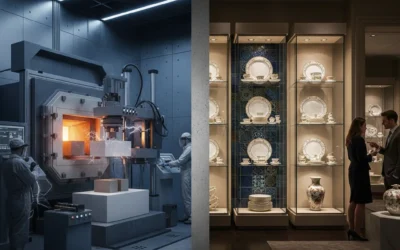
Refractory materials are non-metallic compounds built to handle very high temperatures. They are essential for building and protecting industrial furnaces, kilns, reactors, and similar equipment. These materials must stay chemically and physically stable under intense heat. They often touch corrosive slags or gases during operation.
Types and Composition
Oxide Refractories: Alumina (Al₂O₃), Silica (SiO₂), Magnesia (MgO), Lime (CaO)
Special Refractories:
- Zirconia: Works well in extreme temperatures.
- Silicon Carbide & Graphite: Good for specialized, high-temperature environments. But they don’t work in oxygen-rich settings because they oxidize.
High Melting Point Compounds:
- Hafnium carbide: 3890°C melting point.
- Tantalum hafnium carbide: 4215°C.
- Molybdenum disilicide: 2030°C, perfect for heating elements.
Product Forms and Industrial Uses
- Bricks: Shaped structural units for furnace linings.
- Castables: Unshaped mixes applied wet, then set in place.
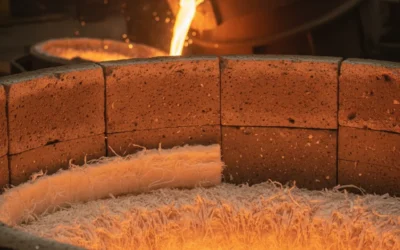
- Ceramic fibers: Lightweight insulation, such as RCF.
- High-alumina Refractories: I recommend these for environments that need top thermal performance.
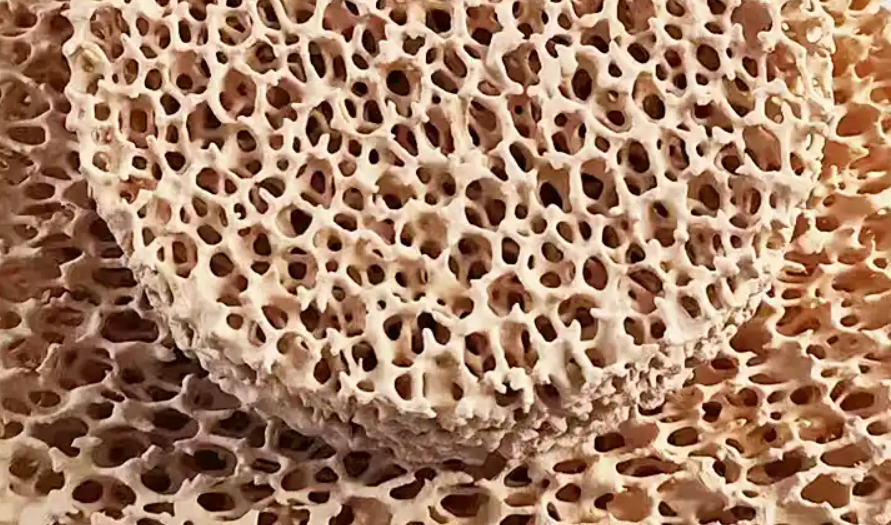
- Ceramic filters: Removal of impurities from molten metal during casting.
Clay Bricks: Characteristics, Types, and Industrial Applications
Clay bricks are a top choice for refractory materials. They make up about 75% of global refractory brick production. Their main parts include hydrated aluminum silicates. SiO₂ content stays below 78% and Al₂O₃ less than 44%. I recommend them for many industries. Steel, glass, ceramics, and cement factories use them often. They cost less and work well in many settings.
Technical Properties of Clay Bricks
Fusion Temperature (Refractoriness/PCE): Standard fire clay bricks resist heat up to 1,500–1,800 °C before melting. Medium duty types have cone values of 29–31. Super duty bricks reach cones 33–34.
Mechanical Strength: These bricks stay strong even at high temperatures. I suggest using them for load-bearing parts. Furnaces and kilns benefit from their strength.
Thermal Conductivity & Insulation: Dense fire clay bricks transfer heat well. They provide high structural strength. Insulating fire clay bricks (IFB) weigh less and have high porosity. They limit heat transfer (as low as 0.16 W/m·K at 800 °C). I like using them for insulation layers.
Thermal Shock Resistance: Clay bricks handle moderate temperature swings. This reduces cracking or spalling risks during heating and cooling cycles.
Chemical Resistance: Their acidic nature resists acidic slags and gases. But they don’t work well in basic chemical environments. You need to modify them for such uses.
Main Types of Clay Bricks and Their Uses
| Brick Type | Composition/Feature | Use Cases |
|---|---|---|
| Standard fire clay bricks | 25-45% Al₂O₃, balance SiO₂ | General furnace linings, stoves |
| Low-porosity fire clay | Reduced porosity, more strength | Heavy-wear kiln floors and furnace zones |
| High-alumina bricks | Over 45% Al₂O₃ (up to 70%+) | Steel furnaces, cement kiln linings |
| Insulating fire bricks (IFB) | Lightweight, higher porosity | Backup linings, thermal insulation |
Operating Temperature: The actual service temperature runs 200–250 °C less than the maximum fusion temperature.
Testing Methods: I recommend checking quality using refractory cone testing. You compare a test pyramid with standard cones. This measures the deformation point.
Example Applications of Clay Bricks
- Lining in blast furnaces for ironmaking
- Kiln cars and arches in ceramics
- Incinerator linings
- Boiler combustion chambers
- Construction of glass tank crowns
High Alumina Bricks: Properties, Grades, and Industrial Applications
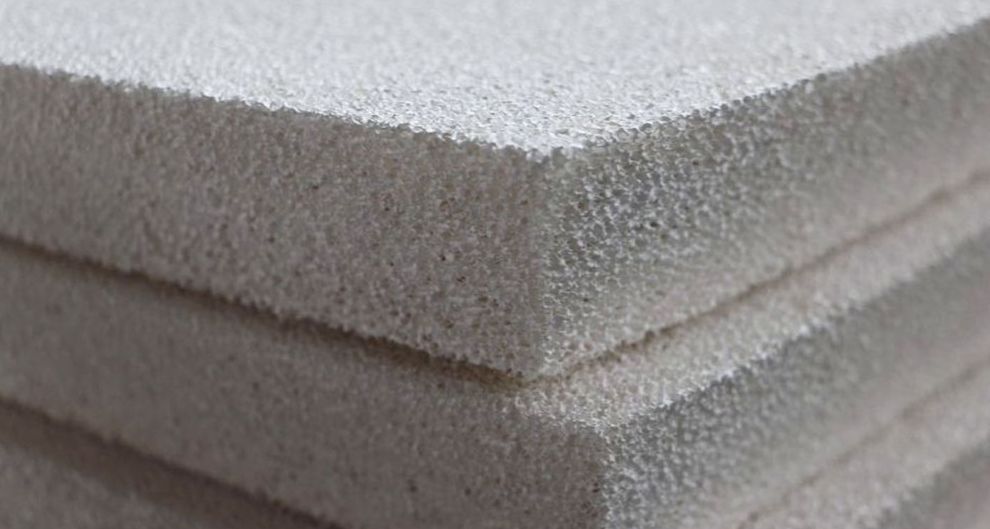
High alumina bricks are advanced refractory materials. They are made from aluminum oxide (Al2O3). These bricks perform better than fireclay and semi-silica bricks. I recommend them for high-temperature environments.
Grades and Properties Table
| Grade | Al2O3 Content | Bulk Density | Compression Strength | Refractoriness Under Load | Working Temperature |
|---|---|---|---|---|---|
| Special Grade | ≥80% | 2.6 g/cm³ | 80 MPa | 1550°C | 1500°C |
| Grade I | 75–80% | 2.5 g/cm³ | 70 MPa | 1510°C | 1500°C |
| Grade II | 60–75% | 2.4 g/cm³ | 60 MPa | 1460°C | 1440°C |
| Grade III | 55–60% | 2.3 g/cm³ | 50 MPa | 1420°C | 1350°C |
Advantages and Chemical Resistance
- Neutral Refractory: Resists both acid and basic slag erosion.
- Better Load Softening Temperature: These bricks beat fireclay bricks. They have low impurities and less glass phase.
- Gas and Wear Resistance: They handle gas erosion well. They also resist abrasion from dust and high-pressure gas.
- Volume Stability: Low-creep formulas keep linings stable. This reduces the risk of sudden lining failure.
Industrial Applications
- Blast Furnace Hot-Blast Stoves: I suggest these bricks for continuous high-temperature operation. They last longer.
- Industrial Furnaces: Use them where you need stable, long-term high-temperature performance.
- Custom Shapes: These bricks work well for checker bricks, anchor bricks, and special kiln parts. Manufacturing is flexible.
- Other Uses: I recommend them where you need both chemical and thermal resistance. This includes steel, glass, cement, and ceramics sectors.
Based on my experience, I choose low-creep high alumina bricks for kiln linings. They improve lifespan. They reduce downtime. They make operations more reliable in tough industrial settings.
Silica Bricks: Composition, Properties, and Industrial Applications
Silica bricks are acid refractory materials. They contain more than 90% silicon dioxide (SiO₂). Their chemical makeup includes 93-98% SiO₂. They also have small amounts of Al₂O₃ (0.5-2.5%), Fe₂O₃ (0.3-2.5%), CaO (0.2-2.7%), and alkali oxides (R₂O, 1-1.5%).
High-Temperature Performance and Physical Properties
- Maximum temperature: Can withstand up to 1750°C.
- Refractoriness under load: Ranges from 1620-1670°C.
- Fusion point: Around 1640-1680°C.
- True density: 2.35-2.59 g/cm³.
- Porosity: Standard is 20-24%. This affects strength and slag resistance.
- Thermal expansion: Major expansion happens during heating. Peak values (70-75%) occur below 300°C.
Industrial Applications and Use Cases
- Coke ovens: Used in combustion chambers, ramps, and regenerators.
- Hot blast stoves: Handle repeated high-temperature cycles.
- Glass kilns: An essential lining for zones in contact with molten glass.
- Furnaces: General linings for high-temperature industrial furnaces.
Based on my experience, silica bricks offer excellent strength at high temperatures. They also provide outstanding acid resistance. I recommend using them in environments free from alkali slags. They work best where rapid temperature changes are rare. Their performance and cost-effectiveness make them ideal for high-temperature zones. I suggest them for coke ovens, glass kilns, and heat stoves.
Chamotte (Calcined Fireclay): Properties, Applications, and Industrial Value
Chamotte—sometimes called calcined fireclay, grog, or firesand—is a key refractory raw material. Producers make it by firing high-grade fireclays at 1300–1400°C. This process removes crystalline water and volatile substances. The result is a durable product that handles harsh, high-temperature conditions.
Chemical Makeup and Structure
Chamotte consists of alumina (Al₂O₃) and silica (SiO₂), with some trace minerals. High-temperature calcination changes kaolinite into strong minerals. These include mullite (3Al₂O₃·2SiO₂) and cristobalite. These minerals are vital for chamotte’s performance above 1600°C. The calcined material contains almost no moisture (≤1%). Raw fireclay, by contrast, has ~14% crystalline water.
Chamotte’s color varies from light to dark brown. This depends on impurities and firing conditions. You can get it in different grain sizes to suit various industrial needs. This allows manufacturers to achieve precise density and texture in finished products.
Physical and Thermal Performance
- Texture: Hard and non-plastic. I recommend it for applications where dimensional stability matters.
- Refractoriness: It withstands temperatures in the 1600–1800°C range.
- Shrinkage: Very low at high temperatures. This reduces the risk of warping or cracking.
- Thermal Shock Resistance: It performs better than raw fireclay. This is due to its mineral composition and grain structure.
Major Industrial Uses and Blending Ratios
Chamotte plays a key role in:
– Making fire bricks, kiln linings, and other structural refractories
– Pottery, ceramics, and sculptural arts
– High-temperature processes in steel, glass, and cement industries
Chromite (FeCr₂O₄)
Chromite (FeCr₂O₄) is a key raw material in the refractory industry. I find it most useful in environments that need high thermal and chemical strength.
Types and Structure of Chromite Refractory Bricks
- Direct-Bonded Chromite: Chromite grains bond together without a secondary phase. This creates strong furnace linings. But it offers lower corrosion resistance in harsh chemical settings.
- Semi- and Fully Rebonded Chromite: These include silica bonds for better resistance against corrosive slags and gases. I recommend this type for critical areas.
- Fused Cast Chromite: Made by melting and casting. These deliver very high corrosion resistance and mechanical stability. I prefer them for the most aggressive foundry zones.
Chromite Sand in Steel Casting and Industry
- High Refractoriness: Handles molten steel temperatures. Prevents sand fusion and chemical sticking.
- Low Thermal Expansion & High Conductivity: Controls shrinkage and pore formation. This reduces casting defects and supports fast cooling cycles.
- Strong Slag Resistance: Stays stable under acids, bases, and fayalitic slags. Lasts longer than alumino-silicate options.
- Granulation: Screened to AFS standards. Common sand sizes include 20–40#, 20–50#, 30–70#, 50–100#, and more for custom foundry needs.
Main Industrial Applications
- Primary material for furnace linings (steel, non-ferrous metals)
- Kiln furniture and structural kiln parts
- Secondary metallurgy: tundish, ladle linings
- Castables and shaped refractories for rapid thermal settings
Quick Figures Overview
| Property | Range/Example |
|---|---|
| Cr₂O₃ Content | 46–49% |
| SiO₂ Content | <1% |
| Mohs Hardness | 5.5 |
| Color | Iron-black, metallic luster |
| Thermal Expansion | 1.0–1.4% at 1000°C |
| Refractoriness | >2000°C |
My View on Chromite
I believe chromite excels at high-temperature performance. It offers strong protection against thermal cycling and chemical attack. Based on my experience, its adaptability is proven by Bushveld chromite case studies. It outperforms other refractories in harsh conditions.
Chromite’s price matches its technical value. I suggest it for situations where refractory life and failure prevention matter most to your business. For me, chromite is the smart choice for critical industrial applications.
Magnesia (MgO) Refractories
Magnesia (MgO) refractories are made from magnesium oxide. They serve as crucial heat-resistant materials in industries that work at extreme temperatures. MgO has a melting point of 2800°C (5072°F). This gives it some of the highest heat stability among refractory oxides.
Chemical Stability & Corrosion Resistance
- Resistance to Basic Slags: Performs well against chemical attack in steelmaking or environments with molten metals and basic slags (iron oxides).
- Iron Oxide Absorption: Absorbs iron oxides without major performance drops. Forms magnesio-ferrite composite that stays stable to 1,713°C even at high iron concentrations.
- Dual Corrosion Resistance: Handles both acidic and alkaline attack better than most refractories. I find this valuable when basic slag resistance is critical.
Industrial Applications and Examples
- Steelmaking Furnace Linings: Standard for vessels facing regular basic slag attack and intense heat. Withstands over 1800°C for extended runs.
- Non-Ferrous Metal Processing and Glass Tank Furnaces: Use MgO for both longevity and thermal efficiency.
- Cement Kilns & Crucibles: MgO’s heat resistance and chemical durability prove essential here.
- Magnesia-Carbon Bricks: These composite bricks boost slag resistance and durability.
- Electrical Insulation: MgO’s low electrical conductivity makes it suitable for high-temperature cable and heater insulation.
Product Forms and Market Examples
- Magnesia Bricks and Magnesia-Carbon Bricks
- Fused Magnesia Shapes and Crucibles
- Dead-Burned Magnesia Powder
- Insulation Sleeves for Electric Cables
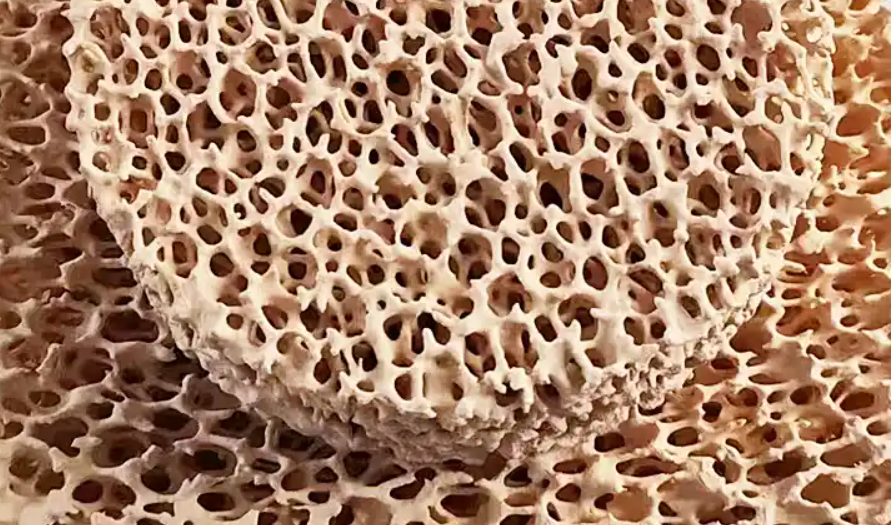
- Magnesia Ceramic Foam Filters for Casting
I believe MgO refractories deliver reliable protection and value. This applies to any operation where basic slag, tough corrosion, and extreme temperature combine. Based on my experience, their versatility and proven durability make them a cornerstone of modern high-temperature industry. I recommend them for any steel or metal processing operation needing long-term heat protection.
Graphite (C): Properties, Grades, and Industrial Applications
Graphite stands out among refractory materials. It has excellent heat resistance and unique properties. Here is my detailed overview. I cover key technical data, and my personal evaluation based on what I see in industrial use.
Key Properties of Graphite as a Refractory Material
- Extreme Thermal Resistance: Graphite sublimes at ~3600°C. It doesn’t melt. This gives it the best high-temperature stability I’ve seen.
- High Thermal Conductivity: Top grades (like isostatic graphite) reach up to 105 W/m·K at 20°C. This is vital for fast heat transfer. It ensures uniform heat in refractory linings and furnace parts.
- Low Coefficient of Thermal Expansion: Ranges between 2.1 to 4.2 × 10⁻⁶/K across commercial grades. This cuts the risk of cracking under thermal cycling. I recommend this property for operations with frequent temperature changes.
- High Purity: Select products achieve ash contents below 200 ppm. This is a must for semiconductor, chemical, and specialty metallurgy uses.
- Mechanical Strength: Industrial graphites have typical compressive strength of 90–130 MPa. Isostatic graphite has flexural strength of 45–60 MPa. Impregnated composites can exceed these values. Based on my experience, these numbers matter for long-term durability.
- Chemical Inertness: Graphite withstands acids, alkalis, and molten metals. But graphite oxidizes fast above 500°C in air. You must protect it with a reducing or inert atmosphere.
- Machinability: You can shape graphite to precise dimensions. This is ideal for complex refractory components. Carbon-graphite composites require diamond tooling. Their hardness is higher.
Grades, Compositions, and Technical Data
| Property | Die-Molded Carbon | Isostatic Graphite 1 | Isostatic Graphite 2 | Extruded Graphite | Vibration-Molded | Carbon-Graphite (impregnated) |
|---|---|---|---|---|---|---|
| Density (g/cm³) | 1.55 | 1.72 | 1.83 | 1.72 | 1.67 | 1.7–2.55 |
| Open Porosity (%) | 18 | 15 | 10 | — | — | — |
| Thermal Conductivity (W/m·K) | 4 | 105 | 105 | — | — | 14–33 |
| Flexural Strength (MPa) | 15 | 45 | 60 | 14 | 10 | 60–80 |
| Compressive Strength (MPa) | 50 | 90 | 130 | — | 25 | 180–290 |
| Ash Content (ppm) | ≤2000 | 200 | 200 | ≤800 | ≤700 | — |
Specialty and Composite Forms
- Pyrolytic Graphite (Pyroid® HT): This has very high density (2.26 g/cm³). Mechanical properties vary by direction. For example, it has 80 MPa tensile strength in-plane and 3 MPa out-of-plane. I suggest this for anisotropic applications.
- Carbon Fiber-Reinforced Graphite (SIGRABOND®): It offers much higher flexural strength (150–200 MPa) and modulus (60–70 GPa). I recommend this for advanced applications.
- Carbon-Graphite Composites (EK24, EK2240, EK305): Mechanical properties depend on filler and impregnation type (resin, antimony). These target high-stress applications. Based on my experience, they deliver strong performance under load.
Industrial Applications of Graphite Refractories
- Glass and Metallurgy: We use graphite for crucibles, molds, and electrodes. These need intense heat resistance and thermal shock resistance.
- Chemical Industry: Graphite works as seals, gaskets, and reactors. These operate in corrosive and high-temperature process environments.
- Semiconductors: High-purity graphite is used for wafer carriers and furnace fixtures.
- Energy Sector: Graphite serves as electrodes for electric arc furnaces. It’s also used in battery components.
- Refractory Additives: Expanded graphite enhances MgO-C refractories. It reduces thermal expansion and improves shock resistance. I like this application for improving overall refractory performance.
My View on Graphite as a Refractory
I believe graphite’s performance in extreme heat is unmatched. Its machinability and chemical stability make it essential for advanced high-temperature technology. Based on my experience, I recommend graphite where purity, thermal management, and mechanical reliability are priorities.
Dolomite Refractories
Dolomite refractories are basic refractory bricks made from calcium magnesium carbonate (CaMg(CO₃)₂). They offer high heat resistance and strong chemical protection. These bricks contain 40–60% CaO and 30–42% MgO. The main mineral phases are periclase (MgO) and calcite (CaO). Small amounts of alumina, silica, and ferric oxide are also present.
Key Properties and Performance Benefits
High Heat Resistance: These bricks can handle loads at 1680–1700°C. This makes them work well in extreme heat.
Resistance to Basic Slag: Dolomite bricks resist alkaline slags well. This makes them perfect for lining equipment in basic environments. I recommend them for steel-making converters, cement rotary kilns, and lime kilns.
Thermal Expansion and Heat Flow: Dolomite bricks expand well with heat. This reduces internal stress and prevents cracks. They also have low heat transfer, which helps save energy through better insulation.
Chemical Coating Formation: These bricks react with cement clinker parts. They form alite at 2000°C and belite at 2130°C. This creates a stable protective coating. The coating reduces brick wear, limits heat loss, and makes the lining last longer.
Operational Life and Environmental Impact: The bricks last longer because stable reaction layers form on their surface. Dolomite is abundant in nature and has low environmental impact. I suggest it as a sustainable choice.
Industrial Applications of Dolomite Bricks
Cement Rotary Kilns: The burning and transition zones need dolomite bricks. These bricks offer great coating stability. They resist erosive cement phases and alkali salts.
Steel-making Furnaces, Converters, and Induction Furnaces: Dolomite resists basic slag. This helps furnaces run longer, even with severe high-temperature chemical damage.
Glass Furnaces & Lime Kilns: Good for regenerator chambers and lining zones. These areas face frequent heat cycles and strong alkali contact.
Tundish Linings and Casting: Metal casting uses these bricks. They combine a high melting point with chemical stability.
I have seen their value in cement and steel plants. They work best in the toughest furnace zones. This proves that investing in quality dolomite solutions pays off both technically and financially. For kilns and converters that use a lot of energy, I believe dolomite is a top choice. It performs well and is good for the environment.
Lime (CaO) Based Refractories
Lime (CaO) based refractories are essential heat-resistant materials. They are built from calcium oxide. These materials work well in high-temperature processes. They resist basic slag and harsh chemical environments.
Chemical Composition and Manufacturing Process
- Main ingredient: Calcium oxide (CaO). We produce it by calcining limestone (CaCO₃) at 900°C or above. This process releases CO₂.
- Sintering: We heat the material at 1550°C for two hours. This makes the product denser. It strengthens the final refractory.
- Bulk Density: Finished CaO bricks reach 2.97–3.08 g/cm³. This is close to the theoretical maximum of 3.34 g/cm³.
Key Performance Features
- High chemical stability: CaO refractories resist corrosive basic slags. They handle tough environments well.
- Better hydration resistance: Add the right additives and resistance improves.
- Low porosity: This is critical. It limits unwanted reactions. It stops gases or slag from penetrating.
Hydration resistance strategies:
– Lower open porosity. This tightens the structure.
– Reduce surface area exposed to moisture.
– Impregnate materials with pitch or carbon at ~1700°C. This improves hydration resistance. It also boosts slag resistance.
Optimal approach: Molten CaO bricks show the highest hydration resistance. But cost is a problem. It stops widespread use. Researchers are working on more affordable methods.
Practical Combinations and Modern Industrial Applications
- Doloma (CaO–MgO): Combine lime with magnesia. You get doloma. It is valued for basic slag resistance.
- Historical use: Lining material for Bessemer converters.
- Current use: Key linings in lime recovery kilns for the paper industry. Here, lime helps regenerate sodium hydroxide for Kraft pulping operations.
My Perspective and Technical Opinion
Based on my experience, well-engineered lime-based refractories are unmatched. They handle intense basic slag. They resist corrosive alkali environments better than alternatives. I like how targeted additives and modern processing methods make them cost-effective.
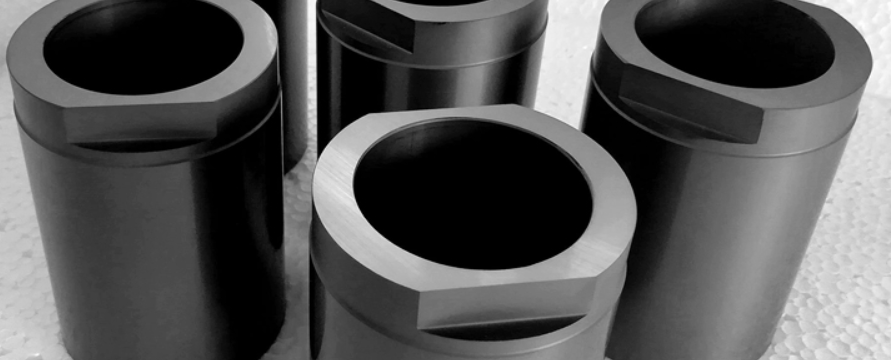
Silicon Carbide and Nitride Refractories
Silicon carbide and nitride refractories are materials built for extreme heat and stress. They combine strength, chemical stability, and heat resistance. I recommend these materials for tough jobs in steel, nonferrous metals, ceramics, and power generation.
Main Types of Silicon Carbide and Nitride Refractories
-
Nitride Bonded Silicon Carbide (NBSC/Si₃N₄-bonded SiC): This type bonds SiC grains with silicon nitride. It provides excellent hot strength and low porosity. It resists slag, alkali, and molten metals very well.
-
Recrystallized Silicon Carbide (RSiC): This is pure SiC formed by high heat. It uses no extra binders. RSiC resists creep better than other types. It works at the highest service temperatures.
-
Reaction Bonded Silicon Carbide (RBSiC): Makers create this by filling porous SiC shapes with molten silicon. The silicon reacts with carbon to form new SiC. RBSiC is dense and strong. It conducts heat well. But free silicon content limits its use.
-
Oxide Bonded Silicon Carbide: This type uses silicate or clay binders. It costs less. But it has lower strength and resists heat less.
Key Properties and Performance Highlights
-
Maximum Service Temperature: NBSC works up to 1525°C. RSiC handles even higher temperatures.
-
Mechanical Strength: Si₃N₄-bonded SiC shows great hot strength. It keeps its shape above 1800°C under 0.2 MPa.
-
Thermal Conductivity & Shock Resistance: High heat conductivity means fast, even heat transfer. These materials handle severe heat cycles. They don’t crack or bend.
-
Chemical and Oxidation Resistance: Silicon carbide is almost as hard as diamond. It resists alkali, slag, cryolite, and molten metals. NBSC fights oxidation well. This matters in waste burning and aluminum smelting.
-
Creep Resistance: RSiC and Si₃N₄-bonded types barely deform after long heat exposure.
-
Low Apparent Porosity: Low porosity stops slag or gas from getting in. This extends life in harsh furnaces.
Microstructure and Materials Data
- Primary phase: SiC crystals.
- Secondary phases: α-Si₃N₄ (forms at ≤1350°C, more strained/less stable) and β-Si₃N₄ (stable at >1500°C).
- Typical densities: SiC 3.1–3.2 g/cm³; silicon nitride 3.17 g/cm³.
- Flexural strength: Up to 850 MPa (silicon nitride).
- Fracture toughness: 7 MPa·m¹/².
Product Forms and Industrial Applications
-
Bricks and Tiles: These line blast furnaces and aluminum reduction cells. They last 10–15 years.
-
Ceramic Kiln Furniture: RSiC saggers, beams, setters, and pusher plates last through many firing cycles. They stay strong and keep their shape.
-
Furnace Components: Thermocouple protection tubes, reactor sleeves, and muffle linings improve heat flow. They boost reliability.
-
Nonferrous Metal Industry: SiC-lined aluminum reduction cells use energy better. They extend cell life and improve current efficiency.
-
Steelmaking: NBSC bricks protect against high wear, slag, and alkali damage.
-
Power and Waste Incineration: Burner tubes, spray nozzles for flue gas cleaning, and boiler plates resist harsh chemicals and oxidation.
My View and Evaluation
Based on my experience, I prefer silicon carbide and nitride refractories for jobs that need high uptime and resistance to harsh chemicals and metals. Heat efficiency is also key. Advanced types like NBSC and RSiC cost more at first. But their long service life and less downtime make them worth it. The payback is clear.
For blast furnaces, nonferrous metal cells, and high-value kilns, I suggest these refractories. They are a smart choice. Operators focused on performance and long-term returns on investment will benefit most.
Summary
I’ve explored these ten key refractory materials. Based on my experience, picking the right type determines your operational success.
Each material has unique strengths. Graphite offers excellent heat transfer. Magnesia resists slag better than most options. Silicon carbide lasts longer under tough conditions.
I recommend understanding your specific operating conditions first. This knowledge helps you choose correctly.
Premium refractories cost more upfront. But I’ve seen them pay back through longer service life. They also cut downtime significantly.
Choose the right material for your needs. Your furnaces will give you years of reliable performance. I suggest investing in quality from the start.