
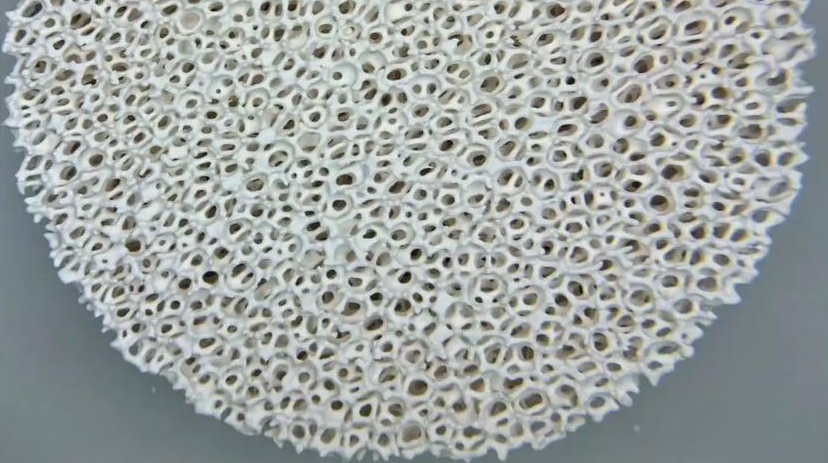
Overview of PP and Ceramic Filters
I recommend understanding the key differences between PP (Polypropylene) filters and ceramic filters before choosing one for your water filtration needs. Let me break down their materials, filtration performance, maintenance, and applications.
PP (Polypropylene) Filters: Features and Applications
Material and Construction: These filters use food-grade polypropylene. Manufacturers make them with a melt-blown method. This creates layers of different densities for better filtration. They resist harsh chemicals. They hold their shape up to 80°C (176°F).
Micron Ratings: You can find these in various grades:
-
1–5 µm removes fine sediment in electronics ultrapure water systems.
-
10–20 µm works for pilot filtration in oil refineries and food processing.
-
25–100 µm protects pumps in agricultural irrigation.
Applications: I suggest PP filters for municipal water plants, high-turbidity water pretreatment, and residential sediment removal.
Cost: PP filters save you money. Industrial data shows ~40% less annual maintenance costs compared to ceramic options. You use them once and throw them away. This means less cleaning and lower upkeep.
Limitations: PP filters repel water naturally. You need to apply pressure or use a solvent to wet them first. They don’t last as long. You’ll replace them more often.
Ceramic Filters: Characteristics and Use Cases
Material and Construction: Manufacturers make these from ceramic materials like titanium dioxide (TiO₂). These filters have very fine pores, down to 0.2 microns. This size removes bacteria and protozoa.
Filtration Performance: These filters deliver high-quality water. They can reduce water turbidity to as low as 0.2 NTU. I recommend them for scenarios needing sterile or near-sterile water.
Durability and Maintenance: Ceramic filters last longer. They offer better mechanical and chemical stability. Protein buildup affects them less than other filters. But they break more easily. Handle them with care. You clean them manually from time to time. This restores their filtration performance well.
Application Examples: I like ceramic filters for point-of-use drinking water filtration. They work great for emergency and off-grid purification. Use them when you need to remove pathogens.
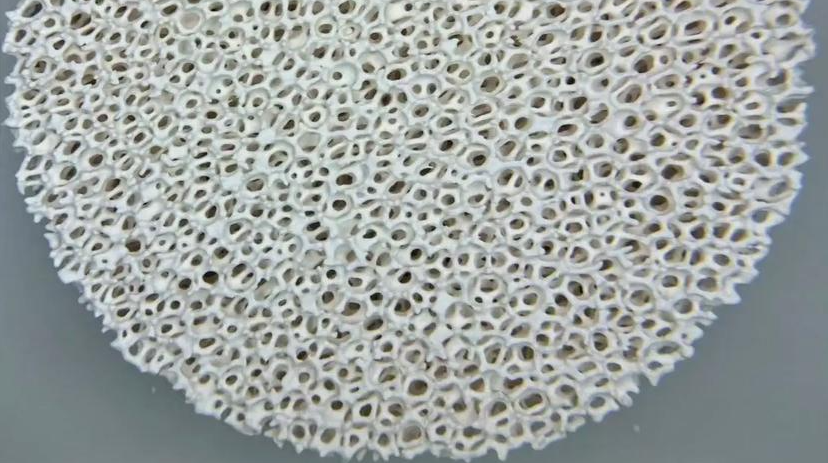
Key Technical Data: Direct Comparison
|
Property/Feature |
PP Filter |
Ceramic Filter |
|---|---|---|
|
Micron Rating |
1–100 µm (customizable) |
Down to 0.2 µm |
|
Max Temperature |
80°C (176°F) |
>100°C |
|
Annual Maintenance Cost |
~40% lower |
Higher, but longer lifespan |
|
Permeate Turbidity |
Decreases over time |
As low as 0.2 NTU |
|
Maintenance |
Frequent replacement |
Periodic cleaning |
|
Mechanical Strength |
Flexible, durable |
Brittle, care needed |
Typical Example Modules
PP Module: Accurel PP V8/2 HF (0.2 µm, max TMP 1.5 bar, max flux ~38 L/m²·h)
Ceramic Module: TiO₂ (0.14 µm, max TMP 2.0 bar, max flux ~39 L/m²·h)
Common Use Scenarios
PP filters work best in large-scale, high-volume setups. Cost and maintenance frequency matter most here. They remove sediment and particles well.
Ceramic filters are my top choice for drinking water quality. Use them for pathogen removal and the lowest possible turbidity.
Based on my experience, ceramic filters achieve water clarity of 0.2 NTU in trials. PP filters in industry report around 40% lower annual maintenance expenses compared to ceramics. Industry data shows PP filters dominate industrial and municipal systems. Ceramic filters stand out where water safety and purity are priorities.
Key Differences Between PP and Ceramic Filters
Filtration Precision and Microbial Removal
PP filters handle particles sized 1–100 µm. They target sediment, rust, and suspended solids in water. But they cannot remove bacteria, cysts, or most pathogens.
Ceramic filters have very fine pores—down to 0.2 µm. This allows them to remove bacteria, protozoa, and cysts. I recommend ceramic filters for safe drinking water. They work great in emergency or off-grid situations.
Material Properties and Chemical Resistance
PP (Polypropylene) filters use food-grade polypropylene. This material resists chemicals well. It stays stable at temperatures up to 80°C (176°F). PP filters contain no additives. This makes them perfect for harsh chemical environments.
Ceramic filters use high-grade ceramic materials. Some include silver or antimicrobial agents to control bacteria better. Ceramics resist chemical corrosion well. They can handle higher temperatures than PP filters.
Service Life, Maintenance, and Cost
PP filters are single-use and disposable. You need to replace them often in high-sediment environments. They last a short to medium time. Based on my experience, their best feature is cost savings. Annual maintenance expenses run ~40% lower than ceramic filters. I suggest PP filters if you focus on budget and simple upkeep.
Ceramic filters are reusable. You can clean and restore them many times. This extends their life. They cost more upfront. But you replace them less often. Over time, this can save you money.
Flow Rate and Application Suitability
PP filters work great in high-volume and high-flow settings. Their larger pore size and lower pressure drop make this possible. People use them as pre-filters in municipal water plants and agricultural irrigation. They handle high dirt loads well.
Ceramic filters process water more slowly. Their finer pore structure causes this. But they deliver higher quality output. I like them for household point-of-use systems and portable water filters. They excel in situations where water safety matters most.
Example Use Case and Practical Advantages
In two-stage household filter systems, place a PP filter first. It captures sand and rust. This improves water clarity. It also extends the life of the ceramic filter that follows. The ceramic filter then eliminates bacteria and protozoa. The result? Water that meets the strictest health standards.
Additional Insights
You can enhance ceramic filters with silver. This prevents bacterial regrowth inside the filter. PP filters focus on maximizing flow and convenience. They don’t target microbial filtration. Both types play vital roles in water purification. Your choice depends on your needs for safety, cost, and ease of maintenance. I recommend considering all these factors before you decide.
Filtration Efficiency: How PP and Ceramic Filters Compare
PP (polypropylene) filters and ceramic filters differ in key ways. They remove different types and sizes of contaminants. They handle bacteria differently. And they produce different levels of water clarity.
Particle Removal Efficiency
PP Filters:
High-density PP filters capture over 99% of small particles. These include sediment, rust, and suspended solids. They typically catch particles in the 1–5 micron range. This makes them great for controlling visible dirt and cloudiness.
PP filters can hold large amounts of dirt. They trap many contaminants before you need to replace them. But PP filters cannot remove bacteria, protozoa, or dissolved contaminants.
Example: In industrial water pretreatment, PP filters control high cloudiness and large sediment loads.
Ceramic Filters:
Ceramic filters have pore sizes as small as 0.2 microns. They remove fine particles, bacteria, and protozoa very well. These filters can reduce cloudiness down to 0.2 NTU. The water becomes very clear and safe from microbes.
Lab tests show ceramic membranes beat PP membranes for water clarity at 0.14 MPa pressure. This holds true even after many cleanings. Ceramic membranes are reusable. They keep high filtration efficiency through multiple cleaning cycles.
Bacterial and Pathogen Removal
PP filters do not block bacteria, cysts, or viruses. Their pores are too large. Ceramic filters reliably remove microorganisms. They produce sterile or near-sterile water safe for drinking. I recommend them for emergency or off-grid settings.
Performance and Value Highlights
PP filters boost flow and sediment removal. I suggest them for high-volume or high-load settings. But they lack pathogen filtration.
Ceramic filters produce water with turbidity as low as 0.2 NTU and reliable sterilization. Based on my experience, they are the best choice for water safety and clarity.
Costs and replacement cycles differ. PP filters cost less but you change them more often. Ceramics last longer and stay efficient after cleaning.
Advantages and Disadvantages of PP Filters and Ceramic Filters
I’ve compared PP filters and ceramic filters for water purification. Each filter type has its own strengths and limits. Below, I break down the main pros and cons. This will help you decide which works better for your needs.
Advantages of PP (Polypropylene) Filters
-
Strong chemical stability: PP filters resist acids, alkalis, and corrosion. They work well in tough chemical environments like industrial water pretreatment.
-
Large flow and low pressure drop: These filters deliver high flow rates. They support high-volume and municipal uses.
-
Cost-effective: PP filters cost less—industry data shows around a 40% cut in annual maintenance costs compared to ceramic filters.
-
High efficiency for sediment removal: These filters trap particles and suspended solids well. I recommend them for visible dirt and cloudiness.
-
Simple replacement: PP filters are easy to find and swap out. They suit facilities that want streamlined operations.
Disadvantages of PP Filters
-
Limited temperature resistance: PP filters handle temperatures up to 80–100°C. They don’t work in high-heat scenarios.
-
Lower filtration accuracy: PP filters have pore sizes of 0.2–10 µm. They can’t remove microorganisms such as bacteria.
-
Shorter service life and disposability: These filters clog fast in high-sediment settings. You need to replace them often. They are not reusable after saturation.
-
Degraded by strong cleaning agents: PP filters don’t suit intensive cleaning cycles.
-
Ineffective for microbial or ultra-fine contaminant removal: PP filters do not provide sterile water. They don’t target dissolved substances.
Advantages of Ceramic Filters
-
High temperature and chemical resistance: Ceramic filters operate in environments up to 500°C. They stay stable with acids and bases. They withstand harsh cleaning procedures (e.g., with NaOH or H₃PO₄).
-
Superior filtration accuracy: These filters have pore sizes as fine as 0.1–0.5 µm. They remove very fine particles, bacteria, and protozoa. This ensures excellent water quality.
-
Reusable and long service life: You can scrub or backwash ceramic elements for repeated use. They last from 6 months to 2 years.
-
Strong structure: Ceramic filters support rigorous cleaning. They maintain performance over time.
-
Hydrophilic properties: Surfaces resist protein fouling. This keeps filtration efficient in biological or food processing settings.
-
Sterile and low-turbidity output: Lab data reports water clarity values as low as 0.2 NTU. This reflects high purification standards.
Disadvantages of Ceramic Filters
-
Higher upfront cost: Ceramic filters cost more to purchase. But their long life can offset long-term expenses.
-
Brittleness: Ceramic filters are fragile. Mishandling can cause breakage.
-
Slower filtration rates: Finer pore structures result in lower output flow. They work best for point-of-use or specialty uses rather than large industrial volumes.
-
Needs attention to handling and cleaning: You must clean them periodically and use them with care to maintain good performance.
-
Limited removal of dissolved chemicals: Unless you pair them with extra filtration media (e.g., activated carbon), they do not address all chemical contaminants.
-
Can require specialized maintenance: Some systems call for specific cleaning protocols.
I suggest PP filters for affordability, high flow, and fast sediment filtration in large-scale systems. I recommend ceramic filters for better microbial protection, durability, reusability, and the highest water clarity—where health and purity matter most.
PP Filters vs. Ceramic Filters: Where Each Works Best
I recommend choosing between PP (polypropylene) filters and ceramic filters based on what you need for water treatment. Let me break down where each type works best. I’ll cover typical uses, setups, and proven results.
Where PP Filter Cartridges Work Best
PP filters work great in high-flow, high-volume, and industrial settings. They offer broad compatibility, low cost to run, and hold lots of dirt.
City and Home Water Treatment: PP filters catch sediment, sand, and particles first. They protect RO membranes in home purifiers and city treatment plants.
Industrial Water Processing
-
Power plants, steel mills, and factories use PP filters in their water systems.
-
These filters cut down on maintenance.
-
They protect pipes, pumps, and other equipment.
Food and Beverage Industry
-
Meltblown PP cartridges clear syrups, beer, and juices.
-
Pleated types handle sterile filtering in dairy and beverage lines.
-
They help meet hygiene rules.
Drug Making
-
PP filters do coarse filtering first.
-
They protect sterile-grade final filters.
-
They keep bulk solutions free of particles.
Chemical and Petrochemical: These filters trap particles and catalyst leftovers. They help purify lubricants, fuels, and solvents.
Electronics Making: PP filters make ultrapure water for rinsing semiconductor wafers. Pleated and surface-treated types keep quality steady.
General Industry: PP filters remove debris from hydraulic fluids, cooling towers, and compressed air. This cuts wear and equipment failures.
Setup Options:
-
Meltblown (1–100μm): I suggest these for home water purifier prep and coarse filtering in factories and food plants.
-
Pleated (0.1–100μm): Great for electronics, sterile lines in drug and food making, and pre-RO stages.
-
Wirewound (0.5–100μm): Works well in industrial lines, electroplating, and paint/ink filtering.
-
High Flow (1–100μm): Perfect for large beverage and industrial plants.
-
Surface Treated (0.5–50μm): I like these for microelectronics, biopharma solvents, and sterile compressed air.
Where Ceramic Filters Work Best
Pick ceramic filters when you need to control microbes, resist chemicals, and get clear water at the point of use.
Point-of-Use Drinking Water Filtering: Under-sink, countertop, and pitcher filters work well in rural homes. They help in regions with regular microbe outbreaks.
Gravity and Pressure Systems
-
Gravity-fed units fit households.
-
Pressure-driven types suit small businesses.
-
Both deliver safe water without electricity.
Hot Gas and Compressed Air Sterilizing: Factories use these for dust and fume removal. They sterilize process gases or air in sensitive lines.
Critical Drinking Water Security: Emergency kits, disaster relief, and off-grid homes use ceramic filters. They remove bacteria, cysts, and sediment from unpredictable water sources.
Industrial and Lab Use
-
Ceramic cartridges clear fermentation broths.
-
They make lab-grade water.
-
They stand up to harsh cleaning agents with less downtime and steady quality.
Based on my experience, both filter types fill unique needs. PP filters serve industrial, city, and high-volume uses. Ceramic filters protect health at the tap and perform well in tough lab and industrial jobs. Your best choice depends on your use, water safety needs, and how much maintenance you can handle.
Cost Comparison of PP Filters vs. Ceramic Filters
I want to compare PP filters and ceramic filters on cost. They differ in upfront price, maintenance expenses, and replacement intervals. Here’s how they stack up:
Upfront Costs & Replacement Prices
Ceramic Filter Systems
-
Basic ceramic filter units cost $59–$99.
-
Replacement ceramic cartridges are under $30.
-
A ceramic cartridge lasts 6 months to 2 years. This depends on use and tap water quality.
-
Annual maintenance costs are below $50. You can clean and reuse ceramic elements before buying new ones.
Polypropylene (PP) Filter Systems
-
Entry-level under-sink PP filter systems start at $66.99.
-
Main PP filter units range from $94 to $224.
-
Replacement PP cartridges cost $24.99 for basic types. They cost up to $79.99 for higher-performance or multi-stage models.
-
Cost per gallon is below $0.01 in large-capacity PP systems. It goes up to $0.16 per gallon in advanced, multi-stage setups.
Annual Maintenance and Cost-per-Gallon
Ceramic Filters
-
Annual cost: under $50 with cleaning and replacement every 6–24 months
-
Cost per month: A $30 ceramic cartridge replaced once a year = $2.50/month.
PP Filters
Annual maintenance varies. You need more frequent cartridge replacements. This depends on water quality and filter design.
Example: A $66.99 system with $24.99 annual cartridge yields about $7.60/month. This is averaged over two years. It includes the initial system price.
Cost per gallon:
-
PP filters in high-capacity setups can go as low as $0.01/gallon.
-
Shorter-lived or advanced PP models rise to $0.06–$0.16/gallon.
Real-World Impact & Evaluation
Ceramic filters save money in the long run. They are reusable and last longer. You replace cartridges less often. This means lower ongoing expenses. The main trade-off is a slower flow rate. They may cover fewer contaminants compared to advanced multi-stage PP systems.
PP filters have a wider price range. Basic models are often cheaper up front. But frequent cartridge changes can increase total cost over time. This is especially true in homes with high sediment or poor water quality.
Key Data Table
|
Filter Type |
System Cost |
Cartridge Cost |
Annual Maint. Cost |
Cost/Gallon |
Cartridge Lifespan |
|---|---|---|---|---|---|
|
Ceramic Filter |
$59–$99 |
<$30 |
<$50 |
— |
6–24 months |
|
PP Filter |
$66.99–$224 |
$24.99–$79.99 |
variable |
$0.01–$0.16 |
6–12 months (typical) |
I recommend ceramic filters if your goal is long-term savings and lower maintenance. Based on my experience, they are the better bet for most households.
If you prioritize higher flow or larger volume filtration at the lowest cost per gallon, I suggest a high-capacity PP filter system. But be ready for more regular cartridge changes. Total costs may be higher. This depends on your local water quality.
Summary Table: PP Filter vs. Ceramic Filter Key Features
I want to show you a clear comparison of PP (polypropylene) filters and ceramic filters. This table covers their most important features. Use it to decide which filter type works best for your water purification needs.
|
Feature/Aspect |
PP Filter |
Ceramic Filter |
|---|---|---|
|
Material |
Polypropylene (PP) |
Ceramic (often titanium dioxide) |
|
Filtration Mechanism |
Depth filtration; fibers trap particles |
Surface filtration; tiny pores block contaminants |
|
Pore Size |
Nominal: 0.2–10 µm |
Absolute: 0.1–0.9 µm |
|
Filtration Accuracy |
Lower; pore size varies |
Higher; consistent and finer pore size |
|
Flow Rate |
Higher; less resistance |
Lower; more resistance |
|
Contaminant Removal |
Sediment, sand, large particles |
Sediment, bacteria, protozoa, some viruses |
|
Chemical Resistance |
Good; resists acids, alkalis, most chemicals |
Excellent; resists harsh chemicals/solvents |
|
Temperature Resistance |
Up to 80–100°C |
Up to 500°C |
|
Mechanical Strength |
Moderate; can deform |
High, but brittle; handle with care |
|
Hydrophilicity |
Hydrophobic; needs wetting agent |
Hydrophilic; water-wettable |
|
Fouling Tendency |
Higher; attracts proteins/organics |
Lower; resists fouling |
|
Cleaning and Reusability |
Not reusable; disposable |
Reusable; clean by scrubbing/backwash |
|
Lifespan |
Short; single use, needs frequent replacement |
Long; can last years with cleaning |
|
Cost |
Low; inexpensive and easy to find |
Higher upfront but lasts longer; replacement cost lower over time |
|
Sterility |
Possible if pore size is small enough |
Possible with fine enough pores |
|
Turbidity Reduction |
Moderate; varies by grade |
Can reach <0.2 NTU; excellent clarity |
|
Maintenance |
Change when clogged; no cleaning |
Clean on a routine basis; inspect for cracks |
|
Installation |
Simple cartridge swap |
Simple cartridge swap or surface cleaning |
|
Applications |
Industrial, pre-filtration, heavy sediment |
Drinking water, sterile use, harsh environments, emergencies |
|
Example Models |
Accurel PP V8/2 HF (0.20 µm), S6/2 (0.20 µm) |
Tami TiO₂ (0.14 µm) |
|
Performance Stability |
Drops fast after clogging |
Maintains after several cleanings |
|
Cleaning Susceptibility |
Not cleanable |
Cleanable with water or chemicals |
|
Porosity |
Moderate; depends on fiber density |
High; narrow distribution |
|
Flux |
High; supports large volumes |
Lower; for point-of-use or specialty |
|
Sterilization |
Not fit for high-temp sterilization |
Supports high-temp sterilization in industrial/lab setups |
|
Environmental Impact |
Higher waste (throw-away) |
Less waste (reusable, long lifespan) |
Key Points and My Personal Evaluation
I recommend PP filters for high-volume setups. They provide fast flow, low up-front costs, and simple maintenance. But they need frequent replacement. This creates more waste.
I prefer ceramic filters if you value water safety. They offer long-term savings and environmental benefits. Their superior clarity and microbe removal make the higher initial cost worth it. Based on my experience, they last longer. You can clean and reuse them. They deliver sterile water time after time. Just handle them with care because they can be brittle.
I suggest you use this table to match filter features with your water quality goals and budget.