
What is Bio-Filtration in an Aquarium?
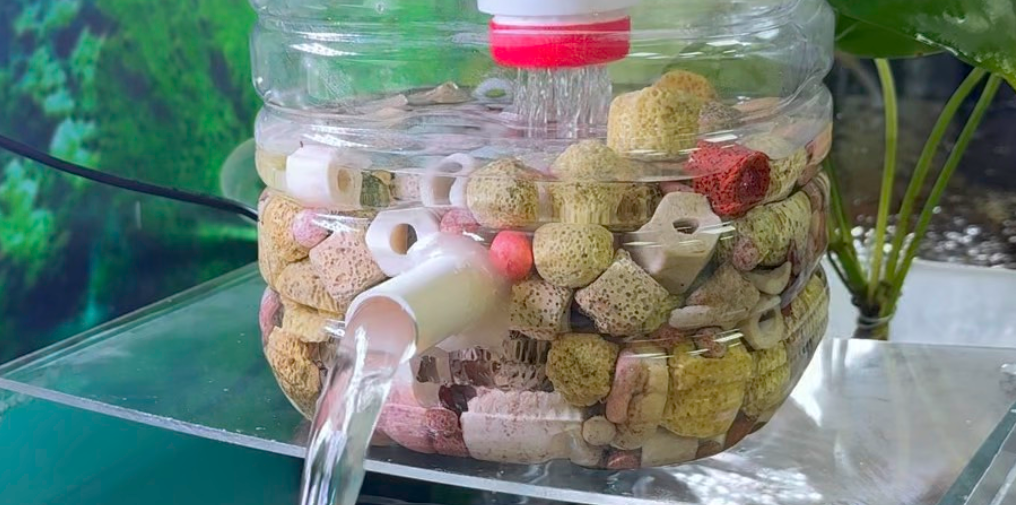
Bio-filtration in a freshwater aquarium uses living bacteria to convert harmful waste into safer substances. I recommend understanding this process because it keeps your fish healthy. The bacteria transform toxic ammonia into less dangerous forms through the nitrogen cycle.
How Bio-Filtration Works
Ammonia Removal: Fish produce ammonia (NH₄) through their gills and waste. Uneaten food also breaks down and creates ammonia. Even low levels of ammonia can harm or kill fish. So bacteria must break it down fast.
Three Stages of Filtration:
-
Stage 1: Bacteria called Nitrosomonas convert toxic ammonia into nitrite (NO₂). Nitrite is still harmful. But it’s easier to manage.
-
Stage 2: Another group, Nitrobacter, transforms nitrite into nitrate (NO₃). Nitrate is much less toxic.
-
Stage 3: You manage nitrate by doing regular water changes. Live plants also absorb it. Some advanced filtration systems use bacteria that turn nitrate into nitrogen gas. This removes it completely.
The Role of Different Bacteria
Heterotrophic Bacteria: These bacteria multiply fast. They break down dissolved organic matter like food particles. Then they produce ammonia and CO₂.
Biofilm Structure: All these bacteria grow on surfaces as a biofilm. This is a thin, jelly-like layer. It expands over time. A mature biofilm processes ammonia very well. Based on my experience, it helps keep aquarium water crystal clear.
Essential Conditions for Effective Bio-Filtration
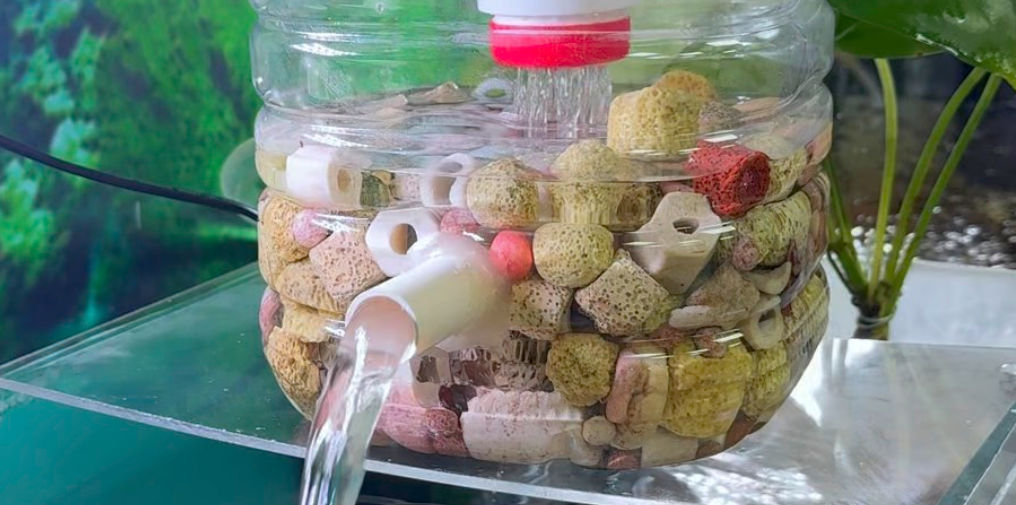
High Surface Area: I suggest using bio-Filter Media made from ceramic, sintered glass, plastic, or sponge. These provide surfaces for bacteria to grow.
Proper Water Flow and Oxygenation: Good flow and oxygen support bacterial health. They also boost waste processing.
Gradual Establishment: It takes several weeks for a healthy bacterial colony to develop. The cycle is complete when ammonia and nitrite drop to zero. Nitrates will appear. Then the system is stable.
Important Bio-Filtration Facts
Bio-filtration does not eliminate waste. It transforms toxic ammonia and nitrite into nitrate. Nitrate is a less toxic substance. You must remove nitrate. Do regular water changes. Or use live plants to absorb it. This prevents long-term problems. Disturbing the filter can disrupt bacteria. I recommend leaving the bio-filter undisturbed. This gives you the best results.
Summary Table: Key Bio-Filtration Points
|
Stage |
Bacteria Involved |
Conversion |
Result |
|---|---|---|---|
|
1. Ammonia -> Nitrite |
Nitrosomonas |
Ammonia to nitrite |
Harmful, must convert |
|
2. Nitrite -> Nitrate |
Nitrobacter |
Nitrite to nitrate |
Safer for fish |
|
3. Nitrate Removal |
Various (plants/denitrifiers) |
Nitrate out by water changes/plants |
Safe |
Bio-filtration transforms waste in aquarium water. It does not remove it. So I suggest doing regular maintenance. Use proper bio-media. This keeps your freshwater aquarium thriving.
Bio Sponge/Foam Filter Media: Efficiency and Application in Freshwater Aquariums
I recommend bio sponge or foam as filter media for freshwater tanks. It combines affordability, effective biological filtration, and easy maintenance.
Why Choose Sponge Filters for Freshwater Aquariums?
Large Bacterial Surface Area: Aquarium sponges have an open-pore structure. This provides a great habitat for beneficial nitrifying bacteria. Coarse foam sponges offer 300–400 m²/m³ of surface area. This promotes strong biofiltration. I suggest them for tanks with a high bioload or for small and sensitive species like shrimp and fry.
Effective in Small and Specialized Tanks: I like sponge filters for tanks up to 40 gallons. They work well in breeder tanks, hospital setups, and quarantine setups. They also suit aquariums with delicate or slow-moving livestock. They create gentle flow. This makes them safe for baby fish (fry) and shrimp. There’s no risk of them being sucked into the filter.
Dual Functionality: sponge filters are known for biological filtration. But they also provide mechanical filtration. They trap waste without blocking healthy water movement.
Key Features and Performance Data
-
Survival in Power Outages: Beneficial bacteria on sponge filters survive power interruptions better. The filter stays submerged in the tank’s oxygenated water.
-
Customizable Setup: You can stack sponges. You can connect them to powerheads for adjustable flow. You can also install them as pre-filter media on the intake tubes of other filters. This prevents clogging and protects small fish.
-
Ultra-Quiet Operation: Sponge filters run with little noise. You can reduce noise even more by using air stones or air collars to diffuse bubbles.
Cost-Effectiveness and Maintenance
-
Low-Cost Filtration Solution: Most sponge filters cost between $10 and $20. Based on my experience, they are among the most budget-friendly yet high-performing filter media.
-
Simple Cleaning Routine: Maintenance is easy. Just rinse the sponge in dechlorinated tank water. This cleans debris and preserves bacterial colonies.
-
Clogging Consideration: In tanks with many fish or with infrequent cleaning, sponges may clog faster than other media. This can reduce their efficiency. You’ll need to rinse them more often.
Typical Use Cases and Practical Insights
Breeding and Nursery Tanks: Breeders of guppies, bettas, and shrimp trust sponge filters. They provide reliable biological filtration and fry safety.
Quarantine and Hospital Tanks: I use them often because they’re easy to move mature filter media between tanks. This allows for rapid biofiltration in new setups.
Pre-Filter for Other filtration systems: A coarse sponge on a canister or HOB intake provides extra mechanical filtration. It helps bacteria colonize. It also prevents small fish from being sucked into the filter.
Technical Choices and Recommendations
Pore Size: Most aquarists use coarse sponges (10–30 PPI) to balance water flow and filtration. Fine sponges (over 40 PPI) are preferred for ultra-fine waste removal. But they may need pre-soaking to avoid floating.
Tank Size and Bio-load: A single or double sponge filter suits tanks up to 20 gallons. It can handle 10–30 small fish or several guppies. This depends on maintenance frequency and feeding rate.
Pros and Cons at a Glance
Benefits:
– Large surface for bacteria growth
– Provides both mechanical and biological filtration
– Gentle, safe flow for fry and shrimp
– Quiet and customizable operation
– Cost-effective and easy to clean
– Reliable even during power interruptions
Drawbacks:
– Clogs with heavy debris or too much waste. You’ll need to rinse them often.
– Not designed for chemical filtration. Won’t remove toxins like ammonia on its own.
– May be not enough as a sole filter in very large or tanks with many fish.
I value bio sponge/foam media for biological filtration in freshwater aquariums. It’s versatile, economical, and efficient. I recommend it for its safety, simplicity, and exceptional bacteria support.
Ceramic Rings: High-Performance Bio Filter Media for Freshwater Aquariums
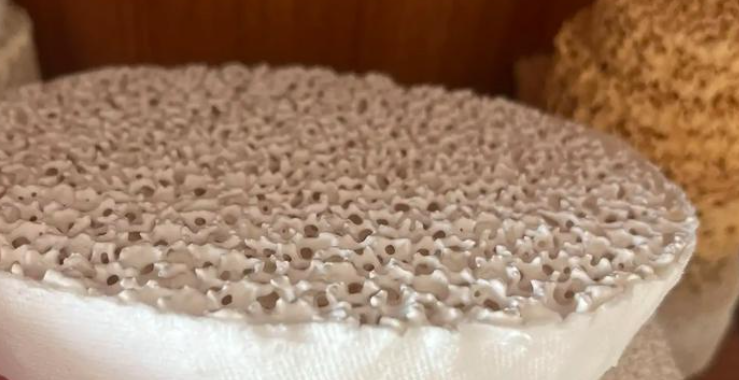
I recommend Ceramic rings as biological filter media for freshwater and saltwater aquariums. They work well because of their porous, unglazed ceramic structure. This design gives beneficial bacteria plenty of surface area to grow.
Why I Prefer Ceramic Rings for Bio-Filtration
Large Bacterial Surface Area: Ceramic rings have countless tiny pores and a central hole. This creates huge space for bacteria colonies. Here’s a real example: one Marinepure ceramic bio-sphere (1.5″ diameter) offers the same surface area as over 1,300 plastic bio balls. This makes them very effective for nitrifying bacteria like Nitrosomonas and Nitrobacter.
Better Water and Oxygen Flow: The ring shape and ladder-like inside structure let water flow smoothly around and through each ring. Oxygen reaches bacteria deep inside. This is vital for fast ammonia and nitrite conversion. I find this design superior to many other media types.
Durability, Cost, and Placement Options
Long-lasting Material: Ceramic rings last for years. But as they age, debris clogs the pores. Abrasion smooths the surfaces. This reduces space for bacteria. Replace them if cleaning doesn’t restore proper flow.
Flexible Format: You can buy them as rings, spheres, bricks, cubes, plates, or granules. I like that you can adapt their shape and size to any filter type. Canister, hang-on-back, or sump—they all work.
Cost-Efficiency: Initial cost ranges from $10 for small packs to $40+ for premium brands like Marinepure. Based on my experience, their multi-year lifespan makes them worth the investment.
Practical Application and Maintenance
Universal Use: I use ceramic rings in both freshwater and saltwater tanks. They fit in media bags for Eheim, Fluval, AquaClear, and most standard aquarium filters.
Maintenance Guidelines:
-
Rinse every month in aquarium water. Never use tap water. It will kill beneficial bacteria.
-
Do not over-clean. Gentle rinsing keeps bacteria alive. It also prevents clogging.
-
Replacement timing: I suggest changing rings once the surfaces become smooth or stay clogged after cleaning.
Speeding Up Cycling: I recommend using mature ceramic rings from a healthy tank. This jumpstarts the nitrogen cycle in a new aquarium. It works much faster than starting from scratch.
Ceramic Rings vs. Other Media
Compared to Bio Balls: Ceramic rings offer more total surface area. They support both ammonia and nitrite breakdown. Bio balls need less maintenance. But they focus more on nitrate reduction than initial filtration. I prefer ceramic rings for efficient ammonia and nitrite conversion.
Role in Filtration: Ceramic rings do not provide chemical filtration. They handle biological conversion only. You must still remove nitrates with water changes or live plants.
I strongly recommend ceramic rings for reliable, high-capacity biological filtration in freshwater tanks. They deliver stable water quality and keep your fish healthy.
Sintered Glass/Matrix Media: Advanced Bio Filter Media for Freshwater Aquariums
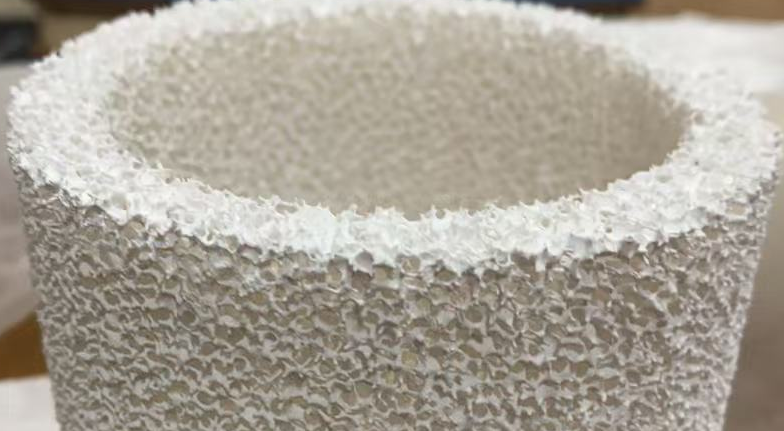
Sintered glass and matrix media—like Seachem Matrix and Eheim Substrat Pro—are premium biological filter materials. Makers promote their high porosity and ability to house both nitrifying and denitrifying bacteria. They are made from fused glass. This creates a wide network of internal pores. The result is a high total surface area. For example, Seachem Matrix claims over 700 m² per liter. This far exceeds the surface area of typical ceramic rings or foam.
How Sintered Glass & Matrix Media Perform in Real Tanks
Surface Area & Filtration Claims: Makers promote these media for both ammonia and nitrate control. The outer surfaces nurture nitrifying bacteria. These are important for ammonia and nitrite conversion. Deep internal pores are supposed to support denitrifying bacteria. These bacteria process nitrate into nitrogen gas.
Ammonia Removal (Test Data): Lab testing reveals a big gap between advertised and real-world effective area. Despite claims of over 200,000 ft²/ft³, real tank conditions show Matrix provides just 15–30 ft²/ft³. In side-by-side testing, Matrix processed waste from about 3 five-inch fish per 15 cubic inches. The same volume of static K1 media handled up to 20 fish. This makes Matrix about one-sixth as efficient as top plastic bio media. It’s also far less cost-effective. Based on my experience, I’ve seen similar results in home aquariums.
Real-World Nitrate Reduction
Denitrification Effectiveness: The promise of nitrate reduction is a major selling point. But for most freshwater aquarists, actual nitrate reduction takes 6–12 months to become noticeable. Reductions are often small—about 3–5 ppm at best. I find this timeline too long for most hobbyists who need faster results.
Practical Challenges: Achieving the low-oxygen conditions needed for denitrifying bacteria inside these media is difficult in regular filter setups. Nitrate removal is often inconsistent or minimal unless your system is designed for it. I recommend other methods if nitrate control is your main goal.
Cost, Cleaning, and Practical Maintenance
High Cost: Sintered glass and matrix media can cost up to 10 times more than foam or K1 plastic media. Despite the big investment, matured tanks seldom see a matching boost in function. I suggest spending your budget on media with better proven results.
Clogging and Cleaning: The fine pores that promise so much surface area also fill fast with bacterial biofilm and debris. This happens more in tanks with heavy stocking. Deep cleaning to restore flow is labor-intensive. It can disrupt bacterial colonies. This sometimes reduces the media’s biofiltration efficiency. I’ve spent hours trying to clean these media, and it’s frustrating.
Lifespan: Matrix is stable and durable. But the internal pores clog over time. Cleaning becomes less effective. You’ll need to replace them at some point.
Typical Products, Application, and Alternatives
-
Popular Brands: Seachem Matrix, Biohome, and Eheim Substrat Pro are the best-known sintered glass-based media.
-
Typical Dosage: For a 200-liter (50-gallon) tank, makers suggest 250 mL of Matrix for optimal effect. Testing shows minimal real-world improvement compared to less expensive foam or K1. I don’t think the cost is justified for most setups.
-
Compatible Filters: Matrix and similar media can be used in canister filters, sumps, or trickle/drip trays. Their practical efficiency depends much on flow and maintenance habits. If you don’t maintain them well, performance drops fast.
-
Alternatives: K1 and quality foam (30 PPI in particular) beat sintered glass for ammonia removal. They are easier to clean. They have much lower ownership costs. I prefer these options for most home aquariums.
Pros and Cons of Sintered Glass/Matrix Media
Pros:
– High theoretical surface area
– Supports both nitrifying and (claimed) denitrifying bacteria
– Durable in stable environments
Cons:
– High purchase cost with limited real-world ammonia processing benefit
– Clogs often and is difficult to maintain
– Minimal and slow nitrate reduction unless used in special setups
– Overkill for most freshwater tanks—the added media is often not needed
Lava Rock: Natural, Affordable Bio Filter Media – Pros, Cons, and Real-World Performance
I’ve used lava rock in my freshwater aquariums for years. It’s cheap and looks natural. Many people think it has great porosity. Aquarists like it because it works as both a filter and a place for fish to hide. But based on my experience and actual data, lava rock has clear limits compared to commercial bio media.
Key Features and Practical Use
Optimal Size: I recommend breaking lava rock down to ¼ to ½ inch pieces. Larger chunks from garden centers don’t work well. I suggest hammering larger rocks to get the right size. This gives bacteria more surface to grow on.
Surface Area Reality: Lava rock looks porous. But the surface area for good bacteria is limited. Many pores are too small. Others get blocked after bacteria multiply a few times. This cuts down filtration power.
Habitat Value: Lava rock creates natural hiding spots and cave structures for fish and invertebrates. I like this for aquascaping. It enriches the environment for animals.
Filtration Effectiveness and Scientific Findings
Ammonia Oxidation Data: Tests used 15 cubic inches of half-inch lava rock over 90 days. The results showed poor ammonia removal compared to commercial options. The limited surface area means bacteria can’t thrive.
No Denitrification: Some products claim lava rock removes nitrate. This is not true. Lava rock does not remove nitrate or support denitrification in aquariums. Studies over one year found no nitrate reduction.
Particle Shedding: Crushed lava releases fine particles. These can damage impeller-driven pumps. I always rinse lava rock well before use.
Maintenance, Clogging, and Water Chemistry
Clogs Fast: Pores fill with organic debris over time. This makes the media less effective and harder to clean. I find myself rinsing or replacing it often.
Mineral Leaching: Lava contains minerals like iron and magnesium. These increase water hardness. This can affect sensitive fish or fuel algae growth.
Weight and Handling: Lava rock is heavier than plastic media. Large amounts are hard to clean and manage during maintenance.
Cost, Availability, and Community Views
Affordable and Accessible: Lava rock is one of the cheapest options for biological filtration. You can find it at garden suppliers or aquarium shops.
Forum Insight: Most aquarists use lava rock for its price and natural look. But based on what I’ve seen, experienced fishkeepers and scientific tests show that ceramic rings, bio balls, or sintered glass work better. This is true for high-bioload tanks or space-limited setups.
Bio Balls: Plastic Filter Media for Biological Filtration in Freshwater Aquariums
Bio Balls are durable plastic spheres built with ridges and open spaces. They create more surface area for beneficial bacteria. These structures help the nitrification process. They break down toxic ammonia and nitrites into less harmful nitrates. This improves water quality in freshwater aquariums.
Key Features and Biological Performance
Surface Area & Efficiency:
Bio balls offer large surfaces for bacteria to colonize. But their effective surface area is lower than ceramic rings or specialized foam. I’ve seen comparison data show Marinepure ceramic bio-spheres (1.5″) provide as much bacterial surface as over 1,300 bio balls of standard size. In side-by-side tests, 15 cubic inches of bio balls removed ammonia at a slower rate. The same volume of ceramic or foam media worked faster.
Smart Design for Optimal Flow:
Bio balls work best in trickle filters. They have spaces or hollow centers that allow excellent water and air movement. This high oxygen environment keeps bacteria active and effective. In well-aerated trickle filter setups, bio balls outperform static, submerged media. But in submerged canister filters, their efficiency drops.
Practical Advantages:
-
User-friendly: Easy to add or swap in filter compartments. Bacteria grow fast on their surfaces.
-
Durable: Made from sturdy plastics. Bio balls last for many years. You can reuse them in new aquarium setups.
-
Versatile Usage: Used in both freshwater and saltwater aquariums. I recommend them most often for freshwater tanks and fish-only marine systems.
-
Easy Maintenance: Rinse them every 2–3 months to remove debris. This prevents clogging and loss of filtration capacity.
Performance Limitations and Considerations
Primary focus on Nitrification:
Bio balls support nitrifying bacteria. They do not foster the denitrifying bacteria that reduce nitrate levels. You must manage excess nitrate through regular water changes or live plants.
Lower Overall Filtration per Volume:
Based on my experience, here’s what I found:
-
Trickle filters with bio balls delivered about 25% of the biological ammonia removal efficiency of static submerged foam or ceramics (per cubic inch).
-
Ceramic rings and high-porosity foams offer much higher total bacterial surface. They provide over 100 times more per unit volume.
Caution as a “Nitrate Factory”:
If you don’t clean them, trapped debris inside bio balls can break down. This increases nitrate levels. People often misunderstand this as a problem with bio balls. It’s a maintenance issue.
Maintenance, Cost, and Usage
Cleaning: Detritus builds up among the ridges. I suggest regular rinsing in tank water. Avoid using tap water. It can kill the bacteria colonies.
Cost: Bio balls are affordable. They cost $10–$25 per bag (suitable for mid-sized aquariums). Their long usable life offsets the initial investment.
Quantity Guidelines: There’s no set “number of bio balls per gallon.” Match the amount to your filter’s capacity and the tank’s bioload.
Key Data and Practical Table
|
Feature |
Bio Balls |
Ceramic Rings |
Foam (30 PPI) |
|---|---|---|---|
|
Effective Surface Area |
Low/moderate |
High |
Highest |
|
Ammonia Removal (per 15in³) |
Lower than ceramics/foam |
High |
Highest |
|
Durability |
Years (very durable) |
Years, replace if clogged |
Years, simple to clean |
|
Best Use |
Trickle filters, sumps |
All filter types |
All filter types |
|
Maintenance |
Easy, regular rinsing needed |
Gentle rinsing, replace if clogged |
Simple rinsing |
After years of maintaining aquariums, I’ve learned that no single bio-filter media is perfect for every situation. I choose based on my tank’s specific needs, budget, and how much time I can dedicate to maintenance. Whether you prefer affordable sponge filters, high-capacity ceramic rings, or versatile bio balls, the secret to success lies in consistent care and understanding your aquarium’s unique bioload. That’s what truly keeps our fish thriving.