Looking for “ceramic air filters” in Australia? You’re not alone. But here’s the truth most buyers miss: real ceramic air filtration technology doesn’t exist in the consumer market here.
What you’ll find instead are modern HEPA purifiers. These outperform what traditional ceramic filters could ever do. Plus, there are specialized industrial ceramic solutions for commercial use.
This guide clears up the confusion. We reveal the 10 best air purification systems available in Australia that deliver top performance. You’ll learn the key difference between ceramic water filters and air filtration technology. And you’ll discover which filtration system fits your specific needs.
Battling bushfire smoke in Sydney? Managing allergies in Melbourne? Dealing with coastal humidity in Brisbane? We cover all scenarios.
By the end, you’ll know which air purifier deserves a spot in your home. You’ll also understand why the “ceramic air filter” you’re searching for might not be what you need.
10 Best Air Purifiers in Australia (HEPA-based)
HEPA filtration is the gold standard for home air purification across Australia. These machines capture 99.97% of particles down to 0.3 micrometres. That includes pollen, dust mites, pet dander, and bushfire smoke particles.
Here are the top HEPA purifiers available right now:
Premium Performance Models
Breville SmartAir Viral Protect Max leads the Australian market for large-room coverage. This model combines HEPA filtration with advanced sensors and smart automation. Perfect for open-plan living spaces common in modern Australian homes.
Dyson Purifier Cool TP07 gives you dual functionality. You get an H13 HEPA filter and bladeless fan design. It covers rooms up to 35 m². Noise levels stay between 40–62 dB. The display shows real-time air quality. App control lets you monitor from anywhere. This premium option costs around $899+.
Philips Series 2000i (AC2887/10 or AC2889) offers great value. H13 HEPA filtration covers spaces up to 79 m². Smart app connectivity and a full display make it perfect for tech users. Starting at $549+, it balances performance with price.
Large-Space Solutions
Levoit Large Home HEPA tackles bigger Australian homes with ease. The H13 HEPA filter and 400 m³/h CADR rating cover 83 m². The PM2.5 sensor triggers Auto mode once air quality drops. Alexa compatibility adds voice control.
Acerpure Pro UVC pushes coverage to 116 m². Great for large open-plan areas or small offices. HEPA filtration combines with UVC light technology for extra protection. High-end pricing reflects its commercial-grade power.
Philips 1000i Series (AC1715/70) cleans 20 m² in just 10 minutes. The 300 m³/h CADR makes this possible. The 3-layer NanoProtect system captures particles down to 0.003 µm. That’s ten times finer than standard HEPA specs. AeraSense technology scans air quality 1,000 times per second. App and voice assistant integration keep you in control. Covers up to 78 m².
All models feature activated carbon filters. These tackle odours from cooking, pet areas, and coastal salt air common in Australian homes.
What Are Ceramic Air Filters? (Technology Overview)
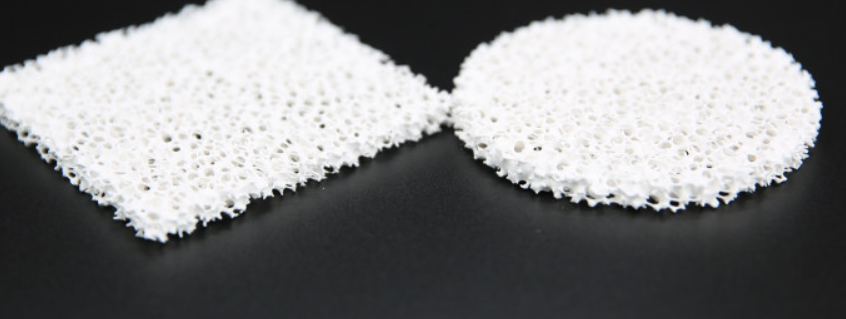
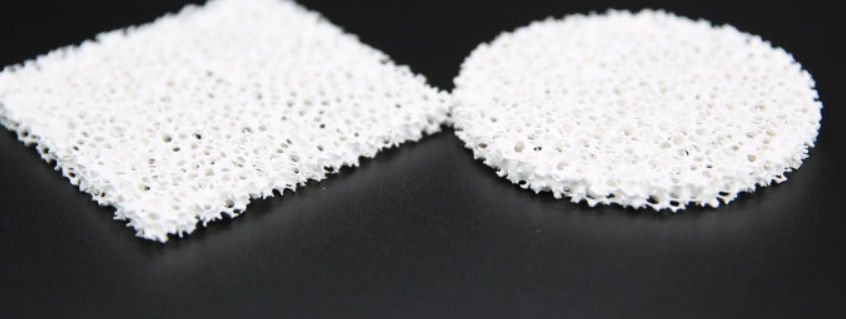
Ceramic air filters use porous ceramic materials. These include alumina, silica, or silicon carbide. They come shaped as candles, blocks, or woven sheets. The filters trap particles using a network of connected pores. This happens through depth and surface filtering.
Core filtration methods include inertial impact, interception, diffusion, and sieving. The ceramic’s porous structure makes this work. Advanced ceramic nonwoven media has porosity levels over 90%. Mean pore sizes sit around 8.0–8.8 µm. These ultra-thin layers (30–150 µm thick) deliver low pressure drop. Plus, they maintain high efficiency.
Industrial-Grade Performance Data
Ceramic catalyst filters (CCF) show strong single-pass results at 1 m/s airflow:
-
PM10 removal: 98% efficiency
-
PM2.5 capture: 97.7% efficiency
-
VOC decomposition: >82% under UV light activation
The standout feature? Water-washable regeneration. You can’t do this with disposable HEPA filters. Ceramic elements keep working through multiple cleaning cycles.
Flexible ceramic nonwovens reach E10 filter class (≥85% efficiency at 0.1–0.3 µm particles). High-temperature ceramic HEPA variants hit 99.97% efficiency at 0.3 µm. This matches traditional HEPA specs. They also survive temperatures up to 800–900°C.
Why You Won’t Find These in Australian Homes
Ceramic air filtration technology rules industrial applications. Think combustion systems, metal processing, chemical plants, and flue-gas treatment. These places need filters that handle extreme heat. They deal with corrosive gases and harsh chemicals. Homes never face these conditions.
Consumer air purifiers stick with polymer-based HEPA filters. Homes don’t need ceramic’s heat resistance or chemical strength. The trade-off works perfectly for household use.
Why Ceramic Air Filters Are Rare in Australian Consumer Market
Australia’s air filter market tells a clear story through numbers. The sector reached USD 281.48 million in 2025. Projections show growth to USD 405.75 million by 2030 at a 7.59% CAGR. But ceramic air filtration technology holds zero measurable share in the consumer segment.
Market reports on Australia’s air purification landscape list HEPA as the top technology. Ceramic doesn’t appear as a recognized product category. That absence tells you everything.
Industrial Design Meets Domestic Reality
Ceramic air filters work best where household units never go. These industrial-grade systems handle temperatures exceeding 900°C. They filter harsh flue gases from cement plants, steel mills, and power stations. Your living room air sits around 20–25°C. The performance gap makes ceramic technology pointless for homes.
Global ceramic air filter sales hit USD 800 million in 2023. Almost all went to industrial uses. About 25% of the total ceramic filter market focuses on air filtration for flue gas cleaning. The remaining 75% covers water filtration and specialized industrial processes. Australia’s market follows this same industrial-first pattern.
HEPA’s Regulatory Advantage
Australian product certifications and building standards focus on HEPA performance metrics. Consumers expect 99.97–99.999% particle capture ratings. Modern HEPA purifiers already trap particles down to 0.01 µm. This goes far beyond typical household needs. Adding ceramic technology offers no real benefit. Plus, it increases costs through high-temperature production.
The cost-benefit equation doesn’t favor ceramic consumer products. HEPA filters use affordable polymer materials. Ceramic elements need advanced production and premium raw materials. Australian buyers get better performance from proven HEPA technology at lower prices.
Industrial Ceramic Air Filtration Solutions in Australia
Australia’s industrial filtration market hit USD 696.4 million in 2024. Growth projections show USD 1,129.9 million by 2033 at a 5.5% CAGR. Industrial air filtration is the fastest-growing segment here.
The dedicated industrial air filtration market stands at USD 89.22 million (2024). Forecasts predict USD 136.38 million by 2033 with 4.8–5% CAGR. Australia’s mining, metallurgy, and energy sectors are driving this expansion.
High-Temperature Ceramic Filtration Systems
Glosfume G3 ceramic hot gas elements are top performers in extreme conditions. These rigid ceramic candles run non-stop at 900–1,000°C. Standard sizes measure 1,200–1,500 mm in length. The outer diameter is 50–60 mm.
You get up to 99.99% particulate removal efficiency. Clean pressure drop runs 1–2 kPa at design face velocity. Outlet dust levels hit <1–5 mg/Nm³. That’s well under strict state EPA stack limits.
Australian applications include:
-
Aluminium smelting facilities – filter fume, dust, and fluoride compounds from pot-line off-gas
-
Non-ferrous metal smelters (nickel, copper, zinc) – protect acid plants and heat-recovery boilers
-
Biomass and waste-to-energy plants – handle 800–900°C gas streams before turbines
-
Cement and lime kilns – work where bag filters can’t handle the heat
The key advantage? No gas cooling needed. Traditional bag filters need temperatures below 260°C. Ceramic elements work at 1,000°C. This keeps thermal efficiency high. Equipment size stays smaller too.
Foundry-Grade Ceramic Foam Filters
M-Kube alumina foam filters work in Australia’s foundry and casting operations. These handle molten aluminium and non-ferrous alloys at 680–780°C for aluminium. Steel applications go up to 1,450°C.
Standard specs include 10–60 PPI (pores per inch) ratings. Finer PPI grades work best for critical castings that need high cleanliness. Block dimensions are 40–50 mm thick. Square faces measure 50–150 mm for ladle and tundish use.
Inclusion removal efficiency ranges 60–90% for non-metallic particles above 20–30 micrometres. This keeps final casting quality high in automotive, aerospace, and precision manufacturing across Australia.
Top 10 HEPA Air Purifiers as Consumer Alternatives
True HEPA filtration dominates Australia’s consumer air purifier market. These systems deliver measurable results without industrial complexity. Performance data shows particle capture rates of 99.97% at 0.3 micrometres. That’s what Australian households need for pollen, bushfire smoke, and everyday indoor air quality challenges.
The models below represent the highest-performing HEPA purifiers available through Australian retailers right now. Each unit has been tested for real-world coverage, CADR ratings, and long-term operating costs.
Premium Performance Leaders
Dyson BP06 HEPA Big+Quiet Formaldehyde pushes HEPA technology into new territory. This large-room specialist combines H13 HEPA filtration with catalytic formaldehyde destruction. The system operates at just two fan speeds. Coverage reaches substantial spaces without the noise levels typical of high-performance units. Ideal for open-plan Australian homes where quiet operation matters as much as cleaning power.
IQAir HealthPro Plus brings medical-grade filtration to residential use. Coverage extends to 406 sq ft (37.7 m²). The HyperHEPA filter system captures particles down to 0.003 micrometres. That’s 100 times smaller than standard HEPA specs. Swiss engineering delivers hospital-level air quality for homes with severe allergies or respiratory conditions. Premium pricing reflects this professional-grade performance.
Philips PureProtect 3200 (AC3220-10) stands out with exceptional room coverage. The system handles 130 m² spaces well. Filter longevity hits 5 years with normal use. That’s industry-leading durability that cuts long-term operating costs. Customer ratings sit at 4.7/5 stars across 116 verified reviews. Australian buyers appreciate the balance between upfront investment and multi-year filter life.
Dyson BP03 targets specific chemical pollutants HEPA alone can’t handle. Formaldehyde destruction happens through catalytic oxidation. Coverage reaches 100 m² for whole-home protection. User ratings average 4.5/5 stars from 96 reviews. The technology matters most for new-build homes. VOC off-gassing from furniture and building materials peaks during the first two years.
Best-In-Class Performance Specialists
Coway Airmega ProX earned top rankings from Consumer Reports for medium-to-large room performance. HEPA filtration meets Coway’s reputation for reliability. Coverage handles Australian master bedrooms and open living areas well. The unit balances power with energy efficiency better than most competitors in this size class.
Blueair Blue Pure 211+ and 211i Max both achieved Consumer Reports’ highest ratings for large-room purification. HEPASilent technology combines mechanical and electrostatic filtration. This hybrid approach matches HEPA performance while reducing energy use. High CADR ratings mean faster room air changes. The 211+ runs without smart features. The 211i Max adds app connectivity for tech users.
NuWave OxyPure brings commercial-grade durability to home use. HEPA and carbon filtration handle particles and odours at the same time. Very high CADR ratings deliver rapid air cleaning. The standout feature? 20-year parts warranty. That’s unmatched longevity backing in Australia’s consumer purifier market. Particle sensors provide real-time feedback. Large-space coverage makes this ideal for family homes.
Selection Guide: Choosing the Right Air Purifier for Australian Conditions
Australian homes face unique air quality challenges. You need the right purifier for your specific needs. Room size, local climate, and filter standards determine which system works versus which just looks good in ads.
Step-by-Step Selection Process
Step 1: Measure your room in square metres. Pick CADR for 2–3 air changes per hour based on room volume.
Step 2: Verify AS1324 NATA or ISO 29463 H13 certification. Check sealing specs for leak-free operation.
Step 3: Confirm bushfire dust testing covers PM1–130 μm range. System must keep ≥20 Pa pressure with ≤25 μg/m³ PM2.5 levels.
Step 4: Calculate 5-year filter costs with breakthrough replacement schedules. Factor prefilter systems for 2–3x longer life.
Step 5: Verify airflow beats 43 m³/hr with 96% efficiency minimum.
Performance Benchmarks Reference
|
Category |
Metric |
Australian Standard |
|---|---|---|
|
Filtration |
PM0.3 μm efficiency |
≥99.95% H13 |
|
Cabin Pressure |
Minimum pressure |
20–200 Pa |
|
PM Limit |
Particulate matter |
≤25 μg/m³, decay ≤120s |
|
Airflow |
Fresh air requirement |
>43 m³/hr |
|
Dust Range |
Tested particles |
PM1–PM10, up to 130 μm |
Filter Technology Comparison
H13 versus lower grades: True H13 catches 130 μm heavy particles without fiber shedding. Bad seals let dirty air bypass the filter. Always check edge sealing quality before you buy.
Prefilter advantages: Multi-stage F5/F8 + H13 systems cut energy use 10–20% across 5-year ownership. Main HEPA lasts 2–3 times longer versus single-stage units. Initial costs balance against savings within 18–24 months of typical Australian use.
Ceramic Water Filters vs Air Filters
The term “ceramic filter” confuses shoppers across Australian online stores and search results. Water treatment products use ceramic materials. Air cleaners use them too. This shared name messes up search engines and shopping sites.
Water filtration uses ceramic in filters for drinking water and showers. Tiny pores in ceramic candles or cartridges trap bacteria and protozoa. They physically block these organisms based on size. Pore sizes run 0.2–0.5 micrometres. These systems clean liquid water. They keep good minerals like calcium and magnesium. Bad microorganisms get blocked.
Air purification uses ceramic in industrial filters and catalyst systems built for high heat. These catch airborne particles (PM10, PM2.5) and organic compounds. Ceramic catalyst filters have wall-flow designs with special channel coatings. Some layers break down VOCs under UV light. Other types work as HEPA alternatives in hot combustion areas.
Australian stores group both types under “home health” or “wellness” sections. Market reports label “Residential Ceramic Filters” to cover both water and air products. Online shops sort by material instead of what medium they filter. This overlap explains why “ceramic air filters” searches show shower filters next to air cleaners.
These technologies do different jobs despite using similar materials. Water filters have ceramic cylinders you can scrub clean. This restores water flow. Air filters use multi-stage porous designs built to catch particles and break down chemicals. Know this difference so you buy the right system for your needs.
Ceramic Water Filter vs Ceramic Foundry Filters
Ceramic materials do two different jobs. One cleans drinking water. The other filters molten metal. Knowing the difference helps you find the right filter.
Application and Operating Environment
Ceramic water filters (CWF) clean drinking water right where you use it. They run on gravity or low pressure around 0–20 kPa. Temperatures stay between 10–40°C. This keeps things simple. No electricity needed. Pour water in. Gravity does the rest.
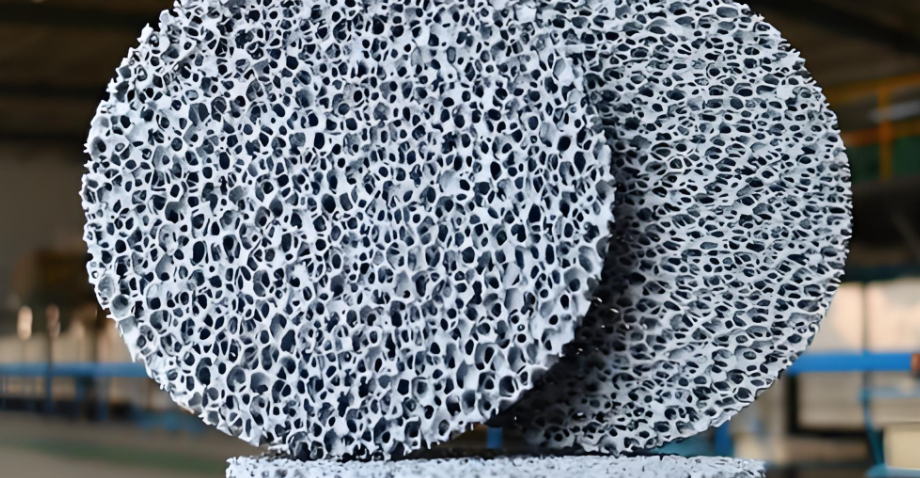
Ceramic foundry filters (CFF) work with molten metal. They filter steel, iron, and aluminium during casting. These filters sit inside molds. Temperatures reach 1,550–1,650°C for steel. They handle extreme heat shock. They also resist pressure from flowing liquid metal.
Material Composition Differences
Water filter ceramics mix clay with burnable materials. Think sawdust or rice husk. Better versions add special compounds:
– Hydroxyapatite and bone particles – grab fluoride at 14.2 mg/g and 20.4 mg/g
– Iron oxide-biochar mixes – pull out fluoride using static charge and ion swap
Foundry filters use zirconia-based ceramic foam (ZrO₂) for steel work. Makers coat polymer foam with ceramic paste. Then they bake it into solid porous blocks.
Structure and Flow Characteristics
CWF pore design lets water flow by gravity through bigger pores. Flux rates reach 289 L/m²/h at 13.8 kPa. Flow rates around 39 mL/h work well for home drinking water. You’ll find them as pots, discs, and tubes.
CFF foam design uses pores per inch (PPI) ratings. This controls how fast molten metal flows. It also catches unwanted bits during casting. The open-cell foam slows down metal speed. At the same time, it traps dirt particles.
Performance Metrics
Water filters remove many bad things:
– Turbidity drops: from 13 NTU to 0.45 NTU
– TDS drops: from 1,245 mg/L to 360–530 mg/L
– Fluoride drops: from 3.4 mg/L to 0.053 mg/L (far below WHO’s 1.5 mg/L limit)
– Hardness drops: biochar-boosted filters hit 42.5% vs standard ceramic’s 14.8%
Foundry filters do one job. They remove unwanted bits from molten metal. This stops defects in final products. But they don’t clean drinking water.
Conclusion
Searching for ceramic air filters in Australia feels like looking for a needle in a haystack. This guide has cleared up an important market reality: ceramic air filtration systems are industrial solutions. You won’t find them as consumer products.
Australian households want better air quality. HEPA-based purifiers offer proven, accessible options. They tackle our unique challenges—bushfire smoke and coastal allergens.
The 10 best ceramic air filters in Australia aren’t ceramic purifiers at all. They’re advanced HEPA systems delivering hospital-grade filtration you can trust. Our selection criteria cover room size, CADR ratings, and Australian-specific features. You now have what you need to make an informed decision. Match it to your home’s needs and budget.
Ready to breathe cleaner air? Review our top-rated HEPA purifiers above. Compare features against your specific needs. Invest in the air quality solution that Australian families use and recommend. Your lungs—and your family—will thank you.