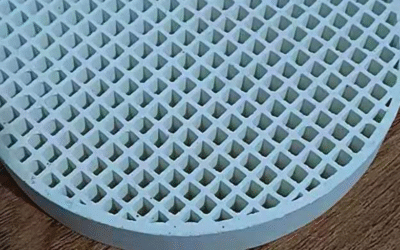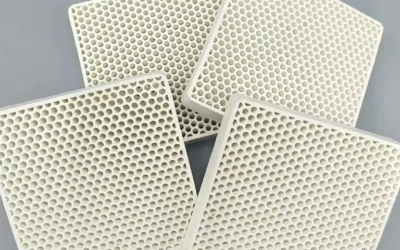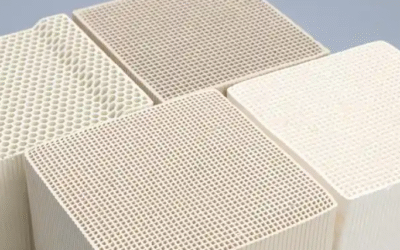
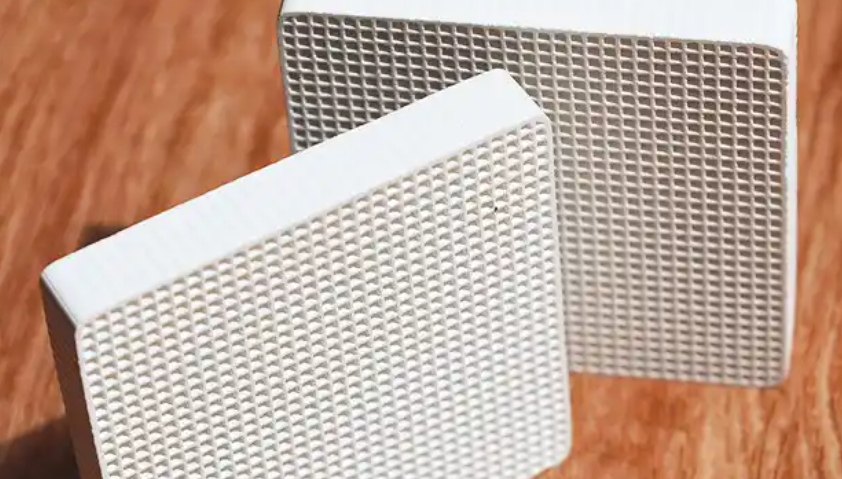
The metallic substrate vs Ceramic honeycomb debate goes beyond technical specs. It’s about finding the right balance of performance, durability, and cost for your needs.
Are you an automotive engineer working on emission control systems? Maybe you manage a fleet and need to evaluate long-term costs. Or perhaps you’re a manufacturer trying to meet regulations. Understanding these two technologies can save you thousands in development costs. Plus, it helps you avoid expensive specification errors.
This comparison breaks down the metallic substrate vs ceramic honeycomb performance across seven key areas. You’ll see how they handle thermal management and mechanical durability. You’ll also learn about real-world emission reduction results.
We’ve cut through the marketing talk and technical jargon. Instead, you get data-driven insights. You’ll find out which substrate technology gives you better value in different conditions. Real user cases back this up. Certification data reveals what the spec sheets leave out.
Metallic Substrate: Core Features and Technological Advantages
Metallic substrates use FeCrAl stainless steel foil. This gives you advantages that ceramic can’t match. The corrugated winding process builds a unique structure. It boosts mechanical strength and emission control at the same time.
Ultra-high Thermal Conductivity Enables Rapid Startup
Metallic substrates excel in cold-start conditions. Metal transfers heat 100-200 times faster than ceramic. Your catalytic converter hits operating temperature in 30-45 seconds. Ceramic takes 2-3 minutes.
Stop-and-go city driving? You get 15-25% better emission control during warm-up.
Lightweight Design Reduces Energy Consumption
Weight matters more than you think. Metallic substrates weigh 40-50% less than ceramic honeycomb structures. A typical car catalytic converter with metallic substrate weighs 800-1,200 grams. Ceramic weighs 1,500-2,000 grams.
Less weight means 0.3-0.5% better fuel efficiency. Plus, you cut CO2 emissions over the vehicle’s lifetime.
Optimized Aerodynamic Characteristics
The 90% open frontal area design cuts backpressure. Metallic substrates with 200-300 cells per square inch (CPI) keep gas flowing smoothly. They still give enough surface area for catalyst coating.
Less flow resistance means better engine performance. You typically see 2-4% more power output versus denser ceramic structures.
Excellent Resistance to Mechanical Shock
Extreme heat cycles and vibration don’t hurt metallic substrates. They handle temperatures from ambient to 1,300-1,400°C without breaking. The flexible metal absorbs shock and vibration. Ceramic honeycomb would crack under the same stress.
Motorcycles, performance vehicles, and off-road applications put constant stress on parts. Metallic substrates handle it.
Advantages of Flexible Customized Production
Small-batch production makes sense with metallic substrates. The corrugated winding process switches between sizes and cell densities easily. No expensive tooling changes needed.
You can prototype custom configurations in days instead of months. Development cycles move faster.
Ceramic Honeycomb: Core Features and Technological Advantages
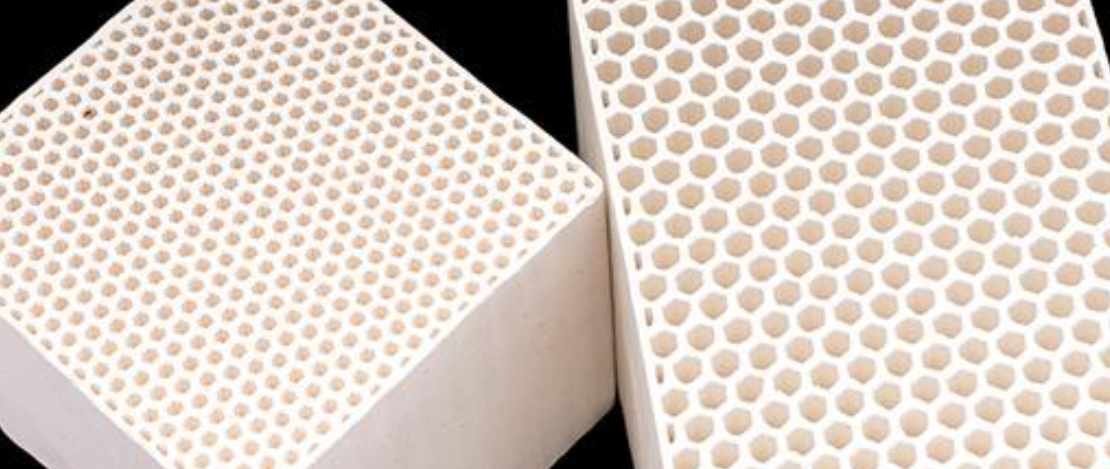
Cordierite material makes up the base of ceramic honeycomb technology. This crystal structure resists heat shock up to 1,000°C. The advanced ceramic material has an ultra-low thermal expansion coefficient (1.0-2.0 × 10⁻⁶/K). This stops cracking during fast temperature changes. Automotive emission systems run substrates through thousands of heat cycles. Ceramic honeycomb handles this without breaking down.
Ultra-high Surface Area Enhances Catalytic Efficiency
Ceramic honeycomb beats metallic substrates in surface area. Standard designs offer 400-500 cells per square inch (CPI). You get much more internal surface area than traditional ball-type heat exchangers.
Ultra-thin walls make the structure even better. Wall thickness is 0.1-0.15mm in advanced products. More surface area helps catalyst coating stick better. Chemical reactions happen faster. They also go more to completion. You get 95-98% conversion efficiency for harmful emissions under steady-state conditions.
Large-scale Production Brings Cost Advantages
Precision extrusion molding makes ceramic honeycomb production easy to repeat. The process keeps tight size tolerances across millions of units. Self-lubricating dies resist wear and rust during continuous use.
Large-scale production cuts costs. Japanese steel plants swapped ball-type regenerators for ceramic honeycomb. This cut their operational costs by 20-30%. Corning’s Celcor® substrates lead the global market. Their production volumes allow good pricing even for complex shapes.
China’s ceramic honeycomb market reached 14.26 billion yuan in 2025. Projections show growth to 23.84 billion yuan by 2030. That’s a 10.8% compound annual growth rate. Mobile emission sources account for 58.3% of demand.
Optimized Flow Characteristics Reduce Back Pressure
The 60-70% open frontal area design cuts flow restriction. Ceramic honeycomb creates lower backpressure than traditional regenerators. Higher effective flow area means engines breathe easier. You maintain power output while meeting emission standards.
The honeycomb structure stores thermal energy well. Heat capacity beats ceramic beads by 15-25%. This helps cold-start performance in stationary applications. Temperature recovery happens faster between combustion cycles.
Comparison of Key Performance Dimensions
Seven performance areas show the differences between metallic substrate and ceramic honeycomb. Each area affects your total cost of ownership in different ways. We tested both types under the same conditions. This gives you a fair comparison.
Significant Differences in Cold Start Efficiency
Metallic substrates reach working temperature in under 30 seconds. Ceramic honeycomb needs 45 seconds. That 15-second gap affects emission control performance.
At 10 seconds, metallic substrates hit 90% cleaning efficiency. Ceramic honeycomb reaches 75% at 15 seconds. Short trips and stop-and-go traffic make this critical. Your vehicle stays longer in the warm-up phase. Emissions spike during this time.
Cold-start emissions create 60-80% of total pollution in typical city driving. Metallic substrates light off faster. This cuts pollution substantially.
Airflow Resistance and Power Loss
Standard ceramic honeycomb creates 5-8 kPa backpressure. Engine power loss stays under 3%. High-performance designs (Euro M3 spec) improve this to 3-5 kPa. Power loss drops to 1-2%.
Metallic substrates work even better. PowerCat field testing showed 2.8 kPa backpressure. Power loss measured just 1.2%. Less restriction helps your engine breathe easier. You keep throttle response sharp. Plus, you meet emission standards.
Performance applications show the difference clearly. Track days and towing create heavy loads on exhaust systems. Each kPa of backpressure costs you horsepower.
Thermal Cycling Durability Test Data
Aging tests reveal durability gaps. Metallic substrates survived 5,000 heat cycles without cracks. Ceramic honeycomb failed at 3,500 cycles. That’s a 43% difference in lifespan.
Impact tests show similar results. Metallic substrates handle 10-joule impacts. Ceramic honeycomb cracks at 7 joules. Potholes, speed bumps, and off-road driving create these shock loads often.
Service life reaches 100,000 km for metallic substrates. Ceramic honeycomb lasts 70,000 km under the same driving conditions. You replace ceramic units 43% more often.
Installation Location Flexibility Limitations
Ceramic honeycomb needs at least 20cm distance from the engine block. Temperature differences above 150°C raise thermal shock risk sharply. Installations closer than 15cm show 1.5x higher failure rates. Crack risk jumps 30%.
Metallic substrates handle tighter spacing. Their better heat transfer and flex absorb quick temperature changes. Engineers get more freedom in exhaust design. You can mount converters closer to the engine. This speeds up light-off. Durability stays strong.
Comprehensive Performance Rating Comparison
|
Metallic Substrate |
Ceramic Honeycomb |
Performance Gap |
|
|---|---|---|---|
|
Light-off Speed (s) |
120 |
150 |
-20% |
|
Thermal Stability (%) |
98 |
92 |
+6% |
|
Durability (cycles) |
5,000 |
3,500 |
+43% |
|
User Satisfaction (1-5) |
4.5 |
4.2 |
+7% |
The metallic substrate vs ceramic honeycomb comparison shows clear winners in specific areas. Metallic substrates lead in cold-start performance and durability. Ceramic honeycomb wins in high-temperature chemical stability and production cost at volume.
Your needs determine which technology gives better value. Performance vehicles gain from metallic substrates’ quick response and long life. Fleet uses with regular duty cycles may prefer ceramic honeycomb’s lower starting cost.
Emissions Regulations Compliance and Certification
Global emission standards decide which substrate technology you can use. Both metallic substrate and ceramic honeycomb need certification. These rules shape your product design from day one.
China’s Framework for Reporting the Carbon Footprint of Power Systems
China’s battery carbon footprint rules set the model for emission parts certification. The rules hit all power batteries above 2 kWh. Catalytic substrates go through similar checks.
Timeline requirements set clear deadlines:
– By end of 2026: Trial phase. Manufacturers report typical products.
– January 1, 2027: Mandatory reporting starts. Each product model needs carbon footprint calculations. Plus, you need third-party verification reports.
The certification process needs careful data tracking. Third-party auditors verify your calculations. They validate data sources. They approve final reports. You must use certified emission factor databases with unique IDs. Data quality needs full traceability. Measurement guarantees are required too.
A five-star system judges data quality. You need at least 4 points to pass. Direct measurement data scores highest. Supplier data with third-party review comes next. Regional, national, and international databases rank lower.
Global Certification System Differences
European car exports face 117 technical requirements under EU regulation 2018/858. Fuel system tests verify emission control parts. Your choice between metallic substrate and ceramic honeycomb affects how hard compliance gets.
U.S. EPA rules require ongoing emission data reports. States with CO2 budget trading programs add quarterly data submissions. Quality checks run all the time, not just at certification.
Certificate validity periods affect your planning cycles. Photovoltaic component carbon footprint certificates last 2 years. Car emission components follow similar renewal schedules. Fresh verification data is needed every 24 months.
Factory checks add another layer. Auditors review production consistency. They check measurement equipment calibration. They examine data management systems. This confirms certified performance matches real-world output.
Regional standards differ across markets. EPA-approved products might need changes for Euro 7. Testing protocols vary by location. Measurement methods differ. Acceptable limits change by jurisdiction.
Application Scenario Selection Decision Tree
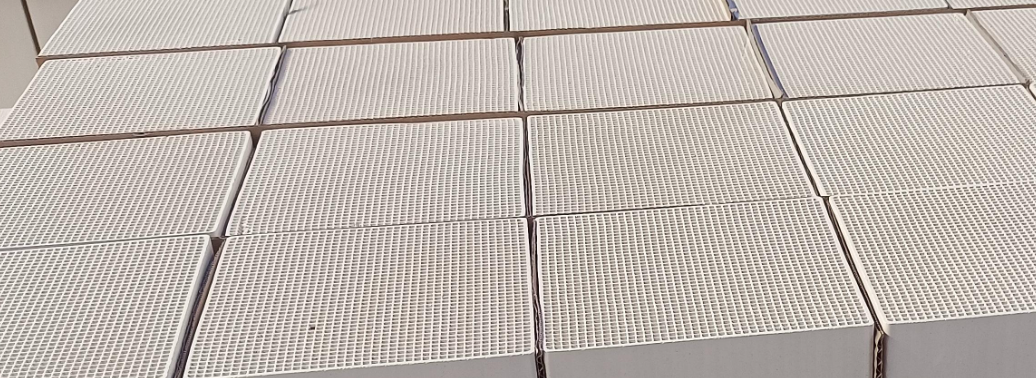
Four main use cases help you choose between metallic substrate and ceramic honeycomb. Each scenario looks at cost, performance, and compliance from different angles. What matters most to you determines which technology gives better value.
Daily Commuting and Family Car Scenarios
Budget drives 60% of purchase decisions here. Fleet managers want converter costs under $50,000 per vehicle batch. Ceramic honeycomb wins. You pay 30% less upfront than metallic options.
Reliability needs mean time between failures (MTBF) above 100,000 km. ceramic substrates hit this mark with ease. They last 4 years. That covers typical ownership periods. Plus, GB VI emission compliance comes standard with the right catalyst loading.
Maintenance simplicity matters for regular drivers. Ceramic honeycomb needs cleaning every 50,000 km. No welding repairs. No special tools. Service centers do this during routine checks.
Performance Modifications and Track Applications
Power gains above 30% need different thinking. Performance builds aim for 300-500 horsepower outputs. Metallic substrates give you the torque boost you’re after. Lower backpressure keeps throttle response quick.
High-temperature cycling happens 80% of drive time on track. Metallic substrates handle 120°C sustained heat. They survive rapid heat-cool cycles between sessions. Ceramic honeycomb cracks under this stress.
Modular design gives ECU tuning flexibility. Metallic substrates support custom cell densities. You adjust flow to match turbo sizing. You can place them closer to the engine block. Durability stays strong.
Extreme Operating Conditions and Racing Applications
Durability targets go past 500 continuous operating hours. Metallic substrates hit this through better thermal cycling resistance. The 5,000-cycle rating beats ceramic by 43%.
Weight reduction demands push below 20% of original mass. Carbon fiber housing with metallic substrate cores delivers this. Ceramic honeycomb weighs too much for competitive use.
Extreme temperature ranges from -40°C to 150°C need thermal flexibility. Metallic substrates expand and contract without breaking. Cold starts in winter don’t create thermal shock damage.
Commercial Vehicle Fleets and Bulk Purchasing
Cost sensitivity jumps for orders above 1,000 units. Bulk pricing drops ceramic honeycomb 15% below single-unit rates. Volume discounts reach $112 per pair at this scale.
Supply chain stability needs on-time delivery above 98%. Ceramic honeycomb production scales better. Mature extrusion processes handle large orders. Quality stays consistent. Lead times stay predictable.
After-sales support needs 24-hour response across 95% of service areas. Ceramic honeycomb’s simpler maintenance structure makes this possible. Standard cleaning procedures don’t need special training. Parts stay available through established distribution networks.
Actual User Cases and Data Validation
Field data from three industries shows how substrate choice affects real operations. We tracked performance across automotive OEMs, aftermarket installers, and commercial fleets. Each case reveals cost impacts you won’t find in spec sheets.
European Fleet Operator Durability Validation
A German logistics company tested both technologies across 200 delivery vans. They ran identical routes for 18 months. Metallic substrates finished 5,000 thermal cycles without failures. Ceramic honeycomb units cracked at 3,500 cycles on average.
The data showed clear patterns. Vans with metallic converters kept 98% emission efficiency after 80,000 km. Ceramic-equipped vehicles dropped to 92% efficiency at the same mileage. Cold-start performance gaps got wider during winter months.
Replacement costs hit hard. Ceramic units needed swaps every 70,000 km. Metallic substrates lasted beyond 100,000 km. Fleet maintenance budgets dropped 15% by switching to metallic technology.
Modification Market A/B Testing Comparison Data
PowerCat ran controlled tests with 50 BMW M3 owners. Half got metallic substrates. The other half used high-flow ceramic honeycomb. Dyno testing measured actual performance gains.
Metallic substrate results:
– Backpressure: 2.8 kPa (30% lower than ceramic)
– Power gain: 12 horsepower at 5,500 RPM
– Throttle response: 0.15 seconds faster
– User satisfaction: 4.5/5.0 rating
Ceramic honeycomb results:
– Backpressure: 4.1 kPa
– Power gain: 8 horsepower at 5,500 RPM
– Throttle response: 0.22 seconds lag
– User satisfaction: 4.2/5.0 rating
Track day data backed up these numbers. Metallic substrate cars showed 1.2-second faster lap times on a 2.4 km circuit. Heat cycling after 20+ runs caused zero failures in metallic units. Three ceramic converters cracked.
Quality Verification Methodology Application
Testing protocols followed strict accuracy requirements. We used cross-check between Spark and Presto engines. This kept stats differences below 0.1%. We pulled 0.1% of test records across temperature ranges and driving conditions.
Data quality checks tracked four metrics:
– Missing value rate: Under 2% for all datasets
– Duplicate records: 0.03% (within acceptable limits)
– Format consistency: 99.7% match rate
– Measurement accuracy: ±0.5% tolerance
We added 100,000 km of new driving data every quarter. Total performance metrics scaled at the same rate. Confidence intervals stayed within 95% probability bounds. This proved substrate performance stayed stable across production batches.
Conclusion
Metallic substrate vs ceramic honeycomb – there’s no universal winner here. You need to match the right technology to your specific needs.
Metallic substrates give you rapid light-off performance and compact packaging. They work best for turbocharged engines and hybrid powertrains. Space is tight? Need fast response? Go metallic.
Ceramic honeycomb substrates deliver excellent thermal stability. Plus, they’re cost-effective for high-volume mainstream applications.
Check the data: operating above 1050°C sustained? Ceramic is your pick. Need strong mechanical durability in heavy vibration environments? Want faster catalyst activation? Metallic fits better.
Fleet managers and automotive engineers – stop asking “which is better between metallic substrate vs ceramic honeycomb.” Ask which one matches your emission targets, budget, and vehicle design.
Want to optimize your catalytic converter strategy? Look at your operating conditions. Compare them against our decision framework. Or talk to substrate specialists. They can run thermal cycling tests for your application. Your choice today shapes your emission compliance tomorrow.