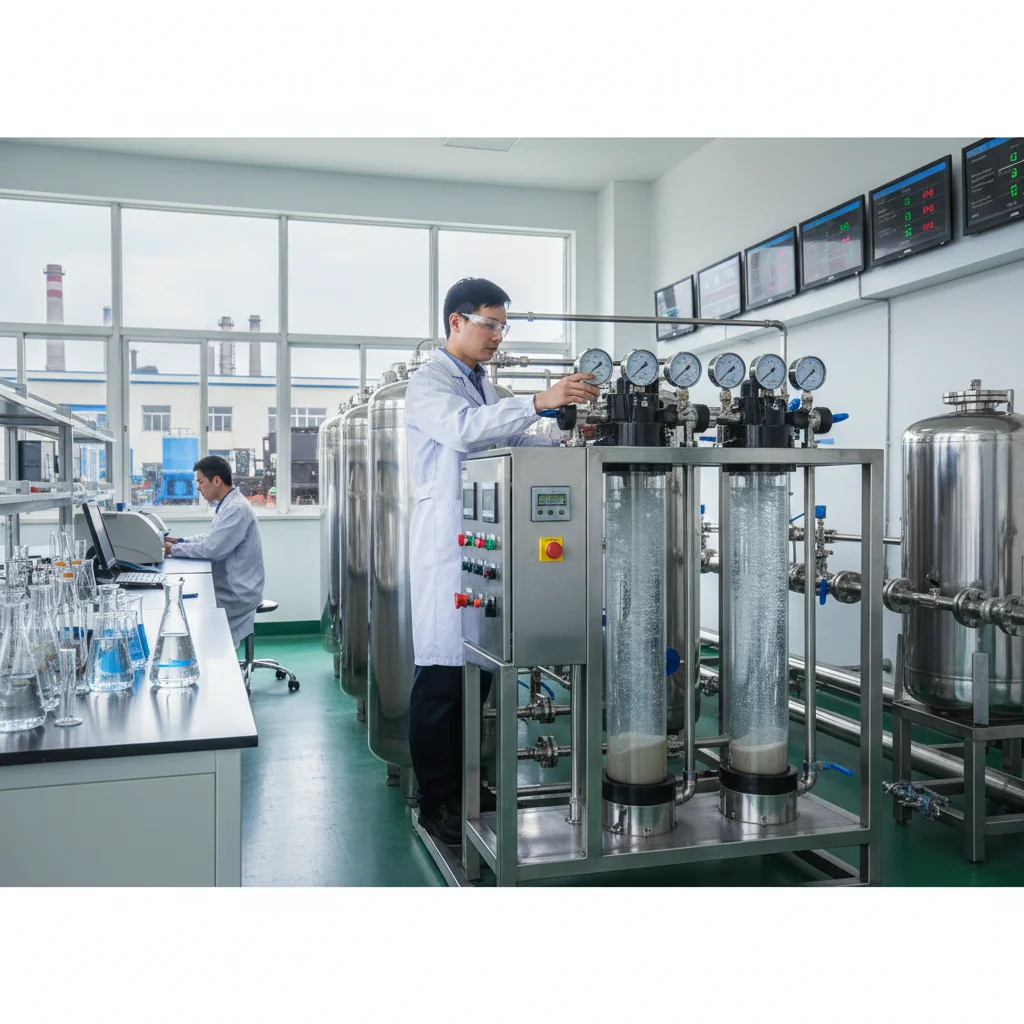
Finding the right industrial sand filter maker in China? It’s tough. The options are huge, and your production line needs equipment now.
Maybe you’re scaling up water treatment. Or upgrading filters for petrochemical work. Or hunting for gear that balances quality with good pricing. Either way, the stakes are high.
China’s manufacturing scene gives you real opportunities. But you need to know which suppliers deliver on specs, support, and reliability.
We’ve done the homework. Here are the top 10 industrial sand filter manufacturers in China that meet global standards. Some are giants working with Fortune 500 clients. Others are specialists pushing filtration tech forward.
You’ll learn what makes each one different. Their strengths. And the key factors that turn a purchase into a smart investment instead of an expensive mistake.
Taizhou BODAO Mechanical & Electrical Co., Ltd
Taizhou BODAO runs a 30,000 m² facility in Zhejiang Province’s Binhai Industrial Area. They moved there in 2018 from their original 1999 location. The new space gave them more room and better capabilities.
The company has three main business units: pressure washers, oil-free air compressors, and industrial hose reels. Five workshops handle the work. They cover motor assembly, metal processing, pressure tank building, spraying, and injection molding. The operation sits on more than 20,000 m² of land.
They export to 60+ countries. You’ll see their equipment in global trade databases. They also show up at exhibitions like PTC Asia. There, they display power transmission tech next to major industrial brands.
Here’s what matters most: BODAO makes high-pressure cleaning systems and oil-free compressor technology. These aren’t Sand filters, true. But their mechanical and electrical skills carry over. They build pressure vessels. They know fluid dynamics. Their equipment handles industrial water treatment parts.
Contact details: No. 2888, Haichang Road, Taizhou Bay New District, Taizhou City, Zhejiang Province. Email: bogao@bogao.net.
Note: We don’t have specific sand filter models, capacity ratings, or filtration case studies in current documentation.
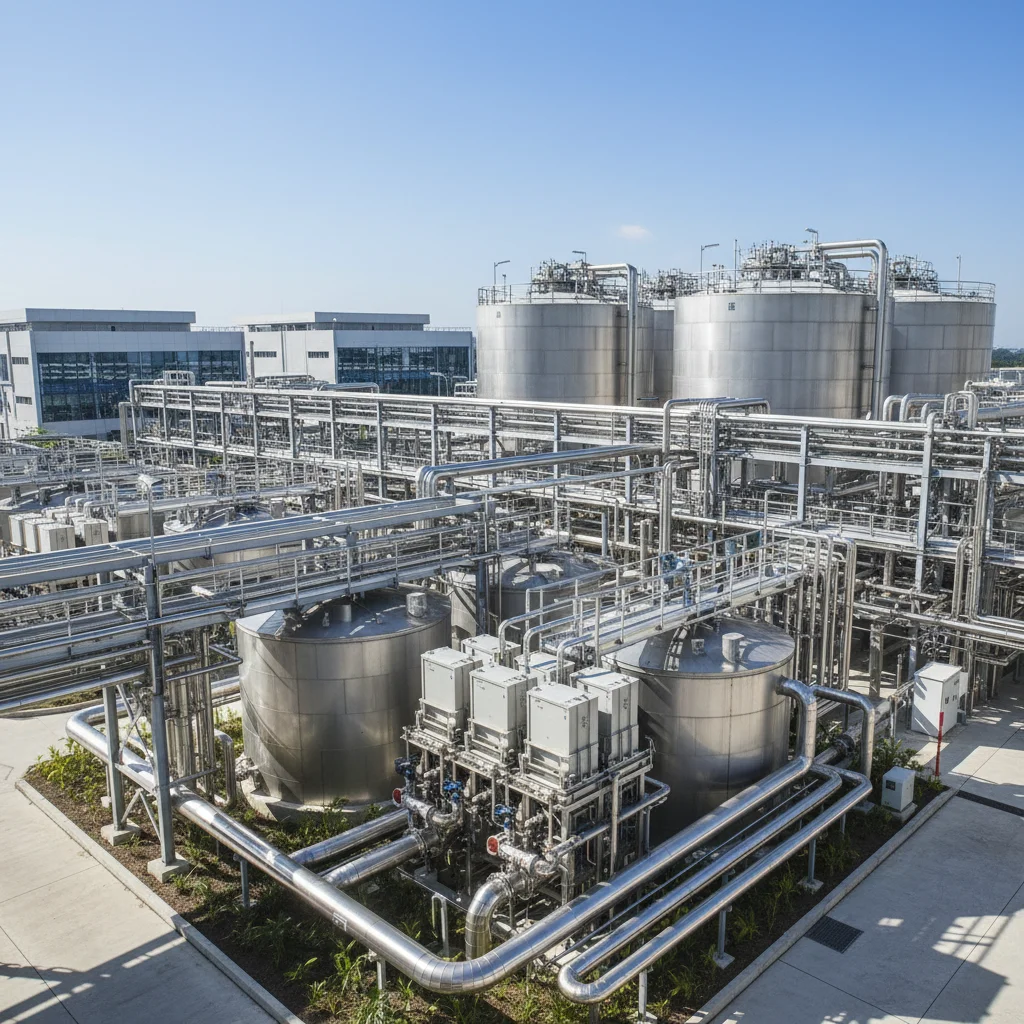
Shanghai KUOSHENG Environmental Protection Equipment Co., Ltd
Shanghai GL Environmental Technology has 16 years in water treatment. They run four brands: HAOSH, AOBL, Apure, and KUOSI. The KUOSI line handles wastewater treatment systems only.
The company offers 45+ product types. Their client list shows 3,000+ installations worldwide. You’ll see their gear in city water plants, metal plating shops, mines, and breweries.
Core product range includes:
-
Sludge handling: Filter presses, screw presses, paddle dryers
-
Separation tech: DAF systems, drum filters, bar screens
-
Chemical dosing: Units with automatic control built in
-
Disinfection: Ozone generators, sodium hypochlorite systems
They act as a one-stop shop. Custom designs fit each facility’s needs. Their engineering focuses on saving space.
Before 2020, they showed up at trade fairs across Southeast Asia. This included the Philippines, Malaysia, Thailand, Vietnam, and Indonesia. COVID-19 stopped that international push.
Missing key data: No confirmed production capacity numbers. No energy use specs. No pricing info. No case studies showing treatment amounts or how their systems actually perform.
You’ll need to contact them directly to verify company registration details.
Guangzhou JINTAI Water Treatment Equipment Co., Ltd
We hit a wall trying to verify this company. Search results show no confirmed match for “Guangzhou JINTAI Water Treatment Equipment Co., Ltd”. We found name variations and unrelated companies with “Jintai” in their titles. Nothing concrete came up.
The closest match is Guangzhou Jieming Water Treatment Equipment Co., Ltd. They run a team of 101-200 people. Annual revenue sits between US$1M and US$2.5M. Their catalog includes FRP tanks and membrane housings in both FRP and stainless steel. You’ll also find Fleck/Runxin multiport valves and complete water treatment systems.
Jieming ships to North America, South America, Eastern Europe, and Southeast Asia. They handle reverse osmosis, ultrafiltration, and ion exchange tech. Their product line covers Y-type diaphragm valves, disc filters, and multi-valve setups.
Direct contact is your move here. Request company registration proof. Ask for quality certifications. Get actual performance data before you commit.
FoundryMax- Sand Mold Filter for Casting
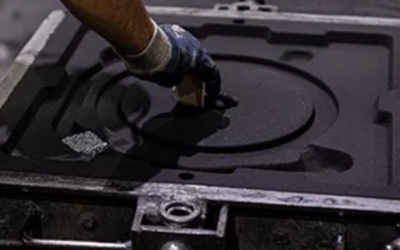
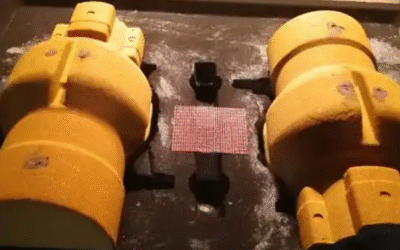
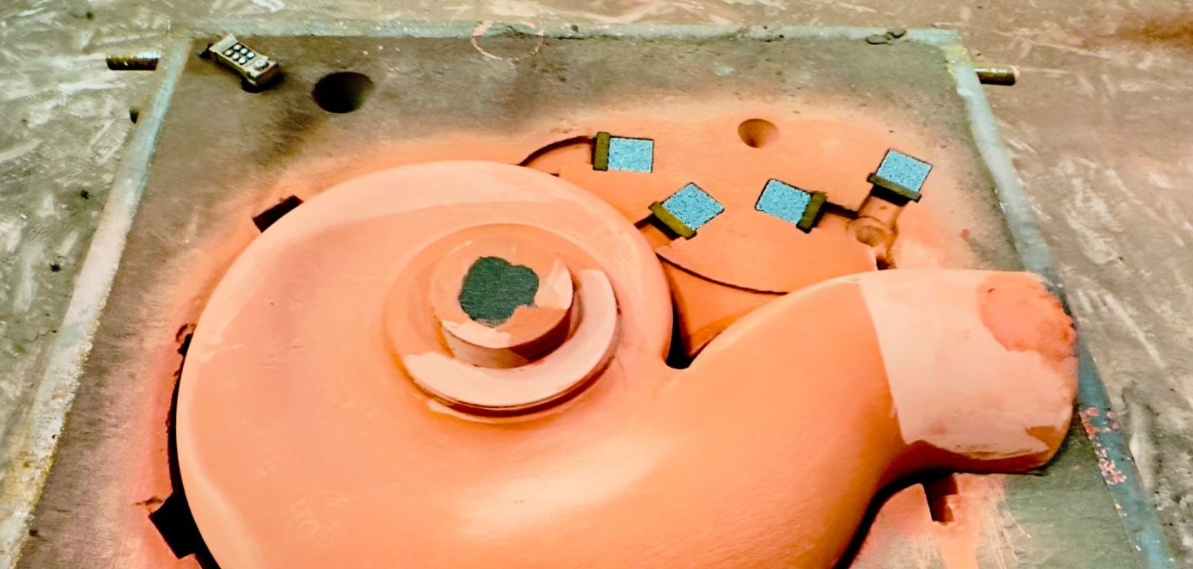
FoundryMax doesn’t make water filters. They focus on ceramic foam Filters for Metal casting—a different technology.
The company puts 8% of annual revenue into R&D. That’s one of the highest rates in foundry filtration. Over 20 years, they’ve built deep know-how in filtering molten metal, not water. They hold 8 patents with 5 more pending.
Their main products include:
-
Silicon carbide ceramic foam filters – handle up to 1500°C, catch 10-50μm dirt in ductile iron, gray iron, and aluminum alloys
-
Zirconia-based filters – work at 1700°C for steel and high-heat alloys
-
Honeycomb ceramic filters – molded cordierite or mullite for iron and aluminum casting
-
Fiberglass mesh filters – ≥96% SiO₂ content, coated for multi-metal use
Their dual-layer system uses fiberglass mesh first. Then Silicon Carbide ceramic foam deep-cleans the metal. This setup gives you 10-15% better mechanical properties. It cuts scrap rates. It makes molds last longer. It reduces surface flaws.
FoundryMax builds full filtration systems for car engine blocks, hydraulic valve parts, wind turbine hubs, and rail brake discs. They test in three phases: lab tests, foundry trials, and computer flow modeling.
Key point: This is NOT a water treatment company. Contact them for metal casting filtration needs.
NEWater
Singapore runs four NEWater factories. They produce 200 million US gallons each day—that’s 760,000 m³ of recycled water. This tech isn’t some test project. It’s 40% of Singapore’s entire water supply. They plan to hit 55% by 2060.
The system uses a 206 km Deep Tunnel Sewerage System. Wastewater goes to three plants spread across the island. You’ve got northern, western, and eastern zones. These plants send pre-treated water to the NEWater factories.
Changi operates two facilities. Kranji and Ulu Pandan each have one. Bedok closed in July 2024 after 20 years. Tuas starts production in 2026. It will make 25 million gallons per day at first. Then it grows to 75 million. That fills 136 Olympic swimming pools.
Here’s the quality data:
|
Parameter |
NEWater |
USEPA/WHO Limit |
|---|---|---|
|
Turbidity |
<5 NTU |
5 NTU |
|
Total Dissolved Solids |
<150 mg/L |
500-1000 mg/L |
|
Total Organic Carbon |
<0.5 mg/L |
No standard |
|
Total Coliform |
Not detectable |
Not detectable |
NEWater beats both USEPA and WHO drinking water standards. About 6% goes back as drinking water. That’s 1% of Singapore’s total water needs—380 million gallons per day.
By 2035, they’re shrinking to three sites: Changi, Tuas, and a rebuilt Kranji plant. Water needs will almost double by 2065.
This is city-scale water recycling, not basic industrial filtering.
Xinxiang Saya Filters Co., Ltd
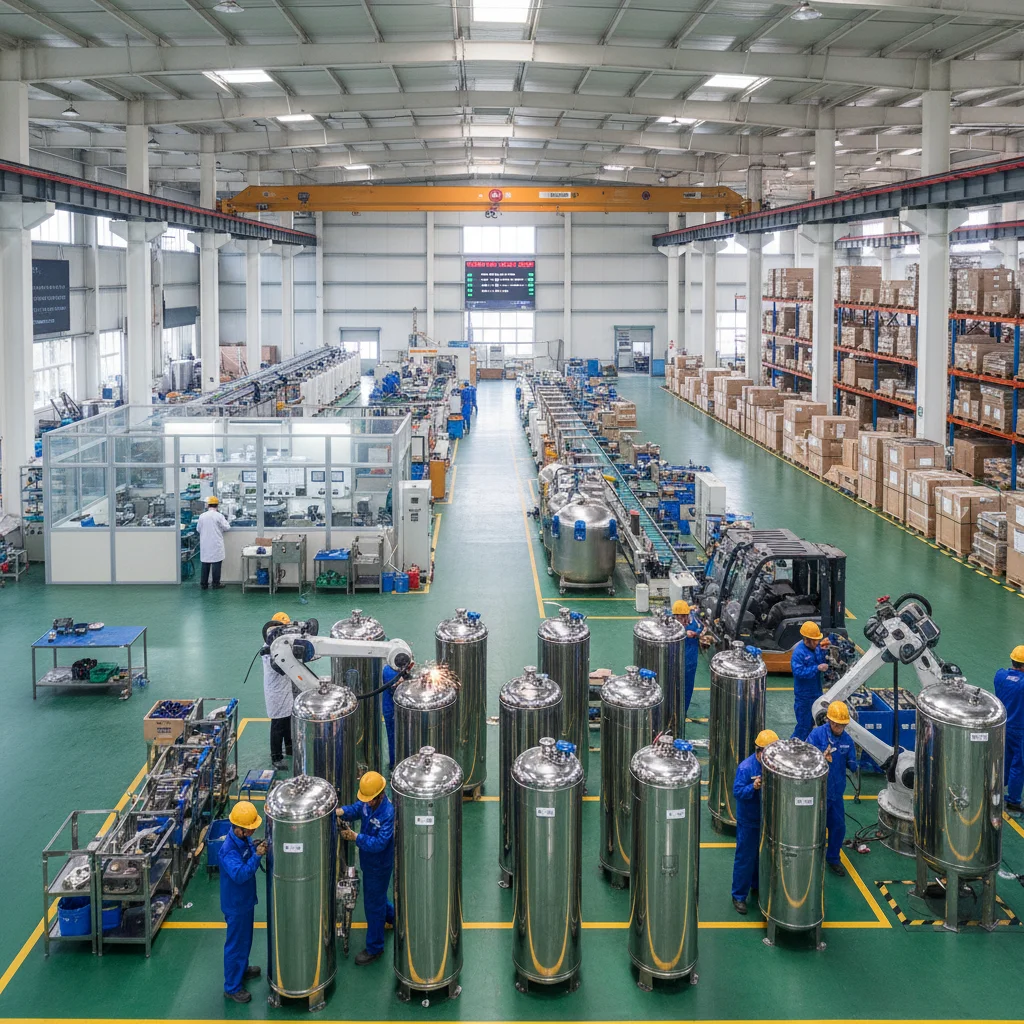
Xinxiang Saya Filters produces 200,000 industrial filter units each year. Their 7,200 m² facility sits in Henan Province. They’ve been at it since 2010. Fifteen years making filters and shipping them worldwide.
The company operates under the AYATER brand. Their catalog includes oil filters, hydraulic elements, air compressor filters, fuel filters, gas filters, and complete filtration systems. Their products work in automotive plants, petrochemical facilities, and water treatment sites. You’ll see them across North America, South America, and Eastern Europe.
They hold the national specialized high-tech enterprise designation in China. That’s not just a badge. It proves they meet government standards for innovation and manufacturing ability. Add SGS, ISO 9001, ISO 14001, ISO 45001, and CE certifications. The paperwork checks out.
Here’s what sets them apart: They do OEM work and custom manufacturing. Send them your specs. They’ll build to match. A Russian mining group signed on as their official agent in January 2024. That came after five years of steady purchases. That’s repeat business at scale.
Their team has 101-200 employees. Annual revenue runs US$1-2.5 million. Not a giant. Big enough to handle serious orders, though. Quality control stays tight across their production lines.
Shanghai Filtration Equipment Co., Ltd
Shanghai Filtration Equipment doesn’t sell generic filter boxes. They’ve spent over 30 years fixing contamination issues in fermentation plants and sterile production lines.
The company started as Shanghai Filter Factory in 1992. They bring in over 100 million yuan in annual sales. Their facility sits in Baoshan District, right on the East China Sea coast. You need this location to ship precision filtration gear across Asia.
Here’s what they focus on: air cleaning and liquid micro-filtration for biological processes. Not sand filters. They build custom systems for breweries, drug plants, and chemical facilities. Bacterial contamination can’t happen in these places.
Their product range splits into two groups:
-
Air and gas filtration – fermentation exhaust treatment, odor removal, clean room HVAC systems
-
Liquid filtration – process-specific filters, sterilization cores
The engineering team has experts in polymer materials, biological chemistry, and mechanical design. They don’t just drop equipment at your dock. They study your production flow. Then they design filtration systems that boost your process efficiency—not just catch particles.
Quality certifications: ISO 9001, ISO 14001, and OHSAS 18001. Every unit follows industrial standards during production.
Contact: +86 21-56151124 for technical help.
Guangzhou Water Treatment Equipment Co., Ltd
Guangzhou’s Huadu and Baiyun districts are now major hubs for water treatment manufacturing. Three companies here have very similar names. This creates real confusion.
Guangzhou Qingqing Water Treatment Equipment Co., Ltd started in 2006. They operate a 5,600+ m² plant on Fuyuan No. 1 Road in Jinghu Industrial Park. The site is right next to Guangzhou Baiyun International Airport. This helps a lot for shipping heavy filtration gear overseas.
The company has ISO 9001 and CE certifications. They’re also a member of the U.S. Water Quality Association. They’ve exported to 40+ countries across six continents—North America, South America, Eastern Europe, Southeast Asia, Africa, and Oceania. Their product range covers RO systems, Industrial water filters, bottled water lines, seawater treatment plants, and ultrapure water gear.
Next is Guangzhou Kai Yuan Water Treatment Equipment Co., Ltd. They launched in December 2008. They work out of Baiyun District’s Vanyang Sci-tech Park. Their 1,920 m² plant has served over 2,000 local clients. They’ve shipped to 120+ countries. You’ll find their equipment in the USA, UK, Philippines, Egypt, Saudi Arabia, and Australia.
Kai Yuan builds large-scale systems. They make a 180 m³/h RO desalination unit and a 105 T/h pre-treatment setup. Their seawater systems range from 240T/D down to 5,000 LPD. Brackish water plants span 180,000 LPH to 500 LPH. They hold ISO9001:2015, CE, and SGS certifications.
The third is Guangzhou Qingyouqing Water Treatment Equipment Co., Ltd, founded in October 2016. They make seawater treatment systems, UF systems, and RO filters for homes and factories.
Comparison of Key Selection Factors (Horizontal Evaluation Dimensions)
Industrial sand filter specs look identical on paper. Then you install them. One supplier’s “30 m³/h capacity” delivers 22 m³/h under real plant conditions. Another’s “automatic backwash” needs manual fixes twice a week. These gaps cost you money.
Smart buyers don’t just compare price tags. They check four key areas that separate reliable gear from costly mistakes.
Processing Capacity Reality Check
Catalog numbers lie. Your real output depends on water quality, pressure differences, and how fast the media clogs in your setup.
Large-scale operations need systems that stay up >95% of the time across 10,000+ hours per year. The best Chinese makers build sand filters you can expand. Add media tanks. Upgrade control valves. Boost pumping power. No need to rebuild everything.
Mid-sized facilities should aim for setup in under 30 days. Look for plug-and-play designs. Systems ship ready to go. Control panels come wired. Media arrives loaded in tanks. You want equipment running in a month, not three.
Top suppliers handle big petrochemical projects. These process over 1 million cubic meters per year. Their small units handle down to 1,000 m³/month for special jobs. This range proves they can flex—not just pump out identical boxes.
Material Life vs. Running Costs
Tank material sets your replacement schedule. 304 stainless steel works for city water with neutral pH. 316L grade costs 40% more. But it survives salty water and mild acid. FRP composite tanks cut starting costs by half. Then they crack after 8 years in bright outdoor sun.
Chinese makers now sell duplex stainless steel for harsh conditions. Too much for clean water. Must-have for chemical plant waste.
Check the media specs. Cheap suppliers use mixed silica sand. Good ones give you uniform 0.5-1.2mm graded quartz with under 2% acid breakdown. That better quality adds 3-5 years to media life.
Automation That Works
Basic sand filters use hand valves. An operator walks around, turns handles, reads gauges. PLC-controlled systems run backwash cycles based on pressure gaps or time. The controller logs each cycle. You catch issues before they stop production.
The best systems link to plant SCADA networks. They send phone alerts at pressure warning points. Response time under 2 seconds. Data ports let you pull stats into your current dashboards. No locked-in software.
AI systems now predict service times. They watch backwash patterns. Cycles jump 20%? Something changed upstream. The system alerts you. You check it before the media clogs up.
Look for suppliers with over 200 open API links. That shows real connection power, not just talk.
Delivery Speed and Service Setup
Standard units should ship in 15 days. Custom builds take 45-60 days. This covers special tank sizes, rare materials, and multi-stage designs. Longer waits mean capacity trouble or broken supply chains.
Chinese suppliers with solid operations put service teams across the country. Over 500 tech staff spread by region. They get to your site in 24 hours for big failures. Small vendors say “fast response” but send one tech from HQ three days later.
Check return customer rates. Suppliers with over 85% repeat buyers understand product strength. First buys are a gamble. Repeat orders prove the gear works.
The best makers offer under 20-day setup for full projects. They test builds first. Ship with setup engineers. Train your crew on-site. They leave you with systems that hit rated output.
The Comparison Framework
Use weighted scores. Give 30% to tech ability. Put 25% on feature completeness. Data security and rule compliance get 25%. Service setup takes the last 20%.
Rate each supplier on 1-5 points. Score 1 means they miss the mark. Score 5 needs proven examples plus top industry data. No vendor scores perfect 5s everywhere.
Times scores by weights. Add them. Then check against price. The highest tech score at 3x the cost makes little sense. The cheapest pick scoring 2.5 average never does.
Test before you buy. Ask for trial setups. Run your real water through their test unit. Measure pressure drop. Time backwash cycles. See if automation runs hands-free. Filter choice isn’t about trusting paper specs. It’s about proving results under your real conditions.
Conclusion
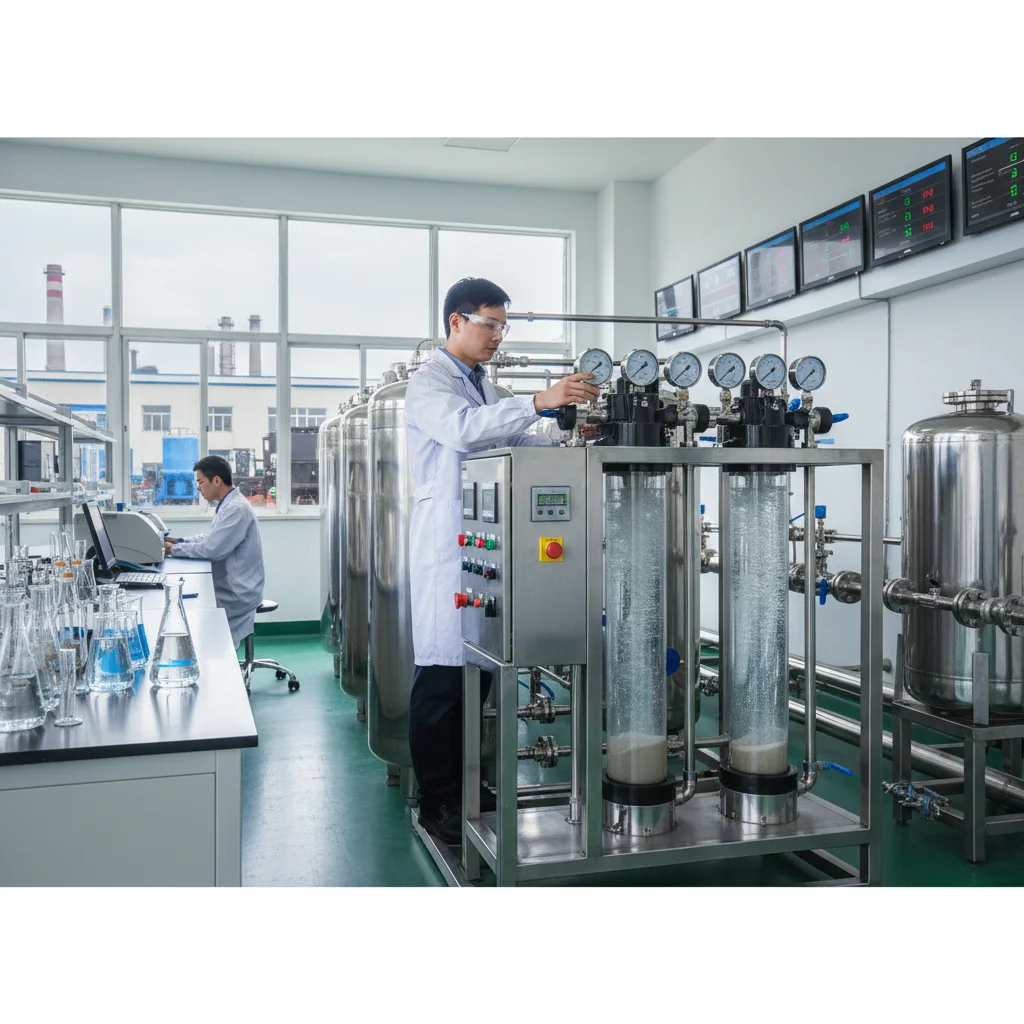
Picking the right industrial sand filter manufacturer in China goes beyond price. You need a partner who gets your filtration challenges and delivers solid, long-term results. The manufacturers we’ve covered are among China’s best. Each one has clear strengths. BODAO offers quick customization. KUOSHENG brings advanced automation. FoundryMax specializes in foundry solutions.
What’s your next step? Don’t accept basic specs. Use the selection factors we’ve shared. Contact 2-3 manufacturers that match your needs. Ask for detailed tech documents. Check their post-installation support. Visit their facilities if you can. Request customer case studies from your industry.
The top 10 industrial sand filter manufacturers here all have strong track records. But the “best” choice depends on your specific needs. Your water treatment requirements matter. So do your throughput demands and budget. Smart buyers see manufacturer selection as a strategic choice, not just a purchase. The right filtration system does more than clean water. It protects your entire production line.
Ready to upgrade your filtration system? Start your consultation today.