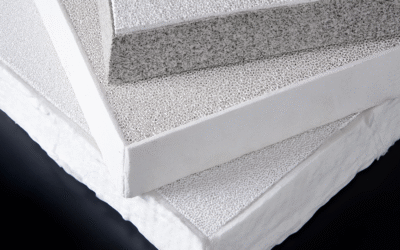
Overview of Refractory Materials Refractory materials are non-metallic compounds built to handle very high temperatures. They are essential for building and protecting industrial furnaces, kilns, reactors, and similar equipment. These materials must stay chemically...
Industrial Ceramics
What Is The Difference Between Technical And Non Technical Ceramics?
Introduction to Ceramics Ceramics fall into two main types: technical ceramics (advanced or engineering ceramics) and traditional ceramics. I recommend understanding their composition, properties, and uses to see how they differ. Technical ceramics are made for...
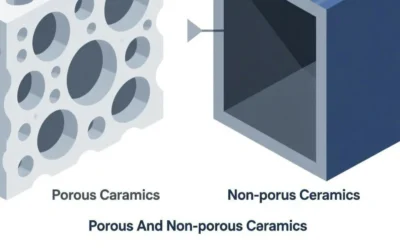
What Is More Porous, Ceramic Or Porcelain?
[dipl_text_highlighter highlighter_content="Looking for Porous Ceramics?" svg_color="#E02B20" stroke_width="0.9" main_text_custom_margin="-4px||-4px||true|true" _builder_version="4.27.4" _module_preset="default" global_body_text_align="center"...
What Is Industrial Ceramic Coating?
Introduction to Industrial Ceramic Coating Industrial ceramic coating applies advanced ceramic materials onto surfaces. These materials include chrome oxide, zirconium oxide, and alumina. You can apply them to metals, plastics, and glass. The coating creates a strong...
What Are The 5 Types Of Ceramic Materials?
You can group ceramic materials in many ways beyond the main five types. I suggest looking at composition, processing method, structure, and application. Overview of the 5 Main Types of Ceramic Materials Ceramic materials fall into five major groups. We classify...
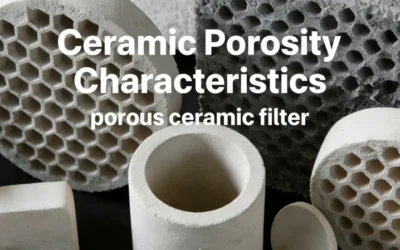
What Are Porous Ceramic Particles For Filtration?
What Porous Ceramic Filters Are Porous ceramic particles for filtration are solid materials. They have networks of open pores that connect throughout. These pores let fluids pass through—water or air, for example. At the same time, they trap particles bigger...