Introduction to Industrial Ceramic Coating Industrial ceramic coating applies advanced ceramic materials onto surfaces. These materials include chrome oxide, zirconium oxide, and alumina. You can apply them to metals, plastics, and glass. The coating creates a strong...
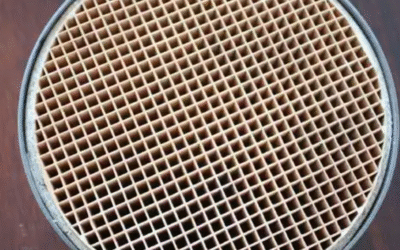
Industrial Ceramics
What Are The 5 Types Of Ceramic Materials?
You can group ceramic materials in many ways beyond the main five types. I suggest looking at composition, processing method, structure, and application. Overview of the 5 Main Types of Ceramic Materials Ceramic materials fall into five major groups. We classify...
What Are Porous Ceramic Particles For Filtration?
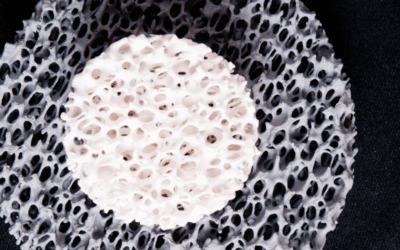
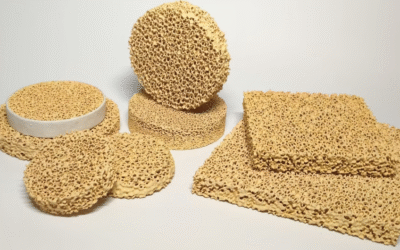
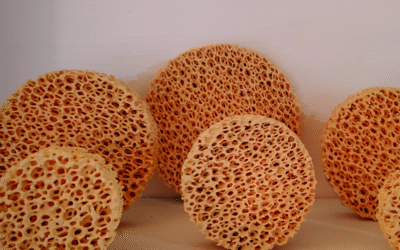
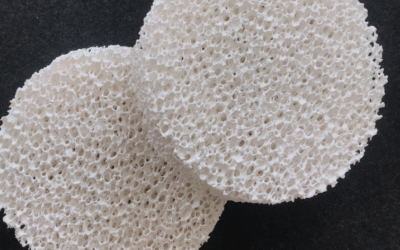
What Porous Ceramic Filters Are Porous ceramic particles for filtration are solid materials. They have networks of open pores that connect throughout. These pores let fluids pass through—water or air, for example. At the same time, they trap particles bigger...
How To Reduce Porosity In Ceramics?
Ever struggled with ceramics that turn out weaker than expected? Or they soak up water like a sponge? Porosity is to blame. Those tiny, hidden holes mess with performance. I've seen this problem in filters, insulators, and tough parts. Managing porosity is key for all...
How To Make Ceramic More Porous?
Introduction to Increasing Porosity in Ceramics I recommend increasing porosity in ceramics for filtration, catalysis, insulation, and lightweight structures. High and controlled porosity requires the right additives, processing methods, and forming techniques. These...
Top 10 Raw Materials in Ceramic Industry: Properties, Uses & Sources
Ever wonder what turns simple mud or stone into a shiny white sink or a glossy, heat-proof plate? Clay, feldspar, and silica are the key players here. These raw materials make ceramics work. Each one has its own strengths and jobs. I've noticed people talk about...