industrial filtration protects your entire operation. It stops downtime, regulatory problems, and productivity losses that hurt your profits. But finding the right filter maker in South Africa? That’s a real challenge.
You might run a mining operation fighting abrasive dust. Or manage a pharmaceutical cleanroom with zero contamination tolerance. Maybe you operate a food processing facility under strict compliance rules. Your filter choice makes a huge difference. A mediocre supplier gives you constant maintenance headaches. An exceptional one? You get smooth operations and fewer problems.
We’ve found the top 7 industrial filter manufacturers in South Africa. These companies don’t just sell filters. They build solutions for local conditions. You get real expertise and reliable service. HEPA specialists to heavy-duty mining filtration experts—they’re all here. This guide helps you partner with manufacturers who treat filtration as essential infrastructure, not just another product.
Filcon Filters – Industrial & Commercial Filtration Specialist
Filcon Filters built its reputation one system at a time. Since 2000, this Cape Town-based maker has installed over 10,000 commercial and industrial Filtration systems across 100+ countries. Their ISO 9001:2008 certification backs up 23+ years of consistent performance in Liquid filtration.
We run two locations—Cape Town headquarters and a Johannesburg branch. This dual presence gives you prompt service. You’re operating southern Africa rigs? We’re there. Inland industrial facilities? We’ve got you covered. Our 14-person team brings 50+ years of combined expertise to every project.
Dirt Gobbla Series – The Flagship Product Line
Our in-house Dirt Gobbla automatic self-cleaning filters tackle tough filtration challenges. No constant maintenance needed. You get customization down to the smallest detail. Housing materials? Pick from SS304/316L, carbon steel, FRP, or plastic. Connection types include clamp, thread, and flange. Filtration accuracy goes down to 1µm.
Our FTC Platinum Series cartridges deliver 99.98% absolute-rated efficiency across 0.5µ to 70µ ranges. These cartridges handle high dirt loads. They maintain strong flow rates—up to 400 m³/h maximum. Choose from cellulose, fibreglass, polypropylene, or Polyester media. Pick what fits your application.
Marine and Offshore Oil Specialization
Offshore operations get dedicated solutions. Our RO systems feature high-rejection seawater membranes. They hit 99.9% bacteria rejection rates at 625 GPM capacity. These desalinators work on drilling rigs, production platforms, and support vessels.
We partner with LeFilter Systems. This ensures consistent quality across injection water filtration, brine treatment, fracturing fluids, and produced water applications.
Dawning Filters – Multi-Brand Distribution & Custom Solutions
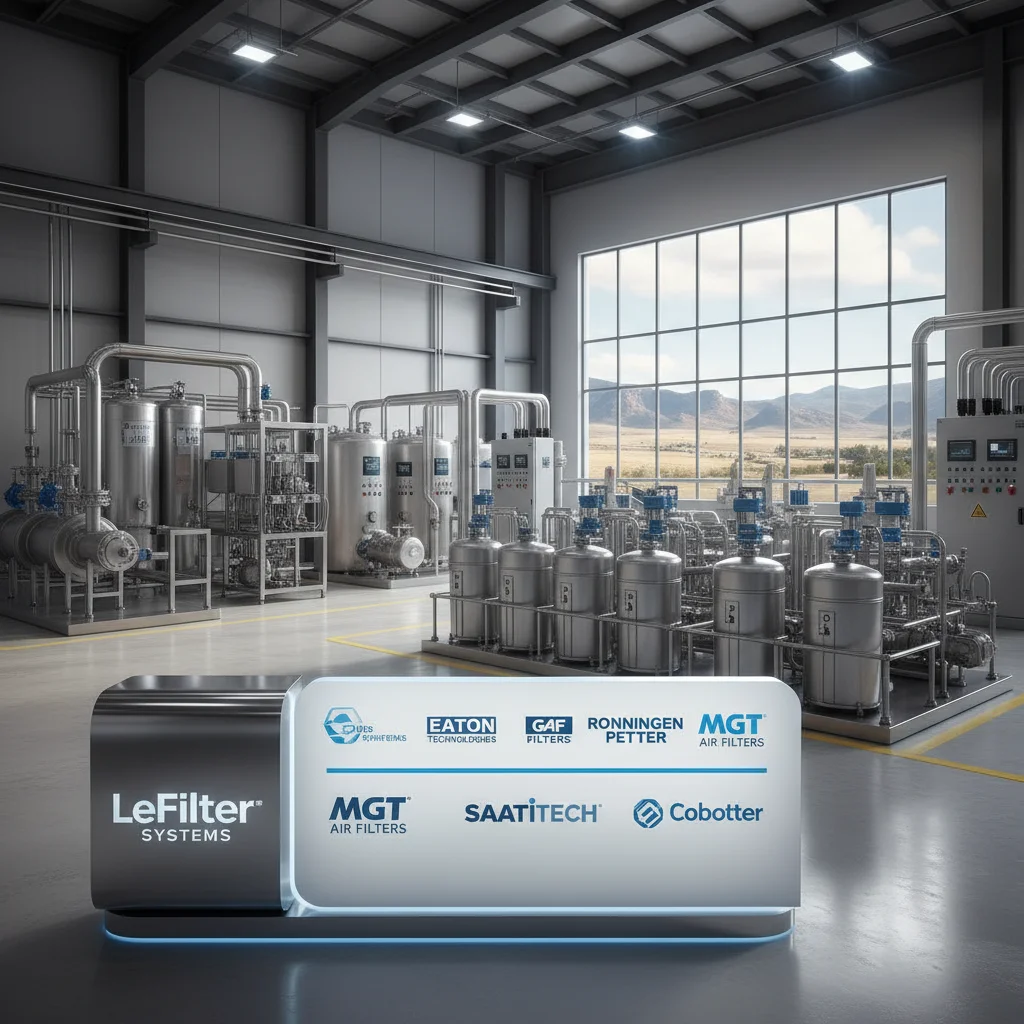
Dawning Filters brings six top international filtration brands to South Africa. Eaton Technologies. GAF Filters. Ronningen Petter. MGT air filters. SAATITECH. Cobetter. Each brand has proven itself in tough industrial settings over many years.
This multi-brand approach gives you choice without trade-offs. Need liquid filtration for drug making? Done. Milling filtration for food processing? Covered. Dust collection for automotive paint shops? They’ve set them up in every major car plant across South Africa. The range includes wash pleat panels, cassette filters, HEPA filters, rigid pocket filters, process screens, and special systems that remove fine particles in food and beverage plants.
Manufacturing Meets Distribution
The Durban facility builds filter bags. These work for liquid, wet, dust, and milling tasks. Making filters locally means faster delivery. Buying from global suppliers brings fresh ideas. You get both benefits.
Three offices serve all of Southern Africa—Johannesburg, Durban, and Cape Town. Response times stay short. Technical help stays close.
Cleanroom Certification & Validation
Here’s what makes them different: certified cleanroom technician services plus validation testing gear. They check cleanrooms, operating theatres, and lab equipment against set standards. Drug makers and food & beverage companies must have this certification. Dawning provides it.
The financials show growth: R15.7 million profit after tax (year ended February 2025). Deneb bought an 80% stake for R80 million in October 2025. That’s a 6.4x earnings multiple. It values the company at R100 million total.
Filta Matix – HEPA Filter & Cleanroom Technology Leader
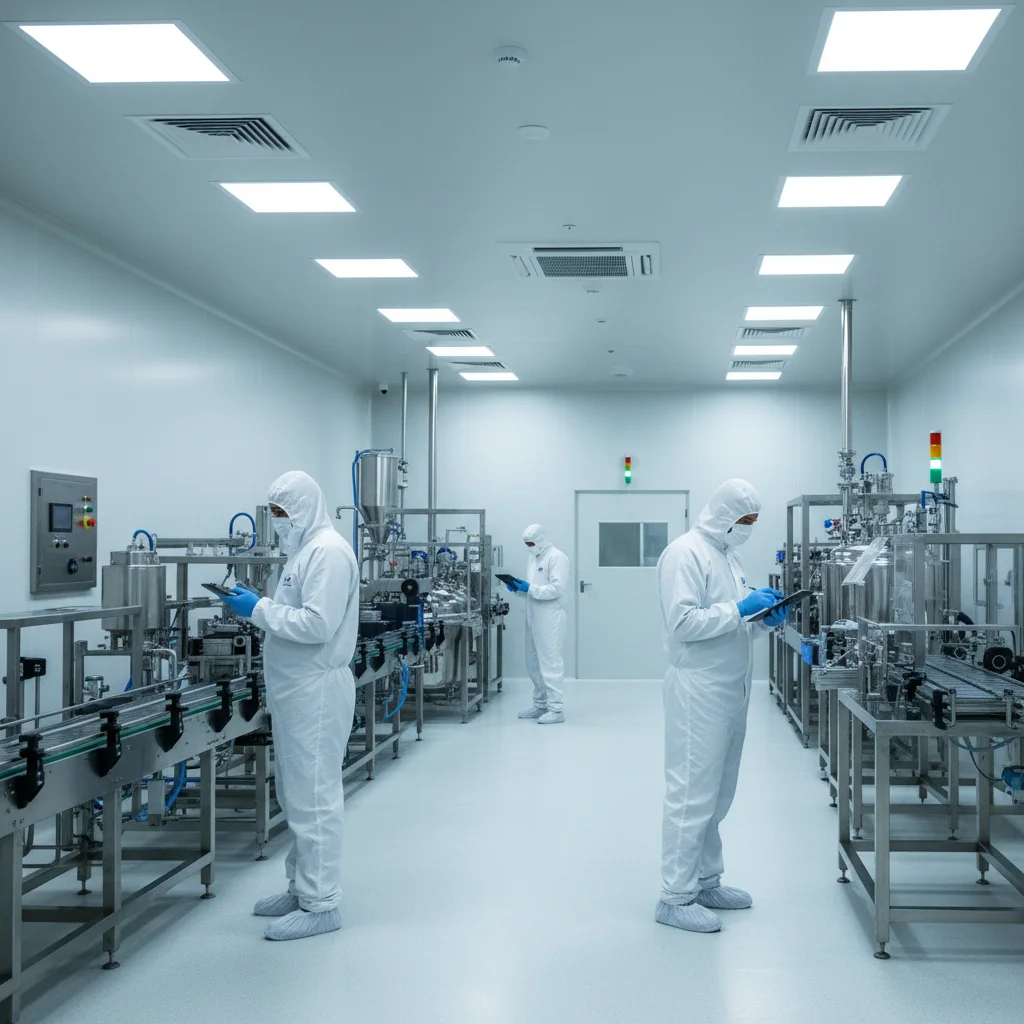
Contamination in cleanrooms destroys pharmaceutical batches. It ruins surgical outcomes too. Filta Matix builds the technology that stops these disasters—HEPA filtration systems made for zero-tolerance environments. We serve South Africa’s healthcare and manufacturing sectors.
Our compact cassette filters act as secondary barriers. They protect expensive HEPA filters from early clogging. The cassettes handle final-stage filtration in central air handling units. This layered defense makes HEPA filters last longer. Plus, it keeps cleanroom standards intact.
Mini-Pleat HEPA Technology
True HEPA filters trap 99.97% of particles at 0.3 microns. That’s the size most likely to sneak through. Dust stops here. So do pollen, bacteria, and airborne contaminants. We focus on mini-pleat HEPA filters. This market-leading type packs maximum filter area into compact frames.
The global HEPA filter market proves why this technology counts. Forecasts show growth from $3.21 billion (2024) to $7.97 billion by 2034. That’s a 9.5% compound annual growth rate. North America owns 45% of the market. Strict EPA and FDA rules for healthcare facilities drive this share. Asia Pacific holds 33.47%. Pharma growth in China and India fuels this number.
We bring this proven technology to South African cleanrooms. You’ll find it in operating theatres and controlled manufacturing spaces. Air quality affects product integrity in these places. It affects patient safety too.
CFM Filters – Mining & Industrial Heavy-Duty Solutions
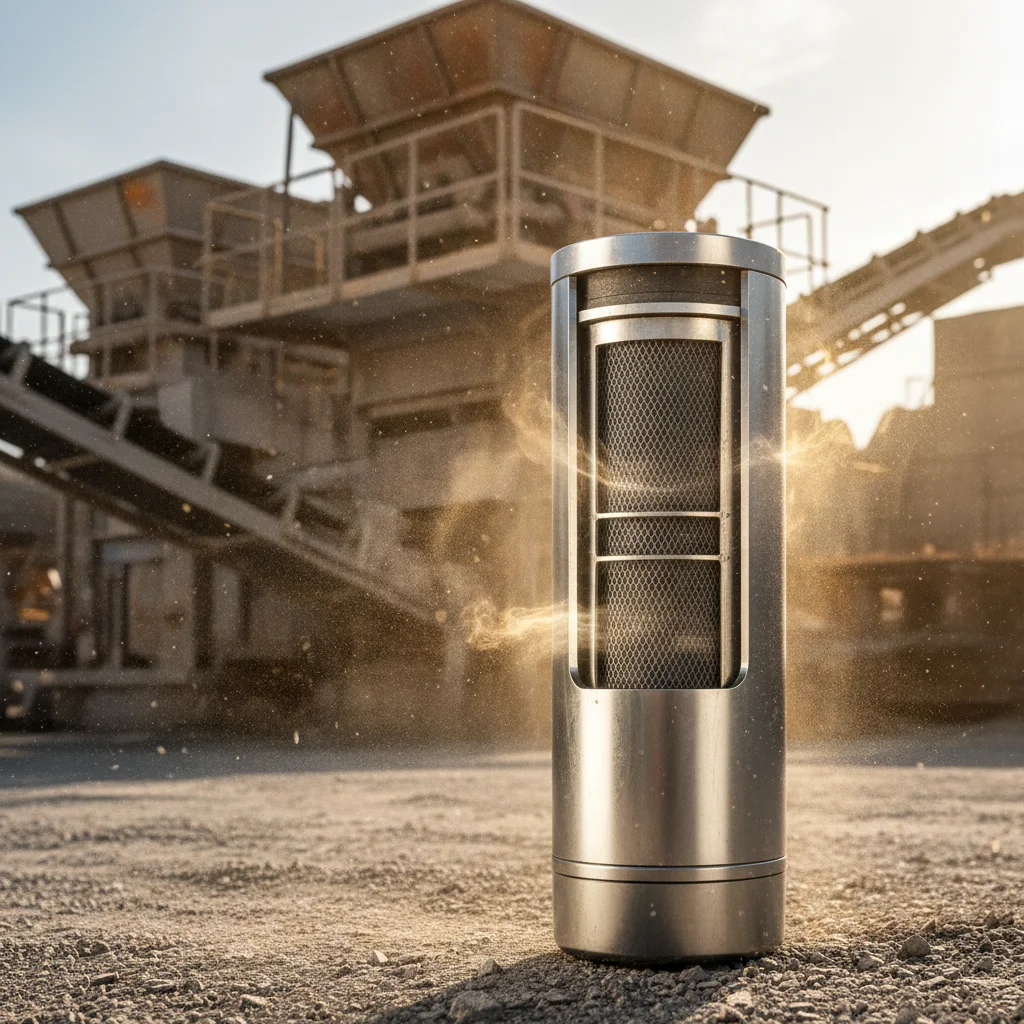
Mining needs filters that take a beating. CFM Filters built Activated Carbon fiber matrix cartridges for tough conditions. These aren’t delicate lab filters. They handle dust, heat, and chemical exposure that destroys regular systems.
The CFM Series cartridges use bonded high-purity activated carbon with melt-blown polypropylene layers. You get dual protection: sediment removal plus carbon block power in one unit. The filter rating is 5 to 7.5 micron nominal. This catches fine particles without blocking flow.
Temperature and Chemical Strength
Heavy industry is tough on equipment. CFM handles it. The max temperature is 176°F. The polypropylene build resists acid and alkaline solutions at full heat. No toxic leaching. No taste issues. Just clean filtering that keeps your solution pure.
Standard 2.5″ outer diameter fits your current housing setup. Pick your length: 10″, 20″, or 30″ cartridges fit your capacity. Santoprene gaskets seal tight. Pressure drop stays low. Adsorption runs high. You get top contaminant removal without carbon getting into your process stream.
This tech serves drug making, food processing, and chemical production plants across South Africa’s industrial sectors.
Conns Manufacturing – Water Treatment System Specialist
Forty-five years in one filtration niche tells you something. Conns Manufacturing knows sand, disc, and granular Activated carbon systems inside out. This Cape Town company built its reputation on pressure filter technology that handles Southern Africa’s toughest water challenges. ISO 9001:2015 certification backs every tank leaving their Brackenfell facility.
Steel Pressure Filters Built for Durability
The Vertin, Auto, Automan, and Manual models work at up to 10 bar operating pressure. Each tank uses domed mild steel with a single weld seam. Large top manholes make servicing easy. No struggling with tight access points. Maintaining municipal systems or industrial plants? This design cuts your maintenance time in half.
Stretch Tanks offer bed depths from 500mm to 1200mm. Fill them with sand, AFM, Zeolite, multimedia mixes, or granular activated carbon. The extra depth creates long contact times. Your water gets deep, even penetration through the media. Contaminants don’t slip past.
Filter Banks That Cut Costs 40%
Here’s where Conns stands apart from typical suppliers: modular filter banks. These skid-mounted, plug-and-play units cost 40% less than large-diameter fabricated systems. Each bank matches your required flow rate in m³/hr. The lightweight build removes the need for expensive cranes and lifting gear during setup. You get industrial-grade filtration without the industrial-sized price.
Their CONN 40 glass media proves the efficiency focus. You need 400kg of graded silica versus 340kg of traditional glass media. This gap reduces backwash time and saves water. That matters in water-scarce regions.
Filrec (Pty) Ltd – Custom Air Filtration Manufacturer
Filrec has operated from the same Alrode factory since 1982. Four decades at one location gives deep production knowledge. The processes are refined. You’re working with people who’ve seen every filtration challenge South Africa throws at industrial operations.
Full-Spectrum Manufacturing Capability
The Alrode facility produces everything from heavy-duty primary and secondary filters down to lawn mower filters for every brand on the market. That range isn’t typical. Most manufacturers pick a lane—industrial or consumer—and stay there. Filrec builds both. This gives you production flexibility that matters for custom solutions.
Custom air filter design sits at the core of their offering. Standard filters solve common problems. Custom designs tackle your specific dust type, airflow needs, and space limits. The Alrode team engineers filters that fit your exact specs. No forcing your operation into someone else’s standard product line.
Refurbishment Services That Extend Filter Life
Here’s the practical advantage: Filrec refurbishes all filter types. industrial air filtration costs a lot to run. Refurbishment cuts that expense. Performance standards stay the same. You send in your used filters. They return rebuilt units that meet original specs. Your budget stretches further. Air quality stays high in heavy-duty industrial applications across South African mining, manufacturing, and processing facilities.
Camfil South Africa – Global Air Filtration Innovation
Camfil commands 18% of the global industrial air filtration market. That leadership didn’t happen by chance. We bring deep technical know-how in HEPA and molecular filtration systems. These systems solve critical air quality problems. Healthcare facilities use them. So do pharmaceutical production lines and food processing plants across South Africa.
The numbers show clear growth. Africa’s air filter market sits at USD 0.33 billion in 2025. It climbs to USD 0.46 billion by 2030—a 6.85% compound annual growth rate. South Africa drives this expansion. The country’s 68.82% urbanization rate creates dense industrial hubs in Johannesburg and Cape Town. Manufacturing needs serious filtration capacity. Healthcare needs it. Construction needs it too.
HEPA Technology That Meets Real Pollution Challenges
South Africa’s PM2.5 concentration hits 18.8 μg/m³. IQAir ranks the country 47th for air quality. That pollution comes from transportation emissions. Factory output adds to it. Construction dust in major cities makes it worse. Camfil’s HEPA filters trap 99.97% of particles at 0.3 microns and larger. This air filtration technology holds 40.2% market share. Simple reason: it works.
We push beyond basic filtration. Our sustainable filter materials cut industrial waste. Better design means filters last longer. Smart technology includes IoT-enabled monitoring systems. These track filter performance in real-time. You see when replacement makes sense—no guessing, no early changes, no unnecessary downtime.
Every Camfil product meets strict regulatory standards. That compliance matters in pharmaceutical cleanrooms. It matters in hospital operating theaters. Contamination isn’t just expensive there—it’s dangerous.
FoundryMAX – Clean Filtration for Metal Casting
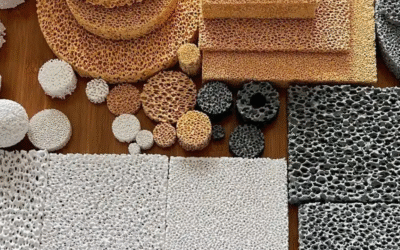
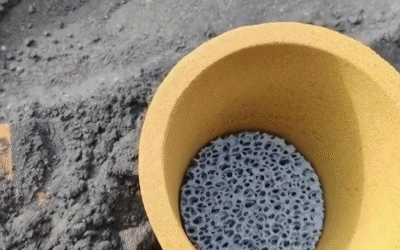
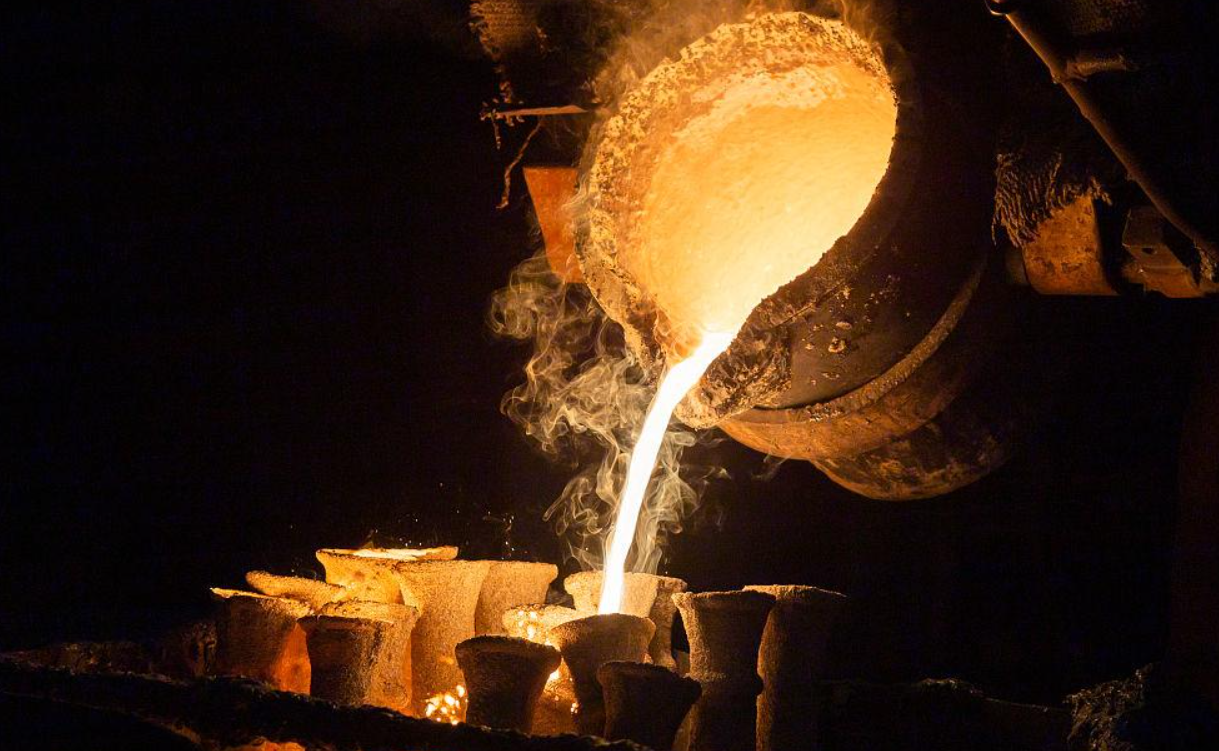
Metal casting has inclusion problems. Standard filters miss them. FoundryMax makes ceramic foam filters for iron casting. These filters catch tiny defects that hurt foundry work across South Africa’s metalworking shops.
Their ultra-fine filters trap particles between 10-50μm. Most casting defects start at this size. Slag bits. Sand grains. Oxide films. These contaminants weaken your final castings. They create surface flaws. They cause machining headaches later. FoundryMAX filters catch them early.
Top Removal Performance
The numbers speak: 95% inclusion removal across all their filter lines. This isn’t lab testing under perfect conditions. It’s real performance in working foundries. South African iron grades. Local sand systems. The filters handle it all.
The ceramic foam creates a 3D filtration network. Molten metal flows through thousands of connected pores. Each path traps particles. The foam handles extreme heat without breaking down. Your filter stays strong from start to finish.
Foundries making engine blocks need this. Hydraulic parts too. Heavy machinery components. Clean metal makes quality castings. FoundryMAX gives you the filtration to get there. You don’t have to guess if inclusions got through. The 95% removal rate means steady, reliable results every production run.
How to Select the Right Industrial Filter Manufacturer in South Africa
South Africa’s industrial Filter cartridge market is climbing fast—from USD 18.1 million in 2023 to a projected USD 33.8 million by 2030. That’s a 9.3% compound annual growth rate. Mining operations, power generation plants, and chemical facilities push this growth. Environmental regulations get tighter each year. Wastewater treatment and pollution control? You can’t skip them. They decide if you stay in business.
Pick the wrong filter manufacturer and you lose more than money. Production time drops. Compliance violations pile up. Equipment failures spread through your entire operation. The right partner stops these problems before they start.
Match the Manufacturer to Your Industry’s Specific Demands
Each industry needs its own filtration tech. Mining operations require thick media and high-flow cartridges that handle abrasive dust and pollution control. South Africa’s export standards demand this level. Chemical plants use Agitated Nutsche Filter-Dryers (ANFD) extensively—they hold 49.17% market share. Sasol, AECI, and Foskor build these systems into their core processes. Food and beverage producers saw a 7.4% income growth jump in March 2023 (STATSSA data). This sector now focuses on filtration for ready-to-eat products and nutritious food lines. Power and water utilities need high-flow systems for wastewater treatment and desalination rules.
Pleated filter cartridges dominate the MEA market at 32.9% share. Their high surface area gives long service life across water, waste, and chemical uses. Check if your manufacturer knows your industry’s tech. Generic suppliers struggle with tough filtration jobs.
Verify Certifications and Compliance Standards
ISO certifications show reliability in mining and chemical sectors. Rules for wastewater and export operations get stricter under Vision 2030 plans. ANFD compliance matters for drug and food uses—that 49.17% segment lead shows strict clean standards.
Ask manufacturers for certification papers right away. Make sure they know South African rules. Foreign suppliers sometimes miss local details that stop operations during checks.
Calculate True Lifecycle Costs, Not Just Purchase Price
The starting price tells half the story. Total cost of ownership shows everything. Use this formula: Total cost = Initial investment + (Maintenance cost/year × filter lifespan) + (Energy consumption kWh × electricity rate).
Pleated cartridges cut maintenance costs through longer life and better particle capture. High-flow options drop energy use in power and chemical plants. Compare local making against imports. South African makers skip the currency swings and port delays that hit Nigerian operations. Import quality might justify paying more—but aim for less than 20% above local options. Past that point, lifecycle savings vanish.
Assess Local Service Capabilities and Response Times
Mining and chemical sites can’t handle long downtime. Equipment failures spread quick. You need tech support in 48 hours, not 48 days. Pick manufacturers with South African bases. Check their regional service networks. Confirm where they keep parts.
Look at their partnerships with major players like Sasol, AECI, Afrox, Foskor, NCP Chlorchem, and Omnia. These ties show proven service ability in tough industrial settings. Import dependence creates risk—exchange rate shifts and shipping delays wreck maintenance plans.
Ask direct questions: Where do you keep replacement parts? How fast can a tech reach our site? What’s your average response time for urgent calls? Unclear answers mean future headaches.
Key Factors Affecting Filter Performance in South African Conditions
South Africa’s water crisis shapes every filtration decision you make. The Northern Cape, Eastern Cape, and Cape Town suffered years of drought. Municipal water supplies took a devastating hit. Your filters do more than process water—they fight extreme scarcity. These conditions demand systems that handle changing quality, long service cycles, and sudden contamination spikes.
Water scarcity creates a harsh chain reaction. Filter loading increases as raw water quality drops. Fouling happens faster. Your gravity filters were designed for rates below 10 m/h. Now they face source water they were never built to handle. Historical performance data? Often incomplete or missing. South African treatment plants run conservative filtration rates around 5 m/h. They lack reliable baseline water quality information.
Pushing Filtration Rates Without Sacrificing Quality
Package and pressure filters can reach up to 30 m/h under ideal conditions. Reality check: achieving these rates needs serious upgrades. Testing shows contact filtration with pre-ozonation handles up to 17 m/h. Push beyond that—hitting 20-25 m/h—and you need deeper filter beds. Go for 2.4 meters minimum. Media size matters too. Switch to coarser grains between 2-3 mm diameter.
Higher rates bring faster headloss buildup. A 0.95 mm sand filter showed rapid headloss increases within just 48 hours during November 2005 testing. Turbidity breakthrough happens if ripening stays incomplete. Each filtration rate produces different ripening volumes. That’s the amount of water processed before your filter reaches stable removal. Monitor online turbidity against volume filtered. Spikes after the ripening phase signal breakthrough. Your filter can’t keep up with the loading rate.
Algae Challenges and Pre-Treatment Solutions
Algae blooms plague South African reservoirs during warm months. Standard filtration removes just 40-50% of algae without chemical dosing. Pre-ozonation support at rates up to 17 m/h doesn’t change this much. Chlorophyll-a measurements and particle counter data confirm this limit. Pre-oxidation with ozone helps, but don’t expect miracles. Going above 17 m/h without better pre-treatment guarantees process breakdown. Effluent quality will suffer.
The water filters market reflects these performance demands. South Africa’s segment reached USD 489.82 million in 2024. It’s climbing toward USD 723.82 million by 2032—a 6.39% compound annual growth rate. Reverse osmosis systems dominate at USD 375.44 million with 6.46% annual growth. Residential applications grow fastest at 6.80% each year. Households seek reliable filtration as municipal services remain uncertain.
Conclusion
Finding the right industrial filter manufacturer in South Africa isn’t about settling for the nearest supplier. You need a partner who understands your operational challenges. Think Gauteng’s dust storms. Think Cape Town’s coastal corrosion.
Each of these top industrial filter manufacturers in South Africa brings something different. Filcon delivers specialized industrial expertise. Camfil offers global innovation with local support. Dawning provides multi-brand flexibility. Filta Matix excels in cleanroom precision. Your choice depends on your specific filtration needs. Consider your industry requirements. Factor in your long-term maintenance capabilities.
Here’s what matters most: Don’t just compare prices. Check the filter lifespan. Look at local service availability. Review compliance certifications. Ask if they offer performance testing under South African conditions. A filter that works well in European conditions might struggle here. Our climate is unique.
Ready to make your choice? Reach out to 2-3 manufacturers from this list. Request site assessments. Ask the tough questions about aftermarket support. Your filtration system is as reliable as the partner standing behind it.