You’re standing in a pottery studio, holding two ceramic pieces. One is a smooth, glazed mug that fits in your palm—made for your morning coffee. The other? A sculptural vase with delicate cutouts that catches the light like lace. Both are ceramics, yet they serve different purposes in your life.
Understanding what is the difference between functional and decorative ceramics goes beyond categorizing art. It’s about appreciating how clay transforms into objects. Some serve our everyday rituals. Others feed our souls with beauty.
Defining Functional Ceramics
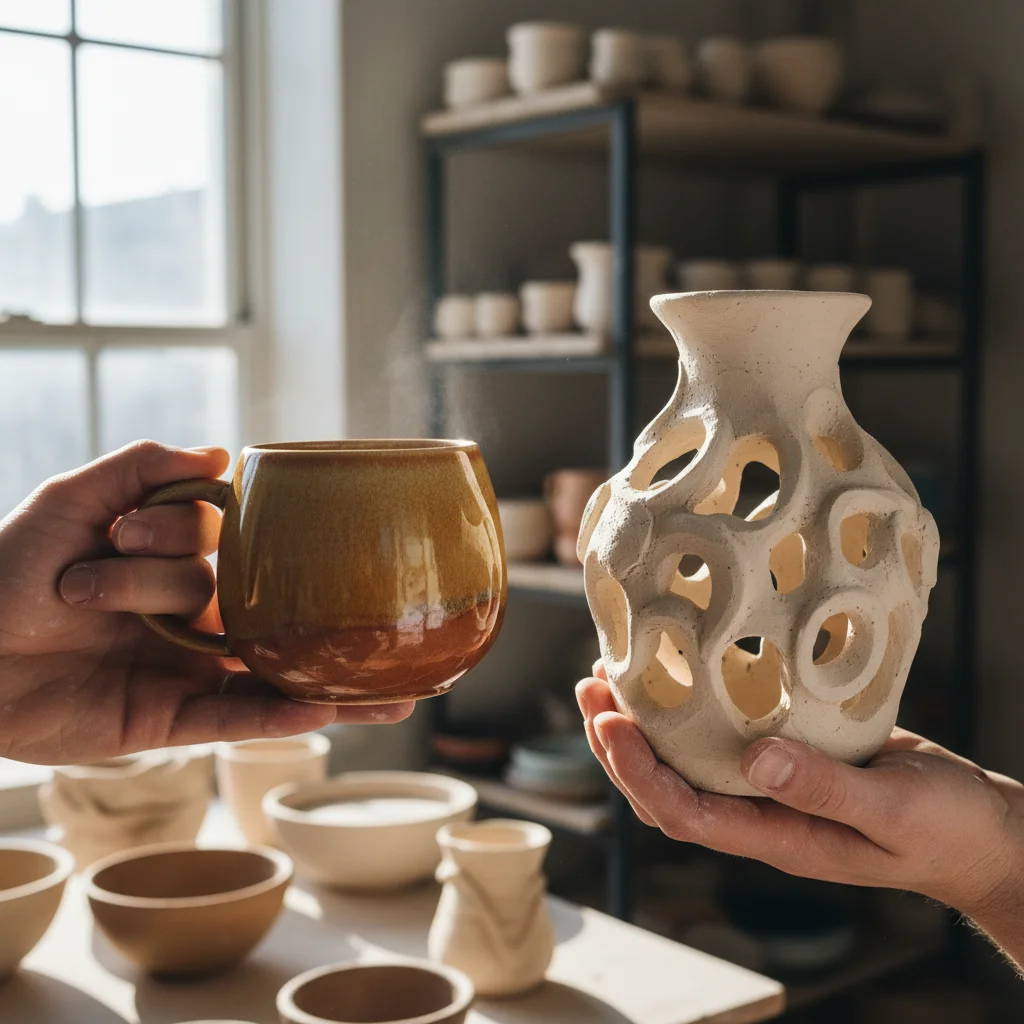
Functional ceramics earn their place through work, not beauty. These pieces do the job—they hold, heat, insulate, or resist. They’re engineered clay objects that answer specific questions: Can it handle your dishwasher? Will it keep coffee hot without burning your hand? Can it support weight, resist electricity, or survive medical sterilization?
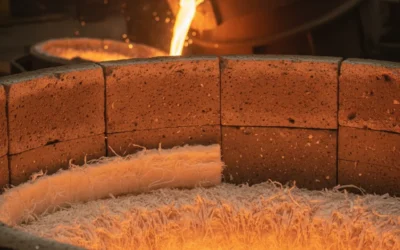
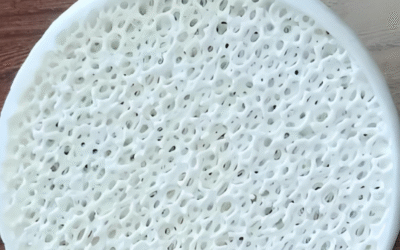
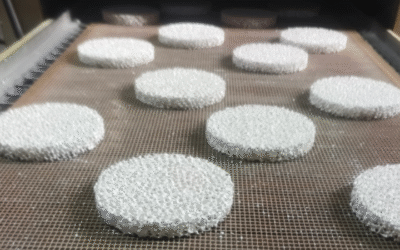
The category goes far beyond your kitchen cabinet. Yes, it includes your tableware—those dinner plates, coffee mugs, and serving bowls that take a beating every day. Your bathroom relies on functional ceramics too: toilet bowls and basins built to bear heavy loads. They exceed 10^8 Ω·m in resistivity while fighting off stains year after year. But functional ceramics also power industries you never see. Medical implants use bioceramics made for tissue compatibility. Automotive parts need wear-resistant ceramics. Foundry industry uses refractory ceramic filter to ensure high-quality castings. Electrical equipment uses dielectric ceramics that handle extreme voltages.
What separates functional from decorative? Performance requirements.
Functional pieces must meet tough standards. Kitchen ceramics need food-safe glazes. These glazes balance chemistry with enough SiO2 to stop leaching, crazing, or scratching. The glaze must bond with the clay body just right. It matches thermal expansion rates to avoid cracks. High-fire temperatures create solid bodies that won’t absorb water and break down over time. Even thermal conductivity matters. You’re heating soup, after all. Ergonomic handles make the difference between a usable teapot and a shelf ornament.
Industrial functional ceramics play more specialized roles. Piezoelectric ceramics—the PZT series from the 1970s—convert mechanical pressure into electrical signals for sensors and transducers. Sensitive ceramics change properties based on temperature, humidity, or light exposure. They produce measurable signals. These aren’t objects you admire. They’re components you depend on.
The field keeps evolving. Current trends push toward miniaturization and multi-functionality. Nano-scale ceramics use quantum effects to boost electrical and thermal properties. Ion doping creates composite materials with layered capabilities. Smart ceramics now respond to environmental changes on their own.
Material strength, shape stability, and thermal resistance define success here. Functional ceramics go through testing that decorative pieces never face. Hardness evaluations, glaze compatibility checks, sintering to improve density and microstructure uniformity. A casserole dish that cracks under oven heat fails its purpose. The pattern doesn’t matter.
Defining Decorative Ceramics
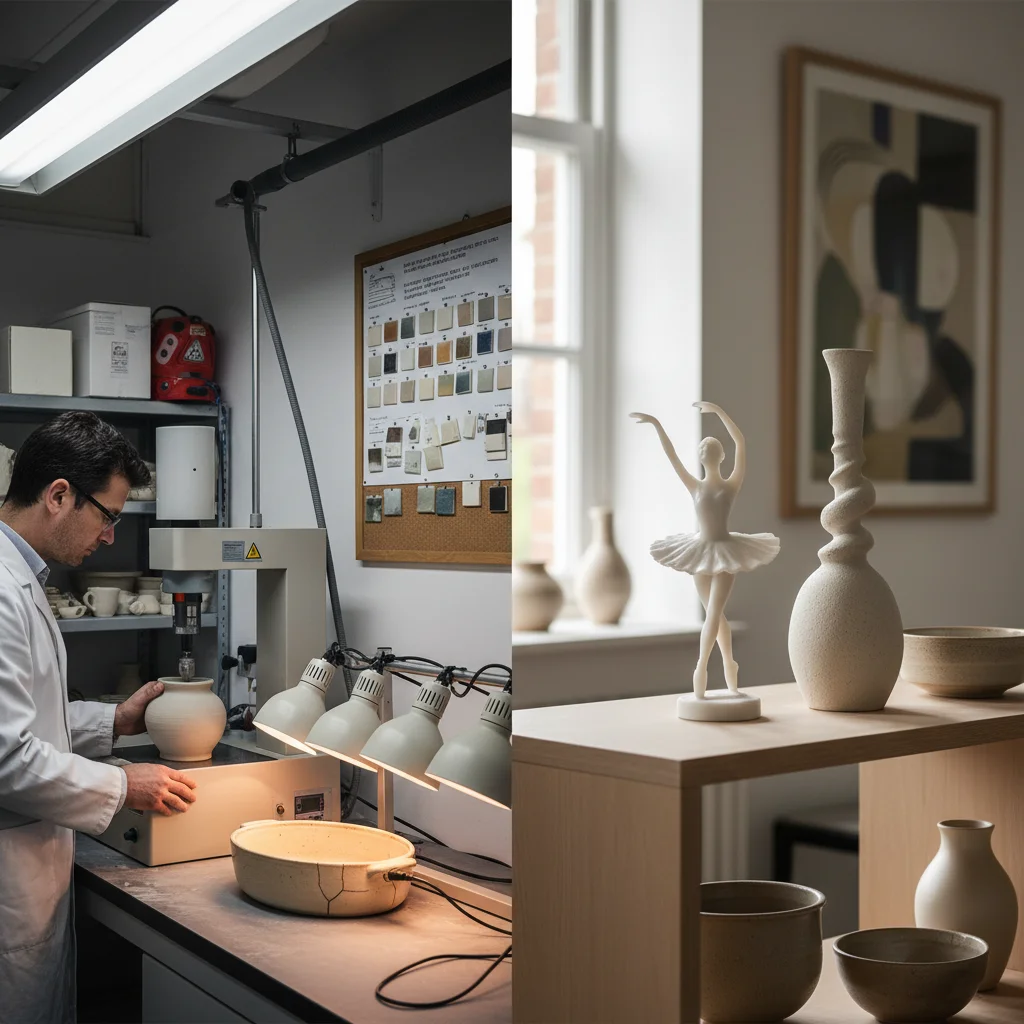
Beauty without utility—that’s decorative ceramics in its purest form. These pieces exist to delight your eye, not to hold your soup. A porcelain figurine perched on your bookshelf serves no practical function. Neither does that sculptural vessel with a neck too narrow for flowers. They don’t need to work. They just need to make you stop and look.
The global decorative ceramics market shows people value this aesthetic pleasure. The industry reached $15 billion by 2025, with projections showing steady 6% annual growth through 2033. That’s not small change for objects that “do nothing.” The decorative pottery ceramics segment alone—spanning figurines, vases, and sculptural pieces—hit $17.88 billion in 2025. It’s racing toward $28.51 billion by 2032 at a 7.1% CAGR. Beauty sells.
What makes a ceramic decorative rather than functional? Intent and design constraints. Decorative pieces put visual impact over usability. They can use non-food-safe glazes in toxic-bright hues. They can feature delicate parts that would snap off a dinner plate in seconds. Wall-mounted ceramic flowers don’t need to hold water. Sculptural bowls can have uneven bases that wobble on tables. Form wins over function every time.
The market spreads across very different price points and styles. Mass-produced porcelain figurines from Asia dominate volume—affordable, consistent, easy to find. China’s manufacturing strength delivers cost-effective pieces to big-box retailers worldwide. European makers in Italy and Spain craft high-end handmade works that command premium prices. A hand-painted ceramic sculpture from a Spanish artisan costs far more than a factory-molded vase.
Top manufacturers like Susan Robertson Pottery, CLASSILK DESIGN, Sporvil, and Arfai Ceramics lead innovation in 2025. The market stays somewhat concentrated—top 10 players control around 40% of revenue. Thousands of smaller regional producers claim the remaining 60%. This split makes sense. Decorative ceramics thrive on uniqueness and personal taste.
Product categories reveal the breadth: decorative plates that never see food, figurines collecting dust with love, vases chosen for shape over flower-holding capacity, garden ornaments weathering seasons, architectural tiles adding texture to walls. End users include residential collectors, interior designers, hotels, restaurants, and institutional buyers. Each group chases different aesthetics. Some want minimalist modern. Others prefer ornate traditional or whimsical contemporary.
Geography shapes production. North America wants both mass-market access and designer exclusivity. Eastern Europe provides raw material access. But Asia and Europe define the poles: volume versus artistry. Both answer the same human need. We surround ourselves with objects that spark joy, even when they can’t hold our coffee.
Key Differences Between Functional and Decorative Ceramics
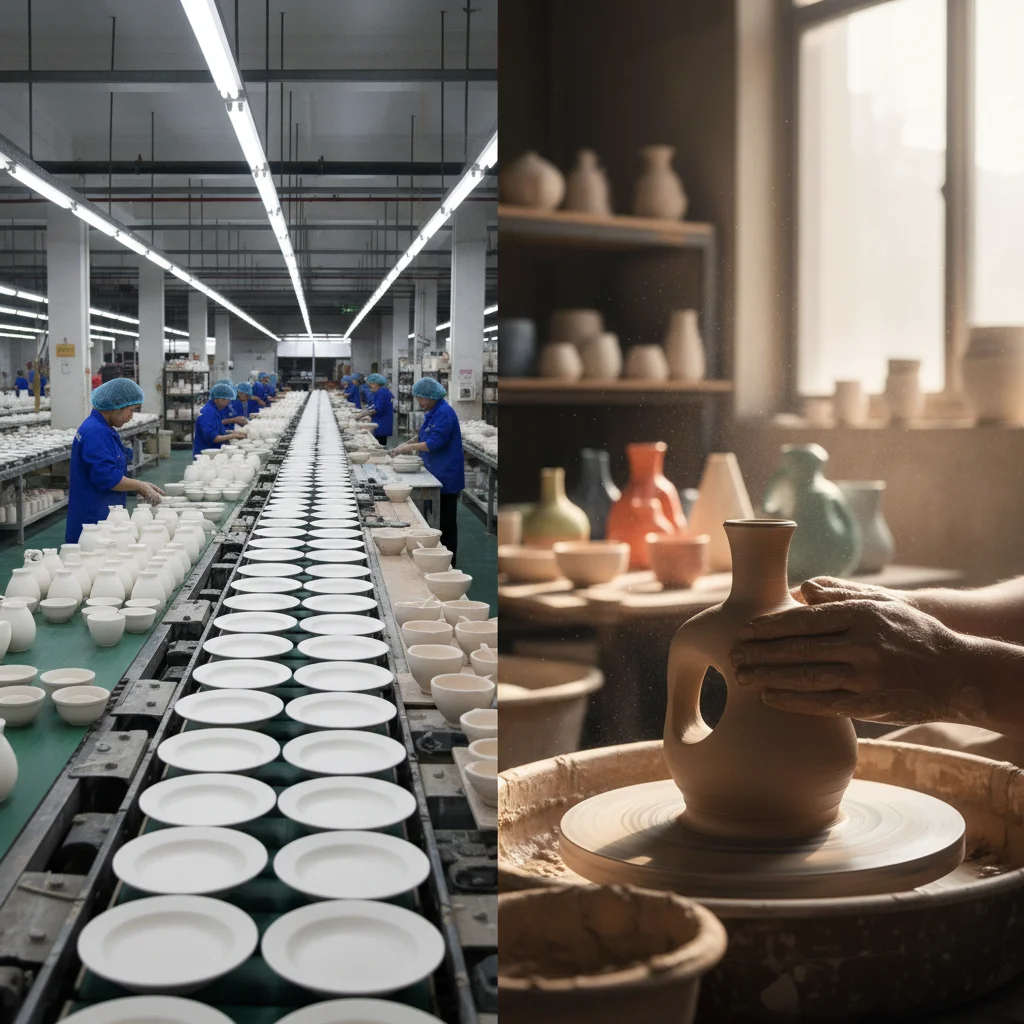
The split between functional and decorative ceramics isn’t always clear at first glance. Both come from clay. Both survive the kiln’s heat. But they diverge the moment the potter asks: What problem does this solve? That single question determines everything—shape, glaze, price, and the space it occupies in your life.
Design Intent Shapes Everything Else
Functional ceramics start with a problem. Your mug needs to hold 12 ounces of coffee without leaking. It can’t burn your hand. The handle must support the weight when full. These aren’t aesthetic choices—they’re engineering needs wrapped in clay. A functional piece that tips over or cracks under heat has failed. The glaze doesn’t matter.
Decorative ceramics flip this script. They’re born without a job description. A ceramic wall sculpture doesn’t need strength to hold books. An abstract vessel with a sealed top never has to contain water. Beauty becomes the only performance metric. The piece succeeds if it makes you pause, think, or feel something. Function? Optional. Often ignored on purpose.
This split drives every decision that follows. Functional potters obsess over rim thickness, weight distribution, and glaze durability. Decorative artists chase visual impact through asymmetry, texture, and color combinations that might crack or leach chemicals. Different goals. Different rules.
Form Follows Function (Or Rebels Against It)
Walk through any pottery studio and you’ll spot the difference fast. Functional pieces embrace symmetry and repetition. Dinner plates need uniform diameter to stack. Mugs require predictable handle placement so your fingers know where to grip. Bowls curve inward to contain liquids. These shapes evolved over centuries because they work.
Decorative ceramics reject those limits with enthusiasm. Sculptural vessels lean at impossible angles. Figurines balance on delicate points that would snap under weight. Wall-mounted pieces twist into forms that defy gravity because they’re mounted, not standing. Asymmetry becomes a creative tool rather than a flaw. The wobbly base that ruins a dinner plate becomes an intentional design feature in a display piece.
This freedom shows up in experimental techniques too. Decorative artists pierce walls with intricate cutouts. They stack impossible forms. They let clay droop or crack or warp during firing because the “flaw” creates visual interest. A functional potter can’t take those risks. Your casserole dish needs to survive actual use.
Color and Surface Treatment Tell Different Stories
Functional ceramics play it safe with glazes—and for good reason. Food-safe formulas restrict color choices. Bright cadmium reds and cobalt blues might leach toxins into your soup. Lead-based glazes that create gorgeous surfaces poison users over time. Functional potters stick to earthy tones: warm browns, soft greens, cream whites. Not because they lack imagination. Chemistry and safety demand it.
The glaze must also survive practical abuse. Dishwasher detergent attacks surfaces. Microwaves stress molecular bonds. Acidic foods (hello, tomato sauce) test chemical stability. Functional glazes need hardness, scratch resistance, and thermal expansion rates that match the clay body. Pretty comes second to performance.
Decorative ceramics explode with color freedom. Toxic bright orange? Sure—nobody’s eating off it. Metallic lusters that can’t handle heat? Perfect for a shelf piece. Experimental glazes that crack on purpose (called crazing) create visual texture that would ruin a water pitcher but enhance a sculptural vessel. Bold, vibrant, sometimes clashing hues dominate because there’s no safety committee to satisfy.
Surface treatments diverge too. Functional pieces need smooth food-contact surfaces. Decorative works embrace rough textures, raised patterns, carved details, and applied elements that would trap food particles or break off in use.
Production Methods Reflect Different Economies
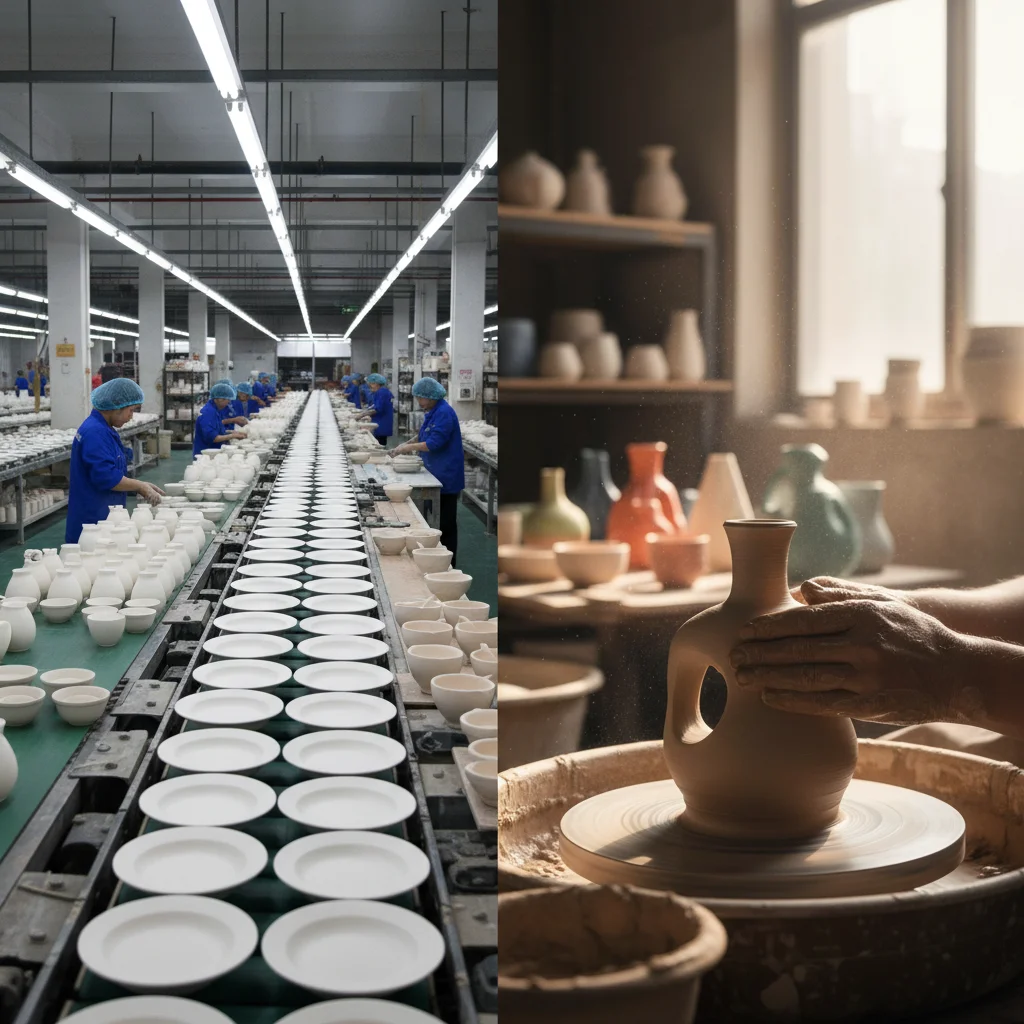
The market numbers reveal the production split. That $17.88 billion decorative pottery market reaching $28.51 billion by 2032 runs on a hybrid model. Mass-produced porcelain figurines from Asian factories satisfy volume demand at accessible price points. Factory consistency delivers predictable quality—every bunny figurine matches the last.
But decorative ceramics also support thousands of small artisan studios. High-end handmade pieces from European makers command premium prices because uniqueness itself has value. No two are identical. The irregularities prove human hands shaped them. This artisan segment thrives because buyers reject industrial uniformity.
Functional ceramics face different pressures. Yes, handmade pottery mugs sell at craft fairs and upscale kitchen stores. But functional pieces compete with cheap industrial alternatives. A factory can produce 10,000 identical plates per day at pennies each. Handmade functional pottery survives by offering superior quality, local connection, or artistic distinctiveness that justifies 10x to 50x price premiums.
Advanced ceramic manufacturing blurs these lines. Digital design tools and precision kilns now produce decorative pieces with handmade aesthetics at industrial scale. The growing demand for sustainable production pushes both categories toward reduced waste and eco-friendly materials—a trend that will reshape production methods through the next decade.
How You Interact Defines the Relationship
Functional ceramics create relationships through your routine. Your favorite coffee mug becomes an extension of your morning. You notice its weight, its heat retention, the way it fits your grip. Constant use builds familiarity and attachment. The chip on the rim tells a story. The faded glaze marks time passing. This interaction is physical, repetitive, intimate.
Decorative pieces speak a quieter language. They don’t require touch. A porcelain figurine controls the interaction—you admire from distance. It might remind you of your grandmother’s collection. It might anchor a color scheme in your living room. It might make you smile as light hits it right. The effect flows from object to viewer, not back. You don’t build muscle memory with decorative ceramics. You build emotional or aesthetic associations.
This difference in user interaction shapes purchasing decisions too. You’ll replace a broken functional mug because you need it. You’ll replace a broken decorative vase if you miss looking at it. One serves practical needs. The other serves psychological or cultural ones—heritage, beauty, status, or the pleasure of surrounding yourself with handmade objects in a mass-produced world.
The split between functional and decorative ceramics rests here: one category answers “What can it do?” The other answers “How does it make you feel?” Both questions matter. Both justify the clay, the fire, and the maker’s time.
The Intersection of Functional and Decorative Ceramics
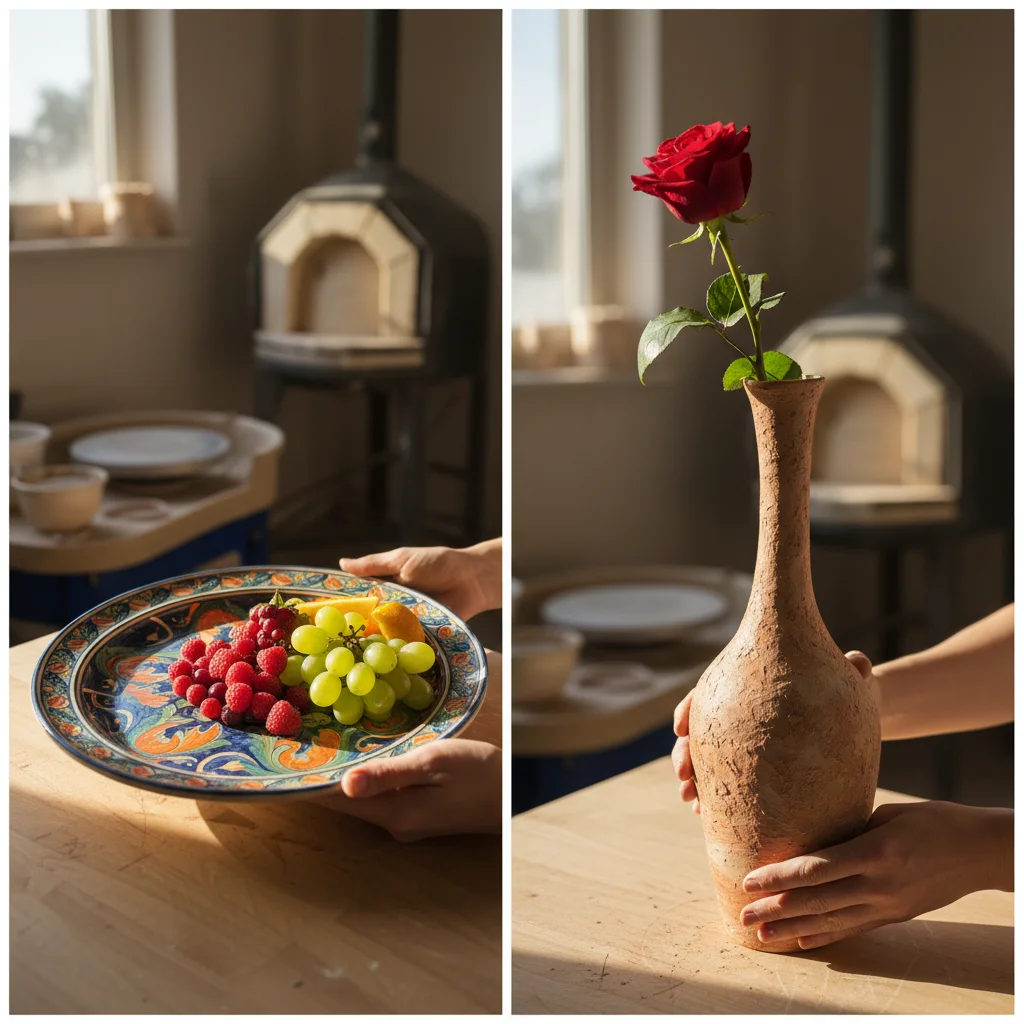
The line between functional and decorative ceramics blurs more than market reports admit. A hand-painted serving platter holds food and becomes your table’s centerpiece. That sculptural vase with the narrow opening? It still displays a single stem rose. The ceramic industry knows this—products now live in both worlds at once. The numbers prove consumers want that hybrid.
Sanitaryware tells this story well. The segment claimed 12.20% of the functional ceramics market in 2023. Walk into any modern bathroom showroom and you’ll see the shift. Toilet bowls and washbasins still need structural strength, heat resistance, and corrosion protection. Non-negotiable. But they now feature hand-glazed finishes, textured surfaces, and artistic patterns. These were pure decorative territory a decade ago. The shower plate becomes a design statement. The bathtub turns sculptural. Function doesn’t disappear—it gets dressed up.
Buildings and construction materials show the same convergence. Ceramic tiles, bricks, and pipes form infrastructure backbones. These practical items must perform under stress. Yet this segment leads end-user growth from 2026 through 2035. Why? Tiles now blur the utility-beauty divide. Interior designers specify ceramics for both load-bearing capacity and visual impact. A commercial lobby floor needs durability and style. The material delivers both or loses the contract.
Market Data Reveals the Hybrid Demand
The financial projections show how these categories intertwine. Functional ceramics reached $451.26 billion in 2025. They’re racing toward $2,287.91 billion by 2035 at a 17.63% CAGR. That explosive growth comes from traditional applications—yes. But more and more, it comes from products that refuse single-category labels. advanced ceramics serve automotive sensors while looking refined enough for visible placement. Medical bioceramics require tissue compatibility. But now they come in forms patients prefer visually.
Decorative pottery ceramics hit $17.88 billion in 2025. They’re climbing to $28.51 billion by 2032 at 7.1% annual growth. This “slower” growth still represents billions in spending on objects where beauty matters most. But dig into buyer behavior and you’ll find decorative pieces moving toward light functionality. That gorgeous bowl gets used—carefully—for keys or jewelry. The sculptural pitcher pours water at dinner parties.
Where the Categories Merge
Traditional functional ceramics dominated with 60.30% market share in 2023. But the remaining percentage now occupies hybrid territory. Pottery serves both pipe manufacturing and home décor display pieces. The same artisan craftsmanship techniques and sustainability concerns drive both segments forward. Urban consumers in compact homes demand objects that multitask. They want a decorative vase sturdy enough for flower arrangements every day. They want tableware beautiful enough to leave displayed between meals.
High R&D and technology costs challenge the functional side. This reduces demand as prices climb too high. But this pressure also pushes innovation toward dual-purpose designs. Why manufacture functional items only? Adding aesthetic appeal opens new buyer segments. The intersection isn’t accidental. It’s strategic adaptation to markets that want efficiency wrapped in beauty—ceramics that work and delight at the same time.
Conclusion
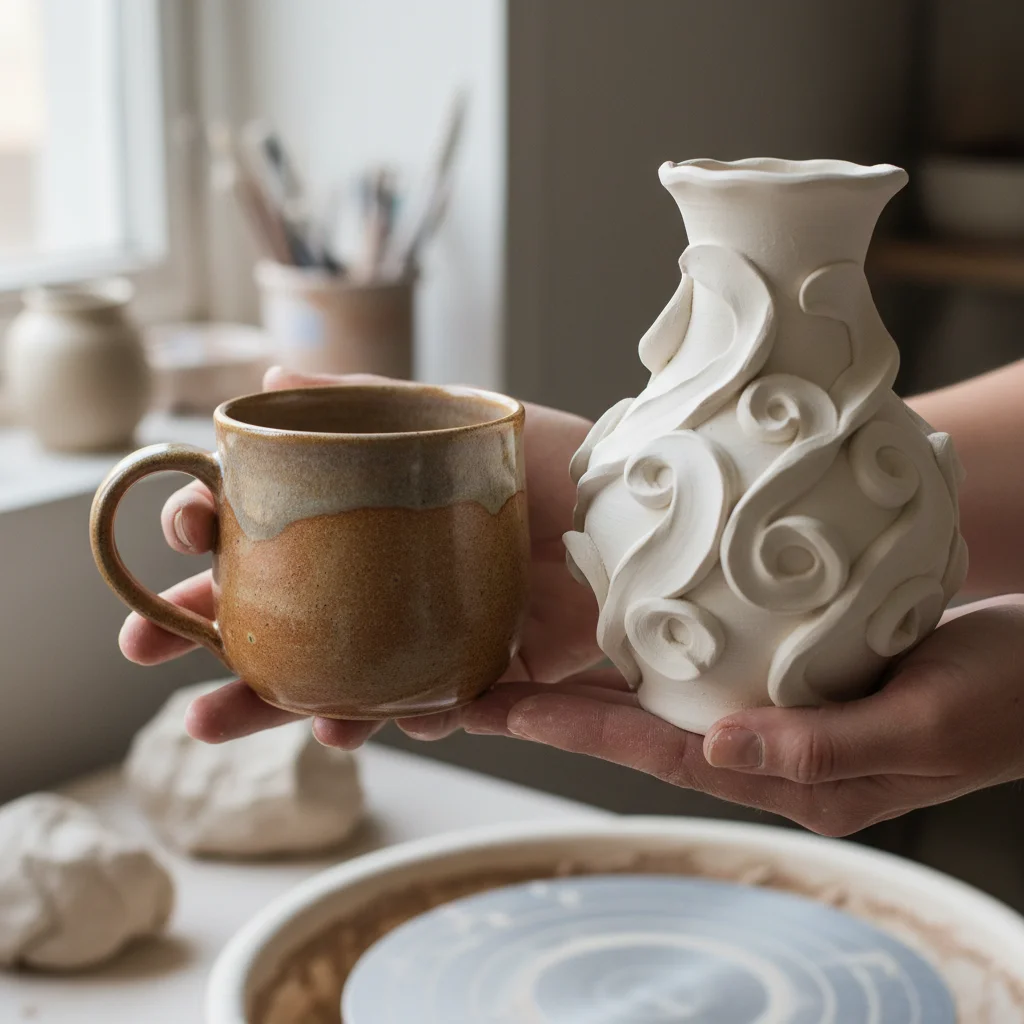
Here’s the beautiful truth about ceramics: they don’t have to choose a side. Maybe you love a rustic dinner plate for your morning coffee. Or perhaps a sculptural vase catches every guest’s eye. Either way, ceramics make our lives richer.
The difference between functional and decorative ceramics comes down to intent and design. One focuses on utility. The other celebrates pure artistry. But the most captivating pieces? They do both.
Build your collection with pieces that tell your story. Pick functional ceramics that spark joy each time you use them. Choose decorative works that make you pause and breathe. Found a rare gem that does both? Treasure it. Beauty and purpose work together, not against each other.
What is the difference between functional and decorative ceramics in your home? Take a look around and decide for yourself. The best collections are the ones that make you happy.