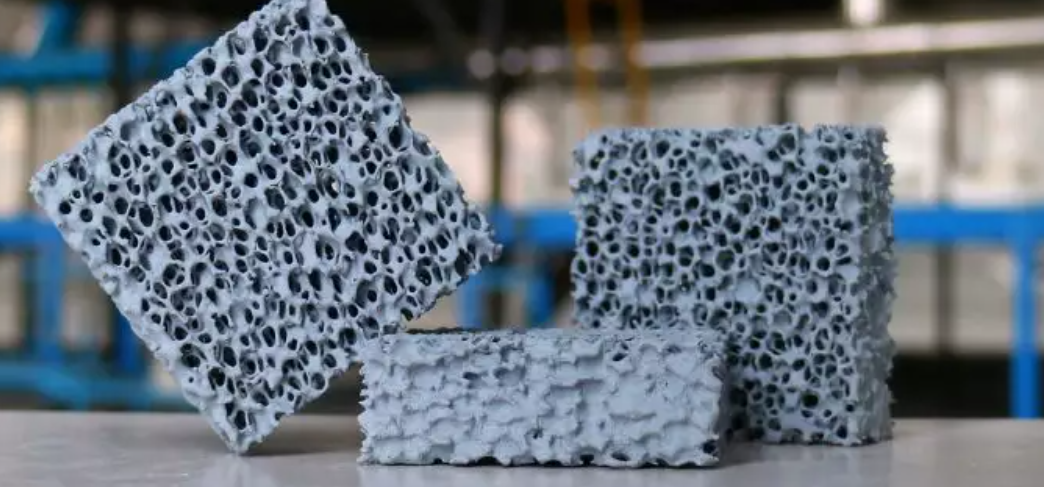
Quality issues in iron casting? They often start with one key part: the ceramic foam filter.
Finding the right supplier makes all the difference. You need someone who gets ferrous Metal Filtration—high thermal shock resistance, the right pore density for molten iron, and steady performance batch after batch. This separates top foundries from those stuck with high defect rates and scrap costs.
The global market has dozens of ceramic foam filtration companies for iron casting. But just a few have proven themselves with ductile iron, Gray Iron, and specialty ferrous alloys.
This analysis spotlights five manufacturers who’ve built their reputation over decades. They’ve done it through foundry partnerships, technical innovation, and real improvements in casting quality.
Sourcing filters for a high-volume automotive foundry? Or maybe a boutique art casting operation? The companies profiled here are your best bet. They’ll help you reduce inclusions, improve surface finish, and protect your bottom line.
FOSECO (Vesuvius) – Global Leader in Iron Casting Filtration
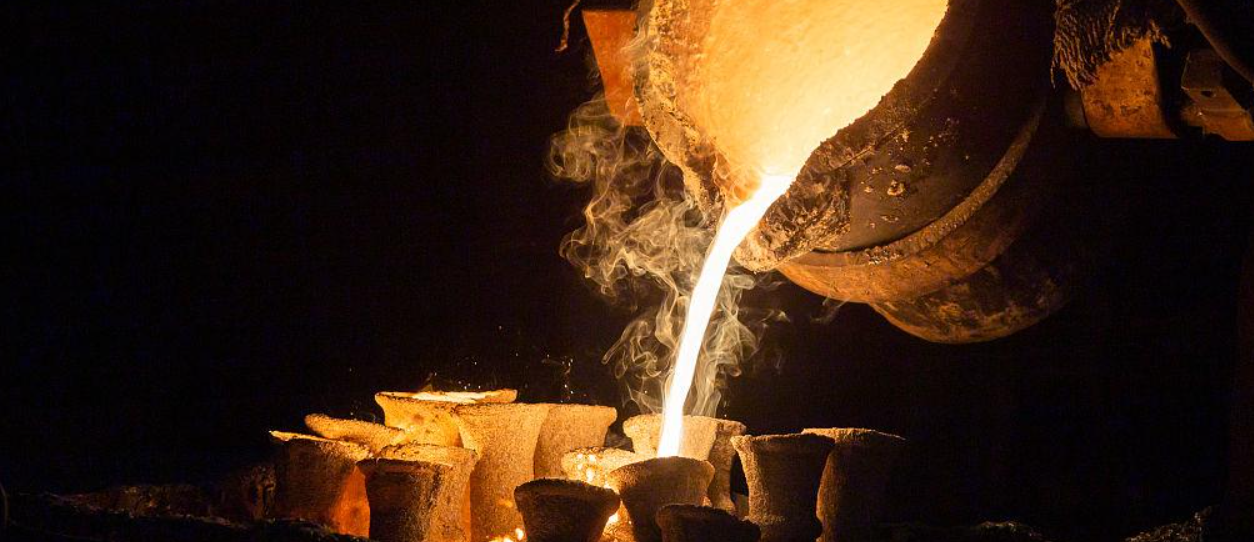
FOSECO runs as Vesuvius’s foundry technology division. They’ve spent decades solving tough problems in ferrous metal filtration. Their product lines target specific pain points: removing inclusions in high-volume production, controlling flow in large Ductile Iron castings, and reducing defects where traditional Silicon carbide filters fail.
The SEDEX series (SEDEX, SUPER SEDEX, SEDEX ULTRA) handles grey iron and ductile iron jobs. Filtration capacity matters most here. These ceramic foam filters for iron casting remove inclusions well. They also keep flow rates steady across large casting volumes. FOSECO’s engineering team ran flow analysis on standard filter print designs. They measured 4.5 kg/s flow rates with 24-second fill times. What they found matters for foundries.
Standard vertical filter prints give even flow across the entire filter face. Exit velocities stay low. The filter gets used fully, not just in hot spots. Reduced inlet designs work differently. You get 25% more metal rushing through single entry points (0.94 kg/s versus 0.75 kg/s). This pushes 23 kg through one area. Another section handles just 18 kg. The result? High turbulence. Non-uniform fill patterns. A tiny 0.6 kg yield gain. Not worth the defect risk.
FOSECO solved this with a simple fix: add a slag trap. It adds just 0.23 kg to casting weight. Flow profiles improve without losing yield. For 10-30 PPI filters used in DISAMATIC high-pressure molding lines, this design cuts velocities at critical ingate spots. Scrap rates stay down.
STELEX PrO: Carbon-Aluminum Oxide Filters for Large Castings
White iron and large Ductile Iron castings show where silicon carbide filters fall short. SiC filters cause chill defects. They lack capacity for heavy metal flows. Strength failures happen in tough jobs. STELEX PrO carbon-Aluminum oxide filters fix these problems.
Position STELEX PrO at the ingate—not at the downsprue base. You capture running system inclusions before they reach the mold cavity. Low-carbon and steel alloys prone to reoxidation need this. This placement stops contamination that ruins surface finish. Foundries report better fettling and cleaning operations. Flow capacity stays consistent. Friability drops way down. The filters don’t break apart and create new defects like old materials do.
STELEX ZR ULTRA (zirconia-based, similar tech) shows the performance gap. Friability drops 70-80% compared to standard filters. A foundry ran 400 castings with STELEX ZR ULTRA. Reject rates fell from 2.1% to 0.5%. That’s compared against 63,000 castings using 10 ppi standard filters at 2.8-3.1 second pour times. Finer pore sizes work without flow limits or capacity problems.
Simulation-Validated Filter Design Integration
FOSECO built their filtration tech into ESI ProCAST software. Foundries can simulate feeder and filter performance before production starts. Every gating orientation gets tested—vertical, horizontal, diagonal. All under the same pouring conditions. The simulations focus on full filter use over small yield gains. Foundries told them the trade-off isn’t worth it.
Less than 8% of global steel casting tonnage uses filtration right now. About 10 million tonnes remain unfiltered. FOSECO targets their specialized carbon-bonded alumina, SiC, zirconia, and graphite filter ranges on iron casting jobs where quality impact justifies the cost. Their additive manufacturing makes custom pore shapes and filter designs. Traditional manufacturing can’t match this.
FoundryMax Filters – 20 Years of Focusing on Customized Cast Iron Filtration Solutions
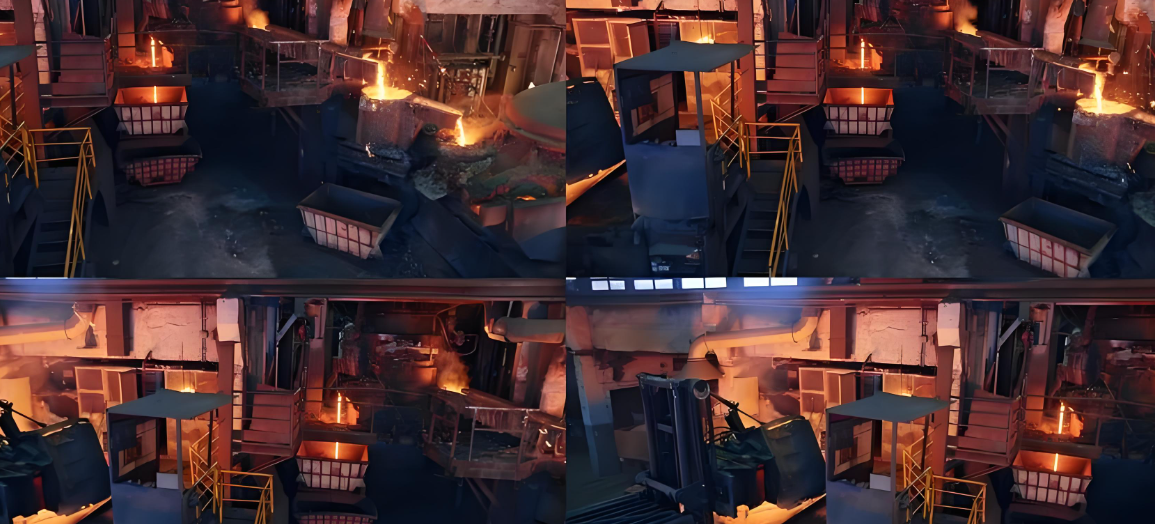
FoundryMax built their business around one idea: no two foundries pour the same way. Over 20 years, they’ve refined custom ceramic foam filtration solutions for iron casting that respond to what’s happening on your floor—not what a catalog says should work.
Their SiC (Silicon Carbide) Filters handle the thermal punishment of ductile iron, gray iron, vermicular iron, and alloy iron pours. The FM-01 series withstands 1500°C. FoundryMax sources high-purity SiC powder. They process it into foam structures that stay intact under molten metal shock. These filters work across standard sand casting, Investment casting, Die casting, and lost foam processes. Gating configurations don’t limit you. Direct, offset, and horizontal setups all function with the right filter geometry.
ZrO2 (zirconia) filters push thermal limits to 1700°C with the FM-03 line. FoundryMax optimizes these for steel applications—carbon steel, low alloy, stainless grades. The thermal headroom also works for specialized ferrous jobs where extreme temperature stability matters. They use imported stabilized zirconia. Batch-to-batch consistency comes from controlled formulas and simulation software that maps performance before production.
Pore density ranges from 10 to 60 PPI. Coarse grades move high volumes fast. Ultra-fine specs catch tiny inclusions down to 10-50μm particles. FoundryMax reports 95% inclusion removal efficiency across their filter lines. Foundries using their systems see scrap rates drop up to 35%. Porosity defects fall. Surface finish improves. Fettling time decreases.
Staged Filtration and Custom Engineering
Iron pipes, valves, and flanges demand clean metal. FoundryMax combines SiC ceramic foam with fiberglass mesh in staged filtration setups. Fiberglass mesh sizes run 0.8×0.8mm to 2.5×2.5mm. Flat sheets and cap-style options fit different runner shapes. The foam captures large slag and oxide particles. The mesh handles secondary filtration and flow distribution. This dual-layer approach reduces reoxidation during fill. It also cuts porosity in heavy-section castings.
Customization goes beyond dimensions. FoundryMax adjusts ceramic formulas based on your metal composition and quality targets. They’ve filed 8 patents on ceramic formulas and manufacturing processes. Another 5 patents sit pending for filtration technology advances. Their team runs ongoing optimization. Production data and controlled experiments feed back into filter recommendations. High-purity raw materials drive performance: SiO2 content exceeds 96%, MgO reaches 95% or higher in specialized grades.
FoundryMax supplies automotive foundries, aerospace makers, wind power component producers, and custom casting shops worldwide. Their filter technology integrates with existing molding lines. advanced coatings extend filter life. They maintain filtration performance across extended production runs. Your iron casting operation needs filters that adapt to real conditions instead of theoretical specs? FoundryMax delivers engineered solutions with two decades of foundry-floor proof behind them.
SEFU CERAMIC – China’s Largest Manufacturer of Ferrous Metal Filters.
Cangzhou Sefu Ceramic produces 5 million ceramic foam filters every month from their Guanting Industrial Park facility. That output makes them China’s largest supplier focused on ferrous metal filtration. They’ve built this capacity around two core materials: zirconia (ZrO2) and silicon carbide (SiO2) filters made for steel and iron casting operations.
Their Zirconia filters handle temperatures up to 1700°C. Porosity runs 80-90% across the filter body. This design keeps flow rates strong. It also maintains filtration efficiency. A 50×50×22mm zirconia filter moves 3-4 kg/s through carbon steel pours. Use it for alloyed steel and you get 4 kg/s flow capacity. Total capacity hits 50 kg before saturation. The compression strength holds at ≥1.2 MPa. Thermal shock testing proves durability. Six cycles from 1100°C straight to room temperature cause no structural failure.
Pore densities span 10-40 PPI. Coarser 10 PPI grades work for high-volume steel casting. Rapid fill times matter here. Finer 40 PPI specs target precision applications. These need sub-50μm inclusion removal. SEFU’s bulk density sits at 0.8-0.9 g/cm³. Light enough to avoid flow restriction. Dense enough to maintain structural integrity under molten metal pressure.
Pricing Structure and Production Standards
Volume pricing makes SEFU competitive for large foundry operations. 50×50×22mm zirconia filters (10 PPI) start at US$1.659 per piece for orders between 500-9,999 units. Scale up to 10,000-299,999 pieces and the price drops to US$1.615. Orders over 300,000 filters hit US$1.571 per piece. Lead times run 15-20 days after purchase order confirmation.
SEFU operates under ISO 9001:2015, ISO 45001:2018, and ISO 14001:2015 certifications. SGS third-party verification backs their quality claims. Every production batch goes through chemical composition analysis. Physical property testing follows. Post-production inspection confirms specs before shipment. Custom orders get full OEM support. Filter dimensions, shapes, and material formulas adapt to your casting needs. Samples ship either charged or free depending on specs and order potential.
Their filtration capacity data covers square and round shapes. A 150×150×30mm filter handles 17 kg/s flow in carbon steel applications. Use it for alloyed steel and flow jumps to 22 kg/s. Total capacity reaches 420 kg. Round filters perform similarly. A Dia 150×30mm unit flows 12.5-15 kg/s with 330 kg capacity. Payment terms include T/T, L/C, and Western Union options for international buyers.
SELEE Corporation – Industrial Porous Ceramic Filtration Experts
SELEE Corporation invented the ceramic foam filter in 1973. This one breakthrough changed how foundries handle metal cleanliness. Their original PBA (phosphate-bonded alumina) structure now makes up over 98% of all Ceramic foam filters used around the world. Five decades later, SELEE sets the standard for iron casting filtration.
Their Silicon carbide (SiC) ceramic foam filters for iron casting handle temperatures up to 2800°F (1450°C). You can pour gray iron, ductile iron, and Malleable Iron without damaging the filter structure. SELEE builds these filters with strong thermal shock resistance. This beats standard PBA designs during rapid temperature changes in complex casting runs.
The filtration works through deep bed filtering. High internal surface area creates winding flow paths. These paths catch slag, dross, and non-metallic bits. Metal keeps flowing at steady rates. SELEE controls size tolerances better than competitors worldwide. Their precise cutting keeps open-cell structures at filter edges. No blocked pores. No restricted flow zones. You get steady performance across square, rectangular, and round filter shapes.
Proven Quality Improvements in Iron Foundries
Foundries using SELEE filters save real money. Internal slag defects drop sharply. Surface machining problems decrease. Final part leaks and porosity failures fall. These aren’t small wins. You get higher casting yield and steady pour times across production runs. SELEE’s copper casting data (same filtering method) shows 35% fewer breakage problems. Nozzle blockage issues vanish. Slag-handling scrap rates hit near zero.
SELEE holds several patents for iron filtration tech: CN ZL200680029551.4 (better ceramic foam filters for molten iron) and IN 261331 (ceramic materials and filters for molten iron). These patents protect formulas built for ferrous metal needs. Their SiC filters offer more strength and toughness than filters made for aluminum or steel. Material makeup counts. Molten iron hits the filter face at high speed.
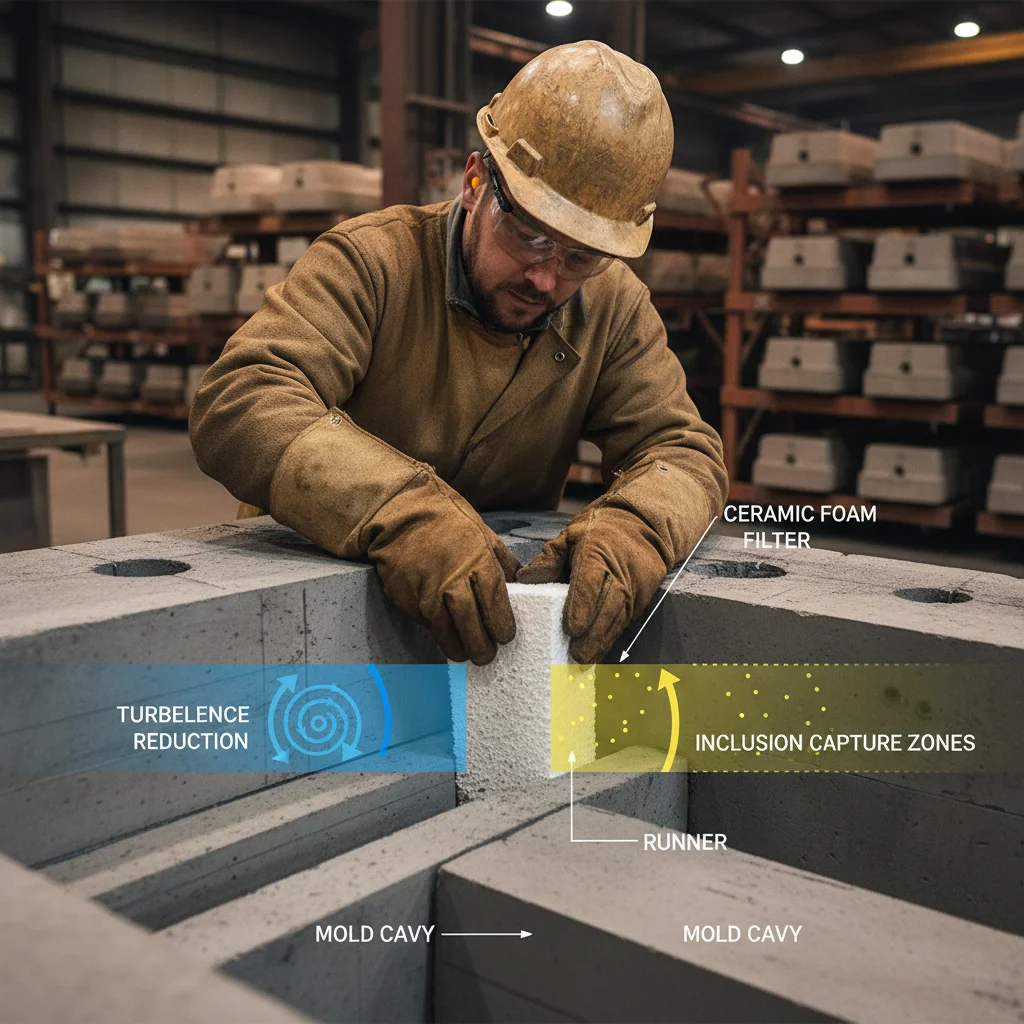
Filter location counts too. SELEE suggests placing filters in gating systems. This cuts turbulence and captures bits before the cavity fills. Their technical team helps with sizing. They look at metal flow rates, casting weights, and quality goals. Gray iron and ductile iron foundries see the biggest gains. Operations fighting inclusions, scrap costs, and machining losses see real improvements within weeks.
Midvale Industries – Century-Old Brand of Cast Filters
Midvale Industries started making ceramic foam filters for iron casting in 1901. That’s 123 years of foundry experience. Few filtration suppliers have this kind of manufacturing history in ferrous metals.
The company built its reputation on consistency. Gray iron and ductile iron foundries need filters that perform the same way every time. Midvale does this through tight quality control. We’ve refined our manufacturing processes over a century.
Our Silicon Carbide filter lines handle standard iron casting jobs. Temperature resistance works well for typical pour ranges. Thermal shock performance hits industry standards. The filters fit conventional Sand casting setups and high-pressure molding lines.
Traditional Foundry Partnership Approach
We focus on long-term foundry relationships. Aggressive market expansion? Not our style. Our customer base includes automotive part makers, valve producers, and industrial casting operations. Many partnerships go back decades.
We operate with less marketing visibility than global competitors. This doesn’t mean we lack technical capability. It shows a business model built on repeat orders from established clients. Foundries want predictable supply. We give them stable delivery schedules and consistent product specs.
Filter customization? You get standard shapes and pore densities. Our engineering team works with foundries on gating system integration. Technical support covers placement tips and performance tuning. This approach fits operations that want proven solutions. Cutting-edge innovation takes a back seat.
Midvale Industries is a solid pick for foundries wanting reliable ceramic foam filtration. You get real manufacturing heritage in iron casting applications.
Comparison of Key Selection Parameters for Cast Iron and Ceramic Foam Filters
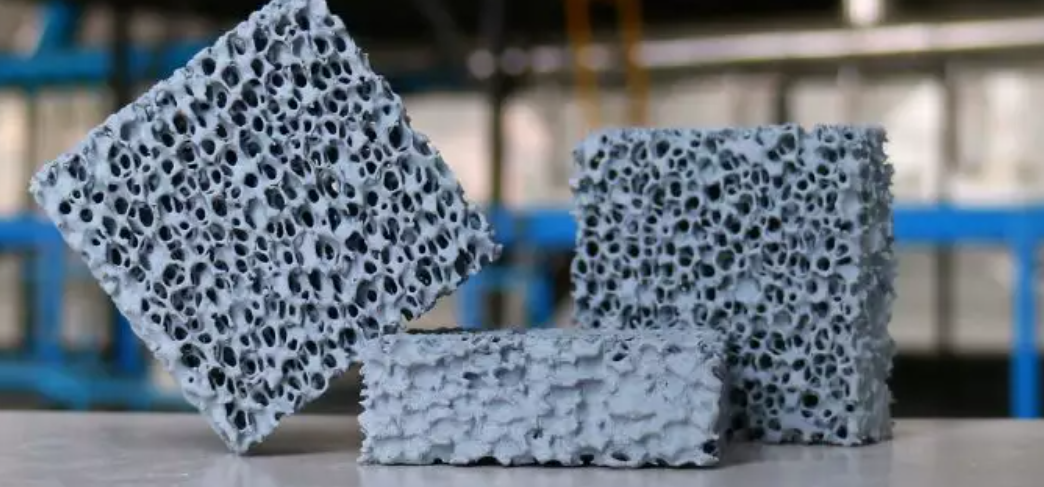
Four numbers decide if your ceramic foam filter works or fails: PPI density, surface area, thickness, and startup head pressure. Get these wrong? You’ll face blocked filters, breakthrough defects, or wasted material costs.
Formula for Matching PPI Value with Molten Iron Characteristics
PPI (pores per inch) selection follows your iron’s chemistry—not catalog recommendations. High sulfur and phosphorus content creates larger slag particles. These particles need breathing room. Impurities concentrate and ball sizes grow.
Flow behavior dictates pore density choices:
-
Sluggish iron (high S/P content): Use 20-30 PPI minimum. Smaller pores choke on particle loads. Ductile iron operations face this issue often.
-
Standard gray iron: 10-20 PPI handles most jobs. Clean melts with controlled chemistry stay in this range.
-
Precision casting requirements: 30 PPI captures finer inclusions. Surface finish gets better. Machining allowances get smaller.
-
Ultra-fine 80 PPI grades: Don’t try these without electromagnetic assistance. Flow resistance kills fill rates. The metal won’t push through on its own.
Pour temperature matters just as much. Iron above 1400°C melts through thin filters. You need thicker sections. Fast pour rates demand larger pore openings. Thin-wall castings require finer PPI to prevent uneven distribution. You’ll balance filtration efficiency against flow capacity.
Other Iron Casting Filter Suppliers Worth Your Attention
Beyond the big names, some specialized makers offer ceramic foam filters for iron casting. These target specific regions and technical needs. They don’t aim for global fame. They’ve built strong positions through local service, material knowledge, or chemistry-based performance.
Filtec Precision Ceramics leads in high-purity alumina. Their filters hit 99.6% Al2O3 purity. This is critical for precision steel casting. Contamination destroys surface finish and strength. Standard ceramic foam filters can add trace elements. Filtec’s ultra-clean formula stops this. Aerospace parts, medical device castings, and high-value industrial components need these filters. Defect rates must stay close to zero. The higher price shows specialty focus—not mass production.
Lanik controls European and Latin American markets through regional plants. Their Alumina foam ceramic filters help foundries that want local sources. European plants need to cut import dependence. China provides over 80% of global iron ore. Foundries buying filters nearby reduce shipping risks and wait times. Lanik operates in growth markets. Europe ranks second in the world for casting tech investment. This gives them distribution benefits. They don’t compete on new ideas. They win on closeness and fast service.
Jinan Shengquan Group is one of the world’s largest foundry materials suppliers. They make Ceramic filters, furan resins (120,000-ton capacity per year, 100,000 tons sold in 2017—world leader), and feeders. Ceramic foam filter output for steel casting reaches 14,000 cubic meters per year. They ship to 40+ countries. This size gives them pricing power on standard iron casting types. Chinese foundries get quick delivery and volume discounts. International buyers find good prices but deal with longer shipping.
ASK Chemicals and Huettenes-Albertus complete the picture. Both started in Germany. Both run China factories (Zhenjiang and Nantong). Their liquid metal filters and related casting materials form complete foundry packages. Buying resin systems, inoculants, and exothermic sleeves? Get filters from the same supplier. This makes buying easier and coordinates technical support better.
Conclusion
Your ceramic foam filtration partner affects your iron casting quality. FOSECO offers proven global infrastructure. FoundryMax specializes in customization. SEFU CERAMIC provides cost-effective Chinese manufacturing. Each of these 5 best ceramic foam filtration companies for iron casting brings clear benefits to your production line.
The key? Match your filter supplier to your operational needs. Price shouldn’t be your only factor. Check pore density requirements for your alloy composition. Look at delivery logistics for your location. Consider technical support depth for your team’s experience level. SELEE works well for complex industrial applications. Midvale brings a century of experience that foundries trust.
Your next move: Request sample filters from 2-3 suppliers that fit your casting specs. Run side-by-side trials. Measure inclusion removal rates and metal yield improvements. The data shows which partnership delivers real ROI.
Superior filtration isn’t an expense. It cuts your scrap rates. It reduces machining costs. It helps you win contracts that need premium casting quality. Choose smart. Test well. Watch your rejection rates drop.