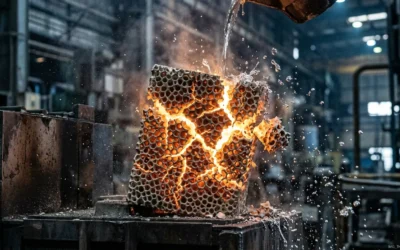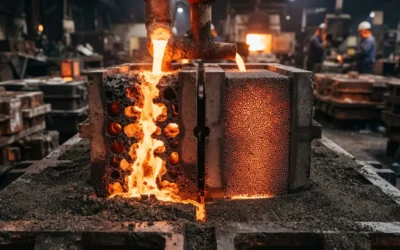
A cracked filter mid-pour. A scrap casting nobody can explain. A batch that fails inspection after the same setup worked flawlessly last week. If you're running a foundry floor, ceramic foam filter problems cost you more than a part—they cost hours of diagnostic...
Foam Filters
How Does Metal Flow Through A Ceramic Foam Filter?
Molten aluminum surges toward a ceramic foam filter at over 700°C, moving fast, moving rough—and then, almost instantly, slows into a calm, orderly stream on the other side. Fluid dynamics collides with a labyrinth of interconnected pores, and understanding exactly...
Sic Vs Zirconia Ceramic Foam Filters: Which Is Better For Metal Casting?
Your production line is down, a batch of castings just failed inspection due to inclusion defects, and your filter supplier is pushing you toward whichever product has the fattest margin, not necessarily the one that fits your furnace temperature or metal type. Sound...
How To Calculate Casting Ceramic Foam Filter Flow Capacity: Step-By-Step Guidance
A wrong ceramic foam filter gives you a casting riddled with inclusions, misruns, or a mold that never fills. Most gating system design guides skip the math and leave engineers guessing at filter size based on what worked last time. That habit gets risky when pour...
How To Choose Ceramic Foam Filter Material: Al₂O₃ Vs Sic Vs Zro₂ Vs Mgo
Pick the wrong Ceramic foam filter material, and you won't find out until the metal has already solidified, with inclusions baked into a casting you can't recover. That’s the real cost of guessing between Al₂O₃, SiC, ZrO₂, and MgO, and it explains why foundry...
Ceramic Foam Filter Ppi: How Ppi Affects Filtration, Flow Rate And Casting Quality
A single number stamped on a Ceramic foam filter—10, 20, 30 PPI—can quietly make or break an entire casting run, yet it's one of the most misunderstood specs on the foundry floor. Choose too coarse a filter, and inclusions slip straight through into your castings. Go...