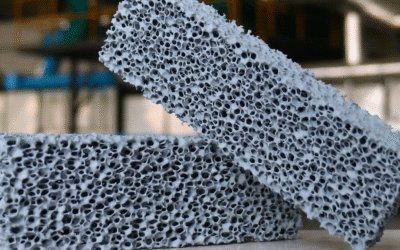
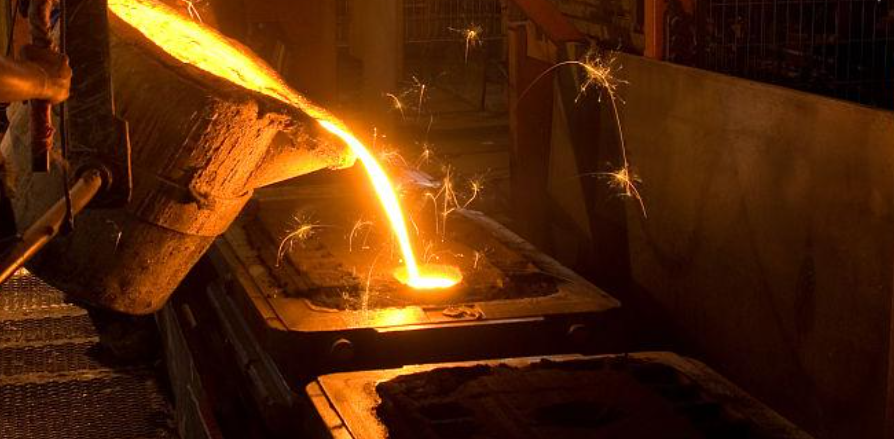
Steel casting quality depends on one critical factor that many manufacturers miss: the foam filter. This filter protects your molten metal from inclusions and impurities. A poor filter doesn’t just harm your final product. It costs you time, materials, and reputation in a competitive market.
Finding reliable foam filter companies for steel casting in China can feel tough. Countless suppliers claim they’re the best, but few deliver consistent performance. That’s why we’ve done the research for you. This guide profiles the five most trusted manufacturers. They combine advanced ceramic foam technology with proven success in steel foundries around the world.
Baoding Ningxin Group Co., Ltd. (NINGXIN)
Baoding Ningxin Group makes refractory materials in China. They’re a major player in this industry. But here’s the thing – you won’t find much public data on their steel casting foam filters. Other companies share more technical specs.
The company runs production facilities in Baoding, Hebei Province. This puts them right in China’s northern industrial belt. Many foundry suppliers work from this area.
Product Range and Applications
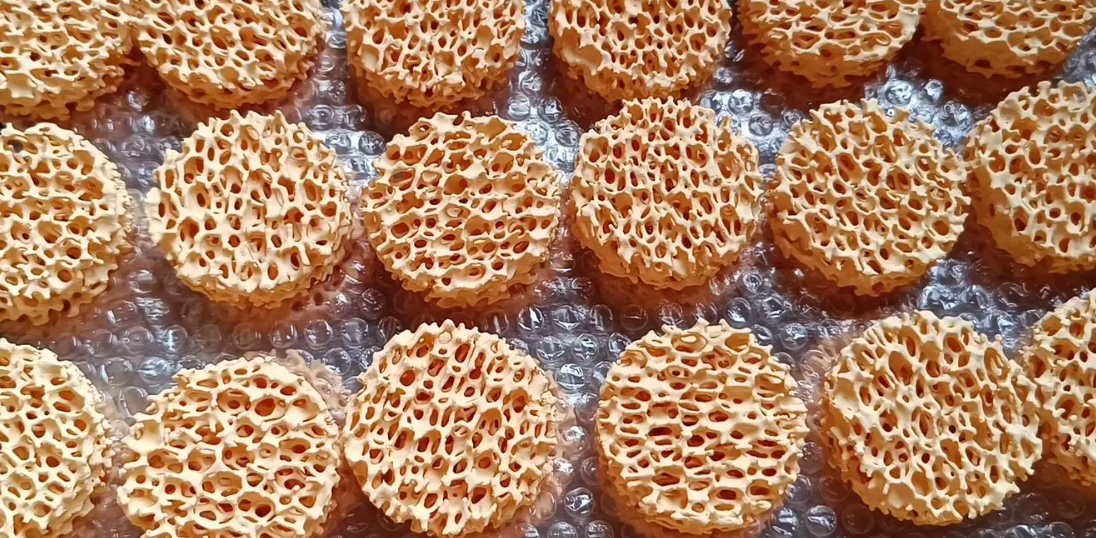
NINGXIN makes ceramic foam filters for metal filtration. These work with both ferrous and non-ferrous metals. Steel casting is their main target market.
You’ll need detailed specs, right? Things like pore density (PPI ratings), temperature limits, or filtration efficiency numbers. These aren’t easy to find in standard industry reports. So you might need to contact NINGXIN directly. This is especially true if your casting work needs precision.
China’s ceramic foam filter market is growing fast. Analysts say it will hit $412.93 million by 2025. Chinese foundries keep raising their quality bars. Export-grade steel products now require strict inclusion control. There’s no getting around it.
Market Position Considerations
Industry leaders publish lots of case studies and certifications. NINGXIN takes a different approach. Their public profile shows general manufacturing abilities. You won’t see many specific steel casting success stories.
Data on their operations is scarce. Annual tonnage filtered? Number of partner foundries? Quality control details? Standard business databases don’t have this info.
Are you checking out NINGXIN for your steel casting needs? You’ll need to dig deeper. Get sample testing reports from them. Ask for client references – steel foundry ones specifically. Check if their production capacity matches what you need.
Ceramic foam filtration needs proven results. Look for suppliers who show solid porosity control. They should have thermal shock resistance data. Contamination reduction numbers matter too. Get these details before you place bulk orders.
Want to know their prices? You’ll need to talk to them directly. They don’t post standard rate cards. Minimum order quantities work the same way – direct talks only.
SEFU Ceramic
SEFU Ceramic focuses on metal filtration systems. Their ceramic foam technology also works for steel casting. These zirconia ceramic foam filters handle extreme heat and harsh molten metal conditions. SEFU publishes detailed tech specs openly. Most competitors hide this data behind inquiry forms.
Technical Specifications and Performance Data
SEFU’s zirconia ceramic foam filters deliver 80-90% porosity. Volume density sits between 0.35-0.45 g/cm³. These numbers matter for molten metal filtration. Higher porosity gives you better flow rates. Filtration efficiency stays strong.
Pore density options range from 10 to 50 PPI (pores per inch). Lower PPI ratings suit coarser filtration in high-volume steel casting. Higher PPI catches finer particles for precision work.
Mechanical strength specs include:
– Bending strength: 0.6 MPa
– Compression strength: 0.8 MPa
– These ratings keep filters solid under molten metal pressure
Size Range and Capacity Charts
SEFU produces square filters from 40×40×22 mm up to 150×150×25 mm. Round filters span Dia50×22 mm to Dia90×22 mm. Size tolerance sits at -1.5/+0.5 mm across all products.
Their honeycomb ceramic filters work differently. Density ranges from 0.7 to 1.8 g/cm³. Compression strength exceeds 15 MPa. These handle impact thermal resistance up to 800°C.
SEFU also makes ceramic plate filters in sizes from 7 to 26 inches. Their pouring cups use high alumina silicate rated for 1650°C operations. This is well above typical steel casting temperatures.
Yi Yang Foammetal New Material Co., Ltd. (FOAMMETAL)
Yi Yang Foammetal sits in Hunan Province’s New Materials Industrial Park in Ziyang. The company started in 2015 with 120 million yuan in total investment. That’s serious capital for specialized foam metal production.
FOAMMETAL has over 10 years of experience in porous metal materials for the steel casting filter market. Their production line handles multiple foam metal types. You get nickel foam, copper foam, iron foam, and iron-nickel foam variants.
Product Range Beyond Standard Filtration
The company makes more than basic ceramic foam filters. Their porous metal foam works in many industrial uses. You’ll find their products in EMI shielding solutions too.
Main product categories include:
– Porous metal foam – core filtration material
– Nickel and copper foam – high-temperature resistant options
– Iron foam and iron-nickel foam – designed for ferrous metal casting
– Conductive shielding products – conductive foam, fabric, and fabric tape
This product variety shows their flexible manufacturing. Steel foundries need suppliers who know different metal properties and heat needs.
Manufacturing Infrastructure and Support
FOAMMETAL runs a self-built factory for foam metal R&D and production. They control the full process from material development to final product delivery. This setup gives better quality consistency.
Their clients range from large corporations to small businesses worldwide. Wide geographic reach helps you maintain reliable supply chains for steel casting operations.
The company provides 24/7 online support for pre-sales questions and after-sales service. All-hours availability helps with production issues during night shifts or weekend runs. Fast technical responses stop expensive downtime in continuous casting operations.
Jinan Heqid Supply Co., Ltd.
Jinan Heqid Supply Co., Ltd. shows up in Chinese trade databases as an import company. Public records reveal little about their operations. Established foam filter makers provide much more information.
Trade data shows just 3 shipment records for this company. These shipments went to bottle importers. None involved steel casting materials. Their link to foam filter production for steel foundries? Unclear from available records.
Limited Market Presence and Verification Challenges
Jinan Heqid has no published factory details. You won’t find information about:
– Production floor size or equipment capacity
– Quality control systems or testing labs
– ISO certifications or industry approvals
– Technical staff qualifications
Their address is Jilin Province, Airport Road 7299, Unit 405 in the Economic and Technological Zone. This might be an affiliate office or admin location. The spot doesn’t match typical steel casting filter production areas in Hebei or Henan provinces.
Product Line and Technical Data Gaps
Zirconia ceramic foam filter specs? Not published anywhere. Standard supplier materials are missing:
– PPI range options for different casting needs
– Temperature resistance ratings
– Filtration efficiency percentages
– Size availability charts
Customer references from steel foundries? None available. Case studies showing contamination reduction? Not found. Delivery capacity data? Absent.
Price comparisons against verified makers like SEFU or FOAMMETAL? Can’t be done. No rate information exists in industry databases or supplier directories.
Considering Jinan Heqid for steel casting foam filters? Request extensive documentation first. Get sample products with third-party test reports. Visit their facility to check actual production capabilities before placing orders.
FoundryMax Filters
FoundryMax Filters has 20+ years of experience in the business of ceramic foam filters for steel casting. China’s filtration market is tough. This track record shows they have solid production systems and know-how that new suppliers don’t have.
The company focuses on ZrO2 (zirconia) and SiC (silicon carbide) ceramic foam filters. Both materials handle extreme heat during steel pouring. Silicon carbide filters take the thermal shock from 1500°C molten steel. They don’t crack or break down.
Performance Data Across PPI Grades
FoundryMax shares exact filtration numbers for different pore densities. They test at 1500°C with 50kg steel pours. Here’s what you get:
-
10 PPI filters remove 85-92% of inclusions. Gas porosity drops 60-75%. Good choice for ductile iron, steel, and copper alloy casting. Coarser filtration does the job here.
-
20 PPI models catch 78% of 80-micron particles
-
50 PPI versions hit 92% efficiency on 10-micron contaminants
-
60 PPI filters reach 95% filtration for particles down to 5 microns
Higher PPI means tighter filtration. But metal flows slower. Match pore density to what you need for quality and production speed.
Flow Capacity and Size Options
FoundryMax gives you size-to-capacity data. This helps calculate filter needs for different pour weights:
-
7-inch filters: 22-56 kg/min flow rate, 75% effective filtration area
-
12-inch filters: 50-156 kg/min capacity, 80% active area
-
26-inch filters: 276-830 kg/min throughput, 90% working surface
Bigger filters mean better flow rates. You also get higher effective area percentages. Take a 40×40×22 mm silicon carbide filter setup. Filter quantity changes based on your capacity target. Processing 4 kg/cm² takes 16 filters. Bump it up to 30 kg/cm² and you need 20 filters.
FoundryMax supplies foundries around the world. They meet global metalcasting standards. But here’s a gap: they don’t share pore size distribution charts. No thermal cycling test results either. Chemical compatibility data is missing too. Some engineers ask for this info to match specs.
Comparison of Key Technical Parameters of Foam Filters for Steel Casting
Your material choice controls filter survival at extreme heat. Two ceramic materials lead in steel casting filtration: ZrO2 (zirconia) and SiC (silicon carbide). Heat and chemical stress affect each one in different ways.
Material Temperature Resistance and Chemical Stability
ZrO2 filters handle temperatures ≥1600°C. High-alloy steel casting needs this heat tolerance. Extreme heat runs constant in these operations. Zirconia resists alkaline steel melts better than silicon carbide. Failure rates drop 10-15% compared to SiC in high-pH molten metal setups.
SiC filters run at ≥1500°C. They work for cast steel and cast iron both. Acidic steel melts (pH 4-8) bring out their best chemical stability. High temperatures don’t weaken their oxidation resistance. Deformation stays under 5% at 1400°C.
Alkaline casting setup? Pick zirconia. Acidic steel melts? Silicon carbide wins.
How Pore Density Affects Steel Flow and Filtration
Pore density sets your balance between flow speed and particle capture:
-
10 PPI (6mm pore size): Flow rate jumps 20% higher than standard grades. Thick, viscous steel melts work best here. You remove 60-70% of large particle inclusions. Total efficiency reaches 70-80%.
-
20 PPI (3mm pores): General steel casting relies on this grade. Efficiency hits 85-90%. You catch 80-85% of medium-sized particles. Flow stays moderate. Pressure needs stay low.
-
30 PPI (2mm pores): Efficiency climbs to 92-95%. You remove 90-95% of small particles. Flow slows down here. Thick melts increase clogging risk.
-
50-80 PPI (1mm pores): Maximum filtration at >95% efficiency. You capture 95-99% of micro-inclusions. Pour head pressure above 400mm keeps flow going. Preheating is a must.
Calculate filter area with: S = G/R (G = total steel weight in kg, R = capacity rate of 0.5-1 kg/cm²/min).
Premium filters cost more upfront. They deliver lower clogging rates and longer service life. Match your filter choice to pour volume and quality needs. This gives you the best cost-performance.
How to Choose the Right Foam Filter Supplier for Your Steel Casting Project
Your supplier choice affects your steel casting quality. Pick the right one and you get consistent results. Pick wrong and defects keep coming back. Five key factors help you spot reliable foam filter makers.
Precise Matching of Steel Grades and Filter Materials
Each steel grade needs its own ceramic material. Zirconia (ZrO2) filters are required for casting carbon steel, alloy steel, and stainless steel. These filters work at temperatures over 1760°C. They don’t break down. Zirconia gives you strong thermal shock resistance. Plus, it stays mechanically strong under extreme casting heat.
Steel work uses 10 to 70 PPI pore density. You need finer pores than iron casting. Finer pores catch smaller oxide bits. Low PPI works for high-volume jobs. High PPI suits precision castings. Particle control matters most here.
Silicon carbide (SiC) filters offer an alternative solution. You get excellent strength and thermal stability. The surface area for filtration is large. Alumina filters with carbon bonding perform well in steel casting tests. But you’ll need custom specs based on your melt chemistry.
Capacity Matching and Delivery Capability Verification
Check if the supplier’s capacity matches your production scale. Find manufacturers that handle 100 tons daily minimum. This keeps your supply steady during busy periods. No delays.
Ask about delivery times for custom specs. Standard sizes ship fast. Custom sizes like 10×10×10 cm filters take longer. Check packaging choices – cardboard boxes for small orders, wooden pallets for bulk. Make sure shipping ports (Shanghai or Qingdao are common) fit your logistics.
Big operations gain from advanced tracking systems. Some makers put data chips in filter batches. These chips track melt cleanliness in real-time during your casting.
Weighting of Quality Certification and Technical Support
Choose suppliers with ISO and CE certifications for zirconia, silicon carbide, and alumina filters. These prove they follow solid manufacturing standards. Quality control is consistent.
Technical support makes up 40% weight in your supplier check. Top makers give you full-cycle design services. This covers concept work, inspection, and prototype making. One supplier means no coordination headaches with multiple vendors.
Get test samples in the 10-100 PPI range. Test them with your actual steel melt. Check how well they remove solid and liquid inclusions. Do this before placing big orders.
Total Cost Analysis Framework
Base pricing uses standard specs: 1kg weight, 10×10×10 cm dimensions. Your material pick (zirconia, silicon carbide, or alumina) changes unit costs a lot.
Shipping takes under 10% of total costs with standard export packaging and pallet grouping. Orders over 100 pieces usually get 20%+ discounts through long-term deals.
Break down costs this way: unit price (40%) + shipping (20%) + volume discounts (40%). Carbon-bonded alumina has the lowest custom costs for special steel casting jobs.
After-Sales Service Response Standards
Quality problems need fixing within 24 hours. That’s the industry standard. Suppliers should train you on filter installation and filtration tuning.
Full support covers design tracking through your production cycle. Leading makers give expert help on microparticle control checks. See if they have their own systems for complete filtration management.
Rate service factors like this: training and guidance (30%) + response time (40%) + problem resolution (30%). Quick response stops expensive downtime during continuous casting.
Conclusion
The right foam filter partner affects your steel casting quality, production efficiency, and profits. This guide covered China’s top 5 foam filter companies for steel casting. Each brings unique strengths. FoundryMax offers a wide product range. SEFU provides advanced ceramic technology. FOAMMETAL specializes in materials engineering.
Your decision depends on three key factors: your filtration needs, production volume, and quality standards. Price matters, but don’t stop there. Technical support counts. So do customization options and proven results in steel casting applications.
Ready to move forward? Request technical specs and sample batches from 2-3 suppliers on this list. Compare their filtration efficiency data against your steel grade requirements. Ask for case studies from similar casting operations. The best foam filter companies for steel casting in China see themselves as your manufacturing partner, not just a product vendor.
Your perfect casting quality starts with the right filtration choice. Make it count.