Ever wondered why some metal parts last for years while others wear out fast? I believe choosing the right material for metal casting is a bigger deal than most people think. It’s not just about picking steel or aluminum. Strength matters. Weight matters. Cost and corrosion resistance play a part too.
Common Metal Casting Materials
I suggest you consider these key factors when selecting metal casting materials: strength, weight, corrosion resistance, and cost. Here’s my overview of the most common metal casting materials and their main features:
Cast Iron
Cast iron has over 2.1% carbon. This makes it perfect for parts that need durability and wear resistance. Gray cast iron is the most common type. I recommend it for engine blocks, brake components, and pump casings. These parts face static loads. It makes up about 80% of all cast iron produced. Malleable cast iron starts as white cast iron. It goes through graphitization. Use it in components that face impact. Ductile iron has spheroidizing agents. It offers higher strength and toughness. This is vital for automotive suspension parts.
- Properties: Great castability, shock absorption, and machinability.
- Industries: Common in automotive, defense, oil/gas.
- Case data: Over 90% of automotive engine blocks use aluminum or cast iron.
Aluminum Alloys
Aluminum alloys have low density. They offer a high strength-to-weight ratio. They resist corrosion well. Popular alloys like ZL101 and ZL102 work well in complex parts. These include automotive engine blocks, transmission cases, aircraft, and military vehicle parts.
I like them for high-volume production. Methods include die casting, sand casting, investment casting, permanent mold, squeeze casting, lost foam, and HIP (hot isostatic pressing).
- Properties: Great surface finish. High thermal conductivity. High electrical conductivity. High fluidity during casting.
- Examples: Automotive wheels, transmission cases, aerospace components.
Zinc Alloys
Zinc alloys melt at a low temperature (pure zinc melts at 419.5°C). This makes them perfect for high-speed die casting of small intricate parts. Use them in electronic housings and automotive parts. Cost-effectiveness and fast production matter here.
- Properties: Easy to machine. Quick cooling. Affordable for high-volume manufacturing.
- Examples: Electronic connectors, small gears, housing components.
Copper Alloys (Bronze, Brass, Pure Copper)
Copper is valued for its conductive and ductile qualities. But we usually alloy it because casting pure copper is challenging. Bronze is stronger. It wears better. It resists corrosion. I suggest it for bushings, bearings, and marine propellers. Brass machines well. It resists corrosion. This makes it a top choice for fittings, valves, and connectors in automotive and oil/gas.
- Casting methods: Sand casting, investment casting, centrifugal casting.
- Industries: Electrical, plumbing, marine, defense sectors.
- Examples: Ship propellers (bronze), ammunition casings (brass), electrical connectors (copper).
Steel (Carbon Steel, Stainless Steel)
Carbon Steel: Has 0.5–2.1% carbon. It offers high strength and toughness at reasonable cost.
- Common in construction machinery, tools, and automotive parts.
- Example: Wrenches, structural frames.
Stainless Steel: Has at least 10.5% chromium. This gives superior corrosion resistance. It comes in more than 60 grades. I see it used often in food equipment, medical devices, pumps, valves, and pressure vessels.
Investment casting works well for complex shapes. This is common in stainless steel parts for medical and aerospace fields.
- Properties: Great toughness. Good fatigue resistance. Performs well at high temperatures.
- Case data: Steel castings lead in sectors where resistance to wear and impact is vital. Examples include mining equipment and turbine parts.
Magnesium Alloys
Magnesium alloys are the lightest structural metals. I recommend them for applications where weight reduction is key. Moderate strength is adequate here. Popular in automotive and aerospace industries. They balance lightness and strength well.
Based on my experience, understanding the unique properties and uses of each common metal casting material helps. Engineers and foundries can then pick the best alloy. This achieves the right balance of cost, ease of manufacturing, and performance.
Summary Table: Major Casting Materials and Their Features
Here’s a complete comparison of the most common metal casting materials. I’ve included typical grades, mechanical properties, and common uses. This summary helps engineers and manufacturers make smart choices based on performance, durability, and cost.
| Material | Common Grades | Tensile Strength | Fatigue Resistance | Hardness | Wear Resistance | Corrosion Resistance | Typical Uses & Notable Features |
|---|---|---|---|---|---|---|---|
| Gray Iron | G3000 | High | High | High | High | Low to Moderate | Excellent castability; preferred for engine blocks, machinery bases, brake discs, pump housings; ideal for static loads |
| Ductile Iron | 65-45-12 | High | High | High | High | Low to Moderate | Superior toughness and shock absorption; gears, wind turbine hubs, crankshafts, heavy-duty gears |
| Malleable Iron | — | Moderate | Moderate | Moderate | Good | Low to Moderate | Good impact resistance; used for hand tools, hardware |
| Aluminum Alloy | A356, 6061, ZL101, ZL102 | Moderate | Excellent | Moderate | Good | Excellent | High strength-to-weight; complex shapes; automotive wheels, transmission cases, aircraft seat frames |
| Magnesium Alloy | AZ91D, AM60, AM50 | Moderate | Good | Moderate | Moderate | Moderate | Lowest density among metals; automotive transmission cases, camera bodies, night-vision gear cases |
| Zinc Alloy | Zamak 3, Zamak 5, ZA-8 | Moderate | Low | Moderate | Moderate | Good | Chosen for high-volume, intricate die-cast items; electronic connectors, plumbing fixtures, toys |
| Carbon Steel | AISI 1020 | Excellent | Excellent | Excellent | Excellent | Moderate | High strength and toughness; wrenches, structural frames, tools, machinery |
| Stainless Steel | 304, 316 | Excellent | Excellent | Excellent | Excellent | Excellent | Corrosion/heat resistance; food processing, pumps, valves, medical devices |
| Copper Alloy (Brass/Bronze) | C36000 (Brass), C95400 (Bronze) | High | Good | Moderate | High | Excellent | High conductivity, machinability; bushings, bearings, ship propellers, decorative objects, marine hardware |
| Lead Alloy | Lead-Tin, Lead-Antimony | Low | Low | Low | Low | High | Specialized uses: battery grids, radiation shielding, cable sheathing |
Notable Alloy Composition and Market Data
- Aluminum casting alloys use about 5–8% silicon, 1–5% copper, and 0.2–1% magnesium. These additions improve castability and strength.
- Cast iron contains over 2.1% carbon. Gray iron works best for static loads. Malleable iron handles impact better.
- Stainless steel needs ≥10.5% chromium for corrosion resistance. Over 60 grades serve different industries.
- Zinc die casting works great for complex, high-volume production. Its superior fluidity and accuracy make it my top choice for intricate parts.
- Industry data: Over 90% of automotive engine blocks use either aluminum or cast iron.
- Steel castings work best in mining equipment and turbine parts. These applications need extreme wear and impact resistance.
Key Additives & Elements for Performance
I recommend using alloying elements like chromium, nickel, molybdenum, silicon, and manganese. These boost hardenability, heat strength, and corrosion or wear resistance.
Casting process additives (like bentonite and fluxes) affect finished quality. They also control the casting process. Based on my experience, proper additive selection makes a huge difference in final product quality.
Industry Application Cases
- Gray iron: Internal combustion engine blocks, pump casings (approx. 80% of all cast iron output)
- Aluminum alloy: Transmission housings, auto wheels, aircraft components, high-volume die-casting
- Bronze: Bearings, bushings, marine propellers, pump components
- Magnesium alloy: Lightweight automotive transmission cases, camera bodies
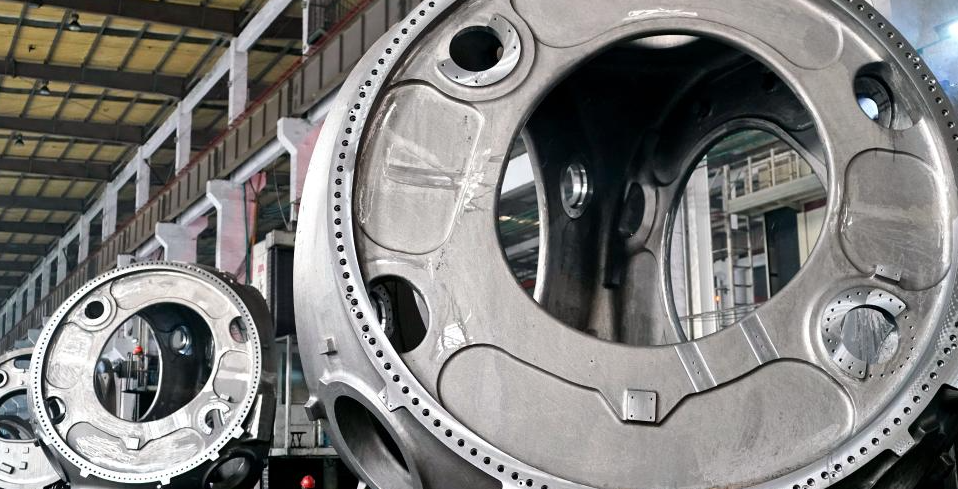
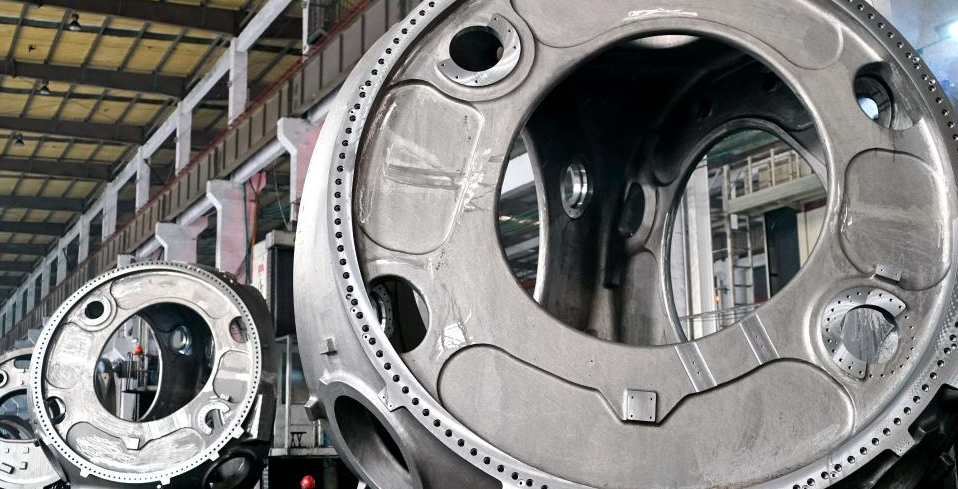
- Ductile iron: Wind turbine hubs, gears requiring toughness and shock absorption
I suggest using this summary to balance mechanical properties, production costs, and specific industrial needs. Each major casting material has unique strengths. Your choice should match your project requirements and budget constraints.
Summary
Picking the right casting material matters a lot. It’s not just about tech specs. I’ve seen how the right material can boost product performance and make it last longer. You need to match material properties with what your application needs.
Do you care most about strength? Or maybe weight matters more. Cost could be your main concern. Or you might need good corrosion resistance. Know your options. This helps you make better choices.
I suggest you start with your project’s core needs. Look at the comparison table. Test samples if you can. Based on my experience, choosing the right material now prevents problems later.