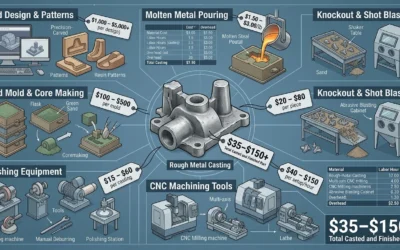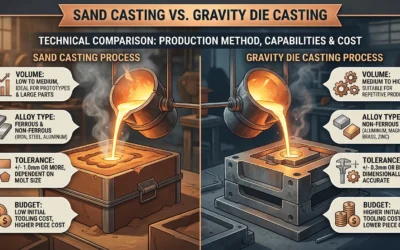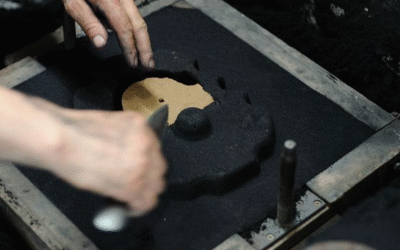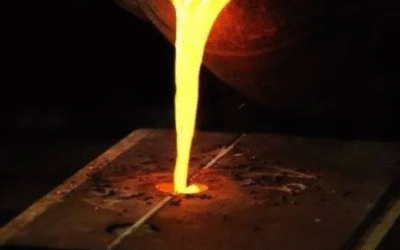
Picking the wrong casting method can cost you more than money. It can hurt part quality, slow down production, and put you in a tough spot with your client when the component fails to meet spec.Still, many engineers and buyers treat the choice between sand casting and...
Metal Casting
What Is Sand Casting? 7 Steps to Create Perfect Sand Molds
Sand has been shaping metal for over 3,000 years. Today, the process still powers 70% of all metal castings made worldwide. Yet most people who specify sand cast parts have never seen a mold packed, a cavity filled, or a finished part pulled from the sand. That gap...
What is Slag Inclusion in Metal Casting? Causes, Prevention & Fixes
Every metal caster knows this moment: a good casting comes out of the mold. Then you see rough surface defects. The structure looks weak. Or worse—the entire part is scrap.Many of these failures have one persistent cause. Slag inclusion in casting costs the industry...
What Is The Difference Between Pressurized And Unpressurized Gating System
A gating system is a controlled pathway. It directs molten metal from the pouring basin into the mold cavity during casting.The key difference between pressurized and unpressurized systems? It's about metal flow control. Plus, where you place the choke area - the...
What Is Gating System? 5 Key Components in Metal Casting
What Is Gating System?A gating system is a network of channels and passages. It guides molten metal from the pouring ladle into the mold cavity during casting. This pathway acts as the metal's route map. It ensures metal reaches every corner of the mold the right...
5 Common Types of Sand Used in Sand Casting
Overview of Sand Casting Sands Sand casting uses different types of molding sands. Each type has unique properties. You select them based on what your project needs. The main types are green sand, resin-coated sand, sodium silicate sand, core sand, and facing sand. I...