

Every vacuum cleaner owner faces this question at some point: stick with the affordable foam filter that came with your machine, or upgrade to a premium HEPA filter? The answer isn’t as simple as marketing claims suggest.
HEPA filters dominate talks about air quality and allergen removal. But foam filters power millions of cleaning devices with strong results in certain situations. This comparison cuts through the marketing noise. You’ll see the real performance differences, cost implications, and health impacts of both technologies.
Managing allergies? Trying to cut energy bills? Or maybe you just want your vacuum to last longer. Understanding the foam filter vs HEPA filter debate with solid data will save you from expensive mistakes. You’ll match the right filter technology to your actual needs—not just the priciest option on the shelf.
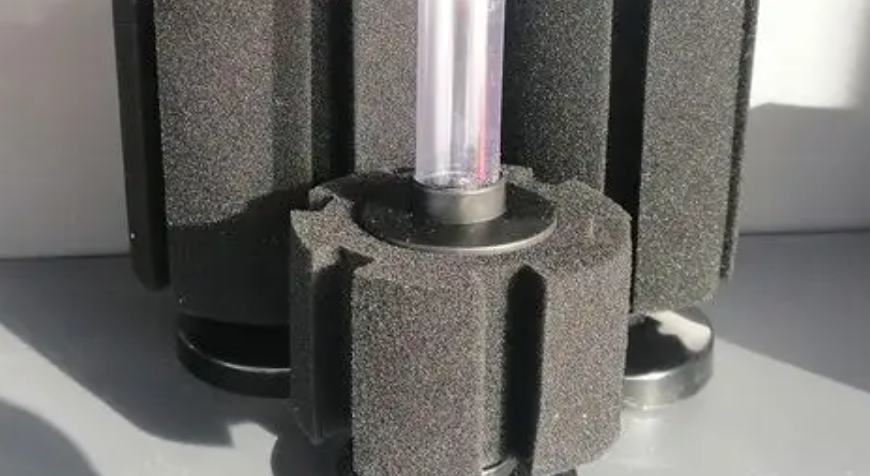
HEPA Filters: Advanced Filtration Technology
HEPA technology follows a scientific classification system. The European standard EN 1822 sets this up. This standard defines 17 filtration classes from E10 to U17. H13 and H14 grades are true HEPA filters. The key test happens at MPPS (most penetrating particle size). This is around 0.3 micrometers. Particles at this size are hardest to capture.
Understanding HEPA Grade Classifications
Each HEPA grade performs differently:
|
Grade |
Efficiency at MPPS |
|---|---|
|
H10 |
≥85% |
|
H11 |
≥95% |
|
H12 |
≥99.5% |
|
H13 |
≥99.95% |
|
H14 |
≥99.995% |
True HEPA filters (H13/H14) meet the 99.97% efficiency standard at 0.3μm. DOE/IEST-RP-CC001.3, MIL-STD-282, and EN 1822 certifications confirm this. “HEPA-type” filters don’t have this certification. They perform much worse. Think MERV 11 filters. These capture just 20% of particles between 0.3-1μm.
Three-Stage Filtration Mechanism
HEPA filters trap particles through tightly packed fiber layers. These create a complex maze. Three mechanisms work at the same time:
-
Interception: Particles passing within one radius of a fiber stick to its surface
-
Impaction: Larger particles can’t follow airstream curves. Inertia pushes them into fibers
-
Diffusion: Particles smaller than 0.1μm collide with gas molecules. They stick to fibers
Many modern HEPA filters use electret media. This adds electrostatic adsorption. You get better capture rates. But too much airflow can lower its effectiveness over time.
Foam Filters: Basic Filtration Solution
foam filters use open-cell structures for filtration. These connected pores create paths for air to flow through. At the same time, they trap particles. Closed-cell foam blocks airflow. This makes it useless for basic filtration.
How Pore Density Affects Performance
Filtration power depends on PPI (pores per inch). A 75 PPI nickel foam achieves 78.9% efficiency for 0.3–0.5 μm particles at 0.5 m/s face velocity. Pressure drop stays at 10.8 Pa. Higher PPI ratings improve electrostatic filtration. The finer pore structure grabs more particles as density goes up.
Foam Filters handle different particle sizes with varying success:
-
0.3–0.5 μm range: 78.9% capture rate at 75 PPI
-
≥0.5 μm particles: Near 99.999% in medium-efficiency setups
-
Overall dirt removal: 70-80% across mixed particle loads
Maintaining Washable Foam Filters
You can reuse foam filters. But cleaning affects how well they work. Follow these steps:
-
Rinse with water or mild detergent
-
Squeeze gently—never twist or wring the material
-
Rinse until water runs clear
-
Air dry flat in shade with good ventilation for 24-48 hours
Drying is crucial. Don’t skip this part. Poor drying causes mold growth. This leads to over 20% efficiency loss from microbial buildup. Keep temperatures below 40°C. Direct sun and heat sources damage the foam structure.
Expect a 10-20% efficiency drop after 3-5 wash cycles. Coarser pores trap residue that washing can’t remove. Metal foam types keep over 70% of starting performance with proper care. Most foam filters last 3-6 months in standard use before you need to replace them.
Real-World Applications and Limits
Foam filters work great as pre-filters protecting motors. They capture 70-80% of coarse particles larger than 5 μm. This cuts downstream load on HEPA filters or motors by 30-50%. The low pressure drop (under 11 Pa) keeps airflow strong.
|
Application |
PPI Rating |
Efficiency |
Pressure Drop |
Service Life |
|---|---|---|---|---|
|
Vacuum pre-filter |
30-60 PPI |
70-80% (>5 μm) |
<10 Pa |
5-10 washes |
|
Air compressor intake |
75 PPI nickel |
78.9% (0.3-0.5 μm) |
10.8 Pa |
2x motor lifespan |
|
Series with HEPA |
Medium foam |
≥54% (≥0.5 μm) |
≤250 Pa total |
Reduces HEPA load 50% |
Chemical resistance limits where you can use foam filters. Oils and solvents break down the material. PDMS foam inhibitors lose over 30% effectiveness after contact with filtration. Best pore sizes range from 4-25 mm. Smaller pores (under 7 mm) speed up breakdown.
High temperatures above 150°C cause problems. Metal foam grows oxide layers that boost efficiency at first. But temperatures over 200°C drop the electrostatic factor by 20-40%. Pressure drop doubles at high temperatures. This cuts airflow capacity.
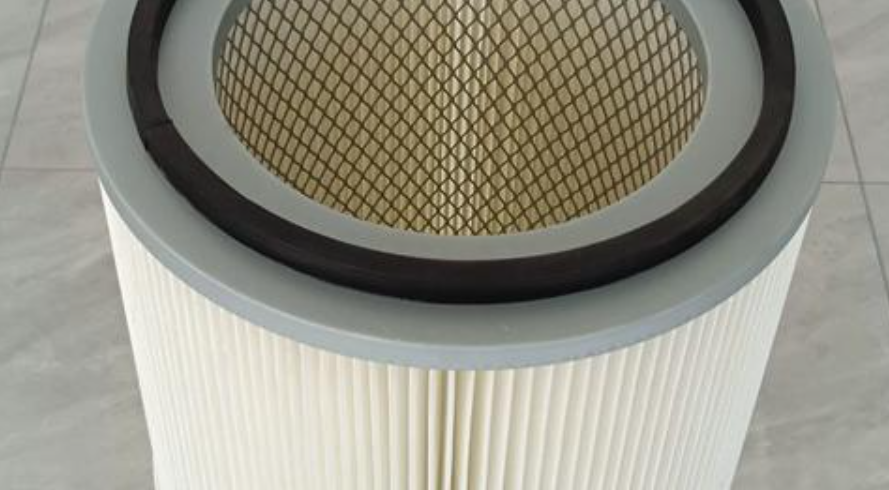
Filtration Efficiency: Performance Comparison by Numbers
The test results show clear differences. Data from the 0.3–10 μm particle range shows a big gap between HEPA and foam filter performance. Marketing materials often hide this gap.
HEPA Performance at Key Particle Sizes
Standard HEPA filters maintain ≥99.97% efficiency for particles ≥0.3 μm. Real-world tests show capture rates between 99.97–99.999% across the entire 0.3–10 μm spectrum. This covers the most health-critical particle sizes. These include ultrafine particles (UFP), PM2.5, and common allergens.
HVAC systems using HEPA or MERV 16 filters demonstrate >99% removal efficiency for outdoor-source PM2.5 and ultrafine particles. They work in 100% outdoor air setups. This performance stays stable across different particle loads. It also holds up in various conditions.
Foam and Low-Efficiency Filter Reality
Mid-to-low efficiency filters show very different results:
-
MERV 5–7 filters: Median UFP/PM2.5 removal of just 12–13%. Performance ranges 1–33% depending on conditions
-
MERV 8–12 filters: PM2.5 removal median of 24–31%. They max out around 51% in best-case scenarios
-
Fabric and porous materials (similar to foam filter structures): Capture <40% of 0.3–0.374 μm particles for knitted/woven cotton. Most cloth masks achieve <25% at this critical size
-
Household textiles (towels, athletic wear): Efficiency ranges 10–60% for 0.02–1 μm particles. Material density makes a big difference
The Performance Multiplier Effect
This efficiency gap creates a chain reaction in real use. Airflow stays constant:
HEPA filters deliver 3–10x higher particle CADR (Clean Air Delivery Rate) than foam or fabric-based options. The math is simple: CADR equals filtration efficiency multiplied by airflow volume.
A HEPA filter at 99% efficiency produces about three times the particle removal of a MERV 8 filter at 30% efficiency. Compare that to typical foam or fabric materials operating at 10–30% efficiency. HEPA systems achieve 3–10x better particle clearance rates.
For allergen control—pollen grains, dust mite fragments, mold spores—this multiplier affects symptom relief. It also improves air quality in living spaces.
Airflow & Energy Efficiency: Real-World Testing
HEPA filters create more resistance than foam alternatives. But the energy penalty isn’t what most people assume. Testing shows surprising results. These findings challenge what many believe about filter efficiency and operating costs.
Measured Airflow Differences
Direct CFM measurements on a TriStar vacuum show the actual performance gap. The HEPA filter delivered 114.1 CFM. The foam filter produced 118.7 CFM. That’s a 4.8% airflow reduction with HEPA versus foam. This small difference doesn’t affect cleaning performance in daily use.
Filter pressure drop changes based on dirt loading. Clean fiberglass filters at 295 FPM face velocity show the lowest pressure drop. Dirty MERV 8 filters register the highest resistance. Testing used two samples per filter type. MERV 8 and MERV 13 filters were measured in clean and dirty conditions.
HVAC Energy Consumption Reality
High-efficiency MERV 13 filters showed almost no energy increase compared to basic fiberglass in home HVAC systems. Testing ran for over 2 hours per cycle at steady-state conditions. We measured differential pressure between home atmosphere and the return air duct before the indoor coil.
Dirty MERV 8 filters matched clean fiberglass energy use during heating cycles (40°F outdoor, 50% RH, 70°F setpoint). They also matched during cooling cycles (95°F outdoor, 50% RH, 72°F setpoint with ±1°F deadband). Moving from foam-equivalent to HEPA-grade doesn’t mean higher electricity bills.
System Cleaning Produces Bigger Savings
HVAC cleaning delivers far more energy savings than filter choices. Buildings across four climate zones showed 41-60% average reduction in fan/blower energy after professional cleaning. This compared to uncleaned controls. Three-phase inductive meters tracked real consumption.
Airflow increased 10-46% in cleaned systems compared to controls. REMOTAIR sensors tracked differential pressure, humidity, temperature, and duct conditions. Fouled coils, dirty filters, and duct leakage raise fan energy use. This effect is bigger than switching from foam to HEPA filters.
The bottom line: filter type matters less for energy bills than regular maintenance. A clean foam filter beats a clogged HEPA filter every time.
Cost Analysis: Upfront vs Long-Term Investment
Price tags tell half the story. Compare foam filters to HEPA alternatives, and the real financial impact shows up over months of ownership, not at checkout.
Initial Purchase Price Gap
HEPA filters cost more at the register:
-
Standard H10–H12 HEPA: $15–30 per unit (¥100–200)
-
Premium H13–H14 or combination filters: $30–50 per unit (¥200–350)
-
Basic washable foam filters: $5–10 per unit
-
Multi-layer or brand-name foam: $10–15 per unit
The upfront cost difference: HEPA filters cost 2–4 times more than foam versions. A $30 HEPA filter versus an $8 foam filter? That’s a big gap at purchase.
Annual Total Cost of Ownership
The math shifts once you look at expenses over a full year. Here’s the formula:
Annual TCO = Filter replacement costs + Energy consumption + Maintenance expenses
Real-world example (4 hours of use per day, $0.15/kWh electricity rate):
|
Filter Type |
Replacement Frequency |
Filter Cost/Year |
Energy Cost/Year |
Total Annual TCO |
|---|---|---|---|---|
|
HEPA (moderate use) |
1x per year |
$30 |
$13.10 |
$43 |
|
HEPA (heavy use) |
2x per year |
$60 |
$13.10 |
$73 |
|
Foam (standard) |
1x per year + 6 cleanings |
$8 |
$8.80 |
$17 |
Energy calculations:
– HEPA system: 0.06 kW × 4 hours × 365 days = 87.6 kWh/year ≈ $13.10
– Foam system: 0.04 kW × 4 hours × 365 days = 58.4 kWh/year ≈ $8.80
That $4–5 energy gap each year? HEPA’s higher airflow resistance causes it. Stretch this across five years, and you’re looking at $20–25 extra in electricity costs.
Foam filters give you 60–75% lower operating costs each year than HEPA options. But there’s a catch—you need to stay on top of maintenance. Skip those cleanings, and performance drops fast. You’ll end up replacing filters sooner than planned.
Application Scenarios: Foam vs. HEPA Filters
Match your filter to your environment. This saves money and solves real problems. Five factors matter: particle size you need to capture, moisture levels, how much maintenance you can handle, your budget, and how often you’ll replace filters.
HEPA Filter Priority Scenarios
Medical-grade air quality needs HEPA filters. No exceptions. Severe allergies, asthma, or weak immune systems? You need ≥99.97% capture rates at 0.3 μm. Pollen grains (10–100 μm), dust mite allergens (5–20 μm), and mold spores (3–10 μm) all get caught by HEPA filters.
Cleanroom applications have strict particle limits:
|
ISO Class |
Max Particles/m³ (≥0.5 μm) |
Required Filter |
|---|---|---|
|
ISO 7 (Class 10,000) |
352,000 |
HEPA H13 minimum |
|
ISO 8 (Class 100,000) |
3,520,000 |
HEPA H10–H12 acceptable |
Got pets? HEPA filters help with dander problems. They remove 99.97% of pet allergen particles. Foam only catches 10–30% of the same particles. You’ll see the difference in 2–3 weeks of use.
Urban pollution over 35 μg/m³ PM2.5? Get HEPA filtration. Standard foam filters only capture 12–24% of outdoor PM2.5 that gets inside. HEPA systems remove >99% of these harmful particles.
Foam Filter Best-Use Cases
Pre-filtration in multi-stage systems is where foam shines. Put 30–60 PPI foam before your HEPA filter. This cuts the load by 30–50%. Foam catches big stuff like hair, lint, and coarse dust over 5 μm. These would clog your expensive HEPA filter. Your HEPA filter lasts 12–18 months instead of 6–9 months. Annual replacement costs drop by half.
Workshop and garage vacuums work better with foam. Sawdust, metal shavings, and debris clog HEPA filters fast. Foam handles 70–80% of particles over 5 μm. Pressure drop stays low (under 10 Pa). You can wash foam 5–10 times before replacing it. Total cost? $17/year versus $43–73 for HEPA options.
Humid environments suit foam better. Basements, laundry rooms, and coastal areas have RH over 60–70%. Paperboard-frame HEPA filters lose 50%+ compression strength. Seals fail too. ABS-frame foam filters handle wet/dry cycles fine. Just dry them completely (24–48 hours) to stop mold growth.
Budget-conscious households can use foam well. No specific health issues? Basic dust removal doesn’t need HEPA efficiency. Foam gives you good performance at 60–75% lower annual costs. The catch: you clean it every 2–4 weeks, and air quality won’t be as good.
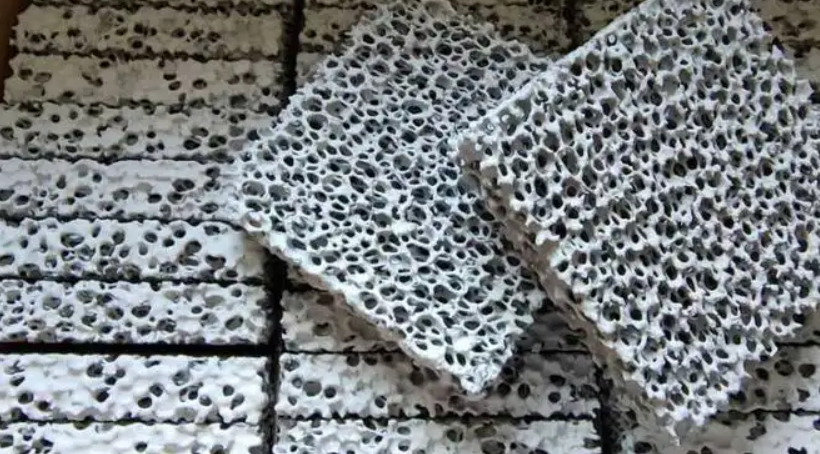
Hybrid Approach: Combining Both Technologies
Multi-stage filtration system saves money and keeps air quality high. Best setup:
-
Stage 1: Coarse foam (30 PPI) removes particles over 10 μm—catches 85–90% of visible dust
-
Stage 2: Medium foam (60–75 PPI) traps particles 5–10 μm—adds 70–80% efficiency for this size
-
Stage 3: H13 HEPA filter captures remaining particles ≥0.3 μm—gets 99.97% final efficiency
This setup means you replace HEPA filters once per year instead of twice. Total system pressure stays under 250 Pa. That’s fine for standard vacuum motors. Annual costs drop 35–40% versus HEPA-alone systems. You still get medical-grade air quality.
Success factors for hybrid systems: clean foam every three months, replace HEPA yearly, and test for leaks after each filter change. Skip maintenance? The system performs worse than single-filter designs.
Health Impact: Respiratory & Allergy Considerations
40-60 million Americans deal with allergic rhinitis each year. This costs $18 billion in direct medical expenses. On average, each person misses 3.6 days of work. Clinical data shows how filter choice affects your respiratory symptoms.
HEPA Filters: Measured Symptom Relief
Studies tracking asthma and allergy patients show big improvements with HEPA filtration:
Asthma symptom reduction in bedrooms using HEPA air purifiers:
– Symptom scores dropped 20-50% compared to baseline measurements
– Nighttime wheezing and coughing fell 30-60%
– Need for short-acting bronchodilators decreased 20-40%
– Indoor PM2.5, pollen, and dust mite particles declined 50-90%. Results vary based on room sealing and device specs.
Allergic rhinitis improvements during pollen season with continuous HEPA use:
– Nasal congestion, runny nose, and sneezing scores reduced 25-45%
– Antihistamine and nasal spray needs dropped 20-35%
– Dust mite-proof bedding plus HEPA filtration added 10-20% extra symptom relief compared to either method alone
These numbers come from multiple clinical trials and systematic reviews, not single studies.
Population-Level Allergy Burden
Your baseline risk matters for filter selection:
U.S. prevalence data (2021 NHIS):
– 27.2% of children have an allergy diagnosis. 18.9% suffer from seasonal allergies.
– 31.8% of adults report allergies. 25.7% deal with seasonal allergic rhinitis.
– 9.6% of children had allergy-related respiratory symptoms in the past year (11% boys, 8.1% girls)
– Among asthma patients (8% of population ≥2 years), 82.1% have allergy symptoms. 67.3% carry lifetime allergy diagnoses.
Global sensitization rates:
– 10-30% of people worldwide have allergic rhinitis
– 40% show environmental allergen sensitization (positive IgE testing)
– The World Allergy Organization estimates 40% of the global population has at least one allergic disease
NHANES immunoglobulin E testing found 36.2% of children aged 1-5 and 44.6% of people ≥6 years sensitized to airborne or food allergens.
Foam Filter Limitations for Sensitive Populations
Standard foam filters catch just 10-30% of particles in the 0.3-10 μm range. This range is critical for allergen control. Dust mite allergens (5-20 μm), pollen grains (10-100 μm), and mold spores (3-10 μm) pass through foam at rates 70-90% higher than through HEPA barriers.
52.3% of Americans have allergy symptoms. Foam filtration gives poor protection during high-exposure periods. Patients with asthma and allergies (80%+ of asthma cases) see symptoms continue with low-efficiency filtration.
Conclusion
The foam filter vs HEPA filter debate has no universal winner. You need to pick what fits your specific situation.
HEPA filters work best where air quality cannot be compromised. Allergy sufferers benefit from their 99.97% particle capture rate. Healthcare facilities need them. Homes with vulnerable people need them too.
Foam filters excel in cost-sensitive jobs that need basic dust control. Workshops use them. Garages rely on them. Industrial settings prefer them because you can wash and reuse them. Durability beats medical-grade filtration in these spaces.
Balance three key factors in your decision: health needs, budget limits, and maintenance ability. Respiratory health is your top priority? Invest in HEPA tech despite the higher price. Need general dust management without big upkeep costs? Best foam filters give you practical value. Need both particle efficiency and extended pre-filtration? Look at hybrid systems.
Don’t overthink this while breathing bad air. Figure out your main concern first. Are you fighting microscopic allergens or visible dust? Match that concern to the right filtration tech. Making an informed choice beats making no choice at all. Your lungs will appreciate it.