
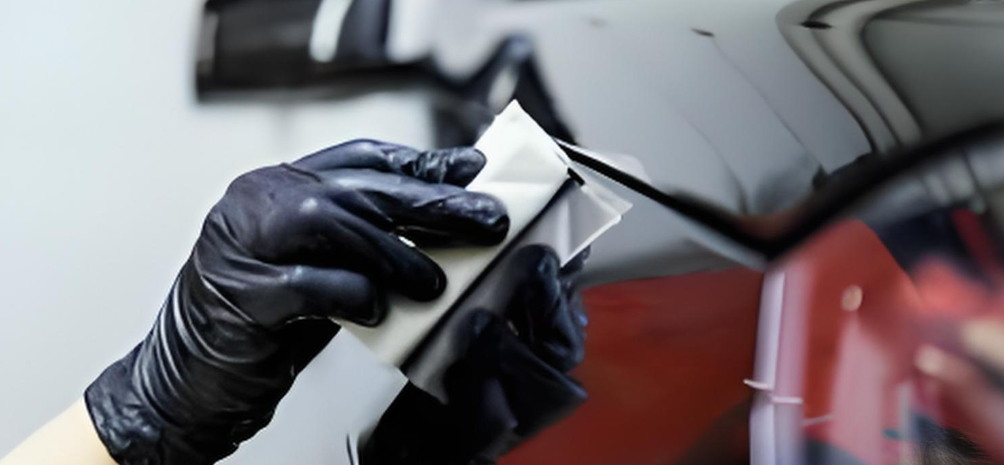
You spent good money on ceramic coating. It needs the right care.
Dozens of foam products claim they work with ceramic coatings. But which one won’t damage yours or kill its performance?
Pick the wrong formula and you’ll strip away the water-repelling properties. Your water beading drops off. Your money goes down the drain.
Got a fresh coating to maintain? Or an old one that needs help? What foam to use on ceramic coating separates years of protection from early failure.
pH-neutral shampoos clean without breaking down your coating. SiO2-infused formulas boost your coating between applications. We’ll show you which foam types deliver results.
We’ll also call out products that look safe but quietly wreck your coating’s strength.
You’ll learn the exact foam cannon methods pros use. They get full coverage and avoid swirl marks. Plus, you’ll get a simple maintenance schedule that keeps your coating working like day one.
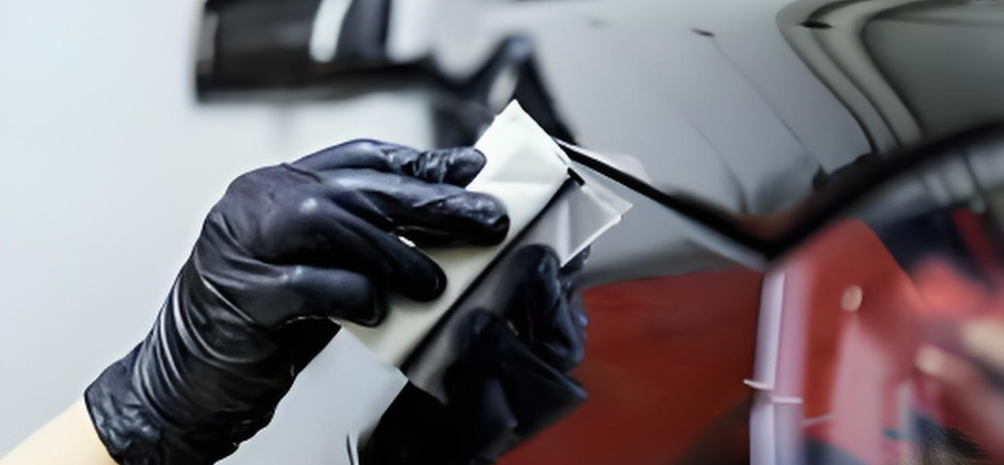
pH-Neutral Foam Shampoos for Ceramic Coatings
Acidic or alkaline cleaners break down ceramic coatings. The damage happens at the molecular level. Non-neutral formulas degrade your coating’s protective layer with each wash.
pH-neutral shampoos stop this chemical interaction. They preserve the coating’s structure while removing dirt and contaminants.
Why pH-Neutral Formulas Matter
Harsh chemicals strip away your coating’s water-repelling properties fast. Water stops beading. Your vehicle attracts dirt like a magnet. The glossy finish dulls within months instead of years.
pH-neutral formulas prevent three types of coating damage:
-
Water-repelling degradation – Water beading stays strong
-
Gloss reduction – Mirror-like finish stays intact
-
Barrier breakdown – Contaminants can’t penetrate the protective layer
The chemistry is simple. Neutral pH means no reaction with your coating’s SiO₂ structure.
Top pH-Neutral Shampoos for Maintenance
Wax is Dead Ceramic Safe Shampoo gives you excellent lubrication at 1500:1 concentrate ratio. That 500ml bottle creates thick foam across dozens of washes. The formula lubricates dirt so your wash mitt glides with zero friction.
Pure:est S3 leaves zero residue behind. No waxes. No polymers. No sealants. Just clean ceramic coating ready for your next protection layer. The thick foam wraps around dirt particles and lifts them away.
Americana Global Aftercare Soap uses strong surfactants at 1:256 dilution. It removes stuck-on contaminants that regular shampoos miss. Tree sap, industrial fallout, and road tar come off without harming your coating.
Gyeon Bathe works on sensitive finishes. Polished aluminum and anodized surfaces stay protected. The pH-neutral chemistry guards these delicate materials while keeping ceramic coating performance high.
Gyeon Restart Wash includes small amounts of iron remover. It cleans and restores water-repelling properties in one step. Your coating gets cleaned and refreshed together.
Cerakote High Foam Vehicle Shampoo contains no waxes or ceramic additives. Use it for regular maintenance. Or use it as prep wash before applying fresh coating layers.
SiO₂-Infused Shampoos That Add Protection
Chemical Guys HydroSuds adds nano SiO₂ particles during every wash. You clean and add ceramic protection at the same time. The gloss boost is immediate and visible.
Jay Leno’s Ceramic Wash Shampoo comes in 48 oz bottles packed with SiO₂ nanoparticles. Each wash creates water-beading protection. It blocks UV rays plus environmental pollutants. The thick foam action wraps dirt particles well.
Application Techniques That Prevent Damage
Use the two-bucket method every time. One bucket holds your shampoo solution. The other rinses your mitt. This stops dirt from scratching your coating during the wash.
Your wash mitt matters as much as your shampoo. Soft, high-quality microfiber is a must. Microfiber glides across ceramic coatings without creating swirl marks.
Add ceramic booster or sealant after washing. Do this once water beading starts to fade. This brings back water-repelling properties. It restores that fresh-coating gloss between major reapplications.
Rich, stable foam is critical for safe washing. The foam wraps contaminants and holds them away from your coating’s surface during removal. Low-foaming shampoos leave dirt particles in direct contact with your paint protection.
SiO2-Infused Maintenance Foams
SiO2-infused foams do more than clean. They recharge your ceramic coating’s protective barrier while you wash. These formulas deposit tiny silicon dioxide particles that bond to your existing coating. This restores water-repelling properties and adds slickness. No wiping or buffing steps needed.
How SiO2 Enhancement Works During Washing
The silicon dioxide particles in these maintenance foams create a fresh water-repelling layer over your existing protection. Water sheets off paint, glass, and trim surfaces instead of clinging and leaving spots. Dirt, road salt, and grime slide away rather than sticking to your vehicle’s surface.
These foams stack protection on top of your base ceramic coating, wax, or sealant. Each wash adds another thin SiO2 layer. This builds up the water-repelling barrier. Your coating stays slick and glossy between major touch-ups.
The chemistry works across all protected surfaces. Paint, clear coat, chrome, plastic trim, rubber seals, wheels, vinyl wraps, and PPF all benefit from the added SiO2 protection. The pH-neutral formula prevents any chemical reaction with your existing coating layers.
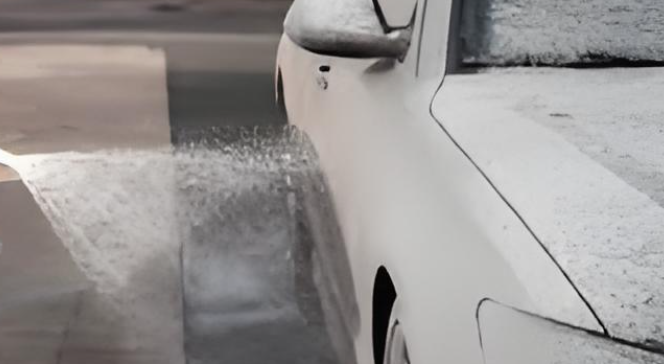
Performance Specifications and Dilution Ratios
Nanoskin Crystal Wash requires 90-100ml per foam cannon bottle for thick, clinging foam. For hand washing, use just 15-20ml per gallon. One bottle covers dozens of maintenance washes thanks to the concentrated formula.
Chem-X Snake Oil delivers touchless protection lasting up to six months. Mix it 1:4 with water in your foam cannon. For pump sprayers or power washers, dilute it 1:100. The stackable formula builds protection with each use. No wiping needed.
Chemical Guys HydroSuds creates touchless foam at 1-3 ounces per 32-ounce foam cannon tank. The thick foam clings to vertical surfaces. This allows maximum contact time for SiO2 particle bonding.
These products work best on cool panels away from direct sunlight. Never let the foam dry on your coating’s surface. Apply it, let it sit for a moment, then rinse well for glass-like water beading results.
Reactivation & Decontamination Foams
Ceramic coatings collect contaminants over time. Regular washing won’t remove them. Brake dust leaves iron particles that bond to your coating’s surface. Industrial fallout, tar, and tree sap create stubborn deposits. These deposits block your coating’s performance.
Decontamination foams dissolve these bonded particles. No scrubbing needed. They restore your coating’s water-repelling properties. The foam removes the contamination layer that traps dirt and moisture.
Iron-Removing Foam Formulations
Gyeon Restart Wash combines pH-neutral cleaning with iron removal chemistry. The purple color change shows where iron particles are dissolving. Each wash removes embedded brake dust. Your coating’s integrity stays intact. This dual-action formula saves time. You skip separate decontamination steps.
Iron fallout creates rough spots. Run your hand across the paint and you’ll feel them. These particles oxidize and embed into your ceramic coating’s porous structure. Standard shampoos slide over them. They don’t break the bond.
Iron-removing foams use chelating agents. These target iron metals. The formula reacts with iron oxide particles and breaks their bond to your coating. The foam turns purple or red on contaminated areas. That’s the reaction you’re looking for.
Application Protocol for Maximum Effectiveness
Apply decontamination foam to cool, dry panels. Keep it away from direct sunlight. Never let the product dry on your coating’s surface. This causes streaking and staining.
Spray the foam across all affected areas. Cover them well. Wheels, lower panels, and areas behind the front wheels collect the most iron contamination. Let the foam sit for 3-5 minutes. Watch for color change.
The purple reaction signals iron dissolving. Heavy contamination shows intense color change. Light contamination shows subtle purple tinting. Rinse with high-pressure water before the foam dries.
Use decontamination foams every 2-3 months for maintained coatings. Drive in heavy traffic? Use it once a month. Same goes for industrial areas or near train tracks. Brake dust and metal particles pile up fast in these spots.
Hydrophobic Booster Sprays (Spray-On Foams)
Spray-on foam boosters bring back your ceramic coating’s water-repelling power between major jobs. These formulas add fresh SiO₂ layers during regular maintenance. No clay bar sessions needed. No multi-step prep work required.
These products work differently than regular maintenance shampoos. Standard pH-neutral soaps clean your coating. Hydrophobic boosters strengthen it. Each use adds protective silica particles. These particles bond to your existing ceramic layer.
Rinse-Off vs Wipe-On Formulas
GYEON Q²M WetCoat gives instant water-repelling power through a rinse-activated formula. Spray 3-5 pumps per panel from 15-20cm away. The product bonds during the rinse process. No wiping. No buffing. Water contact angles jump above 110° right away.
One liter covers about 50 vehicles at 20-30ml per square meter. Use it on damp, cool paint after your pH-neutral wash. Surface temperature should stay between 15-25°C. The formula works on wet surfaces. This makes it perfect for quick maintenance washes.
Protection lasts three months with once-a-week use. Each panel takes 10-20 seconds. You can keep up with maintenance even on busy schedules.
GYEON Q²M Reload 2.0 creates thicker foam. This pushes silica deeper into your coating’s porous structure. Spray 4-6 pumps per panel. Agitate with a microfiber applicator for one minute. This action drives SiO₂ particles into the ceramic matrix.
The wipe-off process achieves 95% transfer efficiency. More silica bonds to your coating compared to rinse-off products. Water beading height reaches 9H+ hardness. Durability extends to six months. The 400ml bottle covers 30 square meters of protected surface.
Reload takes more time—1-2 minutes per panel versus WetCoat’s 20 seconds. But the payoff shows in performance testing. Reload keeps 90% of its water-repelling power after one month. WetCoat holds 70% over the same period.
Performance Metrics and Coverage Economics
3D Bead It Up Ceramic Booster hits 110° water contact angles from a 16-ounce spray bottle. Each bottle covers two full-size vehicles. The formula includes UV blockers that stop oxidation damage. Protection lasts 1-2 months per use.
Glidecoat Hydrophobic Spray & Rinse covers 400-500 square feet from a 32-ounce container. That equals two vehicles with product left over. The water-activated formula bonds during rinse like WetCoat. Beading performance stays strong for three months. The $25 kit price makes it easy for DIY enthusiasts to afford.
Spray-on boosters beat traditional foam waxes on cost. WetCoat runs $0.20 per square meter. Reload costs $0.30 per square meter. Standard foam wax products hit $0.35 per square meter. Over five uses spanning 15 months, you save 40-50% with hydrophobic boosters.
Fresh applications start with contact angles above 150°. This drops to 120° after ten wash cycles. Standard maintenance foams peak at 100° and fade faster. The silica chemistry in boosters holds up for 20 washes before needing reapplication.
Application Protocol for Maximum Bonding
Temperature control matters for spray-on foam boosters. Use products on cool panels away from direct sunlight. Hot surfaces cause early drying. The formula bonds before you can spread it properly. You’ll get streaking and uneven coverage.
Rinse your pH-neutral shampoo fully before using boosters. Leftover soap gets in the way of SiO₂ bonding. The ceramic particles need direct contact with your coating’s surface. Remaining surfactants create a barrier. This blocks proper adhesion.
Work panel by panel. Finish each section before moving forward. This stops product from drying on half-done areas. Spray patterns should overlap a bit for uniform coverage. Gaps leave unprotected spots. These break water sheeting patterns.
For wipe-on formulas like Reload, use clean microfiber applicators. Dirty pads move contaminants into your fresh protective layer. Use light to medium pressure during agitation. Too much force doesn’t improve bonding. It wastes product and tires your arm.
Foam Cannon Setup & Application Techniques
You need exact equipment specs and settings for good foam cannon performance. Get a pressure washer that delivers 1.2-2.0 GPM (gallons per minute) for the best foam volume. PSI should fall between 1,000-2,300. More PSI means better foam projection. It cuts through dirt layers faster.
Orifice size controls how thick your foam gets. Electric pressure washers under 2.0 GPM need a 1.1mm orifice. This gives you dense, clingy foam. Standard gas models work best with the default 1.25mm size. This small change affects how foam sticks to ceramic-coated surfaces.
Critical Adjustment Points
The top rotary knob controls foam density and air infusion. Turn it counterclockwise to the max position. This opens the air intake valve all the way. More air creates thicker foam. The foam sticks to vertical panels without sliding off right away.
The end nozzle shapes your spray pattern. Tighten it for wide, horizontal coverage across hoods and roofs. Loosen it for focused vertical streams on bumpers and door edges. Closer spray plates create wider patterns. Adjust this to avoid uneven coverage. Uneven coverage leaves dirt behind.
Some foam cannons include a soap draw knob. Set this to the minus (-) position for max soap intake. Your foam gets thicker. You don’t need to add extra product to the canister.
Mixing Protocol for Ceramic-Safe Foam
Add 2-4 ounces of high-sudsing pH-neutral shampoo to your empty foam cannon bottle. Super Soaper or similar thick-foam formulas work best. Fill the bottle with warm water up to the fill line. Take your time filling it. Hot water activates surfactants faster. But it can pre-foam inside the canister.
Swirl the mixture instead of shaking. Shaking creates foam before you’re ready to spray. Pre-foaming reduces the product’s power once it reaches your coating. Use a transparent bottle with volume markings. This helps you nail the exact dilution ratio every time.
Step-by-Step Setup Sequence
-
Fill the canister with your 2-4 oz soap mixture and warm water
-
Hand-tighten the canister onto the brass connector—never use tools or too much force
-
Attach the foam cannon to your powered-off pressure washer via quick-release or O-ring connection
-
Verify your orifice size (1.1mm for electric units, 1.25mm for gas models)
-
Set the top rotary knob to max counterclockwise position
-
Power on the washer and test-spray to adjust the end nozzle pattern
Maintenance Schedule & Best Practices
A ceramic coating doesn’t protect itself. You need a schedule that fits how you drive and where you park. Good timing stops damage before water stops beading.
Your 7-10 Day Wash Routine
Wash your vehicle every 7-10 days with pH-neutral foam shampoo. Use the two-bucket method with a soft microfiber mitt. This pulls off surface dirt before it sticks to your coating. Street-parked cars or highway drivers need washes every 7 days. Garage-kept weekend cars can go 10-12 days between washes.
Use a hydrophobic booster spray after every third wash. GYEON Q²M WetCoat or 3D Bead It Up takes 5-10 minutes for a full vehicle. These products bring water contact angles back above 110°. Plus, they add fresh SiO₂ layers to your coating.
Tasks You Do Every 30-45 Days
Run a decontamination foam treatment every 30-45 days. Gyeon Restart Wash pulls out iron bits and brake dust that regular shampoos miss. Look for purple color on dirty areas. That color shows iron breaking down on your coating.
Check water beading on all panels. Spray clean water on the hood, roof, and doors. Water should form tight beads and roll off at angles above 20°. Flat sheets or drops that stick mean your coating needs a booster like GYEON Q²M Reload 2.0.
Clean your foam cannon equipment once a month. Wash the mesh filter and opening with warm water. Hard water clogs the soap system. This makes thin, weak foam that won’t protect your coating.
What to Do Every 90 Days
Use a ceramic spray sealant every 90 days to keep peak performance. This treatment pushes SiO₂ into your coating’s tiny holes. Water contact angles jump to 150°+ after you finish. Protection holds through 15-20 washes before it fades.
Clay bar treatment pulls off stuck dirt that foam can’t touch. Use a fine-grade clay bar with lots of lubricant. Work in small sections. Run your hand over the paint. A smooth, glass-like feel means your coating is clean and ready for more protection.
Once-a-Year Pro Check
Book a pro coating inspection every 12 months. Detailers use paint gauges and gloss meters to check coating health. They find thin spots before total failure. Finding damage soon saves you from paying for full recoating.
Pro polish fixes small scratches and swirls that build up over the year. This prep makes a clean base for fresh ceramic layers. Most coatings need full recoating every 2-3 years based on sun exposure and how well you maintain them.
Watch Your Coating’s Health
Take photos of water beading every month. Put images side-by-side to spot drops in performance. Water contact angles below 100° show fading protection. Beading height under 5mm means your coating needs help now.
Track what products cost per wash. Good pH-neutral shampoos cost $0.15-0.25 per wash. Hydrophobic boosters add $0.30-0.50 every third wash. Your total cost for DIY care should stay under $150 per year. Pro detailing costs $300-600 per year based on your vehicle size and coating type.
Conclusion
Pick the right foam for your ceramic coating. This protects your $500-$2,000 investment in professional protection. It’s not just about keeping your car clean.
Start with pH-neutral foam shampoos. They clean without stripping away protection. SiO2-infused maintenance foams work differently. They restore protective properties each time you wash. Add decontamination foams to your routine too. These remove bonded contaminants that regular washing misses.
Your ceramic coating lasts longer with the right foam. Plus, you need to maintain it the same way each time. Skip the aggressive degreasers and dish soaps. These products destroy your coating in months, not years. Check your current foam shampoo’s pH level first. Then switch to a ceramic-safe formula if needed.
Want to extend your coating’s lifespan? Set up a simple maintenance schedule. Use pH-neutral foam each week. Apply SiO2 booster once a month. Run decontamination foam every three months. Your mirror-finish paint will look great every time you pull into the driveway.