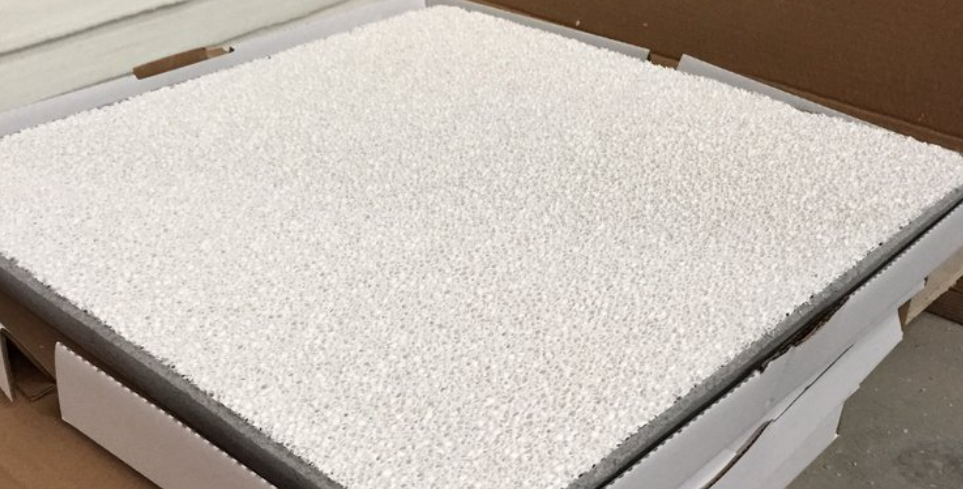
Metal casting quality in the Philippines depends on one key part: the ceramic foam filter.
You’re running a small foundry in Cebu? Or maybe managing large operations in Metro Manila? The right filter maker changes everything. Good filters give you premium castings. Poor ones lead to expensive defects.
The Philippines market has real challenges. Import logistics can be tricky. Quality checks need extra care. Plus, you need suppliers who get tropical conditions and local alloy types.
We analyzed dozens of suppliers in the Philippine metal casting industry. Five manufacturers stand out. They deliver reliable ceramic foam filters for aluminum, iron, and investment casting work.
This guide covers each manufacturer’s strengths. You’ll see pricing details, delivery options to Philippines ports, and their specific casting expertise. Make a smart sourcing choice that protects your production quality and saves money.
Ceramic Foam Filters for Philippines Metal Casting
Ceramic foam filters catch impurities before they damage your castings. These filters sit in the gating system. They trap oxides, slag, and solid bits as molten metal flows through. The result? You get cleaner castings. Fewer defects. Less scrap.
Material Types Match Your Metal
Each metal needs its own filter type. Here’s what works:
|
Material |
Strength |
Best For |
|---|---|---|
|
Alumina |
Standard filtration |
Aluminum, copper alloys |
|
Silicon Carbide (SiC) |
Great heat resistance, strong chemical defense |
Iron, steel (top revenue maker) |
|
Zirconia |
Fights heavy corrosion |
Special high-heat alloys |
|
Magnesia |
Catches particles well |
Cuts defects across the board |
Ferrous casting takes 48.1% of filter use. Non-ferrous work grows faster here in Southeast Asia. Think aluminum and copper alloys for cars and planes.
Pore Size Controls What You Catch
Filters run from 10 to 60 PPI (pores per inch). Low numbers catch big pieces. High PPI traps tiny particles but slows the metal flow. Pick your PPI based on what you need to block. Tests at 8 foundries proved something useful. 3D-printed filters give more steady flow rates than old foam types. This cuts variation in your work.
SiC filters work best in tough spots. They handle heat and chemical stress better than other options. This matters here. High humidity and tropical heat can break down weaker materials.
SF-Foundry – Multi-Material High-Temperature Filter Specialist
SF-Foundry built its reputation on extreme-temperature performance. Their filters work across three ceramic materials: silicon carbide, zirconia, and alumina. Each formula targets specific casting challenges. Philippine foundries face these challenges every day.
Silicon carbide filters handle the tough jobs. Standard versions max out at 1560°C. The FM-02 reinforced series adds strength for bottom sprue setups and heavy casting loads. You get 80-90% porosity. Bending strength sits at 0.8-1.0 MPa. Compressive strength hits 1.0-1.2 MPa. What about thermal shock resistance? Six cycles from 1100°C to room temperature without cracking.
Zirconia filters own the high-end range. Operating temps reach 1760°C. The 3D foam structure catches dirt in steel and copper alloy pours. Other ceramics fail. This material stays stable. SF-Foundry uses zirconia’s precision to trap tiny particles. Standard filters miss these.
Alumina filters work for aluminum castings. They handle temps up to 1250°C. Pore sizes range from 10-60 PPI. This covers coarse filtering down to ultra-fine particle capture. Philippine aluminum foundries get clean metal. Flow stays unrestricted.
SF-Foundry offers deep customization. They configure flat sheets and cap-style designs. Mesh options span 0.8×0.8mm to 2.5×2.5mm. Thickness adjusts from 12-22mm. Or they match your exact specs. They also produce cordierite-mullite honeycomb filters. These are rated to 1390°C with densities from 100-300 CPSI. The mechanical strength resists metal impact damage.
Their filters serve automotive plants, machinery shops, infrastructure projects, and aerospace suppliers. No Philippines-specific shipping data exists. No published warranty terms either. But the product specs show what matters. SF-Foundry delivers industrial-grade filtration across metal types and temperature extremes.
Ztai Packing – Iron and Aluminum Casting Solutions
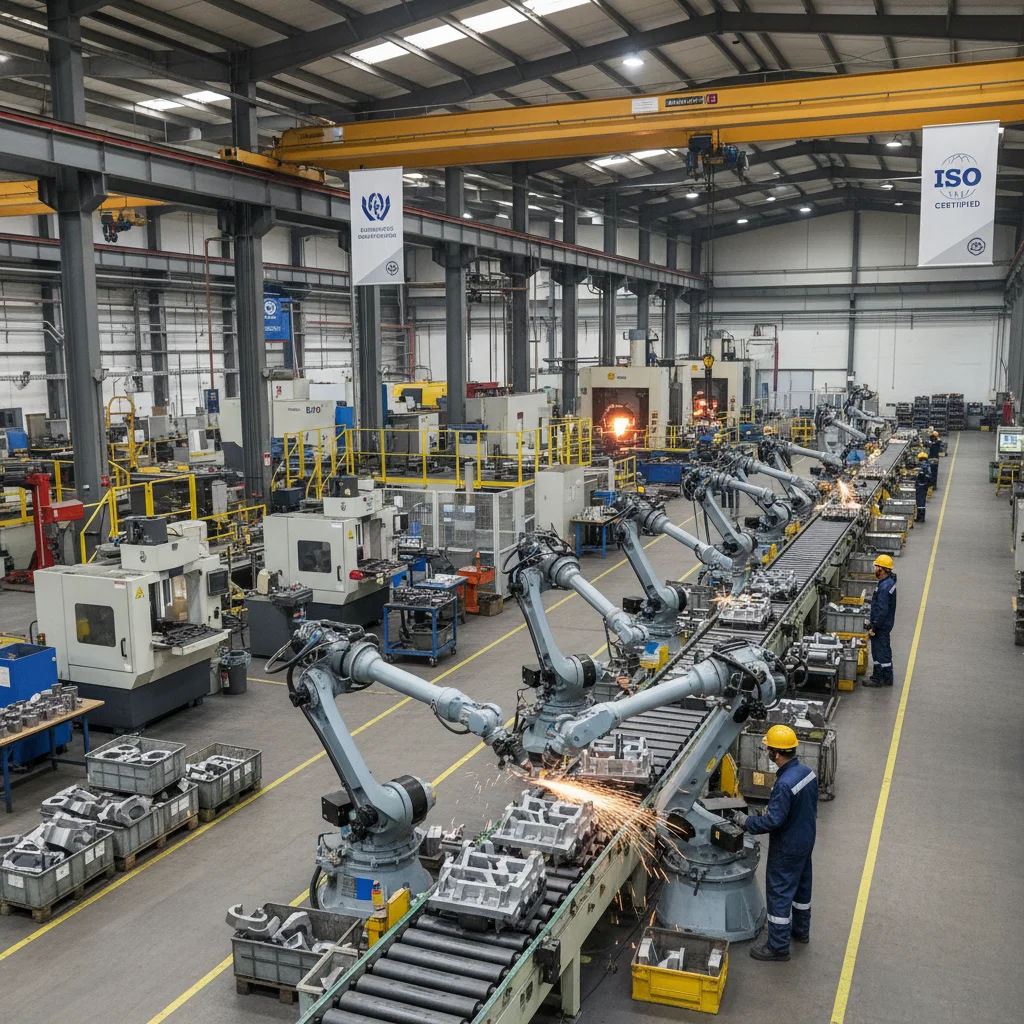
Chi-Tai Industrial Co., Ltd. (trading as Ztai) runs an integrated casting operation. They’ve been refining metal parts since 1983. ISO 9001 certified since 2002. They control every step from mold design to container loading. This isn’t a filter-only supplier. It’s a full-service casting house. They understand filtration because poor metal quality affects their work daily.
Their die-casting machines span 150-1800 tons capacity. You get aluminum and zinc die castings, gravity pressure castings, and sand castings. For steel work, they run carbon steel and stainless steel lost-wax castings. Philippine foundries get a partner who knows multiple casting methods. One supplier covers your aluminum automotive parts and precision steel valve bodies.
Complete Production Chain Under One Roof
Ztai’s setup cuts out the hassle of working with multiple vendors. They design products and molds using Pro-E CREO and SolidWorks. They build and maintain their own die-casting tooling. After casting, Yaskawa robotic arms handle deburring and grinding. Manual finishing adds the precision touch. Their CNC department runs lathes, milling machines, drilling equipment, and tapping stations. Fourth-axis capability handles complex shapes.
They serve automotive plants, electronics makers, telecom suppliers, appliance companies, medical device firms, tool producers, LED lighting businesses, and valve-pump-gas parts operations. Their gas meter line runs on full automation. Grinding flows into CNC machining. Then comes leak testing, measurements, and direct shipping prep.
AdTech Metallurgical Materials – Philippines Market Presence
AdTech Metallurgical Materials Co., Ltd. makes ceramic foam filters for molten metal filtration.
Market Presence Transparency
Here’s what we couldn’t verify: specific distribution networks for AdTech Metallurgical Materials across Philippine regions. No published case studies from local foundries. No technical certification data for Philippine aluminum alloys like ADC12 or A380. Customer references? Not in public records. Installation support details? Missing. Market share figures? Can’t find them.
The Pasig registration shows a legal business footprint. But we lack details on technical teams, inventory locations, and response times to Cebu or Davao foundries. Philippine buyers need to ask for direct proof. Request customer contacts. Ask for performance data from local installations. Get service coverage maps. Do this before you make AdTech your main filter supplier.
FoundryMax – Custom Investment Casting Filters
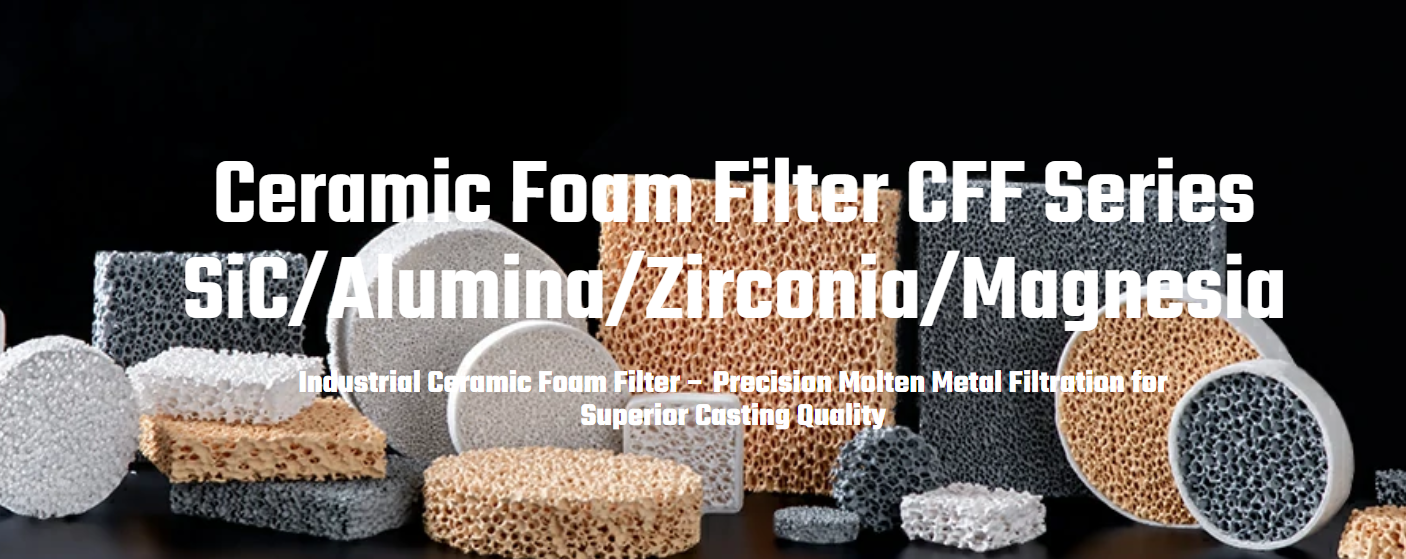
Investment casting needs precision. Standard filtration can’t deliver that. FoundryMax built their ceramic foam filter line to solve this. Their material choices tell the story: zirconia-mullite, alumina, and cordierite. Each formula works for specific temperatures and metal behaviors. These matter most in small-gate, high-precision pours.
Zirconia filters (FM-03 series) handle extreme heat. They run at 1760°C max—the highest in FoundryMax’s range. Steel alloy work demands this. You get clean results with carbon steel, low-alloy steel, and stainless steel castings. The 3D foam structure offers 10-40 PPI. This traps tiny inclusions. Metal still flows smoothly through tight gates.
Alumina filters (FM-04) work for aluminum casting. Max temp hits 1250°C. PPI options run 10-60—the widest range FoundryMax makes. Philippine aerospace and automotive suppliers rely on this range. Fine jewelry and dental casting shops use custom 0.5-1.0 inch alumina filters at 10-30 PPI. Small sizes fit delicate gates. Low turbulence keeps thin-wall molds safe.
Cordierite honeycomb filters change how metal flows. Standard foam filters start at 1000 mL/sec. Honeycomb versions drop to 600 mL/sec. Sounds bad, right? Not for investment casting. The parallel channels (100-300 CPSI) give steady, predictable flow. High-speed video at 8 foundries proved this. Foam makes smooth pours. Honeycomb clears debris better in high-temp iron and steel work.
Pore Selection Controls Your Casting Quality
FoundryMax shares exact PPI specs by alloy type:
-
Aluminum: 15-20 PPI (hole size 1.8-2.3mm, sweet spot at 2.0mm)
-
Grey Iron: 15-30 PPI (1.5-2.3mm range)
-
Ductile Iron: 10-20 PPI (2.0-2.8mm, keeps ≥50% flow area for thin sections)
-
Carbon Steel: 5-15 PPI (2.5-5.0mm for high-speed casting)
That ≥50% flow area spec matters in Philippine foundries. Ductile iron parts with thin sections need strong filtration. Production can’t slow down. Pick the wrong PPI and you get backpressure. Metal stops flowing. Gates freeze. Parts get scrapped.
Size options go wide. Standard diameters range 40-500mm. Custom shapes come in round, square, and donut forms. Small investment casting gates need 0.5-1.0 inch filters. Large pours scale up to 2.0-4.0 inch. Filter thickness depends on pour volume. No standard formula exists. FoundryMax technical teams figure this out for each job.
Installation Steps Control Filter Performance
FoundryMax gives you a 6-step setup for investment casting:
-
Pour molten metal to cover the filter’s upstream face
-
Seal the outlet and exit well—no air gaps
-
Pull vacuum at 0.1-10 kPa/sec to remove trapped air
-
Keep vacuum running until metal shows downstream
-
Keep metal level above filter during the pour
-
Lock mold halves tight (cut filter to exact gating system size)
Step 6 stops the biggest failure. Gaps between filter edges and gating walls let dirty metal slip past the ceramic. Your inclusion removal dies. Cut filters to exact runner and gate size. No shortcuts here.
These filters work with many processes. Investment casting, sand casting, die casting, and lost foam all fit. Metal types cover steel, ductile iron, gray iron, vermicular iron, aluminum, and copper alloys. Temperature range runs 700-1760°C. Filtration catches particles as small as 10-50 microns.
FoundryMax doesn’t share Philippines-specific data. No local case studies show up in public records. Service coverage for Cebu, Davao, or Metro Manila foundries? We don’t know. Ask about technical support and delivery times before placing large orders.
Stanford Advanced Materials (SAM) – Alumina Filter Cost-Effective Option
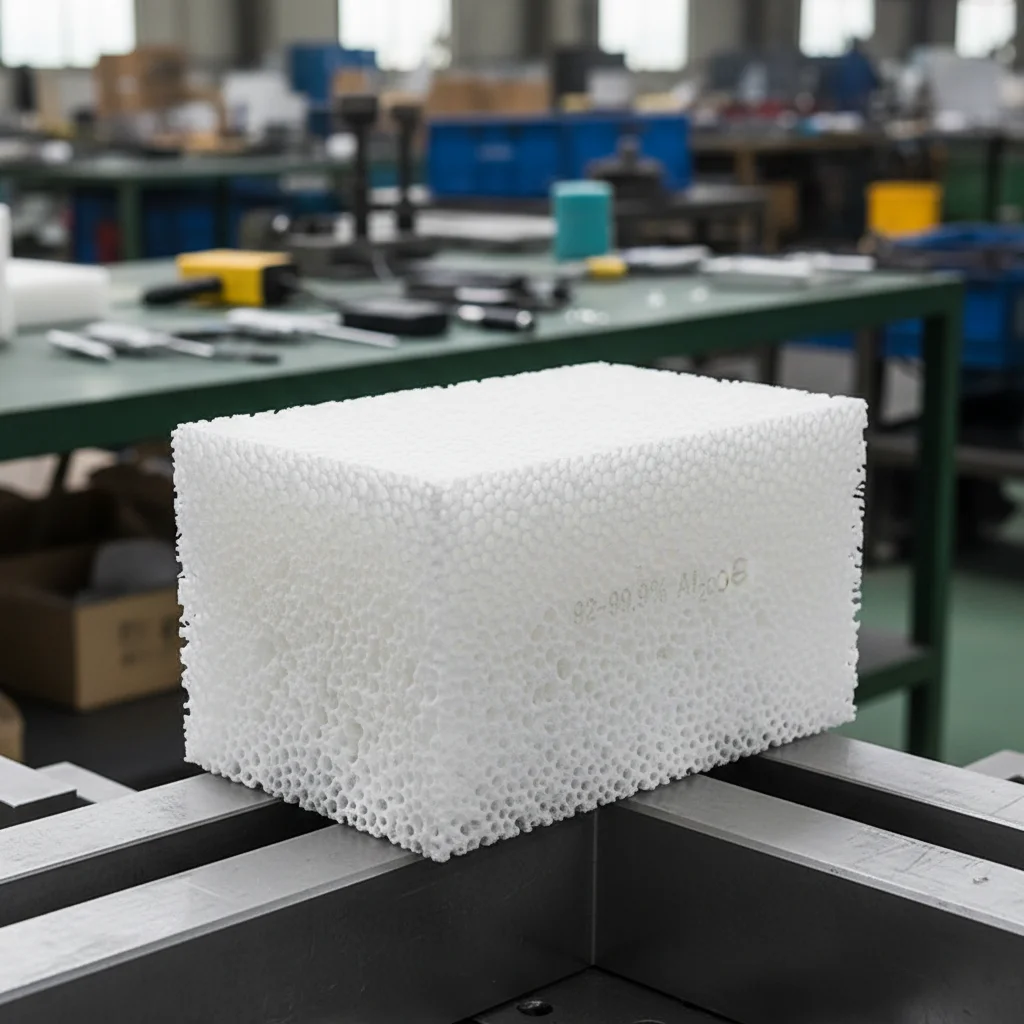
Stanford Advanced Materials builds alumina filters around one core principle: purity drives performance. Their ceramic foam filters start at >92% Al₂O₃ content for standard activated alumina work. Need cleaner metal? They push purity to >99.9% for critical aluminum and copper alloy applications. This isn’t marketing talk. Higher alumina content gives you better heat stability. Plus, it resists molten metal corrosion better.
Working temperature caps at 1100°C. This targets aluminum casting (660°C) and copper alloys (1085°C). Steel work needs hotter filters. SAM doesn’t compete there. They focus on non-ferrous metals. Alumina wins on cost versus performance here. Their standard filter body mixes Al₂O₃ and SiO₂. Porosity runs 78-90%. This range balances flow rate against particle capture. Bulk density sits at 0.35-0.45 g/cm³. Compressive strength hits ≥1.0 MPa at room temperature. Thermal shock testing? Two cycles minimum from 800°C to ambient without cracking.
Pore Options and Physical Dimensions
SAM stocks six PPI configurations: 10, 20, 30, 40, 50, and 60. Tolerance holds at ±2 PPI. Philippine foundries get consistent filtration across production batches. Lower PPI (10-20) catches coarse slag in high-volume aluminum pours. Higher PPI (50-60) traps fine bits in precision copper alloy work.
Standard plate sizes cover most gating systems. They run from 7×7×2 inches up to 26×26×2 inches. Dimensional tolerance? ±2mm for sizes under 15 inches. ±3mm for 17-inch-plus plates. Custom dimensions ship on request. These tight tolerances matter. Filters that don’t fit flush against runner walls let dirty metal bypass the ceramic. Your inclusion removal fails.
SAM also makes tubular alumina membrane filters with precision pore control. Options run 0.8μm, 0.2μm, 100nm, 50nm, down to 20nm. Maximum length reaches 1200mm. Channel setups span 1, 4, 7, 9, 19, or 37 channels. These handle specialized filtration in high-purity aluminum jobs. Think aerospace-grade billets or medical device parts.
Cost Position and Ordering Process
SAM doesn’t publish filter prices. You request quotes through their inquiry system. No regional distributors show up for the Philippines. This means direct factory ordering. Shipping times and freight costs? Ask before you commit to large orders. The “cost-effective” claim rests on alumina’s material economics. It’s cheaper than zirconia. Performance stays strong for non-ferrous casting. But without published pricing or Philippine case studies, verify the value yourself.
Their activated alumina spec sheet shows 200 m²/g surface area and 0.4 ml/g pore volume. Water absorption hits 50%. Abrasion loss stays at 7%. These numbers matter for filter life. Low abrasion means filters resist breakdown from molten metal flow. High water absorption helps with preheating and drying cycles.
SAM positions its filters for alloy changes and scrap reduction. The marketing claims “no metal hold-up” and “highest filtration efficiency.” We don’t have third-party test data to confirm particle removal rates. Philippine buyers should request metal analysis reports from current users. Get real-world defect reduction numbers before switching suppliers.
Ceramic Foam Filter Selection Guide for Philippines Foundries
Pick the wrong ceramic foam filter and you waste money on scrap. The right one cuts defects by 10-20% and boosts yield 5-15%. Here’s how Philippine foundries choose filters that work.
Match Filter Material to Your Metal Temperature
Your alloy type decides which ceramic survives the pour. Use this matrix:
|
Alloy Type |
Recommended Filter |
Max Temp (°C) |
PPI Range |
Casting Method Example |
|---|---|---|---|---|
|
Aluminum/Aluminum Alloy |
Alumina (Al₂O₃) |
≤1200 |
10-60 |
Gravity die casting |
|
Steel/Steel Alloys |
Zirconia (ZrO₂) |
≤1700 |
20-40 |
Sand casting |
|
Iron (Ductile, Gray, Malleable) |
SiC |
≤1550 |
20-50 |
Heavy pouring |
|
Copper Alloy |
Alumina |
≤1200 |
30-50 |
Continuous casting |
|
Zinc/Magnesium |
Alumina |
≤1100 |
20-40 |
Low-pressure casting |
Alumina handles most Philippine aluminum foundry work. Operating temp caps at 1200°C. Porosity runs 80-90%. Bulk density sits at 0.4-0.5 g/cm³. You get compression strength of ≥0.8-1.0 MPa at room temperature. Steel variants push to 1600°C.
Choose PPI Based on Your Impurity Level
Higher PPI catches finer particles but slows metal flow. Match your PPI to real contamination:
|
PPI |
Inclusions Diameter (μm) |
Filtration Rate (%) |
Impurity Level Suitability |
|---|---|---|---|
|
20 |
80 |
78 |
High impurities, high flow |
|
30 |
40 |
85 |
Medium impurities |
|
40 |
20 |
88 |
Medium-fine impurities |
|
50 |
10 |
92 |
Fine impurities |
|
60 |
5 |
95 |
Ultra-fine impurities |
High PPI costs more upfront. Filters at 40-60 PPI run 20-30% higher in price. But they cut rework 25-40%. The math works if defects kill your margins.
Install Filters Without Common Errors
Poor installation destroys filter performance. Follow these steps:
-
Take filter from sealed packaging
-
Clean filter box fully—no old slag residue
-
Place filter and press compressible gasket on all sides (stops 10-20% molten metal leakage)
-
Preheat box and filter 15-30 minutes to metal temp (700-800°C for aluminum)
Preheating takes out moisture. Skip this and filters crack. Failure rate jumps 30%. Philippines humidity runs 80%+. Moisture in that 80-90% porosity creates thermal shock from hot metal.
Store Filters in Tropical Conditions
High humidity wrecks ceramic foam filters. Store in sealed packaging at <60% RH. Add desiccants. Stack flat, maximum 4 units high. Going higher causes compression damage. Handle with gloves. Check for cracks before use—light transmittance should reach ≥95% through open pores.
Shelf life runs 12-24 months if kept dry. Wet filters double thermal shock risk. Throw them out. The savings aren’t worth scrapped castings.
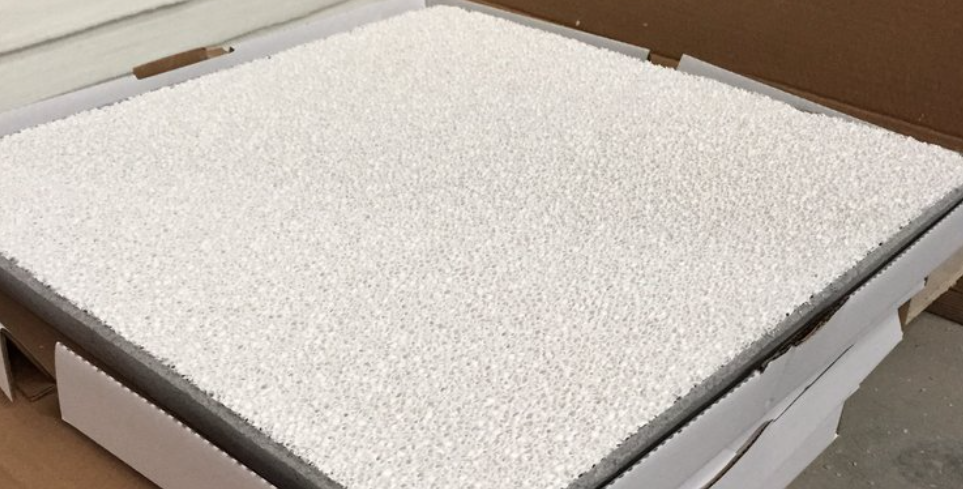
Standard sizes for Philippine aluminum foundries: 7-23 inch sides (178-584mm square, 50mm thick). Tolerance holds at ±1mm on sides, ±0.5mm on thickness, ≤2° inclination.
Import Process and Quality Verification
Philippine ceramic foam filter imports follow strict customs rules. Most foundries don’t see this coming. The CBSA system runs 9 tariff classification checks in 2026. Four of these target surtax goods from China and the US. Classification errors? Your filter shipment gets flagged. Delays stretch 2-4 weeks. Costs spike 15-30%. Storage fees pile up. Production stops.
Documentation That Clears Customs Fast
Three documents move your ceramic filters through Manila ports: Certificate of Analysis (COA), Material Safety Data Sheets (MSDS), and product certificates. The COA proves your alumina content hits 92-99.9%. MSDS covers hazard data. Ceramic dust triggers respiratory controls, so this matters. Product certificates verify thermal shock resistance. They also confirm PPI ratings match your purchase order.
Get your Importer Security Filing (ISF) data right. CBSA audits ISF submissions in real-time. Declared filter dimensions don’t match actual cargo? Manual inspection starts. Your container sits at the port. Production grinds to a halt. Submit tariff classifications early. Double-check before you send.
Verification Methods That Catch Bad Filters
On-site audits, sampling tests, and records review – these three form your verification triangle. SGS and Bureau Veritas offer third-party testing in Metro Manila. They pull sample filters from each batch. Porosity tests confirm the 80-90% spec. Thermal shock cycles test survival at 1100-1760°C. Compressive strength checks catch weak batches. These filters crack under metal pressure.
Schedule verification based on supplier risk. New Chinese or US suppliers? Test every shipment for 6 months. Established makers with clean records? Sample every three months. Document everything. Hazard analysis results. Test data. Corrective actions for failed filters. Digital systems beat spreadsheets for tracking.
Performance metrics show reality. Monitor test pass rates. Track on-time delivery percentages. Count defect complaints from your casting teams. A supplier hits 8% test failures? Take action now. Switch to 100% inspection. Line up a backup source. Poor filters cost more in scrap aluminum than you save on price.
Cost Analysis and ROI Considerations
Filter costs look simple until you run the real numbers. A ceramic foam filter runs $15-85 per unit depending on material, PPI, and size. Your actual expense includes shipping, customs duties, inspection fees, and replacement cycles. Philippine foundries pay 8-12% import duties on Chinese ceramic products. Add 15-25% freight costs from Shanghai or Guangzhou ports to Manila. Your $40 alumina filter becomes $52-58 landed cost before you install it.
Calculate Your True Filter Investment
Total filter cost = Unit price + (Unit price × Duty rate) + (Unit price × Freight rate) + Testing fees
Example: You order 100 alumina filters at $45 each from a Chinese supplier.
– Base cost: $4,500
– Import duty (10%): $450
– Freight (20%): $900
– SGS sampling test: $300
– Total landed cost: $6,150 ($61.50 per filter)
Your filter budget just jumped 37%. Most foundries forget this math.
ROI Metrics That Matter in Metal Casting
Standard ROI formulas miss the gains specific to casting. Use this calculation:
Casting Filter ROI = (Scrap Reduction Value + Yield Increase Value – Total Filter Cost) / Total Filter Cost × 100%
Here’s a real Philippine aluminum foundry example:
– Production: 50 tons aluminum castings per month
– Filter investment: $2,100 (100 filters at $21 landed cost)
– Scrap rate drop: 12% to 8% (4% improvement)
– Scrap value saved: 2 tons × $2,800/ton = $5,600
– Yield increase: 3% × 48 tons × $4,200/ton = $6,048
– Net gain: $11,648 – $2,100 = $9,548
– ROI: 455% per month
– Break-even: 5.4 days
Replace filters every 8-12 pours. Annual costs run $25,200-$31,500 for this foundry. Annual scrap savings? $67,200. You hit payback in under 6 months even with a conservative 2% defect reduction.
Conclusion
Finding the right ceramic foam filter manufacturer for metal casting in the Philippines is simpler than you think. You now have five proven suppliers. Each brings clear benefits to your foundry operation. FoundryMax offers versatile multi-material solutions. Stanford Advanced Materials provides affordable alumina options. There’s a match for your specific casting needs.
Here’s what matters most: Price shouldn’t be your sole decision factor. The cheapest filter can cause production delays or quality issues. This will cost you far more than investing in the right solution upfront. Request samples from at least two manufacturers. Run side-by-side trials with your actual casting processes. Measure real-world performance—not just spec sheet promises.
Your next move? Reach out to these suppliers. Share your specific alloy requirements, production volume, and quality standards. The foundry that controls filtration quality controls profitability. Make that call today. Your competitors already are.