
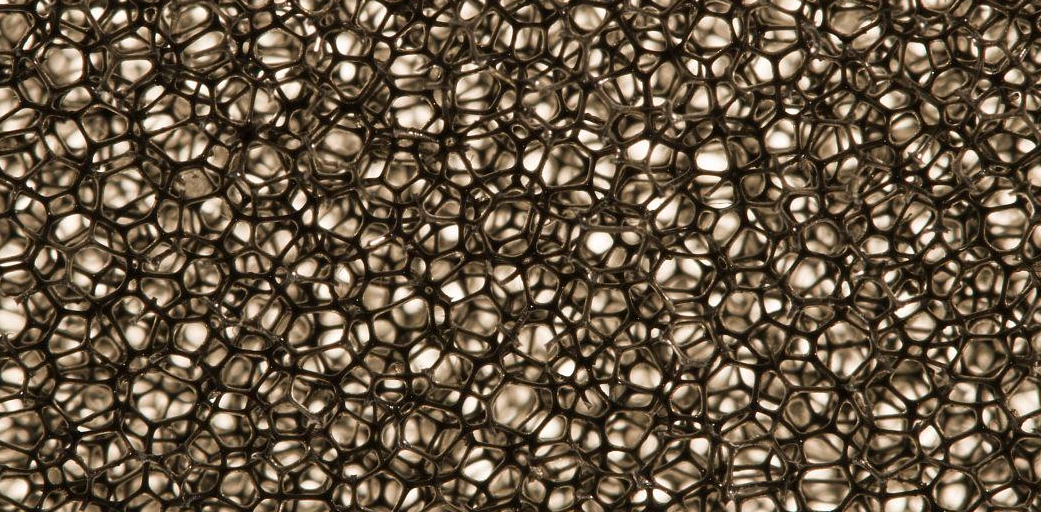
Your engine’s performance, lifespan, and fuel use often depend on one part most drivers miss: the air filter. Walk into any auto parts store and you’ll see two main options—paper filter vs foam filter. Pick the wrong one? You might lose power, spend more on maintenance, or wear out your engine too soon.
This isn’t about personal taste. You need to match the filter type to how you drive. Paper filters offer easy use and lower upfront costs. foam filters promise better airflow and can be cleaned and reused. But do these claims work in real life? We’ll look at how well each filters, how air moves through them, how long they last, and what they cost over time for different vehicles.
Building a weekend racer? Driving to work every day? Running a work truck? You’ll learn which filter type fits your engine—and why common advice might be wrong.
Paper Filters: How They’re Built and What They Do
Most paper filters use the same basic materials: cellulose fibers mixed with synthetic resins. The cellulose comes from hardwood and softwood pulp. Resin makes up 14% to 19% of the mix, depending on what you need the filter for. These materials work together to trap particles. At the same time, they stay strong under airflow pressure.
How manufacturers make filters affects how well they work. Paper begins as flat sheets with a basis weight between 100-200 g/m². Then manufacturers fold or pleat this material. This increases the surface area. Standard folds measure 0.20-0.28 mm deep. They create valleys and peaks that boost filtration capacity. The housing size stays the same.
Material Specs by Filter Type
Different engines need different paper types. Air filter paper (AFP) has larger pores—80-90 µm maximum. This allows high airflow rates of 250-350 L/100cm²·min at 200Pa pressure. The paper stays thin at 0.4-0.6 mm. This reduces airflow restriction.
Oil filter paper (OFP) needs more strength. Bursting strength hits 390-510 kPa. AFP only reaches 350-450 kPa. These filters deal with pressurized oil flow. They need higher stiffness ratings of 3500-4500 mg. This stops them from collapsing.
Fuel filter paper (FFP) has the strictest requirements. Pore size drops to 60-70 µm. Air permeability falls to 100-150 L/100cm²·min. Resin content goes up to 17-19%. This gives chemical resistance against gasoline or diesel.
Lab-grade papers like Whatman #50 show what precision filtering can do: 2.7 µm particle retention with 98% alpha cellulose content. This beats what cars need. But it shows what the material can achieve if you prioritize particle capture over airflow.
Foam Filters: How They Work
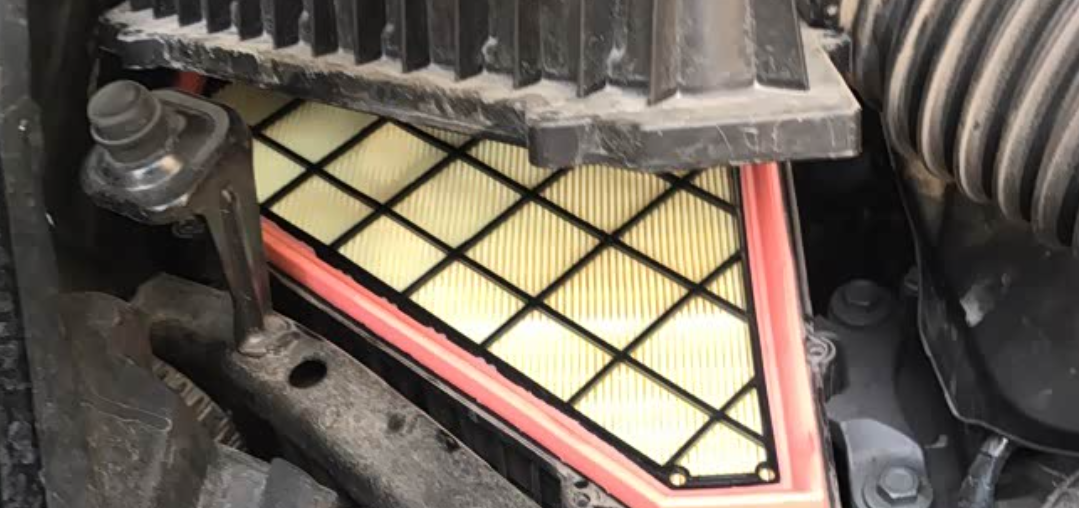
Foam filters use a 3D network of connected pores that sets them apart from paper. The open-cell design creates 97-98% void volume—nearly all empty space. You get two major benefits: huge dust-holding capacity and low air resistance. Air flows through easily. Particles hit the foam strands and stick.
Reticulated foam goes a step further. Made from Polyester urethane, it has fully open cells that connect evenly through the material. No straight channels exist for particles to slip through. Air takes a winding path instead. Each turn makes contact with foam surfaces. Dust gets trapped on impact.
Material Density and Performance Balance
Foam density gets measured in PPI (pores per linear inch). Options run from 10 to 100 PPI. The number shows how many pores fit in one linear inch of material. Higher PPI catches finer particles. But it also means firmer material and more flow resistance.
Standard foam gives you 50-80 psi tensile strength. Elongation hits 250-350%. Tear strength runs 5-10 lb/in. These numbers work for most uses.
Want tighter filtration? SIF® Felt compresses 90 PPI foam using heat and pressure. Tensile strength jumps to 160-220 psi. Firmness ratings climb to 20. Thickness shrinks to 0.025 inches. The denser build traps smaller particles. Airflow resistance goes up as a trade-off.
Temperature and Chemical Limits
Foam Filters work up to 250°F maximum. The polyether or polyester base holds up against water, soaps, acids, alkalis, and detergents.
A PVC-coated version boosts tear strength and compression resistance. Chemical protection gets better. Airflow stays mostly the same. So foam works well in wet conditions or around harsh chemicals—places where paper filters fall apart.
Filtration Efficiency: Particle Trapping Comparison
Paper and foam filters trap particles through different methods. The size of what you’re filtering decides which one works better. The most penetrating particle size (MPPS) sits between 80-400 nanometers for both filter types. Efficiency drops to its lowest point here. Smaller particles get caught by diffusion. Larger ones hit the filter material head-on. Particles in this middle range slip through easier.
How Particle Size Changes Filter Performance
Particles under 100 nm use diffusion to get trapped. They bounce around until they hit a filter fiber. Between 50-100 nm, interception starts working. Particles follow airflow and get close enough to touch fibers and stick. Once you hit 100 nm and larger, impaction takes over. Heavier particles can’t follow the air’s path around fibers. They crash into surfaces instead.
The 0.1-1 μm range combines diffusion and interception at lower air speeds. At high velocity, 0.2-0.3 μm particles face all three methods at once: impaction, interception, and diffusion. Different filters perform better under specific airflow conditions because of this.
MERV 11 high-efficiency filters (multi-layer paper designs) boost particle loss rates by 2.4-6.1 times compared to no filtration. The biggest improvement shows up with 0.5-5 μm particles. This size range includes dust, pollen, and mold spores in cars.
Real-World Efficiency Numbers
Testing mirrors what happens in real use. N95-grade paper filtration captures 54.1% of 350 nm test particles. It drops concentration from 2,935 particles/cm³ to 1,348 particles/cm³. Step up to N99 with elastomeric sealing and efficiency jumps to 90.5%. Just 279 particles/cm³ get through.
Foam filters work differently. Adding layers increases efficiency in a straight line. Stack 1-5 layers of foam and you get predictable PFE (particle filtration efficiency) gains. The MPPS stays the same across all layer counts. The trade-off? Pressure drop climbs with each added layer. Quality factor curves fall to a single line across different thicknesses at the same face velocity. This proves that foam’s structure scales in a consistent way.
Minimum loss rates hit their low point at 0.5-0.7 μm across both filter materials. This matches lab data.
Airflow Performance: Flow Rate vs Restriction Analysis
Airflow doesn’t move through filters in a straight line. Flow rate and restriction follow predictable physics—until they don’t. Know where performance stays stable versus where it falls apart. This matters more than raw CFM numbers on a box.
The Fan Curve Knee: Where Small Changes Hit Hard
System pressure controls how filters handle loading. In the linear region, a 0.1 m³/s drop in flow rate needs 0.4 inches H₂O of pressure change. Push into the knee region (0.59-0.63 inches H₂O). That same flow drop now needs just 0.04 inches H₂O. Sensitivity to restrictions jumps 10 times.
A dusty filter chokes your engine even though it looked fine yesterday. You’ve crossed into the knee. Small dust buildup now creates massive flow loss.
Paper filters hit this knee faster. Their flat surface area loads unevenly. Dust clogs the outer pleats first. Airflow tries to squeeze through fewer pathways. Restriction climbs fast.
Foam filters work differently. They spread particles through depth. The 3D structure uses the entire material volume. Flow patterns stay more stable as the filter loads.
Opening Size Controls Total Flow
Physical restriction at the intake matters just as much as filter media. Testing with air nozzle slots at fixed blower RPM shows the impact. A 3/8-inch opening delivers much higher CFM than a 1/16-inch slot. Exit velocity drops with wider openings. But total flow increases.
Your engine doesn’t care about velocity at the filter face. It needs volume per minute.
This applies to filter housing design. A paper filter in a cramped airbox performs worse than the same filter in an open housing. Foam filters handle tighter spaces better. Air approaches from multiple angles through the porous structure.
Real-World Flow Rate Needs
Peak breathing tests show what extreme airflow looks like. Peak inspiratory flow (PIF) reaches 387 L/min in maximum effort scenarios. But that’s instant. The mean flow during 50% of the inhalation cycle sits at 346 L/min with 1.79 L tidal volume.
Engines work the same way. Advertised max CFM doesn’t usually matter. Flow consistency across the RPM range where you drive? That’s what counts.
Calculate velocity from static pressure using V = 1.291√(pv) m/s for standard air at 1.2 kg/m³ density. Non-standard conditions need temperature and ambient pressure corrections: V = 1.291√[(100000/pa)·(T/289)·(100000/(100000+ps))·pv].
These formulas predict how pressure drop turns into real velocity loss through dirty filters.
Durability and Service Life in Different Environments
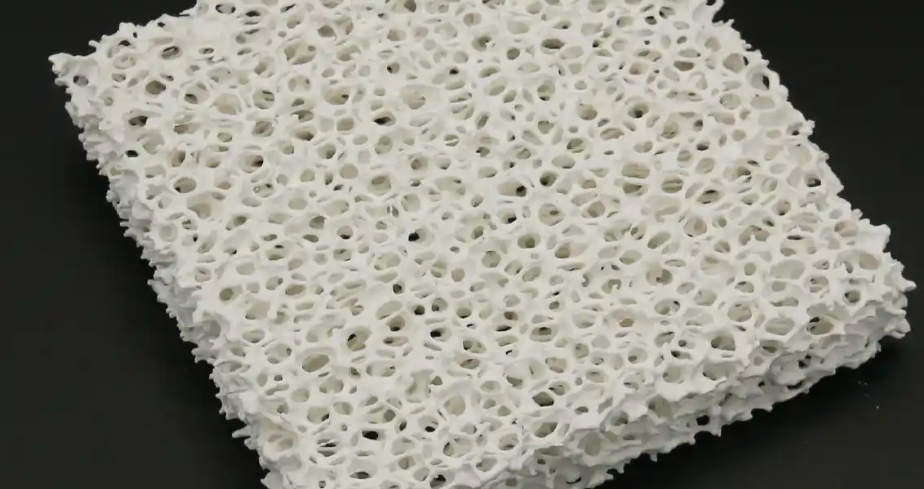
Paper and foam filters last different amounts of time based on where you use them. A filter rated for 30,000 miles in the suburbs might fail at 10,000 miles on dusty construction sites. Your environment puts different stress on filter materials.
Operating Conditions That Shorten Filter Life
Temperature extremes hit both materials in different ways. Paper filters handle heat better at first. The cellulose-resin blend stays stable up to 200-220°F in engine compartments. But heat cycling over time makes it brittle. Fibers crack at fold points after thousands of engine starts and stops.
Foam filters work up to 250°F continuous exposure. The polyurethane structure flexes without damage. Cold temperatures below -20°F stiffen both materials. Paper gets rigid and tears easier during installation. Foam stays flexible but seals less well until it warms up.
Moisture environments create the biggest gap between filter types. Paper soaks up water. Wet cellulose fibers swell and collapse. Airflow restriction jumps 40-60% in high humidity. The material never gets back to its original structure even after drying. One rainstorm through a cracked air intake can ruin a paper filter for good.
Foam filters shed water. The open-cell structure won’t hold moisture. You can rinse foam, let it dry, re-oil it, and get back 95%+ of original performance. Marine use, wet climates, and vehicles that cross water favor foam for this reason.
Application Scenarios: Matching Filter Type to Vehicle Use
Your vehicle type and driving habits decide which filter makes sense. Passenger vehicles hold 56.7% of the air filter market in 2024. This tells you where most drivers should focus. The paper filter vs foam filter question depends on what you drive and where you drive it.
Daily Commuters and Standard Passenger Cars
Sedans, compact cars, and family SUVs on paved roads work best with paper air filters (40.9% market share). Swap it once per year during oil changes. You forget about it after that. Cost stays low. Performance stays solid in clean suburban and highway areas.
Cabin Air Filters need different care. Replace them twice per year for most passenger cars. These make up 69.7% of cabin filter use. Drive in a polluted city? Upgrade to HEPA or Activated carbon types (44.2% market share). Activated carbon kills VOCs and odors from traffic exhaust. HEPA filters catch tiny particles under 2.5 microns. These are the pollutants that get deep into your lungs.
High-Performance and Modified Vehicles
Engine builders and weekend racers need foam filters for steady airflow at high RPM. Fiberglass-based filters work for track use too. They catch smaller particles than cellulose. Plus, they handle heat better. But foam gives you more total flow. Re-oil it every 10,000-15,000 miles. This costs less than replacing paper filters three times per year under hard driving.
Oil and fuel filters stay paper-based across all performance levels. Fiberglass versions handle high heat and modern fuel pressure better than standard cellulose. Replace them once per year. This stops clogs that steal horsepower.
Commercial Trucks and Fleet Vehicles
Long-haul trucks and delivery vehicles face dust all the time. Foam filters stretch out service times in construction, farming, and unpaved-road work. The depth-loading design handles dirt roads. No need for replacements every month. Air filter changes still happen, but every 15,000-20,000 miles instead of every 5,000 miles with paper.
Driver comfort relies on cabin filtration. Combination filters (electrostatic + activated carbon) catch both particle pollution and diesel fumes. This helps keep drivers and meets health rules in commercial fleets.
Electric and Hybrid Vehicles
Battery electric vehicles cut out oil and fuel filters completely. 42% sales jump from 2022 to 2023 sped up this change. Cabin air filtration becomes the main filter concern. Battery cooling systems need their own filters, but these use OEM-specific designs. You won’t find aftermarket options.
Paper cabin filters work fine for most EV owners. No engine vibration and heat means filter housing seals last longer. Drive an EV in a polluted city? Upgrade to HEPA. This maxes out the air quality benefit of zero-emission driving.
Cost-Effectiveness and Environmental Impact
Paper filters cost $10-25 per replacement. You buy them once per year for normal driving. Foam filters run $40-80 upfront but last 50,000+ miles with cleaning. Clean and re-oil foam every 10,000-15,000 miles using $8-12 worth of cleaner and oil. After three years, foam costs less than repeated paper purchases—but only if you maintain it.
The Hidden Costs Behind Your Filter Choice
The production chain creates more environmental impact than the filter itself. Manufacturing emissions hit 11.4 times higher than product use. Retailers face worse numbers at 28 times operational emissions. Paper filter production uses pulp processing, chemical treatments, and packaging. Foam manufacturing uses petroleum-based polyurethane. But you get a product that doesn’t need yearly replacement.
Global production chain environmental risks will cost companies $120 billion by 2026 across manufacturing, agriculture, and power generation. Small businesses pay 5x more per employee to meet compliance standards in the EU alone. Industrial pollution costs the EU economy €268-428 billion each year—roughly 2% of GDP.
Consumers vote with their wallets. PwC research shows buyers pay 9.7% more for sustainable products. Reusable foam filters align with this trend. You clean instead of replace. This cuts waste heading to landfills.
Companies cutting emissions save real money. 619 million tons of CO₂ reductions saved businesses $33.7 billion. That equals shutting down 159 coal plants for a year. Electric utilities dropped waste by 53% (941 million pounds) between 2014-2023. They did this through better monitoring and closed-loop systems.
Paper filters feed the disposable cycle. Foam filters cost more upfront but reduce long-term environmental load. But drivers must commit to cleaning schedules instead of tossing them out.

Selection Criteria: Pick Based on How You Drive
Match your filter choice to your real driving habits—skip the marketing hype and trust data. Different driving creates different demands. A simple framework helps you choose based on facts, not guesses.
The Certainty-Doubt Assessment Matrix
Sort what you know from what you’re guessing about your driving:
Certainties (fixed data):
– Average mileage per month from your odometer
– Driving split: Highway vs city vs off-road percentage
– Climate: Temperature range, humidity, dust exposure
– Maintenance budget: Dollars you set aside each year for filters and service
Suppositions (patterns you assume):
– Peak stress times like summer road trips or winter cold starts
– Filter lifespan based on what makers claim
– How performance might change as filters age
Doubts (things that vary):
– Route changes you can’t predict (sudden detours to dirt roads)
– Vehicle mods that change airflow needs
– Future driving shifts (new job, moving)
Score each doubt by how it affects filter performance. Big doubts—like random dust exposure—point you to foam filters. Their depth structure handles changing dirt better. Small doubts? Standard paper filters work fine.
Quick-Win Quadrant Analysis
Plot your driving on an Impact vs Effort Matrix:
|
Quadrant |
Impact |
Effort |
Filter Choice |
|---|---|---|---|
|
Quick Wins |
High airflow need |
Low maintenance time |
Foam (clean every 15k miles, lasts 50k+ miles) |
|
Major Projects |
Heavy dust exposure |
High initial setup |
Foam (upfront cost $40-80, needs proper cleaning kit) |
|
Fill-Ins |
Light commuting |
Minimal upkeep |
Paper ($10-25, swap each year, zero effort) |
|
Thankless Tasks |
Rare extreme conditions |
Complex maintenance |
Avoid specialty filters; use standard paper |
Quick Win example: Highway commuter with garage access. Foam filter gives high airflow boost. Cleaning twice per year takes 30 minutes total. You save $40-60 over three years versus buying paper filters each year.
Fill-In example: Urban driver on paved roads. Low dust means paper filters last their full 12,000-15,000 miles. Swap during oil changes. Total effort: 5 minutes per year.
Authority Setup for Fleet Choices
Use DACI roles for group decisions (company fleets, shared cars):
|
Role |
Job |
Filter Decision Example |
|---|---|---|
|
Driver |
Day-to-day operation |
Fleet manager tracks maintenance windows |
|
Approver |
Final budget say |
CFO approves foam filter switch for 50-vehicle fleet |
|
Contributor |
Tech input |
Mechanic shares dust data from air filter checks |
|
Informed |
Gets updates |
Drivers learn new filter maintenance schedule |
Fleet scenario: Construction company runs 30 trucks on dusty sites. The Driver (fleet manager) collects data. Paper filters clog every 3,000 miles. The Contributor (head mechanic) calculates labor costs: 30 trucks × 5 changes per year × $45 labor = $6,750 per year. Foam filters cost $1,500 upfront (30 × $50) + $900 cleaning per year (30 × $30) = $2,400 total first year, then $900 each year. The Approver (owner) signs off. Savings per year: $4,350 after year one.
Conclusion
The paper filter vs foam filter debate has no universal winner. You need the right choice for your specific needs. Paper filters work best for commuting and highway driving. They trap tiny particles that could harm your engine. Foam filters perform better off-road, in dusty areas, and for high-performance use. They handle extreme conditions and you can reuse them.
Your choice depends on three things: where you drive, how much maintenance you want to do, and your budget over time. Commuters get more from paper filters. You install them and forget about them. They catch fine particles better. Off-road riders and weekend adventurers save money with foam filters over time. These filters last longer and you can wash them.
Don’t guess about your engine’s protection. Look at where you drive most. Calculate what you’ll spend on filters each year. Pick the filter type that fits how you use your vehicle. The best filter isn’t the priciest or most popular. It’s the one that matches what you need and keeps your engine running clean for years.