Looking for the best filter foam sponge manufacturer for aquarium in India? It’s tough to find the right one. Your fish’s health depends on this choice.
You might be setting up a home community tank. Or maybe you run a commercial aquarium. Either way, filtration foam quality matters. It affects water clarity. It helps good bacteria grow. It keeps your fish healthy.
Many suppliers say they’re the best. Few actually deliver. Customization? Often missing. Safety certifications? Hard to find. Reliable supply? Not guaranteed. Indian aquarium owners need honest comparisons.
Karefoam – Premium Customizable Aquarium Filter Foam
Karefoam built its reputation on one clear promise: every aquarium needs filtration that fits its unique setup. This Indian maker doesn’t do one-size-fits-all solutions. They craft premium customizable aquarium filter foam that matches your exact needs.
Superior Material Engineering
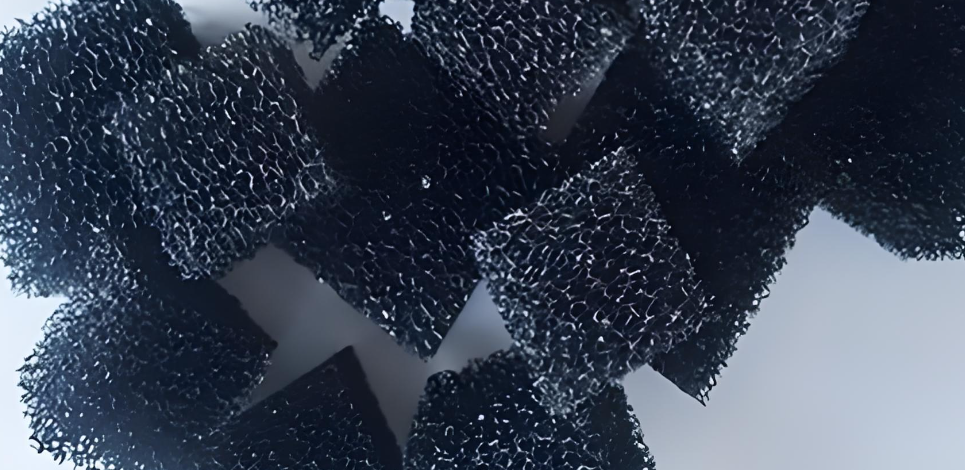
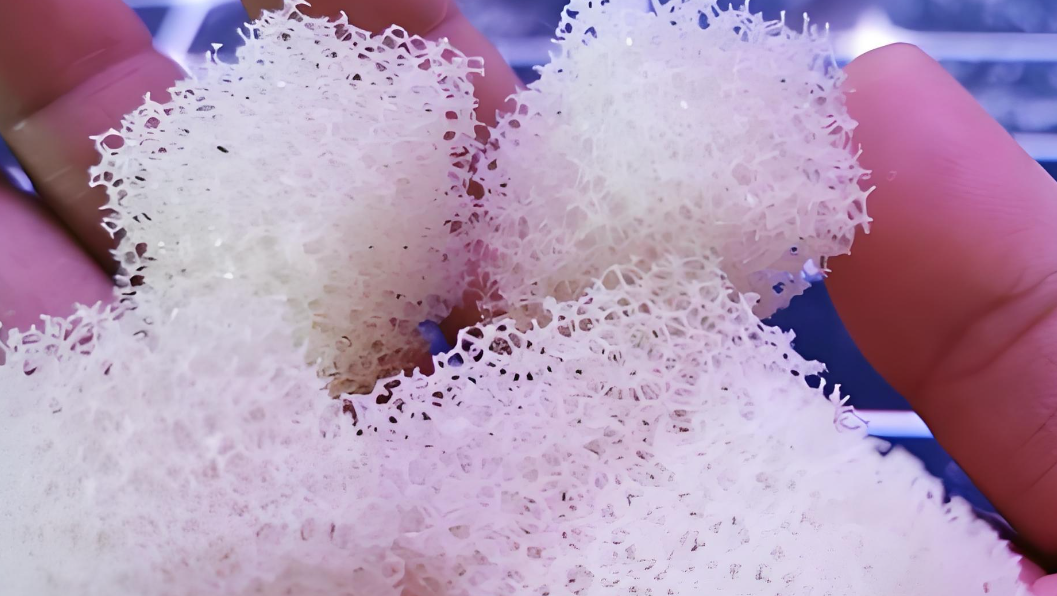
Karefoam uses special polyurethane foam made for water tanks. The material is non-toxic and safe for all fish. Generic industrial foam filter breaks down fast. Their aquarium-grade sponges stay strong even after months in water.
The filtration power comes from controlled pore density. Karefoam offers three grades:
-
Coarse foam (20-30 PPI) – Great for catching large debris first
-
Medium foam (30-45 PPI) – Balances mechanical and biological filtration
-
Fine foam (45-60 PPI) – Polishes water and traps tiny particles
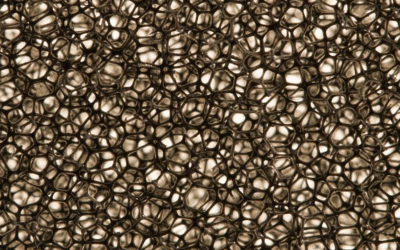
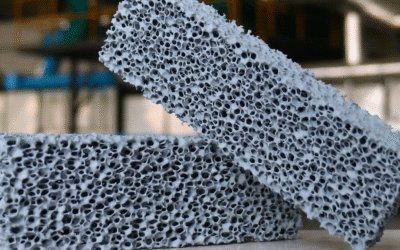
Each grade helps good bacteria grow. The open-cell design gives lots of surface area. This speeds up the nitrogen cycle in new tanks. It also keeps water stable in older systems.
True Customization Options
Karefoam’s customization goes way beyond basic sizes. You pick thickness from 10mm to 100mm. You choose exact dimensions down to the centimeter. Need curved pieces for corner filters? They’ve got you covered. Want specific shapes for DIY sumps? Done.
Commercial aquarium operators get bulk customization at good prices. Karefoam partners with aquarium shops, breeding setups, and fish farms across India. Order quantities stay fair even for special requests.
Durability That Saves Money
These sponges resist compression and tears. Good care makes them last 18-24 months. They handle repeated cleaning without falling apart. The foam keeps its pore structure the whole time.
Eco-friendly production cuts down on waste. Karefoam’s process creates less waste than standard foam making. The materials come from Indian sources, which means lower carbon impact.
Their support team helps you pick the right foam specs. They match pore density to what your filter needs. This know-how makes Karefoam a solid choice for serious aquarium fans.
Greenfin Aqua & Farm – Local Presence with Proven Track Record
Finding details about Greenfin Aqua & Farm’s India operations is tough. Public sources don’t share much. Larger manufacturers have full product catalogs online. This supplier? Not so much.
What We Know (And Don’t Know)
We couldn’t find verified store locations for Greenfin Aqua & Farm as a filter foam sponge manufacturer for aquarium in India. Operating hours? Not listed. Customer service policies? Same story.
Their biochemical filter cotton pads raise questions too. What thickness options do they offer? What are the exact sizes? Which tank sizes work with their products? These details aren’t available online.
Customer reviews are hard to find. Some sources show a 3.7/5 rating. But the actual reviews? We can’t see them. No positive feedback to read. No critical points to check. So judging their real performance is nearly impossible. Customer satisfaction? That’s unclear too.
Pricing and Product Range Gaps
Their prices run from ₹599 to ₹2,900. But what does each price point get you? We don’t know. This makes cost comparison difficult. Does ₹2,900 buy you better foam quality? Or just bigger sizes? No answers yet.
Potential Confusion with Similar Names
Here’s a tricky part. A company called Greenfins LLC exists. They raise sustainable farm fish. Nothing to do with aquarium filters. The similar names could confuse buyers looking for the best filter foam sponge manufacturer for aquarium in India.
The Bottom Line for Buyers
Thinking about Greenfin Aqua & Farm? Get product specs in writing first. Request physical samples before placing bulk orders. Ask them to prove their manufacturing capabilities. Get their aquatic safety certifications on paper.
Compare this to established suppliers. Karefoam, for example, offers clear documentation. Indian aquarium owners can verify their quality standards easily.
Did this manufacturer reach out through local contacts? Do your homework before buying.
Sea Quin Aqurim – Delhi-Based Emerging Supplier
Sea Queen Aquarium (known as Sea Quin Aqurim in the area) has been operating from Pitampura, Delhi since 1998. AP Chaudhuri runs this physical store. It became a registered private limited company in April 2013. The authorized and paid-up capital is ₹100,000.
Store Location and Hours
You’ll find them at QU 197B, Ground Floor, near QU Block DDA Market in Pitampura, New Delhi – 110034. They stay closed on Mondays. Tuesday through Sunday, the shop opens from 12:00 PM to 7:00 PM. Some sources show extended hours of 09:30 AM to 9:30 PM.
Cash and UPI payments work here. They take Paytm and Google Pay. The store sits opposite Riddhi Siddhi. This makes it easy to find.
Product Range Beyond Filter Foam
Sea Quin Aqurim sells aquarium tanks, decorations, and plants. These work for freshwater and planted setups. They also stock pet supplies. You get dog food, cat food, and fish food. The product mix includes aquarium gear and general pet care items.
The company says it can customize solutions based on what you need. But details about their filter foam sponge for aquarium products aren’t easy to find. What foam grades do they carry? What sizes? What prices? These questions don’t have clear answers.
Key Selection Factors for Indian Aquarium Keepers
Professional aquarium management in India has strict qualification standards. These standards affect your filter foam choice. The NSQF Level 4 Qualification Pack for Ornamental Fish Farming sets the baseline. You need one of these: 10th class education plus 2 years of experience, 8th class plus 3 years, or 5th class plus 5 years. This 15-credit program includes the AGR/N4963 unit. The unit focuses on setting up and maintaining marine and freshwater aquariums.
Water Quality Standards Drive Filter Choice
The Aquarium Setup NOS (AGR/N4963) makes water quality maintenance a must for Indian keepers. You need regular pH checks and organic waste removal (performance criteria PC14-PC15). Your filter foam must handle biological filtration well. Assessment standards test this hard. Theory earns 30 marks. Practical application counts for 40 marks. Your filter foam sponge for aquarium needs to support these quality benchmarks.
The AGR/N4936 pond and tank preparation NOS adds another layer. Lab water testing coordination is required. Your foam must keep a steady pore structure. This allows reliable bacterial growth. Medium-grade foam (30-45 PPI) meets these testing requirements best.
Compliance Requirements Affect Purchase Decisions
Running a commercial aquarium operation in India costs serious money upfront. The ₹5,000 registration fee through the State Animal Welfare Board requires a demand draft or postal order. Fish shops pay another ₹5,000 non-refundable fee per premises. These certificates last just 2 years. Renewal fees of ₹5,000 are due within 90 days before expiry.
You must have a full-time fisheries veterinarian. You also need dedicated isolation and treatment rooms. Coastal aquariums need special no-objection certificates from the National Coastal Management Authority. These compliance costs make choosing the best filter foam sponge manufacturer for aquarium in India critical. Filtration failures risk your expensive license. You can’t afford that.
Professional Training Influences Material Selection
St. Albert’s College offers a full 120-hour certificate program. That’s 60 hours theory and 60 hours practical. The curriculum covers larval nutrition for 3 hours. It also teaches breeding techniques for clownfish and damsels. Understanding species-specific needs helps you pick the right foam density. Breeding operations need finer foam to protect delicate fry. General community tanks work well with medium-grade options.
Price-Performance Analysis Across Budget Ranges
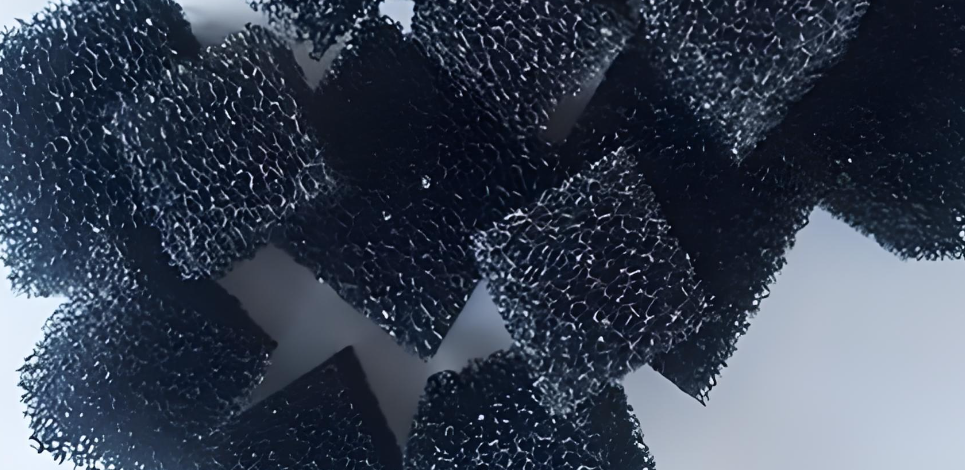
Indian aquarium filter foam sponges fall into three price brackets: ₹150-₹400 for entry-level options, ₹400-₹1,200 for mid-range products, and ₹1,200-₹2,900 for premium solutions.
Entry-Level Range (₹150-₹400)
Budget foam sponges handle basic mechanical filtration in small home tanks. These products last 6-9 months with regular cleaning. The pore structure breaks down faster under heavy bioload. You’ll notice compression after 4-5 months of use.
Most entry-level foams use generic polyurethane. They lack aquarium-specific design. Material safety certifications are often missing. Hobbyists with nano tanks (under 20 liters) can manage with these options. Replace them every 6 months to keep water quality good.
Mid-Range Selection (₹400-₹1,200)
This segment offers better value for serious aquarium keepers. The foam density stays consistent between 30-45 PPI. Material durability extends to 12-15 months. You get proper pore structure that supports helpful bacteria colonies.
Mid-range products include basic customization options. Standard sizes fit most commercial filters. The foam resists tearing during cleaning. Water flow rates remain stable throughout the product life. These sponges suit community tanks (50-200 liters) and planted aquariums well.
Premium Category (₹1,200-₹2,900)
Premium makers like Karefoam deliver aquarium-grade design. These sponges last 18-24 months with proper care. The material meets strict aquatic safety standards. Full customization covers thickness, dimensions, and pore density variations.
Commercial operations benefit most from this investment. Breeding setups need reliable biological filtration. The higher upfront cost spreads across extended service life. Calculate ₹65-₹120 per month of actual use. This matches mid-range costs but delivers better performance consistency.
Choose based on your tank size and filtration needs. Small hobbyist setups can start with mid-range options. Professional operations should pick premium solutions. The licensing costs and compliance needs make sense for investing in dependable filtration systems.
Material Safety & Aquatic Life Compatibility
Filter foam that leaches toxins into your aquarium water creates a slow disaster. The best filter foam sponge manufacturer for aquarium in India must prove their materials meet strict aquatic life safety standards. Generic industrial foams often contain leftover chemicals from production. These chemicals harm fish, invertebrates, and helpful bacteria colonies.
Understanding Aquatic Toxicity Thresholds
The U.S. Environmental Protection Agency sets exact freshwater limits for dissolved metals. Your filter foam must not release cadmium, lead, nickel, or zinc. Even tiny amounts cause problems. Zinc’s long-term limit sits at 120 µg/L for freshwater systems. Lead allows just 2.5 µg/L for extended exposure. These numbers matter. Cheap foam breaks down in your tank and releases these metals.
Saltwater aquariums face different risks. The saltwater long-term limit for nickel drops to 8.2 µg/L. That’s much lower than the 52 µg/L freshwater standard. Marine fish and corals are more sensitive to metal pollution. Your foam choice becomes critical in reef tanks.
PFOA Pollution Risks
PFOA chemicals are new concerns. The EPA’s 2024 freshwater long-term limit is 100 µg/L in water. Fish tissue buildup reaches dangerous levels at 6.49 mg/kg wet weight. Foam production sometimes uses PFOA-containing compounds. These stay in aquarium water for months.
Karefoam’s aquarium-grade foam avoids PFOA additives completely. Their production goes through third-party testing. You get documentation showing zero detectable PFOA levels. Generic suppliers don’t provide this assurance.
Water Chemistry Factors Indian Keepers Must Consider
Water chemistry in Indian regions varies a lot. Hard water areas around Delhi and Mumbai change how metals affect aquatic life. The EPA formula accounts for this: CMC (dissolved) = exp{mA [ln(hardness)] + bA}. Higher hardness reduces some metal toxicity. But it doesn’t remove the risk from polluted foam.
pH levels also matter. Acidic water (pH 6.0-6.5) common in planted tanks increases metal dissolving. Foam that’s safe in alkaline water becomes dangerous in low-pH setups. Dissolved organic carbon from driftwood and botanicals offers some protection. But relying on this buffer instead of safe materials is risky.
Species-Specific Risks
Sensitive species need extra caution. Coho salmon die fast from 6PPD-quinone exposure – a compound found in rubber products. You won’t keep coho in India, but the principle applies. Discus, crystal red shrimp, and Betta splendens show similar sensitivity to pollutants. Their bodies can’t handle even low-level chemical exposure.
The Whole Effluent Toxicity (WET) testing checks materials across multiple species. Tests include algae, daphnids, and fathead minnows for freshwater. Saltwater testing uses mysids and menidia. Quality manufacturers run these multi-species trials. They prove their foam won’t harm different tank inhabitants.
Material Certification Requirements
Ask potential suppliers for aquatic safety documentation. Karefoam provides certificates showing their foam passes safety testing. The material stays inert in both freshwater and saltwater conditions. No heavy metal leaching occurs even after 24 months of continuous water contact.
Check for these specific certifications:
– Heavy metals analysis – Cadmium, lead, nickel, zinc, silver below detection limits
– PFOA testing – Zero detectable levels in water contact tests
– pH stability – No alkalinity/acidity changes in controlled water samples
– Bioassay results – Live fish exposure tests showing zero mortality or stress signs
Generic industrial foam lacks this documentation. The manufacturers serve construction and packaging industries. They don’t test for aquatic life safety. Using their products in your aquarium becomes an expensive gamble.
Long-Term Safety Considerations
Filter foam breakdown releases tiny particles into water. Quality aquarium-grade sponges keep their structure throughout their service life. Karefoam’s products show minimal particle shedding even after 50+ cleaning cycles. Cheap foam crumbles and sheds all the time. These particles stress fish gills and clog fine feeder organisms.
Temperature resistance matters too. Indian summers push tank temperatures to 30-32°C in non-chilled setups. Some foams release harmful organic compounds (VOCs) at high temperatures. Aquarium-grade materials stay stable across 15-35°C temperature ranges. This protects your livestock during seasonal changes.
Choose manufacturers who understand aquatic toxicology. Your fish depend on inert filtration materials. The investment in certified safe foam prevents expensive livestock losses and keeps stable water chemistry year-round.
Bulk Procurement for Commercial Aquariums
Commercial aquarium operators face different buying challenges than home hobbyists. A single public aquarium or fish breeding facility needs hundreds of filter sponges each year. The global commercial aquarium market reached USD 394.2 million in 2024. Industry projections show growth to USD 669 million by 2031 at a 7.85% CAGR. This growth drives demand for bulk filtration materials across India’s aquatic industry.
Volume Requirements and Market Scale
The aquarium supply market sits at USD 598.25 million in 2025. It’s climbing toward USD 1.01 billion by 2035 at 5.4% annual growth. Filter media products represent USD 208.59 million of that 2035 projection. Commercial operations run tanks larger than 100 gallons. These systems use far more filter foam than home setups.
Indian fish farms and public aquariums replace filter sponges every 12-18 months. Bioload determines the exact timing. A medium-sized breeding facility with 50 filtration units needs 100-150 foam pieces per year. Pet store chains stocking 20+ display tanks require similar volumes. These numbers make direct manufacturer relationships worth it.
Direct vs. Distributor Buying Channels
Offline wholesalers and specialty stores used to serve most commercial buyers. Digital transformation changed how people buy. Online B2C platforms drove a 32% sales increase in aquarium products since 2021 across India and China. Flipkart and Amazon now connect commercial buyers straight to manufacturers like Karefoam.
Direct buying cuts out distributor margins. A retail filter sponge priced at ₹800 drops to ₹450-550 in bulk from manufacturers. Orders of 100+ pieces unlock 30-40% discounts. Long-term supply contracts give you stable pricing for budget planning.
Customization for Commercial Uses
Commercial aquariums need the same specs across all filtration units. Karefoam offers batch customization for large orders. You set exact dimensions, pore density grades, and foam thickness. Every piece matches your system needs.
Public aquariums often need branded materials for maintenance records. Some manufacturers offer logo printing or custom packaging. Talk about these options during early discussions. Setup costs for custom branding start at orders over 500 pieces.
Payment Terms and Supply Reliability
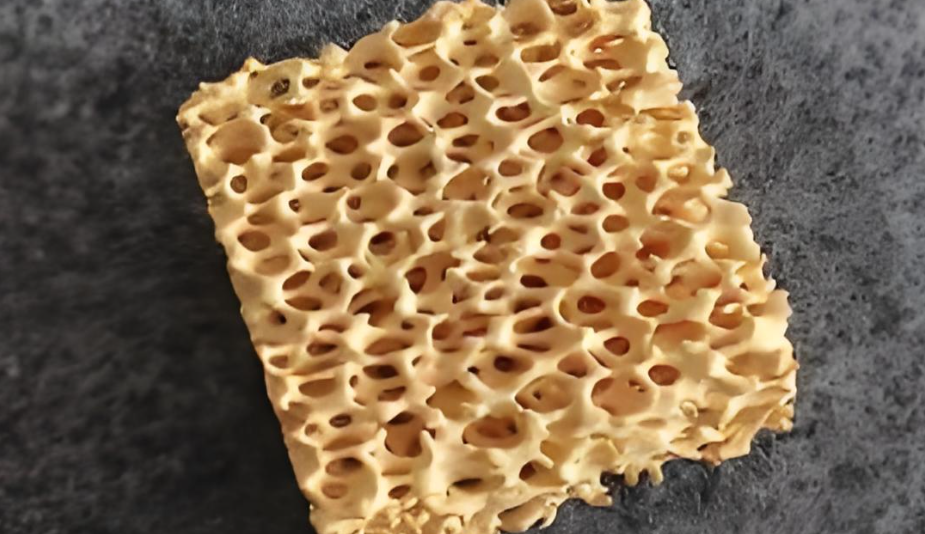
Cash flow matters for commercial operations. Established manufacturers offer 30-60 day payment terms for qualified buyers. You need steady supply without stockouts. Check the supplier’s production capacity before signing exclusive deals.
The Asia-Pacific aquaculture feed market reached USD 26.26 billion in 2024. It’s growing to USD 29.55 billion in 2025. This regional growth shows how commercial fish operations are expanding. Your filter foam supplier must grow with your business. Pick manufacturers with proven production capacity that exceeds your current needs by 40-50%.
Conclusion
Finding the Best Filter Foam Sponge Manufacturer For Aquarium In India depends on matching your needs with what suppliers offer. Karefoam stands out for premium customization and versatile filtration solutions. They use specialized aquatic-grade materials. Commercial operations need bulk orders? Grenco Engineers delivers industrial-scale capabilities. Hobbyists want local support and proven reliability? Check out Greenfin Aqua & Farm’s complete product range.
The cheapest option won’t give you long-term value in aquarium maintenance. Focus on material safety certifications first. Make sure pore size works with your filtration system. Supplier responsiveness matters more than small price differences. Quality filter foam keeps your water chemistry stable. It protects the health of your aquatic ecosystem.
Request material specifications before you buy. Verify PPI ratings match your bioload needs. Ask for small samples—don’t hesitate. Your fish need filtration media that works consistently. Choose a manufacturer who takes that seriously.
Ready to upgrade your aquarium’s filtration system? Contact these verified manufacturers today. Professional-grade filter foam makes a real difference in water clarity and livestock health.