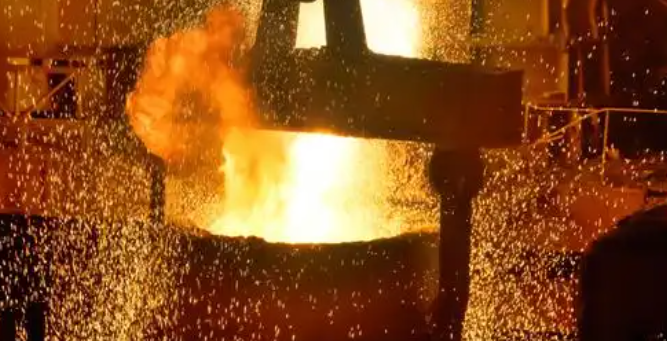
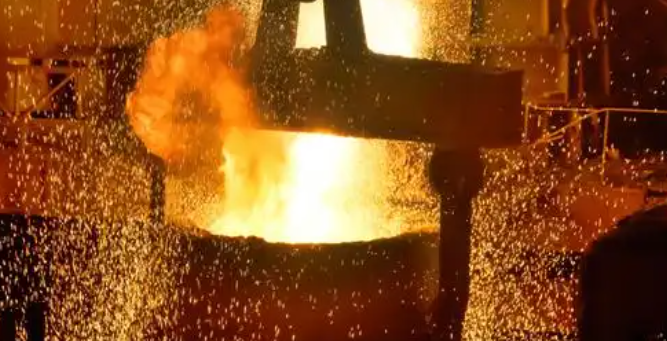
Ever wondered why some metals show up everywhere in cast machinery and car parts? Gray Iron stands out as the go-to choice in the casting world. It offers strength, low cost, and shapes with ease. You’ll find it behind most engine blocks and heavy parts. Based on my experience, gray iron wins for three simple reasons. First, it’s strong. Second, it’s cheap. Third, it molds into complex forms without fuss. I recommend gray iron for any project that needs durability on a budget.
Overview of the Most Used Metal in Casting
I believe gray iron is the clear leader in casting. In the United States alone, gray iron production reaches 4.46 million tons each year. This shows its dominance in metalcasting.
Key Statistics and Market Share
Gray iron accounts for the largest share of metal castings worldwide. In the U.S., more than 70% of all metal castings use sand casting methods. Gray iron is the main metal used.
By comparison, the annual U.S. production volumes for other cast metals are:
- Ductile iron: 4.46 million tons
- Aluminum: 2.10 million tons
- Steel: 1.29 million tons
The global metalcasting industry is worth about $50 billion. Gray iron forms a large portion of this economic activity.
Typical Uses and Benefits
Based on my experience, gray iron’s popularity comes from its great castability, low cost, and strong physical properties. Major uses include:
– Engine blocks
– Pipes
– Machinery bases
– Complex automotive parts
These components benefit from gray iron’s unique traits. It dampens vibration well. It machines easily. It has moderate strength.
Dominance in Sand Casting Processes
Sand casting is the most common casting process. I recommend gray iron for green sand casting. This method offers efficiency and cost savings. It works well for large industrial components. Other casting methods, like Die casting and investment casting, use metals such as aluminum, magnesium, zinc, and steel. But these metals do not surpass gray iron in overall production volumes.
Comparative Overview: Metal Usage in U.S. Casting (Annual Volumes)
- Gray iron: 4.46 million tons
- Ductile iron: 4.46 million tons
- Aluminum: 2.10 million tons
- Steel: 1.29 million tons
Summary:
Gray iron remains the backbone of the casting industry. It combines low cost, broad use, and favorable mechanical properties. In my opinion, this makes it the most used metal in casting around the world.
Key Metals Used in Casting
The casting industry uses several main metals. Each metal has unique features. Each serves different purposes.
Main Metals in Casting and Their Market Significance
Iron (Gray and Ductile Iron): Iron leads the casting market worldwide. In the U.S., gray iron and ductile iron together make up over half of all casting production by weight. More than 80% of global castings are ferrous. This means they are iron-based. Ductile iron offers higher strength. It also has better ductility. Gray iron is valued for its castability. It also dampens vibration well.
Aluminum: Aluminum is the top nonferrous casting metal by volume. It is lightweight. It resists corrosion very well. These qualities make it a top choice in automotive and aerospace sectors. In 2016, U.S. aluminum casting production reached over 1.68 million tons.
Steel: Steel castings have high strength and toughness. This makes them ideal for heavy machinery. They work well for structural parts too. Annual U.S. steel casting production was over 1.24 million tons.
Copper Alloys (Brass and Bronze): Copper alloys resist corrosion well. They have good electrical properties. People often use them for valves, pumps, and architectural details. Production of copper-based castings in the U.S. surpassed 205,000 tons per year.
Magnesium: Magnesium is the lightest structural metal. This makes it valuable in automotive and electronics applications. The U.S. casts over 142,000 tons each year. It helps meet demands for lighter vehicles. It also supports compact electronic components.
Zinc: Zinc creates detailed, precision castings. It has a low melting point. This works well for hardware, automotive, and decorative parts. Annual U.S. zinc casting volume exceeds 322,000 tons.
Comparative Physical and Casting Properties
| Metal | Shrinkage Allowance | Solidification Shrinkage | Key Use Cases |
|---|---|---|---|
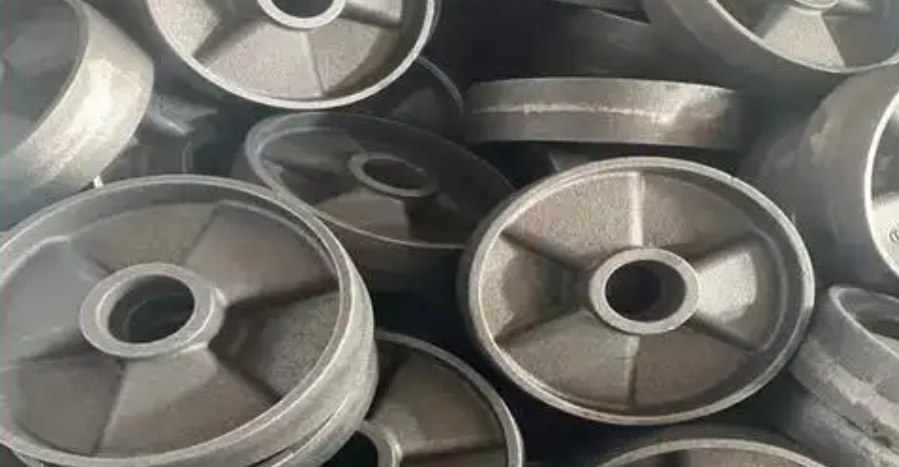
| Gray Iron | 0.8–1.0% | -2.5 to 1.6% | Engine blocks, pipes, machinery bases |
| Ductile Iron | – | -4.5 to 2.7% | Gears, automotive parts, pipes |
| Aluminum | 1.0–1.3% | 6.6% | Wheels, transmission housings |
| Steel | 1.5–2.0% | 2.5–3.0% | Heavy equipment, gears |
| Brass/Bronze | 1.5% | 4.9% | Valves, marine parts |
| Magnesium | 1.0–1.3% | 4.0–4.2% | Laptops, auto seats |
| Zinc | – | 3.7–6.5% | Door handles, hardware |
Examples of Cast Products by Metal Type
- Gray iron: Engine blocks, brake drums, pipe fittings
- Ductile iron: Crankshafts, wind turbine hubs
- Aluminum: Wheels, cookware, transmission cases
- Steel: Mining equipment, large machine parts
- Brass/Bronze: Pump impellers, marine hardware
- Magnesium: Laptop shells, car seat frames
- Zinc: Carburetor bodies, decorative components
Industry Distribution and Market Value
Ferrous metals (iron and steel) make up about 70% of annual casting tonnage in the U.S. Aluminum claims about 18% of the market share. The remaining share comes from copper, magnesium, and zinc alloys. The U.S. casting industry was valued at $44 billion in 2019. Top sectors include automotive, heavy equipment, infrastructure, and consumer products.
Properties Making Cast Iron Dominant
Cast iron leads the casting industry. It offers a unique mix of mechanical, chemical, and economic benefits. Many other metals can’t match these qualities.
Key Physical and Chemical Properties of Cast Iron
Exceptional Castability: Cast iron has a low melting point (1,150°C to 1,200°C). This makes it easier to melt and pour. It also saves energy. It flows well into molds. Even complex shapes with thin walls fill up. I recommend cast iron for detailed designs.
Wide Range of Mechanical Properties:
- Tensile strength varies by grade. It ranges from 20 KSI (138 MPa) up to 200 KSI (1,379 MPa).
- Hardness spans from 120 to about 600 Brinell.
- It has strong compressive strength. It beats many steels. This makes it perfect for structural jobs and load-bearing uses.
Superior Vibration Damping: Gray and ductile irons work well here. The microstructure dampens noise and vibration. I suggest it for machinery beds, large equipment housings, and architectural parts. These need precision and quiet operation.
Excellent Wear and Corrosion Resistance: Cast iron handles abrasive conditions. Ductile iron grades resist corrosion even better. This extends service life. Pipes, industrial equipment, automotive parts, and public infrastructure all benefit.
Outstanding Thermal Performance:
- It conducts heat well. This helps dissipate heat fast.
- It stays stable in temperatures from 20°C up to 350°C.
- I often see it in engine blocks and mechanical parts where heat control matters.
Economic Benefits and Manufacturing Flexibility
Major Cost and Production Advantages: Raw materials and processing cost less. This lowers production expenses. You can pour large or small parts (from a few ounces up to more than 100 tons) in one piece. This cuts down on steps and parts to join. It supports any volume you need—high or low—without big process changes.
Easy Machinability: Free graphite inside acts as a lubricant. This allows high-speed machining with less tool wear. Secondary processing costs drop. It gives a great surface finish. Post-casting work takes less time.
Enhanced Design Flexibility: You can modify composition to improve resistance. This includes corrosion, abrasion, or oxidation, based on what you need. It has uniform properties in all directions. This makes design calculations simpler and boosts reliability. Complex parts made from many pieces can become one casting. This is strong and saves money.
Real-World Uses and Longevity
Durability: It lasts long and resists deformation under stress. I’ve seen it used in demanding jobs like:
- Machinery frames (for vibration damping and high precision)
- Automotive engine blocks (for wear, thermal management, and shape complexity)
- Municipal water systems (ductile iron pipes, chosen for corrosion and abrasion resistance under pressure)
Versatility in Scale: Castings range from small precision parts weighing ounces to massive components over 100 tons.
Based on my experience, cast iron’s easy casting, strong mechanical and thermal properties, low cost, and long life keep it dominant. It serves automotive, construction, municipal, and heavy industry needs.
Cast Iron vs. Other Common Casting Metals
I recommend comparing cast iron to other casting metals. There are clear differences. These affect suitability, costs, and physical properties.
Key Differences: Cast Iron, Cast Steel, and Stainless Steel
Carbon Content
- Cast iron: 2–4% carbon. This makes it more brittle. But it improves castability and wear resistance.
- Cast steel: 0.1–0.5% carbon (sometimes up to 2%). This gives higher ductility and impact resistance.
Melting Point
- Cast iron: ~2200°F (1200°C)
- Steel: 2500–2800°F (1370–1540°C)
- Cast iron has a lower melting point. This reduces energy costs. It also allows easier molding of complex shapes.
Mechanical Properties
- Cast iron: High compressive strength, very good wear resistance, and vibration damping. But it is brittle with low ductility.
- Cast steel: Offers higher tensile strength, greater toughness, good fatigue resistance. It performs better under impact.
Castability
- Cast iron: Superior castability. It can form intricate and detailed shapes. High fluidity and low shrinkage make this possible.
- Cast steel: More prone to shrinkage. Not suited for complex parts. Casting defects are more common.
Corrosion Resistance
- Cast iron: Moderate to low. Can rust if not protected.
- Stainless steel: High corrosion resistance. Suited for harsh environments or chemical exposure.
Machinability and Weldability
- Cast iron: Easier to machine. Its graphite structure helps. But it is difficult to weld.
- Steel: More difficult to machine. But much easier to weld and join.
Application Cases and Market Usage
Cast Iron: I suggest using it for engine blocks, machine bases, pipe fittings, cookware, decorative street furniture, and architectural details. Preferred where high wear resistance and vibration damping are needed. Or where minimizing cost is key. In 2020, most engine blocks were still made from cast iron. This balanced low price with required properties.
Cast Steel / Stainless Steel: Used for construction machinery, automotive components, pressure vessels, tools, weapons. These need high tensile strength, toughness, and easy welding. I recommend stainless where corrosion resistance is critical.
Typical Property Comparison
| Property | Cast Iron | Cast Steel / Stainless Steel |
|---|---|---|
| Carbon Content | 2–4% | 0.1–0.5% (steel); <2% (stainless) |
| Melting Point | ~2200°F (1200°C) | 2500–2800°F (1370–1540°C) |
| Strength | High compressive, brittle | High tensile & ductile, tough |
| Castability | Excellent | Moderate to poor |
| Machinability | Good | Moderate |
| Weldability | Poor | Excellent |
| Wear Resistance | Excellent | Good, improvable with alloying |
| Corrosion Res. | Low–moderate | High (stainless) |
| Example Uses | Engines, pipes, furniture | Machinery, vehicles, pressure parts |
Market Factors and Limitations
Cast iron dominates in mass production. It works well for complex and cost-sensitive cast products. Easy melting and affordable material cost help. It can form intricate shapes fast. But it has limitations. Cast iron is brittle. It has lower impact strength. Poor weldability. Unsuitable for dynamic loads. Based on my experience, steel is often better for critical structural or safety applications.
Why Cast Iron Is Often Preferred in Casting
- Low cost
- Ease of melting
- Excellent castability
- Superior wear resistance
- Vibration damping is essential for machinery bases and engine parts
I believe cast iron remains the most used metal in casting. Yes, steel beats it in certain areas. But cast iron delivers the best balance. It combines performance and economic value for a broad range of products.
Selection Criteria for Casting Metals
Picking the right metal for casting depends on many practical factors. I suggest you look at performance needs too. Each factor affects a part’s cost. It also affects how long it lasts. And it affects whether the part works well for its job.
Key Factors in Metal Selection for Casting
Operating Environment
Choose metals based on what the environment demands:
- High temperature settings need nickel alloys or steel.
- Corrosive conditions (like marine or chemical exposure) work best with aluminum, bronze, or stainless steel.
- Wear-heavy situations call for cast iron.
Example: Shipbuilders use bronze because it resists seawater. Industrial pumps use cast iron to handle abrasion.
Mechanical Properties
Match the metal’s strength, hardness, ductility, and toughness to what you need:
- Cast iron works for compressive strength. It also dampens vibration.
- Aluminum alloys suit lightweight parts with moderate strength.
- Steel handles high tensile and impact loads. Think gears and valves.
Example: Automotive engine blocks use cast iron. Aircraft structural parts use aluminum.
Corrosion Resistance
I recommend aluminum, bronze, or stainless steel for parts exposed to water or chemicals. Bronze fittings are standard in marine work. They resist corrosion better than most metals.
Thermal and Electrical Conductivity
For heat release or electrical use, copper and aluminum work best.
Example: Heat exchangers use copper. Electronic housings use aluminum.
Cost and Availability
Aluminum costs less and is easy to find. Exotic alloys (like titanium or cobalt) perform well. But they cost more. And they are harder to get.
Example: The automotive sector prefers aluminum because it saves money. Aerospace may use titanium for performance. Cost matters less in that industry.
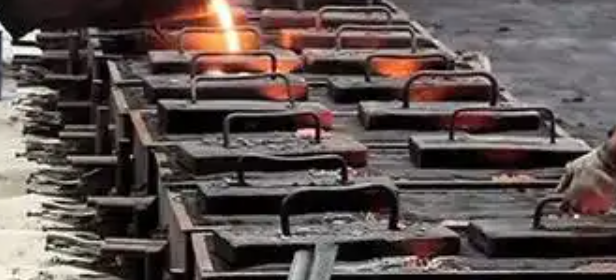
Typical Metals and Use Cases
- Aluminum: This is the most used metal. It costs little. It weighs less. And it resists corrosion. Common in automotive, aerospace, and cookware.
- Cast Iron: Great for engine blocks, machine bases, and pipes. It is strong and affordable. It resists wear very well.
- Steel: Use this where you need very high strength. It resists impact well. Good for gears, valves, and heavy machinery.
- Copper/Bronze: Key for marine fittings, electrical parts, and decorative pieces. They conduct heat and electricity well. They also resist corrosion.
Material Properties and Cost Comparison Table
| Metal | Strength | Corrosion Resistance | Cost | Typical Process | Common Uses |
|---|---|---|---|---|---|
| Aluminum | Moderate | High | Low | Die, Sand, Invest | Auto, aerospace, consumer |
| Cast Iron | High (comp) | Low | Low | Sand | Engine blocks, machinery |
| Steel | Very High | Moderate | Moderate | Sand, Invest | Gears, valves, heavy equip. |
| Copper | Moderate | High | High | Sand, Invest | Electrical, marine |
| Bronze/Brass | Moderate | High | Moderate | Sand, Invest | Marine fittings, decorative |
Industry Usage Trends in Metal Casting
The Metal casting industry is changing fast. Demand from automotive, aerospace, and industrial machinery drives this change. I see aluminum and steel leading the way. Their unique properties fit many casting processes.
Automotive Sector: Driving Demand for Aluminum and Steel Castings
The automotive industry drives metal casting demand. Lightweight aluminum castings make engine parts and gearboxes. They now create parts for electric vehicles too. Think battery housings and electric motor casings.
Steel castings work best for high-strength parts. Cylinder heads and structural components need this strength.
Electric vehicles push the industry forward. I recommend advanced casting alloys for this shift. They cut vehicle weight. They keep safety and performance high.
Aerospace, Defense, and Industrial Machinery: The Need for Precision and Durability
Aerospace and defense sectors need better materials. Complex designs matter here. Based on my experience, aluminum alloys and steel castings work best. Their strength-to-weight ratio is excellent. They help build light but strong aircraft parts.
Industrial machinery relies on steel castings. I suggest using them for wear-resistant parts. They survive harsh conditions. They last for years.
Sustainability and Technological Innovation
All industries move toward sustainable metal casting: Recycled materials and low-carbon alloys cut environmental harm. More companies use them now. I like sustainable aluminum alloys for green products. Stricter rules and customer demand drive this trend.
3D printing and process automation change how we cast metals. These tools make casting faster. They cut waste. They help test new designs quickly.
Emerging Roles of Magnesium and Other Metals
Magnesium catches attention for being ultra-light. Advanced vehicle makers want this. Weight reduction matters for them. Magnesium castings appear in cars and electronics now. Aluminum and steel still dominate. But I see magnesium growing. It signals a move toward lighter parts.
Market Overview
Aluminum and steel castings lead demand in major sectors. Other metals lag behind. I believe modern casting values three things: innovation, sustainability, and making complex shapes fast.
Rules and market needs keep changing. Recycled metals will grow. Advanced alloys will expand. Digital design and automation will spread through casting. I see this trend continuing.
Most Common Metals Used in Casting
Several major metals stand out in casting. They are popular because of their wide use, unique properties, and high production volumes. Each metal works best for certain industries and products.
Key Metals Dominating the Casting Industry
Aluminum:
- Applications: Automotive components (engine blocks, wheels, transmission housings), defense hardware, oil and gas pump housings, and fittings.
- Why It’s Used: Lightweight, strong corrosion resistance, and easy to machine.
- Observations: Industries choose aluminum for strong, light, and durable castings. I recommend it where weight reduction boosts performance or cuts costs.
Carbon Steel:
- Applications: Construction elements, machinery parts, automotive tools (wrenches, hammers).
- Why It’s Used: High tensile strength, excellent toughness, and cost-effective.
- Evaluation: I suggest carbon steel for structural and mechanical parts. It balances strength and affordability well.
Cast Iron (including Grey and Ductile Iron):
- Applications: Automotive engine blocks, brake components, pump casings, valves in oil and gas.
- Why It’s Used: Excellent castability, strong durability, and cost-efficiency.
- Market Data: Each (grey and ductile iron) reaches an annual U.S. production of about 4.46 million tons.
- Opinion: I believe cast iron remains the backbone for heavy-duty, high-strength parts. It excels where vibration damping and wear resistance matter most.
Ductile Iron:
- Applications: Pipeline fittings, automotive parts needing high toughness.
- Why It’s Used: High strength and ductility due to its nodular graphite structure. This makes it ideal for parts bearing mechanical stress.
Stainless Steel:
- Applications: Chemical processing equipment, medical devices, heat exchangers.
- Why It’s Used: High corrosion resistance, good mechanical strength.
- Notes: Based on my experience, stainless steel suits environments that demand hygiene, longevity, and resistance to harsh chemicals.
Bronze:
- Applications: Ship propellers, bearings, gears.
- Why It’s Used: Strong wear and corrosion resistance, solid mechanical properties.
- Usage Insight: I prefer bronze for moving components in marine or industrial settings. Durability is key in these applications.
Brass:
- Applications: Fittings, valves, hardware components.
- Why It’s Used: Excellent machinability, corrosion resistance, and decorative finish.
- Industry Use: Common in plumbing, electrical, and architectural products.
Personal Overview
I think the wide use of these metals reflects a smart balance. Manufacturers consider mechanical performance, cost, corrosion resistance, and Casting methods. Iron-based alloys lead in tonnage and value. Aluminum and stainless steel hold strong positions in sectors needing special properties. From my perspective, each metal serves a clear purpose. Choosing the right one depends on your specific needs and budget.