Choosing the wrong filter doesn’t just cost you money — it costs you yield. Most buyers don’t see the gap between a screen filter and a disc filter until after the purchase. By then, it’s too late.
The difference goes beyond shape or price. Each filter captures particles differently. Each holds up differently under real pressure. And each asks something different from you in maintenance.
Here’s a straightforward breakdown of both — so you can choose with confidence, not guesswork.
What Is a Screen Filter? (Core Definition + How It Works)
A screen filter does what its name says — it screens things out.
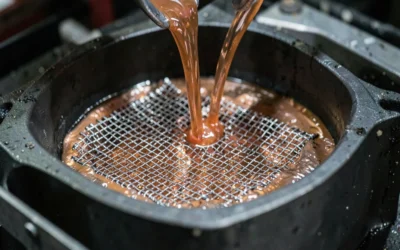
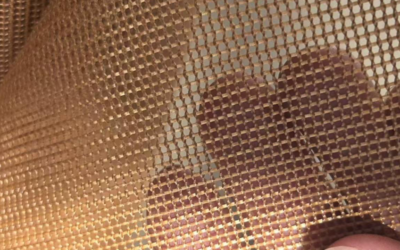
At its core, a screen filter is a mesh device made from stainless steel, fiberglass or nylon. It captures particles through surface filtration. Liquid flows from the inside out. Anything larger than the mesh opening gets blocked on the surface. It’s a flat, mechanical intercept — no depth, no complexity. Think of it like a window screen. Bugs hit the surface and stop. They don’t get absorbed into layers. They can’t pass through.
That single principle — 2D planar interception — defines how screen filters behave in the real world.
How the Filtration Works
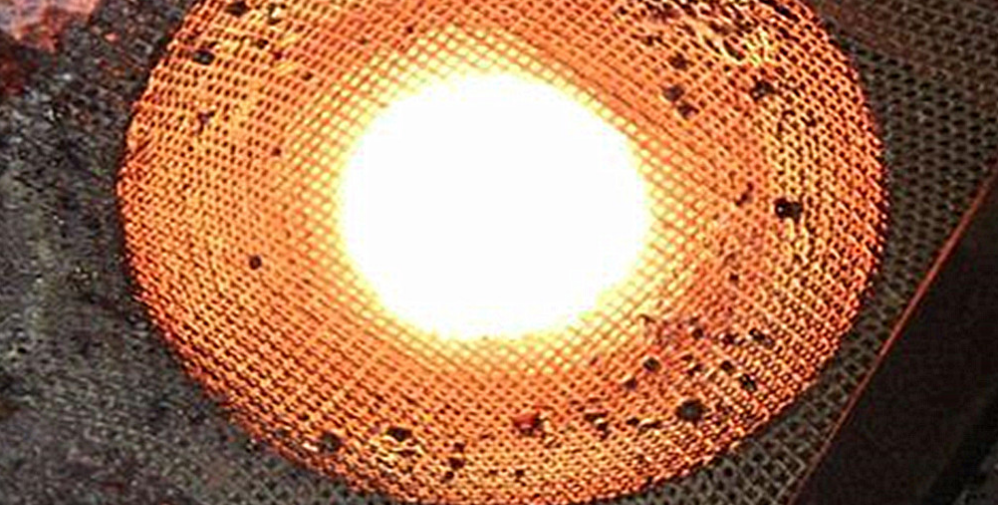
The mesh has fixed openings. Particles larger than those openings get caught on the screen surface. Liquid pushes through. The blocked material stays behind. That’s the whole mechanism. Open surface area can reach up to 81%, which keeps pressure loss low and flow moving at full capacity.
Self-cleaning models go a step further. Debris builds up on the screen. A differential pressure trigger fires, activating suction nozzles that sweep 100% of the screen area. No flow interruption. No manual shutdown needed.
What the Numbers Look Like
Screen filters cover a wide precision range: 5 to 3,500 µm, with 80–150 µm being the sweet spot for most irrigation and sediment applications.
You’ll find these filters used across drip irrigation, municipal sediment removal, and cooling systems handling fine sand or silt. They handle inorganic particles — mud, sand, scale, sediment — consistently and at scale.
What Is a Disc Filter? (Core Definition + How It Works)
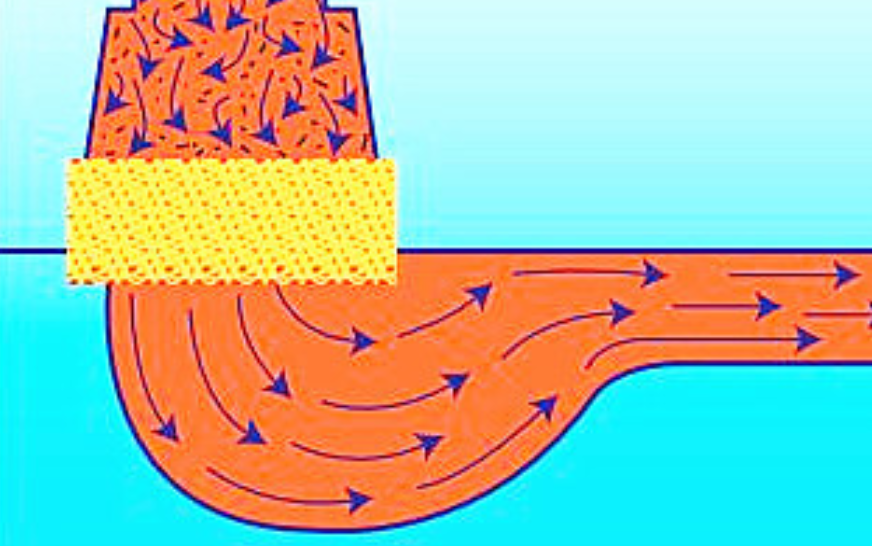
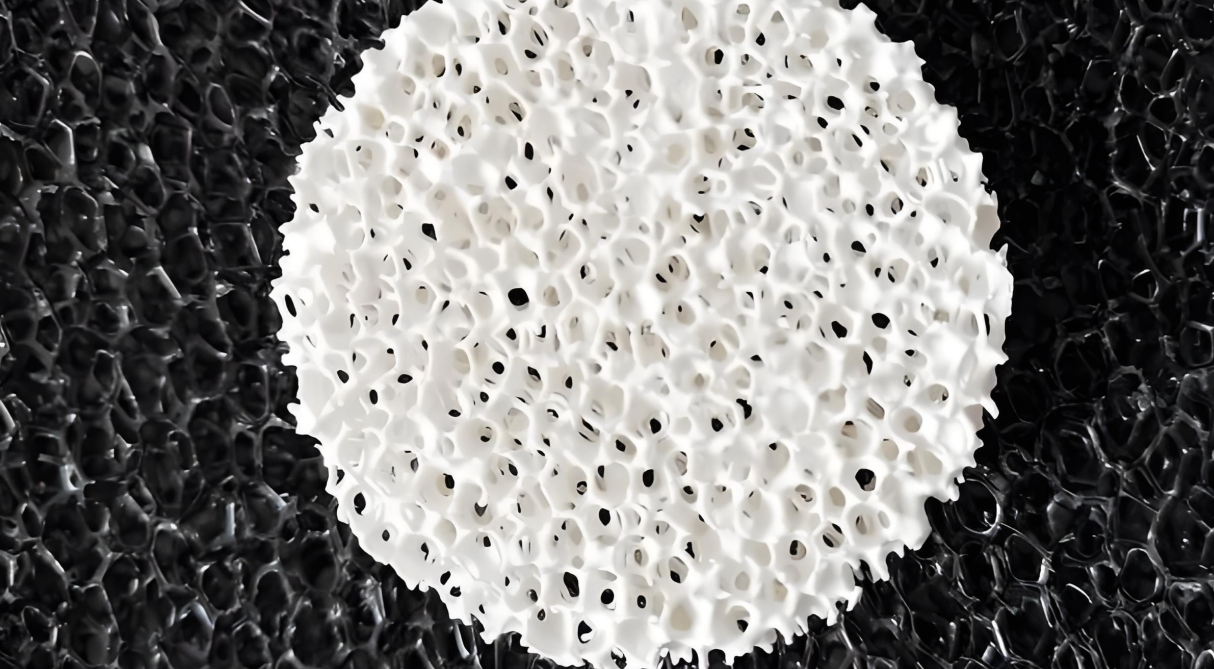
A screen filter stops particles on a flat surface. A disc filter traps them inside a three-dimensional labyrinth. Liquid pushes into the compressed disc stack from the outside edge, then forces its way through the interlocking grooves. Particles get stuck in those gaps — not just on top, but deep through the entire stack. That’s what engineers call 3D deep-layer filtration. It’s not a wall. It’s a maze.
What That Range Means in Practice
-
20–50 µm — catches algae, bacteria, fine organics; critical for protecting drip emitters
-
50–200 µm — handles silt and sand in open-source irrigation from ponds or canals
-
200–400 µm — pre-filters coarse debris; in chemical plant use, this range alone cuts downtime 30% compared to cartridge filters
The numbers back it up. Dirt-holding capacity runs 2–3x higher than drum filters. Pressure drop stays low. The footprint stays compact.
That combination — depth capture, organic handling, self-cleaning recovery — makes disc filters the go-to choice. Your water source doesn’t need to be clean, controlled, or predictable. The filter handles it either way.
Filtration Mechanism: Surface vs. Depth Filtration (The Fundamental Difference)
Two filters. Two different ideas about where particles should go.
A screen filter stops everything at the gate. A disc filter pulls particles in and traps them along the way. That one difference — surface interception versus depth capture — explains almost every performance gap you’ll see in real use.
Surface Filtration: The Door Curtain Model
Think of a curtain of fine strands hanging in a doorway. Anything wider than the gap between strands hits the curtain and stays there. That’s what happens inside a screen filter.
Particles larger than the pore size land on the filter surface. They don’t move. They stack up, forming what engineers call a filter cake — a growing layer of trapped debris that covers the mesh from the outside in. The process is precise and fast. It’s also why screen filters hit their limits sooner with organic-heavy water.
Here’s the data: after three months of continuous use, a surface filter running with organic load shows an 18% flow reduction. That cake builds up fast on soft, irregular particles. The filter doesn’t fail — it just slows down.
Surface filtration does one job well: capturing rigid, non-deformable particles — sand, rust, sediment — that are larger than the rated pore size. For that task, it’s clean and reliable.
Depth Filtration: The Labyrinth Model
The disc filter works on a different logic. It doesn’t block particles at one surface. Instead, it routes water through a three-dimensional maze of compressed grooves. Particles enter that maze and get caught at different depths — larger material near the outer edges, finer material trapped deeper inside the stack.
That spread-out capture changes how the filter performs over time. After the same three months under the same organic load, a depth filter shows just a 6% flow reduction. The dirt doesn’t pile up in one spot. It spreads across the full media volume, so clogging is delayed.
That’s what makes depth filtration the stronger pick for water carrying fine particles, deformable organics, algae, or colloids — material that would squeeze past or blind a flat mesh surface fast.
What This Means for Your Choice
The real question isn’t which filter is better. It’s which one fits your contamination profile.
|
Factor |
Surface Filtration |
Depth Filtration |
|---|---|---|
|
Particle type |
Rigid, non-deformable |
Fine, soft, deformable |
|
Holding capacity |
Low — surface cake limits load |
High — distributed throughout media |
|
Pressure drop behavior |
Low at first, rises fast |
Lower at first, slower rise |
|
Flow decay (3 months) |
~18% reduction |
~6% reduction |
|
Best match |
Sand, sediment, coarse debris |
Organics, microbes, colloids |
Run rigid inorganic sediment through a surface filter — it handles that well, at high flow, with easy cleaning. Run algae-laden canal water or fine chemical particulate through the same filter — the cake forms fast, pressure climbs, and you end up cleaning more often than you planned.
Depth filtration handles that second scenario without trouble. The labyrinth doesn’t care about particle shape — round, jagged, or soft. It catches them at whatever depth they reach and keeps running longer before it needs attention.
Clogging Resistance & Maintenance: Which One Is Easier to Keep Clean?
Maintenance is where most filter decisions either pay off or fall apart.
The cleaning gap between screen filters and disc filters is not small. It changes how you schedule labor, plan your budget, and run your mornings. Here are the real numbers.
The Cleaning Frequency Gap
Under high-sediment loads — drip irrigation running 50–100 ppm TSS — a screen filter needs cleaning every 4 days. That adds up to 90 cleaning sessions per year.
A disc filter? Every 10 days. About 36 cleanings per year.
That’s 2.5x more time between each cleaning. Field trials confirm it: disc filters cut maintenance visits by 60–75% compared to mesh. Across a full growing season, that’s not a small win — it’s a shift in how your operation runs.
Clogging Resistance Under Pressure
Screen filters drop 20–30% in flow within 3–5 days once fine sand under 0.1 mm enters the system. The surface cake builds fast. Pressure climbs. The schedule slips.
Disc filters hold up better. The grooved stacks trap 2x more solids before reaching the same resistance point. Flow only drops 10–15% after 8–12 days. Automatic backwashing then restores 98% of original flow. Manual mesh cleaning gets you back to 85–90% — and never quite higher.
What It Costs You Each Year
Screen filter maintenance runs $600–$800 per hectare per year. Disc filters bring that down to $200–$400 — a 50–70% reduction.
In high-TSS water above 150 ppm, the ROI on switching to disc lands in 12–18 months. After that, it’s straight savings.
A Practical Maintenance Checklist (Disc Filter)
Running disc filters? This is the routine that keeps them performing:
-
Weekly: Monitor differential pressure — set alarms at 0.4 bar
-
As needed: Trigger backflush (auto or manual — 30 seconds, 10 liters)
-
Quarterly: Inspect housing, check and replace seals
-
Every 2–3 years: Replace disc stacks (~$150 per unit)
That’s the full maintenance load. It fits into a normal workflow without taking it over.
The screen filter isn’t hard to clean — it’s just constant. Your water is clean and your schedule is flexible? That cadence is manageable. But running large acreage, pulling from open water, or looking to cut labor costs? The disc filter’s self-cleaning design is not a luxury. It’s the practical choice.
Durability & Lifespan: 3–4 Years vs. 5–7 Years — What Makes the Difference?
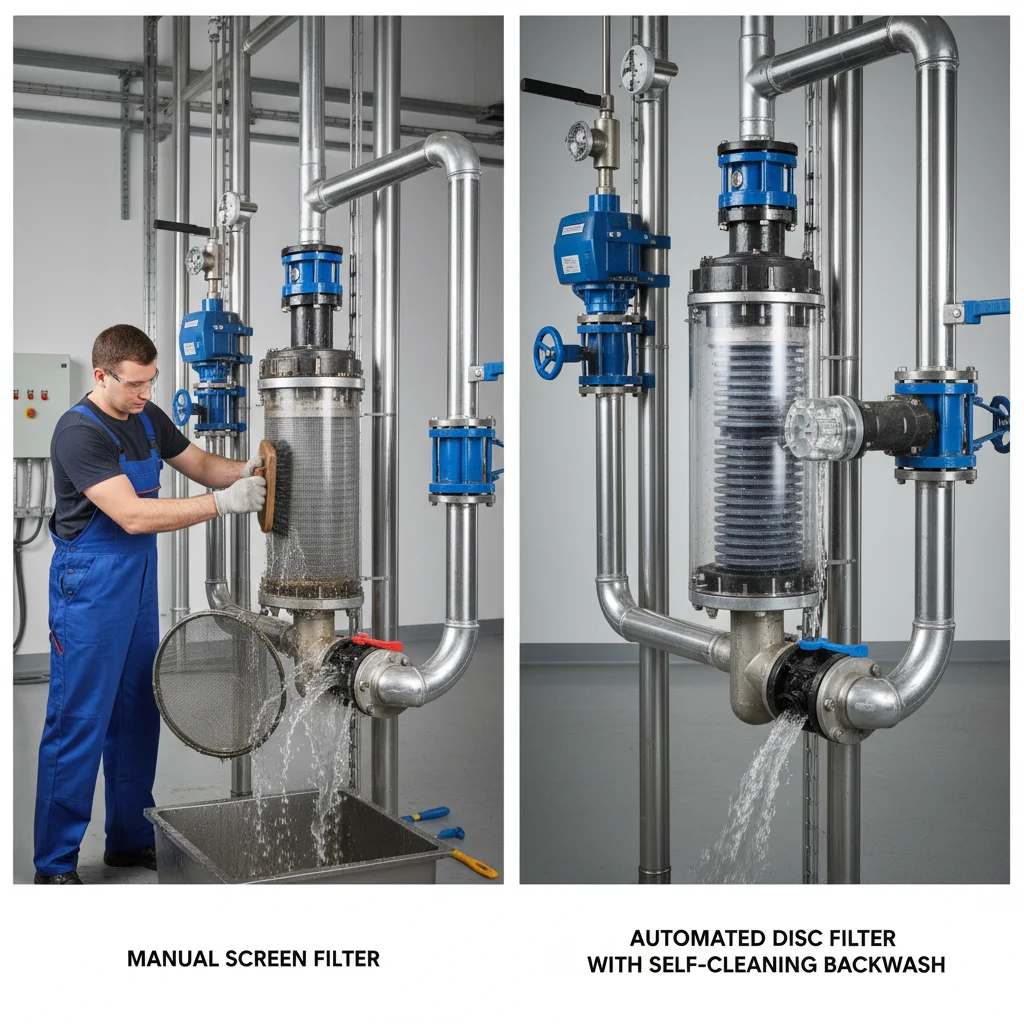
Screen filters last 3–4 years. Disc filters last 5–7 years. That gap isn’t marketing — it’s material science and mechanical design at work.
Why Disc Filters Last Longer
The disc filter’s grooved polypropylene stacks flex, compress, and recover — cycle after cycle. No single flat surface takes the full hit from every particle. The load spreads across the stack. Wear distributes across multiple contact points instead of hammering one spot. The housing stays protected longer too. Backflushing handles the cleanup. You never need to pull it apart by hand.
Screen filters concentrate all the stress in one place: the mesh surface. Each cleaning cycle adds micro-wear to the stainless steel or nylon weave. Screen filters need cleaning often — that’s just how they work. So the wear adds up fast. The mesh doesn’t fail in one dramatic moment. It just gets weaker, cleaning cycle by cleaning cycle.
What That Lifespan Difference Costs You
A 50% longer lifespan cuts your replacement rate by 33%. That’s not just one less purchase. You also skip the installation labor, the system downtime, and the disposal hassle that come with each swap.
Run the math over a decade:
– Screen filter: 2–3 full replacements
– Disc filter: 1–2 replacements
Each replacement means time off your system. Disc filters keep that number low.
The Variable Nobody Mentions: Maintenance Quality
Poor upkeep shortens both filter types — but screen filters feel it faster. A neglected screen filter membrane can fail inside 18 months. That’s less than half its rated lifespan.
A disc filter on the same water source holds up much better. Keep up with differential pressure monitoring and do seal checks every three months. A well-maintained disc filter hits the top of its 5–7 year range more often than not.
The lifespan numbers only hold if you do the basic work. Skip maintenance, and the rated lifespan means nothing — for either filter type.
Cost Comparison: Upfront Price vs. Total Lifecycle Cost
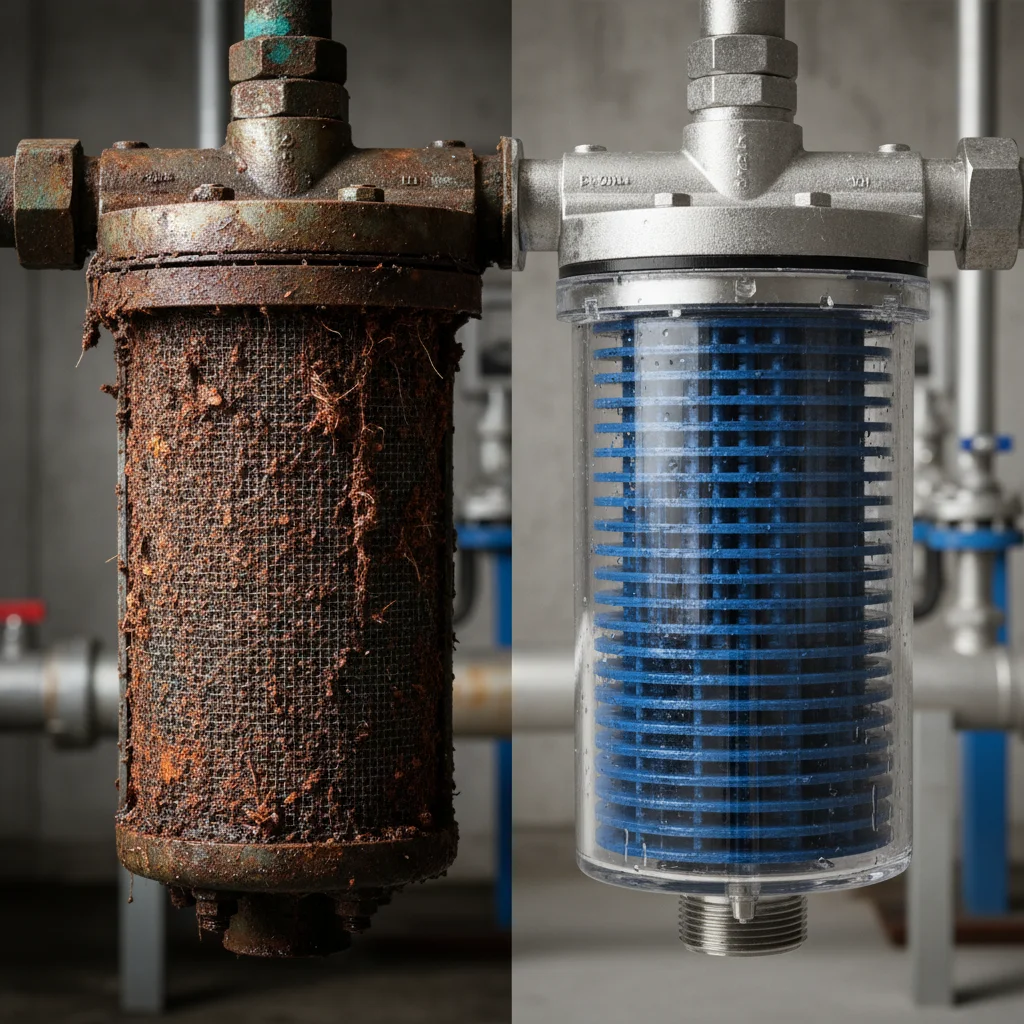
The sticker price on a screen filter looks friendlier. That’s the trap.
Screen filters run 20–50% less upfront than disc filters. For a small project under $100k with a short horizon, that gap matters. But stretch the timeline to 15 or 20 years, and the math flips.
Here’s why. The true cost of any filter isn’t what you pay at purchase. It’s what you pay across its entire working life. Think maintenance labor. Replacement parts. Downtime. Water use. Add those up over decades, and the cheaper filter often isn’t.
The Lifecycle Math
Disc filters cost more to buy — 30–50% more per unit. But they make up that premium through lower operating costs:
-
Annual maintenance costs run ~50% lower than screen filters
-
Cleaning intervals are 2x longer — fewer service cycles per decade
-
Replacement costs per unit come in ~25% lower over the full lifespan
The result: at 20+ years of use, disc filter total lifecycle cost runs 3–10% lower than screen filters — despite the higher initial price.
The break-even point lands around 15 years of operation or annual flow above 500,000 gallons. Scale to three or more units, and that crossover happens even faster.
What This Means in Practice
Purchase price is only 10–20% of total lifespan costs. The other 80–90% goes to maintenance and replacement. Filtration follows the same pattern. What you pay at purchase is a small slice of your total spend over time.
Choose screen filters if: your project is small, your timeline is under five years, or your budget ceiling is firm.
Choose disc filters if: you’re running long-term infrastructure, managing high flow volumes, or want to cut total spend — not just today’s invoice.
Application Scenarios: Which Filter Do You Need?
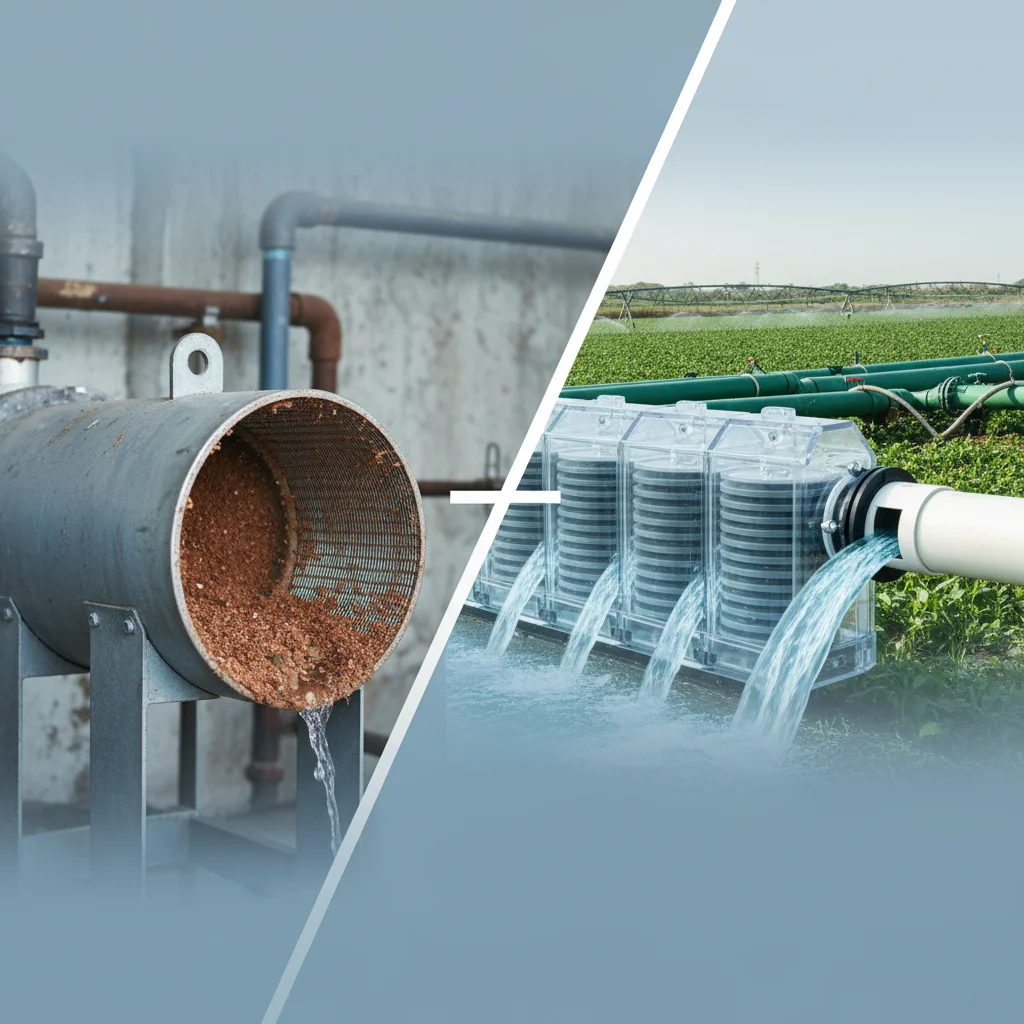
Your choice comes down to two things: what’s in your water, and what quality you need coming out.
Screen Filters: Where They Belong
Screen filters work best with clean, predictable water. They handle coarse inorganic particles well — sand, debris, suspended solids. Municipal landscape irrigation, sprinkler systems, and industrial circulating water with turbidity around 5–10 NTU — these are the conditions where screen filters do their job without issues.
They also work well as first-stage pre-filters. Place a screen filter upstream of a disc filter, and it catches large debris before it reaches the grooved stacks. This two-stage setup protects your downstream equipment. It also extends the cleaning interval for the whole system.
Screen filters have clear limits, though. Organic matter, algae, and fine colloids are outside their range. Your source water carries any of that? A screen filter won’t fix the problem — it just buys a little time.
Disc Filters: Where They’re Required
Some applications leave no room for debate. Drip irrigation is the most obvious case. Emitter orifices run 0.2–0.8 mm wide. Any particle that slips through a coarser filter will block them. Disc filters capture particles in the 20–100 µm range through fine grooved stacks. That makes them the go-to solution for protecting drip systems.
Outside irrigation, disc filters show up in:
-
Reclaimed water and greywater reuse — regulatory standards require tighter effluent quality, and disc filters meet that bar
-
RO and UF pre-treatment — membrane systems need turbidity below <1 NTU; disc filtration gets you there
-
Steel plants, power stations, textile factories — fine solids damage downstream equipment in ways that coarse filtration simply doesn’t catch
-
Organic-heavy water sources — algae, humic substances, biological matter — surface mesh clogs fast here; depth capture is the practical long-term solution
The Fast Decision
|
Your Situation |
Filter to Use |
|---|---|
|
Clean source, coarse particles, tight budget |
Screen filter |
|
Organic load, fine particles, continuous operation |
Disc filter |
|
Mixed debris + organics, complex water quality |
Screen (stage 1) + Disc (stage 2) |
|
RO/membrane pre-treatment |
Disc filter or multi-stage |
For 24/7 continuous operations, consider a dual-tank disc configuration. One unit filters while the other sits on standby during backwash. Supply stays uninterrupted. That’s not over-engineering — that’s basic uptime protection.
Quick Comparison Table: Screen Filter vs. Disc Filter at a Glance
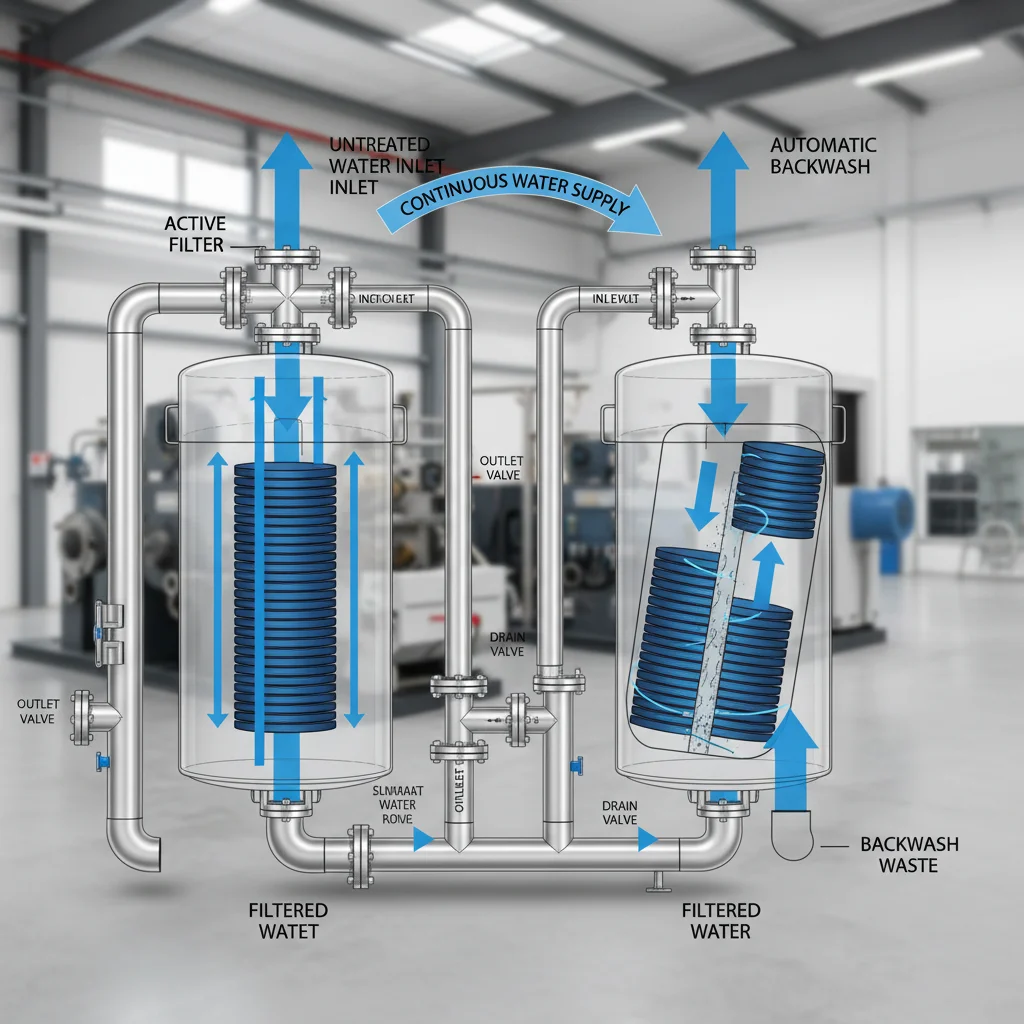
Details only help if you can use them fast. Here’s the full picture, side by side.
|
Dimension |
Screen Filter |
Disc Filter |
|---|---|---|
|
Filtration Mechanism |
Catches particles on a flat mesh surface |
Traps particles in layers using stacked grooved discs |
|
Filtration Range |
5–3,500 µm |
5–400 µm (specialty to 0.1 µm) |
|
Best For |
Sand, rust, inorganic sediment |
Algae, organics, bacteria, fine colloids |
|
Flow Capacity |
Low to medium |
Up to 1,000 m³/h per unit |
|
Cleaning Method |
Manual rinse or basic backwash |
Automatic backwash — no shutdown required |
|
Automation Level |
Low |
High — remote control capable |
|
Upfront Cost |
Lower |
20–50% higher |
|
Lifecycle Cost |
Higher over time |
3–10% lower at 20+ years |
|
Footprint |
Compact |
Larger |
|
Typical Use |
Irrigation, aquaculture, home pre-filtration |
Municipal treatment, industrial wastewater, drip systems |
Pick screen — your water is clean, your particles are coarse, and your budget is tight.
Pick disc — your water carries organics, needs continuous flow, or runs at scale.
Conclusion
Picking between a screen filter and a disc filter isn’t about finding the “better” option. It’s about finding the right one for your situation.
Clean water source? Tight upfront budget? A screen filter gets the job done. Dealing with organic-heavy water, inconsistent flow, or want a system that needs less attention over a 5–7 year lifespan? A disc filter earns its higher price back — season after season, year after year.
Here’s the core difference between screen filter and disc filter:
-
Screen filter = surface filtration. Simple. Effective for cleaner water.
-
Disc filter = depth filtration. More resilient. Built for tougher conditions.
Know your water. Know your workload. Those two facts point straight to your answer.
Ready to make the call? Pull up your water quality report. Map out your irrigation demand. Let those two data points drive the decision. The right filter isn’t the one everyone recommends — it’s the one that fits your system.