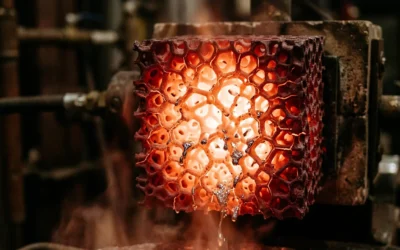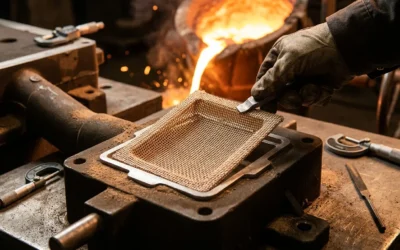
Every casting engineer knows this tradeoff well: filter out more inclusions, or keep your melt flowing fast enough to fill the mold before it freezes. Screens look simple. A flat barrier catches what it catches. But that single-plane design lets a lot of contamination...
Ceramic Filter
What Foundries Ask Us Most About Ceramic Foam Filters – Faq
Every foundry engineer has been there — a batch of castings comes out with inclusions, Shrinkage defects, or surface roughness that shouldn't exist. The filter gets the blame. But is it the filter's fault? Most of the time, the real culprits are simpler to spot: wrong...
Ceramic Foam Filtration For Ductile Iron Vs. Gray Iron: What’S The Difference And Why It Matters
Choosing the wrong ceramic foam filter for your iron type isn't just an efficiency problem — it's a scrap problem. Ductile Iron and gray iron behave in different ways inside the mold. They solidify at different rates and carry different inclusion loads. The filtration...
Alumina (Al₂O₃) Vs. Zirconia (Zro₂) – Material Selection Guide For High Temperature Filters
What Are Alumina and Zirconia Filters? (And Why the Choice Matters)Both are Ceramic foam Filters. Both trap inclusions, oxides, and slag before they become defects in your final casting. That's where the similarity ends.Alumina (Al₂O₃) filters are built for aluminum...
Ceramic Foam Vs. Honeycomb Vs. Fiberglass – Which Foundry Filter Is Right For You?
Scrap rates don't lie. A porous casting, a cold-shut, or one riddled with inclusions — the filter choice is often the culprit nobody wants to name. ceramic foam vs. honeycomb vs. fiberglass Foundry filters — this isn't just an academic debate. It's the difference...
What Are The Main Applications Of Ceramic Foam In Foundry And Industry?
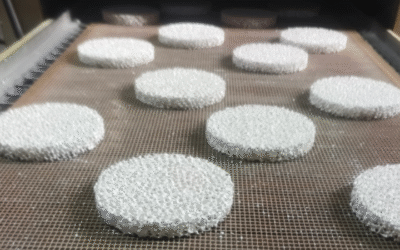
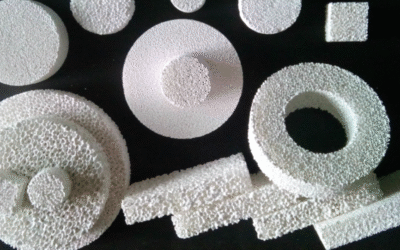
Ceramic foam doesn't look like much — a lightweight, porous block that could pass for a kitchen sponge. But it handles some of the toughest jobs in modern manufacturing.It filters molten metal at temperatures that would destroy conventional materials. It supports...