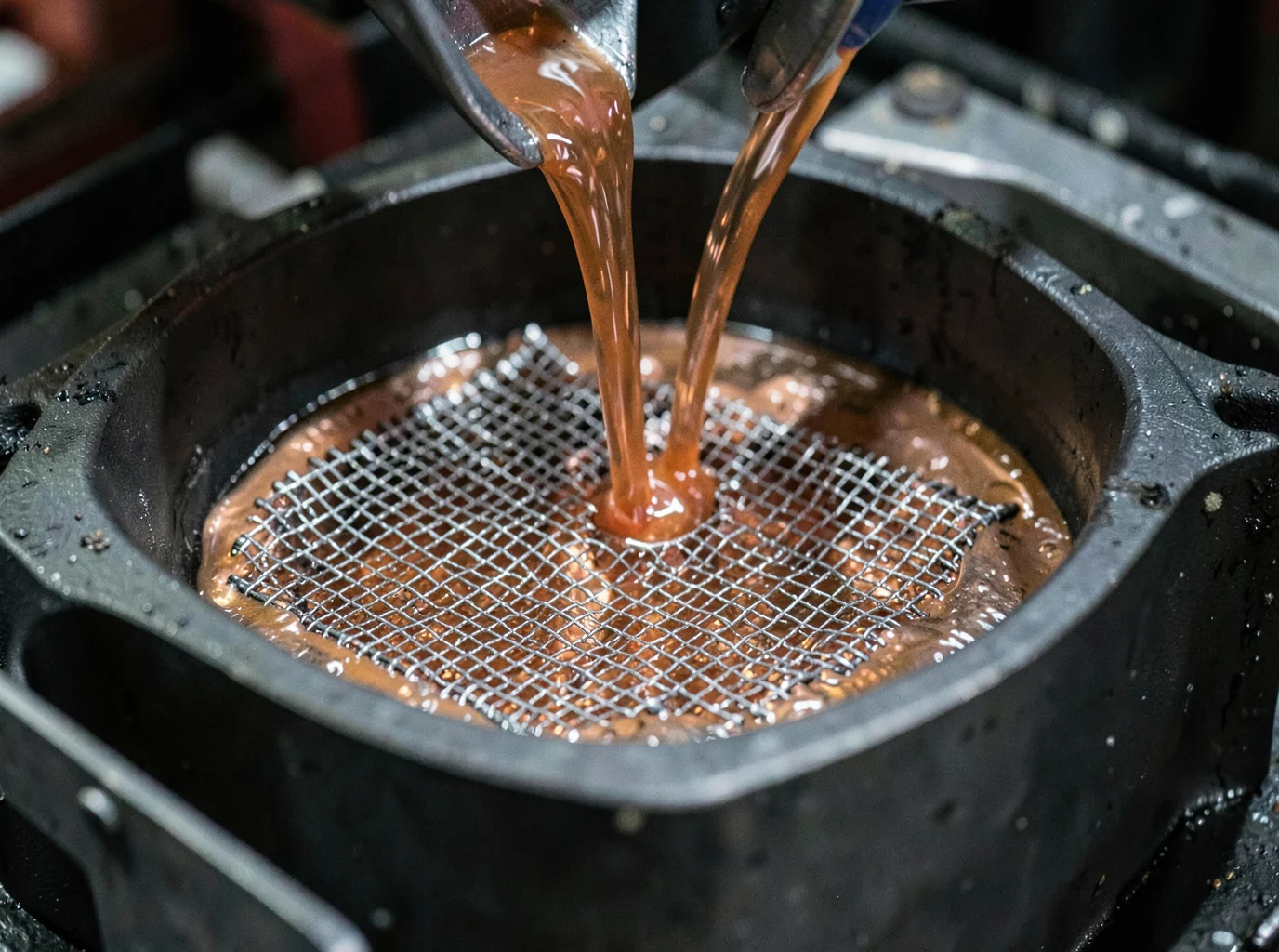
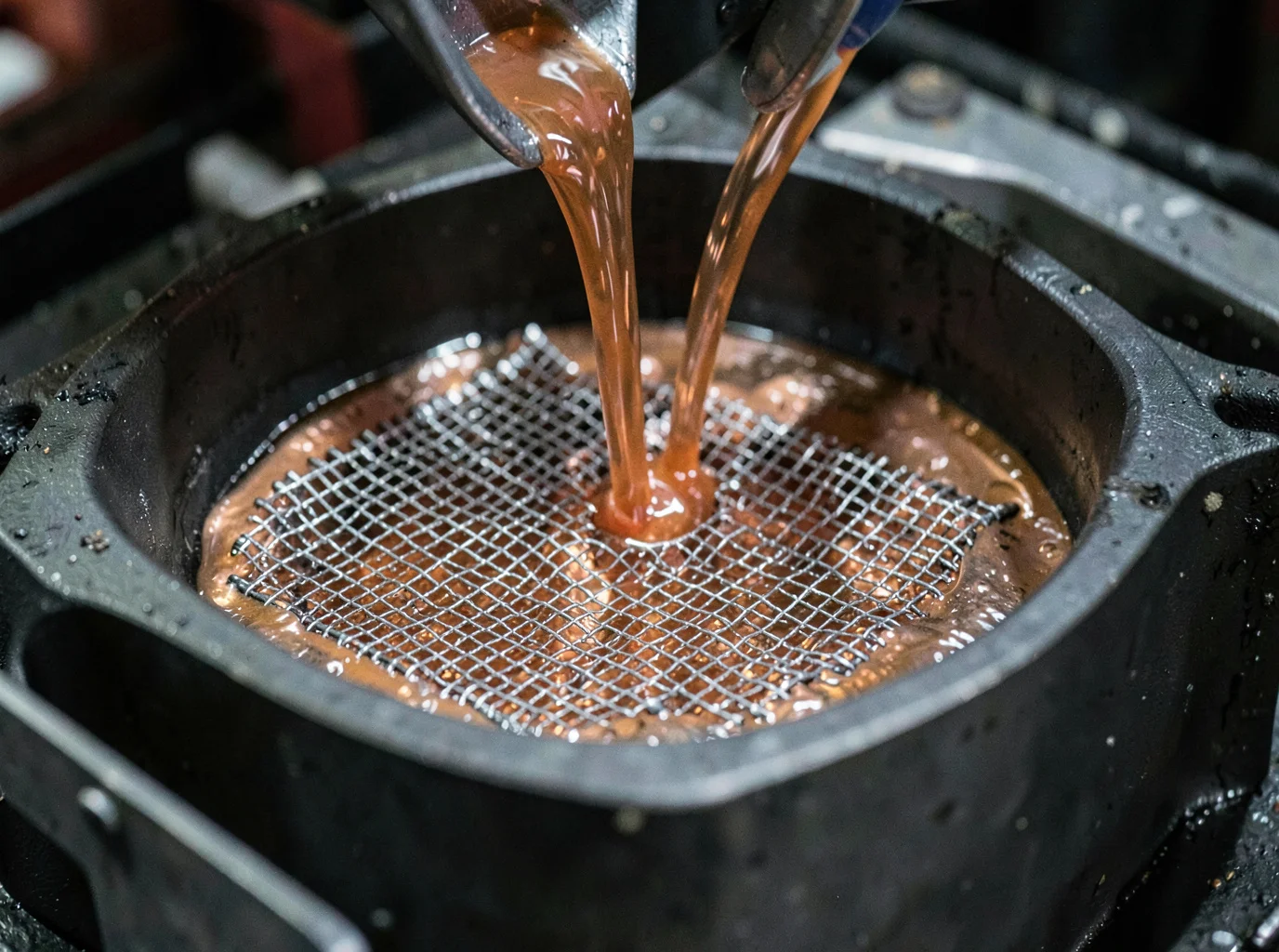
Your Ceramic foam Filters just failed another batch — inclusion streaks in a wheel casting that was supposed to ship yesterday. Sound familiar?
If you’re managing procurement or quality control for an automotive aluminum foundry, you already know the frustration: rising CFF costs, spotty lead times, and filtration data that never quite matches what the supplier promised.
More sourcing teams are switching to glass fiber filter cloth, and finding a reliable filter mesh manufacturer for USA foundries can count on has become urgent business.
We pulled together seven manufacturers worth your attention, breaking down mesh density, temperature ratings, real filtration efficiency numbers, and actual application cases in wheel and engine block production. You’ll also get a practical checklist for vetting suppliers before you ever request a quote — so your next filtration decision doesn’t cost you another failed pour.
Explorer (Tianjin) Import and Export Co., Ltd. — FoundryFilters.com
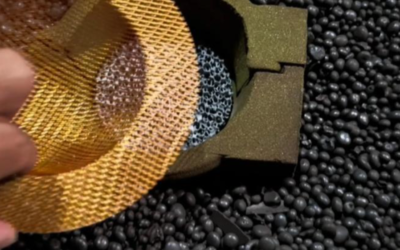
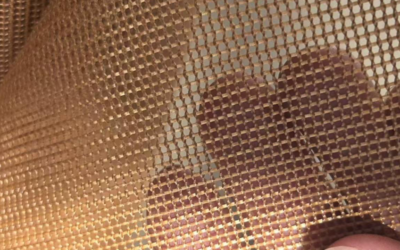
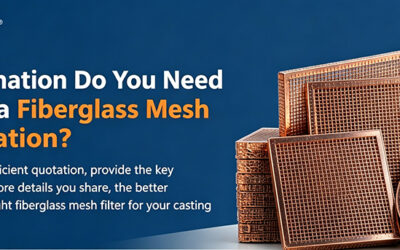
Tianjin’s port infrastructure has quietly turned this manufacturer into a serious contender for foundries running lean supply chains. Explorer (Tianjin) Import and Export Co., Ltd. built its factory in 2004, and it hasn’t stopped scaling since. It now runs 30 production lines staffed by 50 in-house professionals, all producing Fiberglass mesh filters for molten aluminum applications.
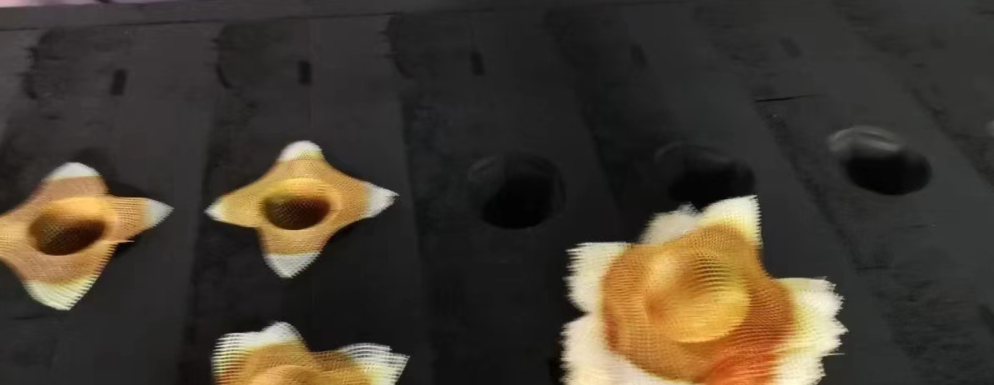
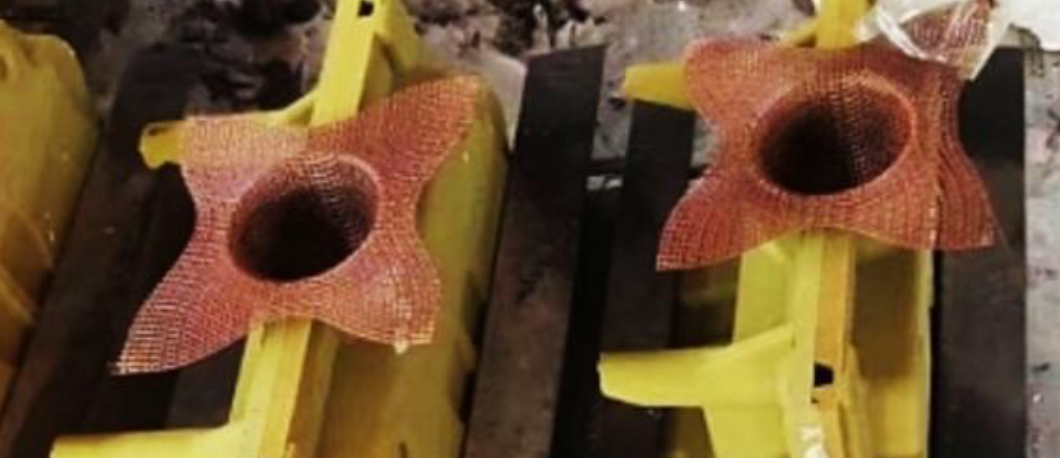
Flexibility sets this manufacturer apart. Filters ship in sizes ranging from 30mm to 600mm — covering bulk rolls, flat precut sheets, square, round, and rectangular formats, plus 3D deep-drawn filter caps for foundries needing non-standard geometries. That range matters for aluminum foundry filter buyers dealing with mixed production runs, especially wheel-hub casting lines that shift between diameters weekly.
Application Fit for Automotive Aluminum Castings
The company’s stated focus includes automotive manufacturing, aluminum ingot casting, aluminum slab casting, and wheel-hub casting filtration. That’s directly aligned with die casting filtration system needs across U.S. automotive supply chains. High-silica fiberglass mesh construction gives these filters durability for continuous molten metal filtration cycles.
Sourcing and Logistics Details
Located in Tianjin, China with direct access to Tianjin Port for FOB shipping. Payment terms are T/T, and export markets include Asia, North America, South America, and the Middle East. The company manufactures in-house and sells directly with no middleman markup. It advertises 24-hour quotes on product pages. Contact via foundryfilters.com or WhatsApp +86 13303168090.
For U.S. foundry supply chain managers comparing overseas glass fiber filter cloth suppliers, direct-factory pricing and fast quote cycles are worth weighing against domestic lead times, particularly when inclusion removal aluminum consistency is non-negotiable.
FoundryMax
FoundryMax builds Ceramic foam filters instead, which gives procurement teams a direct benchmark against fiberglass mesh before they lock in a purchase order.
FoundryMax has run its Cangzhou factory for 20+ years, shipping to foundries in 35 countries. Its filters are made from SiC, alumina, zirconia, and magnesia and target inclusion removal in aluminum applications across Sand casting, Investment casting, lost foam casting, gravity casting, and die casting. Pore density spans 10–60 PPI, catching particles as small as 10–50 μm, with thermal ratings claimed up to 1700°C.
Where It Fits Against Fiberglass Mesh
For high-temperature filter material comparisons, FoundryMax markets 35–60% scrap reduction on product pages, backed by ISO 9001:2015, ISO 45001:2018, and ISO 14001:2015 certifications. Custom sizing runs from 40mm to 500mm, thickness 11–50mm, and standard sizes are kept in stock for faster turnaround.
Ceramic foam typically costs more per unit than glass fiber filter cloth and installs less flexibly in tight gating systems. Reach them at info@foundrymax.com or +86 153 6977 0013 for a quote comparison.
Foundry Filtration — FoundryFiltration.com
Hebei CangChen Imp. & Exp. Trade Co., Ltd. has been at this for over a decade, runs two production plants, and sells a full catalogue spanning fiberglass and ceramic. Operating as foundry filtration, the company handles R&D, production, sales, and service under one roof, and the product range shows it.
Product Lineup Built for Molten Aluminum
The fiberglass mesh line covers high-temperature carbonized fiberglass filtration mesh, Cap/Hat filters, TF Combo Bags, and high-silica Fiberglass filter mesh. All of it targets aluminum melt purification, turbulence reduction, and cleaner flow distribution in non-ferrous alloy casting. That fits directly with automotive aluminum casting operations looking to tighten their inclusion removal protocols.
On the ceramic side, you get SiC, alumina, and zirconia foam Filters plus honeycomb Extruded Ceramic filters. That gives buyers a direct comparison point against FoundryMax’s offering above.
Scale and Certification
Production capacity runs at 1 million square meters/month for fiberglass mesh and 4.5 million pieces/month for ceramic foam filters, split between a Luoyang plant for fiberglass and a Pingxiang plant for ceramic. The company holds ISO9001:2015 certification.
Reach the team at andy@foundryfiltration.com or +86 158 3011 4065.
Cangzhou SEFU Ceramic New Materials Co., Ltd. — SEFUNM.com / SF-Foundry
Twenty countries. Over 300 brands. SEFU claims that kind of reach on its aluminum casting page, and it’s the number that makes procurement teams stop scrolling and start reading.
SEFU runs its factory out of Guanting Industrial Park in Cangzhou City, Hebei Province. That’s the same manufacturing corridor that turned this region into a global hub for foundry filtration supply. Founded in 2010 (some directories list 2013), the company operates as both a manufacturer and an OEM/ODM supplier with ISO9001:2015 certification.
Product Range Beyond Fiberglass Mesh
SEFU’s catalogue includes fiberglass Mesh filters, ceramic Foam Filters, honeycomb ceramics, thermocouples, sample cups, risers, pouring cups, and graphite products. That range covers molten metal filtration for aluminum, iron, steel, and copper alloys, which is useful if your foundry runs mixed-metal production lines and you don’t want a second vendor just for casting quality accessories.
Scale Claims Worth Verifying
Employee counts diverge across sources. One factory profile lists 52 employees; another puts it closer to 300, with annual turnover reported at USD 50 million. That gap is common in Chinese manufacturing directories—so ask for current headcount and production figures directly instead of relying on listed profiles.
Contact the team at +86-317-5521986, info@sefunm.com, or WhatsApp +8613785803358. Check both sefunm.com and sf-foundry.com before requesting quotes—listings sometimes differ between the two domains.
High-Silica Fiberglass Mesh OEM Suppliers Serving the US Automotive Foundry Market
Check silica purity before you sign a PO. Standard Silica fiberglass mesh runs 58%–65% SiO2. High-silica grades push past 96% SiO2, and that jump changes how the filter holds up under repeated molten aluminum cycles.
Explorer (Tianjin): The Purity and Temperature Numbers
Explorer builds its high-silica fiberglass mesh line for that exact range. The company lists applications across aluminum wheel hubs, engine blocks, cylinder heads, and high-precision brake components. That spread maps onto automotive aluminum casting quality control needs. Temperature claims sit between 1600°C and 1620°C depending on which product page you’re reading, and the company advertises a 98% impurity removal rate.
Formats include mesh filter caps, flat sheets, and bulk rolls up to 1000mm wide. That roll width matters for foundries running high-volume die casting filtration systems where cut-to-size flexibility saves labor. Explorer also serves private-brand importers, offering OEM production for buyers who want their own labeling on the box. Reach the team at foundryfilters@163.com or WhatsApp +86 13303168090 to request purity certificates before ordering.
OEM Customization at Foundry Filtration
Foundry Filtration (andy@foundryfiltration.com, +86 158 3011 4065) runs its high-Silica mesh production across two plants and supports OEM customization for importers and distributors. Its use cases extend into automobile, aerospace, and alloy casting applications, which is relevant if your foundry supplies parts across multiple industries from one line.
Benchmarking Against Molten Iron Filters
FoundryMax’s fiberglass mesh line targets molten iron, rated to 1450°C. The company holds ISO 9001 certification, exports to 50+ countries, and has a client base topping 800 foundry manufacturers. That’s useful context if your operation runs mixed aluminum-iron production and needs one filtration vendor for both.
When requesting quotes, ask suppliers to price by mesh size, cut dimensions, coating type, and annual volume. That’s the standard OEM benchmark across this category, and it keeps quotes comparable across vendors.
US-Stocking Industrial Filter Mesh Distributors and Import Partners
Overseas lead times don’t work for every foundry. If your line runs on just-in-time inventory, a domestic stocking distributor closes the gap between “order placed” and “filter installed” — often in a day, not a month.
Gerard Daniel Worldwide (Hanover, PA) claims North America’s largest wire cloth selection, with over 5,000 products warehoused and ready to ship. Call 800-232-3332 for stock checks. Their micronic mesh runs 1 to 400 microns — a useful benchmark when comparing glass fiber filter cloth specs against metal alternatives.
Dorstener Wire Tech (Spring, TX) stocks one of the largest stainless-steel and nickel alloy filter media inventories in the U.S., with same and next-day service. Reach them at 888-931-9473.
Other stocking partners worth calling directly:
-
Universal Wire Cloth Company (Morrisville, PA) — 800-523-0575
-
Edward J. Darby & Son (Philadelphia, PA) — stainless, galvanized steel, aluminum, specialty alloys — 800-875-6374
-
Newark Wire Works (Edison, NJ) — 866-347-1910
-
Industrial Netting (Maple Grove, MN) — no minimum order requirements, plus woven mesh and precision sieves — (763) 496-6355
-
Lawrence Sintered Metals (Anaheim, CA) — sintered and welded wire mesh — 626-333-6830
For full filter systems, not just mesh media, Champion Process, Universal Filters (800-554-8555), and Midwest Filter/Filterbag.com (shipping since 1972) round out your comparison list. Ask each about ISO 9001 status and custom slitting before requesting a quote.
Automotive Aluminum Casting Filter OEMs With Custom Die-Cut Capability
Die-cut precision separates a filter that fits your gating system from one that gets forced into it. Automotive foundries running wheel casting, cylinder heads, pistons, and structural parts need exact-size blanks, not “close enough” cuts. That’s where OEM capability becomes the real differentiator.
Al₂O₃ ceramic foam filters dominate this space, running 10–60 PPI, sized from 40×40mm to 584×584mm, rated to 1200°C. But PPI selection depends on your alloy and part type, not just habit:
-
20 PPI — higher-inclusion secondary aluminum
-
30 PPI — mixed primary/secondary production
-
40 PPI — structural or safety-critical castings
Real-world sizing benchmarks from automotive foundries running A380/ADC12 two-wheeler engine cases: 20–30 PPI at 100×100mm to 150×150mm. For A356/A357 passenger car wheels: 30–40 PPI at 150×150mm to 200×200mm.
What This Means for Your RFQ
AdTech, an ISO 9001:2015-certified supplier, claims 70–97% removal of non-metallic inclusions on Al₂O₃ filters. They ask buyers to specify material, PPI, and exact dimensions upfront — a good sign their order process supports custom die-cuts.
Matech offers OEM die-casting for filter parts, useful if you’re sourcing filter housings alongside media.
Before requesting quotes, hand suppliers this checklist:
-
Material — ceramic foam or fiberglass mesh
-
PPI/mesh density matched to alloy cleanliness target
-
Exact die-cut dimensions (L×W×thickness or diameter×thickness)
-
Documentation — ISO 9001:2015, mill test certs, lot traceability
-
Application detail — alloy grade, melt temp, flow rate
Skip any of these five, and you’re gambling on casting quality control before the first pour even starts.
Conclusion
The filter mesh manufacturer you pick for USA automotive aluminum castings has to match your actual pour conditions on mesh count, temperature rating, and certification depth. Across these seven suppliers, the main split is between overseas OEMs with rock-bottom bulk pricing and US-stocking distributors who can get certified glass fiber filter cloth on a truck in days, not weeks.
Run each candidate through the evaluation checklist before you request a quote. Ask for batch consistency data, not just spec sheets. Push for a sample run against your current ceramic foam baseline before you commit to volume.
Shortlist three suppliers this week, request lot samples, and validate filtration efficiency against your own scrap-rate data. The right mesh partner filters out supply chain risk along with inclusions.