
Clean, safe drinking water isn’t just a luxury—it’s a necessity. Tap water quality changes a lot from region to region. Korean ceramic water filter elements have become a trusted choice for homes worldwide. They blend old ceramic skills with modern filtration tech.
Picking the right ceramic filter element can feel tough. So many options crowd the market. You need something that removes harmful stuff but keeps good minerals. It should fit your current system. And it needs to work as promised.
We put together this guide to Korea’s best ceramic water filter elements. We compare seven top options. Our focus: how well they filter, how long they last, what systems they fit, and how they perform in real use.
Upgrading your system? Starting from scratch? You’ll find which Korean ceramic filter works for your water and budget. Plus, we cover key points most buyers miss until problems show up.
Doulton Korea Ceramic Filter Element
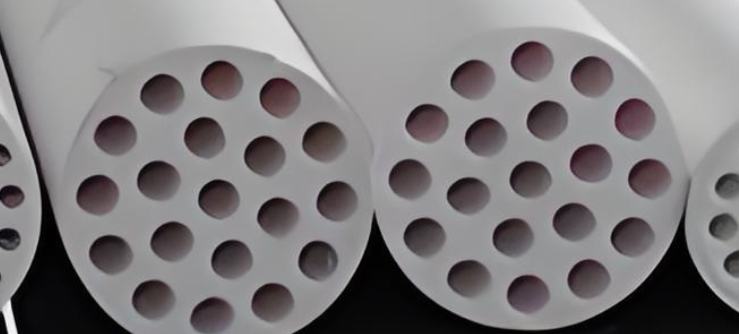
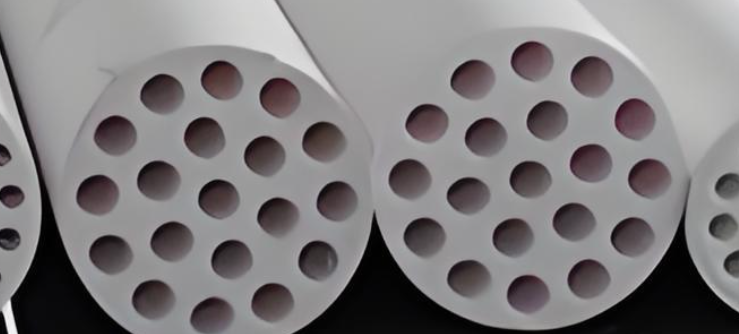
Doulton uses multi-stage ceramic technology. This beats single-layer filters. The 0.9 micron ceramic outer shell blocks bacteria, cysts, and particles first. Water then moves to inner layers. This staged design removes contaminants while keeping good flow.
The Ultracarb model fits four purification stages into a compact 10-inch candle. Stage 1 uses Sterasyl ceramic for microfiltration. Stage 2 has an anti-bacterial ceramic matrix. This stops pathogen growth inside the filter. Stage 3 uses an activated carbon block core. It removes chlorine, monochloramine, organic compounds, and bad taste or smell. Stage 4 has ATS ion exchange resin. This catches lead and heavy metals.
NSF/ANSI certifications prove it works: 42 (looks and taste), 53 (health), 372 (lead-free), and 401 (new contaminants). Lab tests show the Ultracarb removes harmful bacteria and hydrogen sulphide. You get 600 gallons before replacing it. The SuperCarb OBE gives 1,000 gallons for bigger homes.
Flow rates hit 300 liters per hour on systems like HIP, HIS, DUO, HCP, and HCS models. Two-candle setups give 275 L/hour combined. The filter works in varied conditions: 10-125 psi water pressure and 5-30°C temperature (SuperCarb handles up to 212°F).
Standard size is 254mm length × 49mm diameter. Each candle weighs just 0.8 kg. The short threaded mount (part number W9123006) fits into Doulton’s inline housing systems. No gravity setup needed. Replace every 6-12 months based on your water quality and how much you use each day.
Korea Zen Water System Ceramic Dome Filter
The Zen Water System ceramic dome filter uses diatomic ceramic compression technology. You get a 0.2 to 0.5 micron pore structure across the dome surface. Millions of tiny pores trap contaminants as water flows through. The filter removes 98% of aluminum, lead, and particles above 0.2 micron. Iron removal hits 96%.
Silver coating adds germ-fighting protection. The silver layer kills bacteria on contact. This stops germs from growing inside the filter. The dome shape fits into the top holding tank of Zen Water System countertop units and water coolers. No adapters needed.
Flow rate starts at 1.5 to 2 hours per gallon. First-time use may seem slow. Performance speeds up within a few days as the ceramic surface adjusts. The filter handles 1,000 gallons or one year before replacement. Clean it each month with a mesh scrubber or soft brush under cool running water. Never use detergent. Each cleaning exposes a fresh ceramic layer.
The dome removes harmful chemicals like pesticides and herbicides. It blocks dirt, sand, and debris. You get protection from disease-causing bacteria: typhoid, cholera, and dysentery germs. Clean your filter often to prevent pore clogging. Trapped particles build up on the surface over time. Skip cleaning and drainage slows down.
Price sits at $27.95 with a 30-day money-back guarantee. Orders over $59 ship free to the lower 48 states. Inspect your dome filter before each use. Cracks or damage mean you need immediate replacement. The NSF-certified design works best in gravity-fed systems where water pressure stays steady.
BIOCERA Nano Ceramic Filter Cartridge
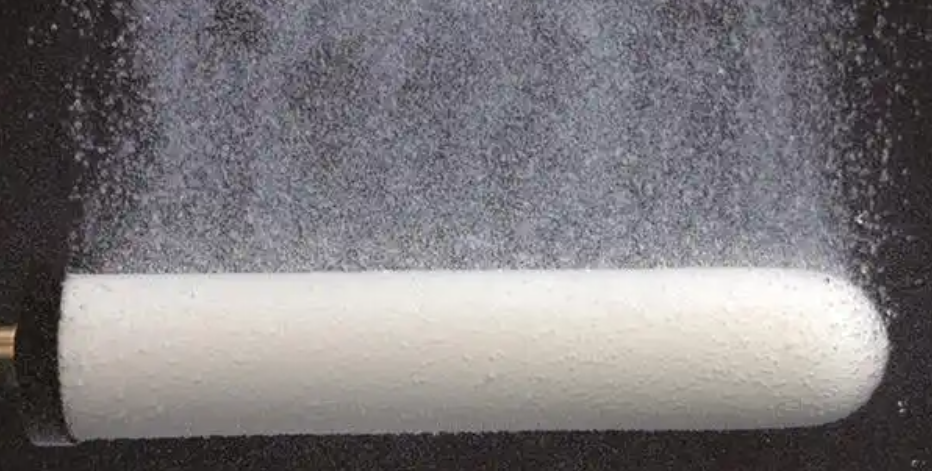
Many mineral-based filters have a heavy metal problem. Traditional ceramic balls use natural minerals. These can leak metals over time. BIOCERA’s nano sol-gel technology stops this risk. We make ceramic balls through nano sol-gel hydrolysis crystal growth. This method creates lead-free balls. They meet NSF/ANSI 42, 61, and 372 standards. No heavy metals leak out, even after long use.
BIOCERA cartridges deliver strong alkalinization power. They raise pH from acidic RO water (pH 6.0) to pH 8.5-9.5. This happens with 99.9% reliability. The 11-inch cartridge keeps pH 8.5+ for up to 6,000 liters at 0.3 LPM flow and room temperature. Large facilities need more capacity. The 20-inch big model handles 150,000 liters before you replace it. That’s about 40,000 gallons for big buildings or busy homes.
Mineral enrichment starts as water flows through the ceramic balls. The filter adds calcium, magnesium, potassium, and sodium ions. The BIOCERA AO ball supplies magnesium and silica (SiO2) minerals. You get healthier drinking water. It tastes better than flat RO output. Plus, negative ORP values add antioxidant properties.
BIOCERA offers eight models:
|
Model |
Capacity |
pH Target |
Flow Rate |
Best For |
|---|---|---|---|---|
|
AA Jug |
150L |
8.5+ |
0.3 LPM |
Small apartments |
|
10″ Undersink |
10,000L |
8.5-9.5+ |
1.5 LPM |
Homes with families |
|
20″ Slim |
50,000L |
8.5+ |
5 LPM |
Light commercial |
|
20″ Big |
150,000L |
– |
High |
Heavy commercial |
Standard cartridges run at 0.75 GPM max flow. They handle 125 psi pressure and 0-60°C temperature. Replace every 6 months with normal use. The 11-inch model weighs 550g. It measures 7×28×7 cm. Installation is simple. Use 1/4-inch inline connections that fit most post-RO systems. NSF and FDA certifications prove the product’s safety.
LG Puricare Ceramic Filter Component
LG’s PuriCare system works differently than standard water filter cartridges. This three-layer filtration setup has three parts: a washable pre-filter, the main PuriCare ceramic element, and a deodorizing filter. The ceramic core catches particles down to 1.0 micron. That’s smaller than most bacteria and many viruses.
The system tracks filter performance on its own. A built-in indicator turns on after 4,000 hours of use. Press the Filter Reset button to clear the timer. No more guessing about maintenance schedules.
Real-time particle monitoring makes PuriCare stand out. The display shows three pollution levels: PM10 (particles ≤10 μm), PM2.5, and PM1.0. Press the Indicator button to see each reading. The system shows the worst pollution level for 10 seconds. You see your poorest air quality right away.
|
PM Level |
PM10 Range |
PM2.5/PM1.0 Range |
Status |
|---|---|---|---|
|
0-54 / 0-12 |
Good |
Safe |
Clean air |
|
55-154 / 13-35 |
Normal |
Acceptable |
Average conditions |
|
155-254 / 36-55 |
Bad |
Poor |
Action needed |
|
≥255 / ≥56 |
Strong |
Hazardous |
Immediate filtration |
The NanoFiber True HEPA upgrade (for PuriCare 360 models) traps 99.97% of 0.3 micron particles. The activated carbon layer inside removes odors. Independent tests show 99.9% removal of bacteria, viruses, dust, and allergens.
Installation needs three steps. Take the filter out of the box. Push it into the rear panel grooves until you hear a click. Put the unit on a flat surface with ≥5 feet clearance from lights and ≥4 inches from walls. The dust and odor sensors need good airflow to give correct readings. Readings jump near doors, windows, or HVAC vents.
LG offers a 1-year warranty on the PuriCare 360 Dual Filter. This covers parts and labor. Replacement filters cost less than other HEPA systems. You still get medical-grade cleaning power.
Cuckoo Ceramic Filtration Element
Cuckoo builds its ceramic filtration into multi-stage purifier systems. They don’t sell standalone ceramic elements. The Nano Positive Plus 3.0 Filter (CPF-813NP/US) is their top-tier filtration stage. This filter sits inside countertop and tankless purification systems. It uses nano-technology with positive charge attraction. This traps tiny contaminants that traditional filters miss.
The CP-SN102HW model has three stages. Stage 1 uses a 3.0 micron sediment filter. It catches rust, sand, and large particles. Stage 2 has a carbon composite block. This removes chlorine and organic chemicals. Stage 3 features the Nano Positive Plus 3.0 filter. This final stage catches microscopic contaminants. The positive charge attracts particles like bacteria and viruses.
Premium systems like the K-Pure Signature (CP-BRPV1201S) pack 12 filtration layers into one unit. This model adds a 100 GPD reverse osmosis membrane after the initial filters. You get mechanical filtration plus molecular-level purification. The exclusive Cuckoo Korea filter teams up with standard RO technology. This delivers ultra-clean water.
Filter replacement schedules vary by stage: sediment filters need changing every 4 months. The Nano Positive Plus 3.0 lasts 8 months under normal household use. Carbon composite stages last 4-8 months. Built-in indicators track filter life for you. Voice guides tell you when to replace filters. No manual checking needed.
The CP-P012 tankless system gives you instant filtration. No storage tanks required. Dimensions measure 16.1H × 6.7L × 14.5W inches with a weight of 23.1 lbs. The compact design fits under most kitchen cabinets. Touch controls and voice guidance make it easy to use. Hot water reaches 1,440W heating power. Perfect for instant tea or coffee.
Cuckoo holds cETLus, FCC, and ETL certifications for safety and performance. These Korean-made systems appeal to premium buyers. They want smart features with strong filtration. Cold water storage hits 3.8 liters in tank models. Hot water capacity ranges from 1.8 to 2.5 liters. This depends on which CP-B502 series variant you choose.
Korea KDF Ceramic Combo Filter
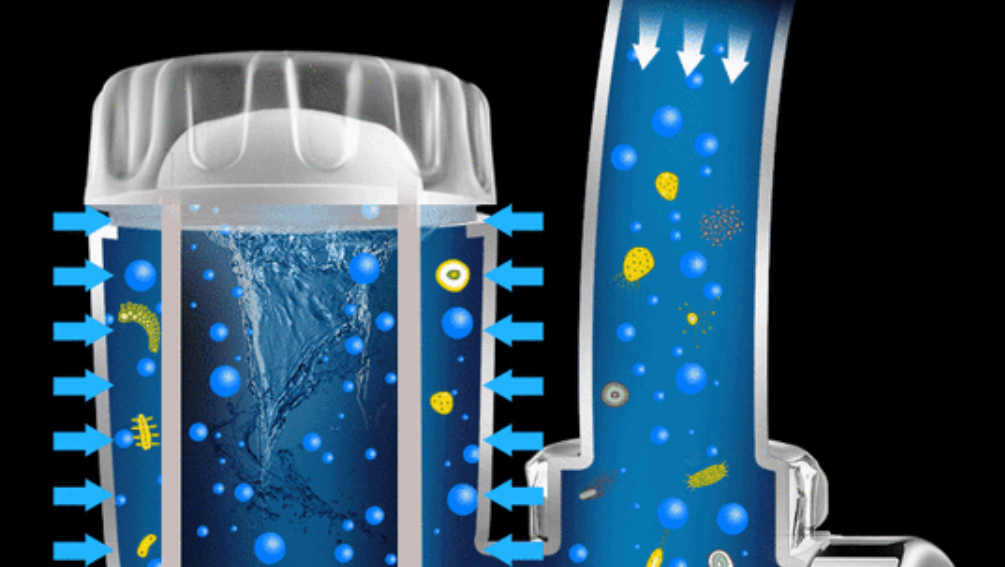
KDF media works with ceramic filtration to create a dual-action purification system. You get protection from both chemical and physical contaminants. The copper-zinc redox process removes 99% of dissolved metals like lead and mercury. This reaction turns free chlorine into harmless chloride. At the same time, it reduces heavy metals to solid forms that get trapped in the filter.
The ceramic part adds 0.2 micron pore diameter filtration. This barrier blocks particles from 0.3 to 1.0 micron. That includes dirt, sand, compounds, and bacteria. KDF stops microorganisms from growing inside the cartridge. The ceramic layer handles the physical filtering. Together, they make the media last much longer. Plus, you avoid the biofouling problems that plague single-stage filters.
Chlorine removal reaches up to 99% through the KDF85 stage. The copper-zinc granules create a field that converts chlorine on contact. Heavy metal capture works just as well. Lead gets trapped by KDF absorption. Iron removal stays effective. Dissolved mercury drops by up to 99%. The redox process also controls scale, algae, and fungi buildup.
|
Component |
Capacity |
Flow Rate |
Temperature Range |
|---|---|---|---|
|
KDF85 |
40,000 gal |
4 gpm |
40°F to 100°F |
|
KDF/GAC Combo |
12,000 gal (>70,000 gal carbon) |
– |
– |
|
Multi-stage cartridge |
1,000 gal / 6 months |
– |
40°F to 125°F |
Standard combo cartridges measure 20″ × 4.5″. Component weights: 2 lbs (sediment), 11 lbs (KDF), and 5 lbs (carbon). Media ratios run 80/20 KDF to GAC by volume. Pressure drops stay minimal at 0.9 psi at 4 gpm for both KDF85 and carbon stages. Flow capacity hits 611 lpm/m². That’s triple the rate of standard filtration media.
Waterdrop Korea Ceramic Gravity Filter Element
Waterdrop’s gravity system needs no electricity. No plumbing hookups either. The Korea Ceramic Dome filter uses 0.2 micron pore diameter technology. Water passes through millions of tiny ceramic pores. These pores catch particles between 0.3 and 1.0 microns. This traps dirt, sand, debris, and most bacteria (bacteria measure 0.5-1.0 microns). You’re protected from typhoid, cholera, and dysentery germs.
The four-stage filtration beats ceramic-only filters. Stage 1 does the ceramic dome pre-filtration. Stages 2-4 use natural coconut activated carbon plus resin. Two cartridge types handle this: the PF-2-C white fluoride filter and BB9-2 black carbon filter. Fluoride drops by 98%. Chlorine removal reaches 98.95%. The system also cuts bad taste, odors, rust, sediment, heavy metals, and spore cysts.
The WD-TK-F King Tank model holds 2.25 gallons. That’s enough clean water for four people. The tank is made from 304 food-grade stainless steel with 0.8mm thickness. It fights corrosion and holds up to 220 lbs of weight. Size is 8.5 × 8.5 × 20.4 inches (12.5 inches with protective sleeve). Total weight is 10.9 lbs. Light enough for camping or your RV.
Temperature range is 40-100°F (4-37°C). The lead-free copper spigot has a red floating ball. This shows your water level in real time. No leaks. Dust-proof lid holes keep gravity flow steady. The protective sleeve makes moving it easy. You get emergency prep and daily home filtering in one portable unit. Replace the PF-2-C and BB9-2 cartridges as needed. Search these model numbers for replacements.
Key Factors to Consider When Choosing Korean Ceramic Water Filter Cartridges
Pick the right Korean ceramic filter by understanding five key factors. These affect your water quality and what you’ll spend long-term.
Filtration Accuracy and Pore Size Technology
Pore size decides what contaminants get caught. Korean ceramic filters range from 0.2 to 1.0 microns. Smaller pores give you better protection.
A 0.2 micron filter blocks 99.9% of bacteria and protozoa. A 0.9 micron version stops larger particles. But it might miss smaller germs.
Check what needs removing. City water with chlorine? A 0.5 micron filter works fine. Well water with bacteria risk? Go for 0.2 micron protection.
The Doulton Ultracarb uses 0.9 micron ceramic paired with activated carbon. This combo handles both particles and chemicals. Single-layer ceramic filters can’t do both jobs well.
Filter Element Materials and Manufacturing Processes
Material quality sets premium filters apart from cheap copies. Top Korean makers use diatomaceous earth, alumina, or zirconium oxide ceramics. These materials resist cracking. They keep pore structure steady under pressure.
BIOCERA’s nano sol-gel technology creates lead-free ceramic balls. These meet NSF 372 standards. Old-style mineral ceramics can leak heavy metals over time. The making process matters just as much as the material.
Silver-treated ceramic adds germ protection. The Zen Water System dome filter uses colloidal silver coating. This kills bacteria on contact. It stops biofilm growth inside the filter. Without silver treatment, bacteria grow in the wet ceramic space.
Certification Standards and Performance Verification
NSF/ANSI certifications prove a filter works as claimed. Look for these codes:
-
NSF 42: Taste, odor, chlorine removal
-
NSF 53: Lead, cyst, VOC reduction
-
NSF 372: Lead-free materials
-
NSF 401: Drugs, BPA, emerging pollutants
Doulton holds all four certifications for its Ultracarb model. Generic Korean filters often skip third-party testing. They depend on maker claims alone.
Certified filters cost 20-30% more upfront. You’re paying for tested performance and safety proof.
FDA approval matters for filters that add minerals. BIOCERA’s ceramic balls carry FDA food-grade certification. This confirms the added calcium and magnesium are safe to drink.
Service Life and Maintenance Costs
Ceramic filters last 2-3 times longer than carbon-based options. Most Korean ceramic parts last 6-12 months with proper care. The Zen dome filter handles 1,000 gallons before replacement. BIOCERA’s 11-inch cartridge processes 6,000 liters at steady pH levels.
Clean monthly to extend filter life. Scrub the ceramic surface with a soft brush under cool water. This removes trapped particles. It opens up fresh pores. Skip this step? Flow rate drops by 40-50% within three months.
Calculate total cost per gallon, not just the sticker price. A $28 Zen dome filter at 1,000 gallon capacity costs $0.028 per gallon. A $65 BIOCERA cartridge at 6,000 liters (1,585 gallons) drops to $0.041 per gallon. Pricier filters with longer lifespans often save you money over time.
Compatibility and Installation Requirements
Filter size must match your system. Standard sizes include:
-
10-inch cartridges: Fit most countertop and under-sink units (254mm length)
-
Gravity domes: Made for top-mount tanks (Zen, Waterdrop systems)
-
Inline elements: Need 1/4-inch NPT connections (Doulton, BIOCERA)
Check thread type before buying. Doulton uses W9123006 short threaded mounts. These don’t fit gravity systems without adapters. The Waterdrop ceramic dome works in gravity tanks alone. It can’t replace inline cartridges.
Flow rate matching stops bottlenecks. Big filters like the BIOCERA 20-inch model push 5 LPM (1.3 GPM). Your plumbing needs to handle this volume. Putting a high-flow filter on low-pressure lines causes uneven performance. Match the filter’s rated flow to your home’s water pressure. Most homes run 40-80 PSI.
Temperature limits change by model. Standard ceramic filters handle 40-100°F (4-37°C). The LG PuriCare ceramic part works up to 140°F. Use filters outside their temperature range? You’ll face early failure and void your warranty.
Conclusion
Clean, safe drinking water starts with the right filtration technology. Korea ceramic water filter elements offer some of the most advanced purification solutions you can find today. Doulton brings trusted British-Korean engineering. BIOCERA delivers innovative nano-ceramic technology. Each filter we’ve covered has unique advantages. They match different household needs and water quality concerns.
Your ideal choice depends on three key factors: your specific water contaminants, household size, and how much maintenance you want to handle. Maybe you prefer the gravity-fed convenience of Waterdrop systems. Or you like the smart technology in LG Puricare units. Perhaps the complete filtration of Korea KDF Ceramic Combo Filters fits your needs better. Quality ceramic filtration protects your family’s health for years.
Ready to upgrade your water quality? Test your tap water first. This identifies specific contaminants. Then match those results against the filtration strengths we highlighted in each product review. The best filter isn’t the most expensive one. It’s the one that solves your unique water challenges. Plus, it fits naturally into your lifestyle. Your journey to pure, refreshing water is just one filter element away.