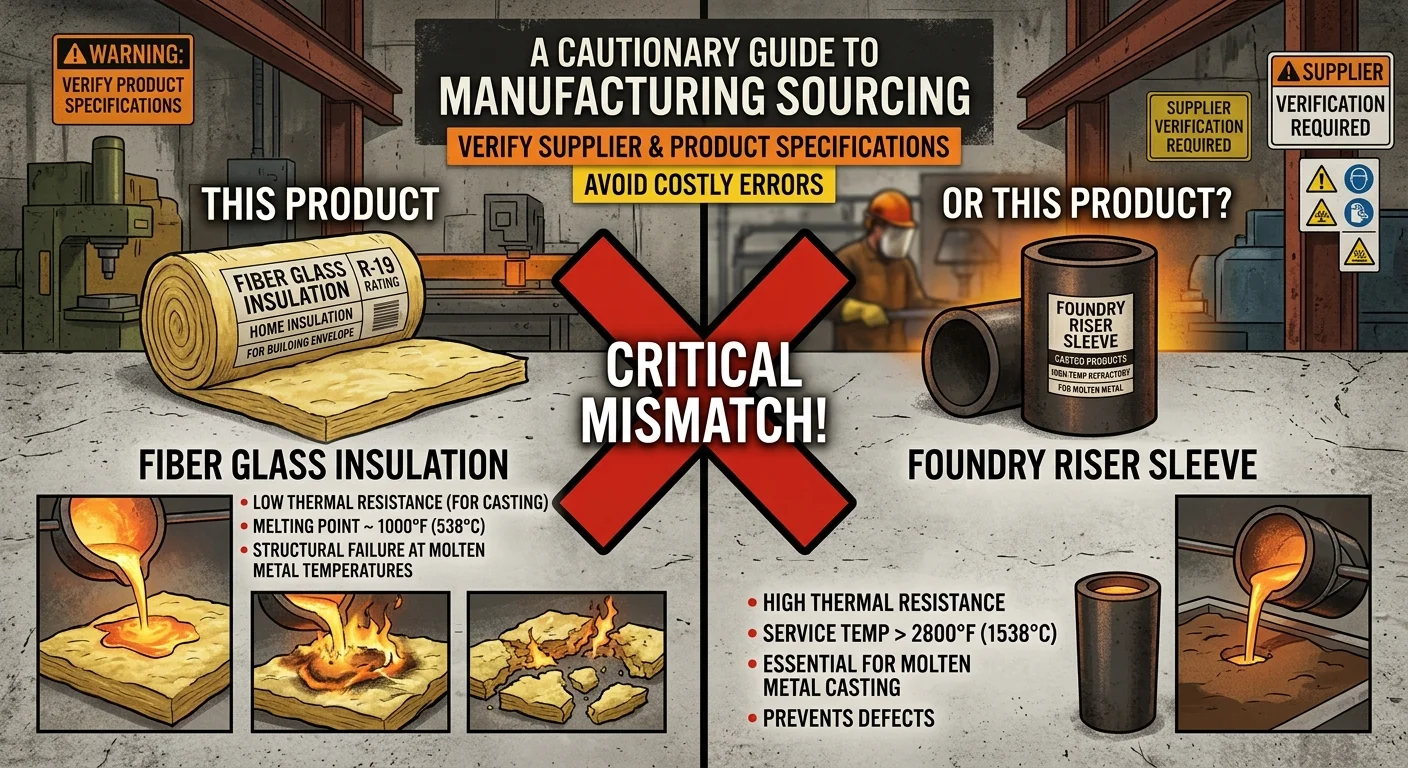
Sourcing riser sleeves from China sounds simple — until you’re staring at hundreds of suppliers with no way to separate real manufacturers from middlemen.
Your riser sleeve sits directly on top of the mold cavity. It affects your yield rates, your scrap costs, and your bottom line. Steel, iron, or aluminum — it doesn’t matter. The sleeve choice hits every one of those numbers.
This guide cuts through the noise. We’ve ranked the top 10 riser sleeve and foundry material suppliers in China against real selection criteria. You’ll get a clear breakdown of exothermic vs. insulating sleeve trade-offs. You’ll also see what you’ll pay once the invoice lands — no surprises.
By the end, you’ll know who to call — and who to skip.
What Is a Riser Sleeve & Why It Matters in Metal Casting
Metal shrinks as it cools. That’s physics — and it’s the problem every foundry engineer is paid to fight.
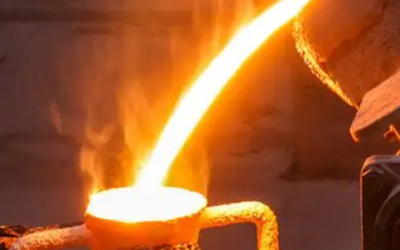
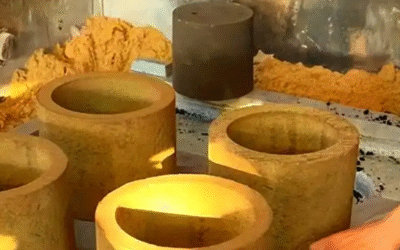
A riser sleeve solves it. You place it at the thickest sections of your mold — the last zones to solidify. It acts as a molten metal reservoir. As the casting contracts, the sleeve feeds liquid metal straight into it. Without that feed, contraction creates a void. Voids become scrap.
There are two core types:
-
Insulating sleeves — slow heat loss, keep metal liquid longer
-
Exothermic sleeves — generate their own heat through thermite oxidation, pushing metal into the cavity with force
80% of steel castings use riser sleeves for yield improvement. The metric that matters is Metal Expansion Factor (MEF). Higher MEF means better yield, less wasted pour, and lower cost per good part.
A well-spec’d sleeve does three things. It eliminates shrinkage porosity. It cuts gas defects through controlled venting. And it reduces post-cast grinding time by a real margin. That last point alone justifies the line item.
How to Evaluate Riser Sleeve Suppliers: 5 Key Selection Criteria
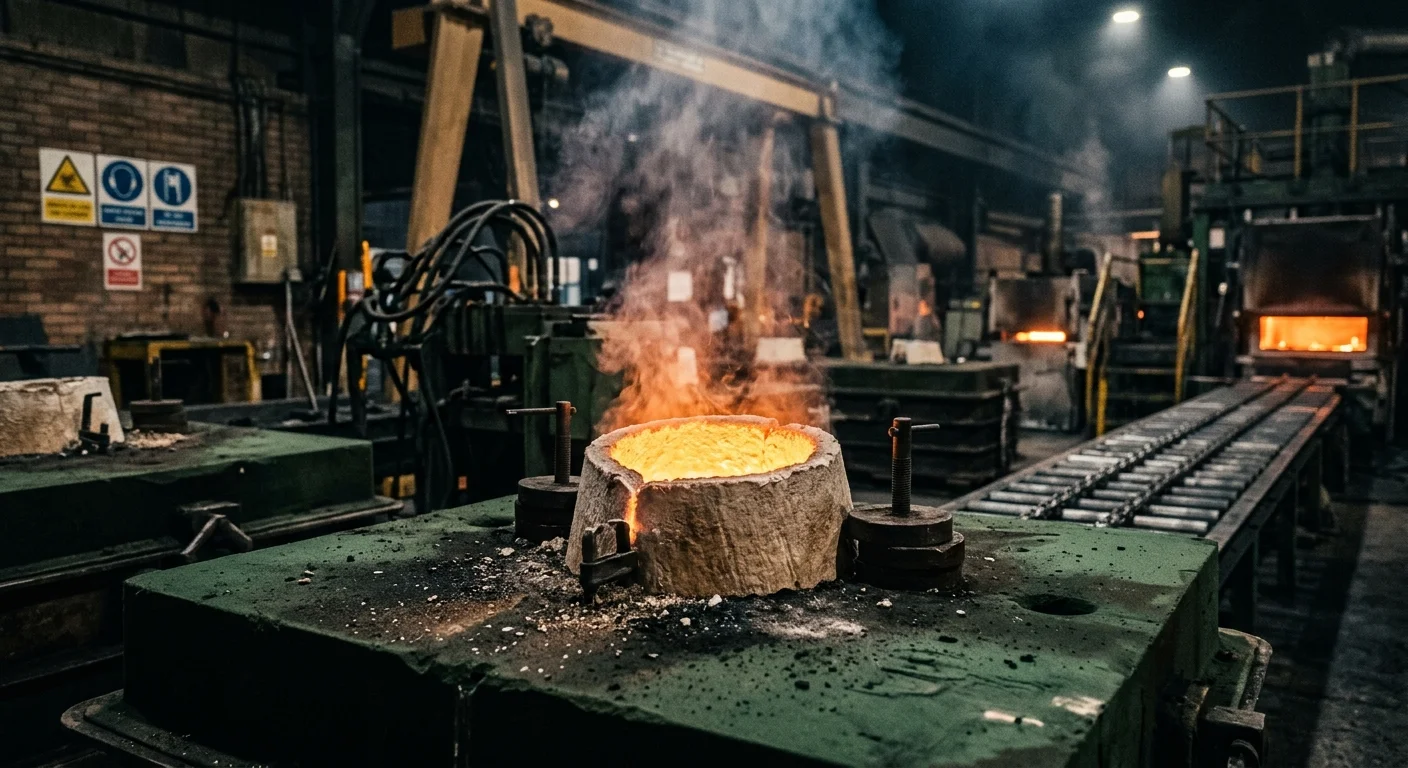
Not every supplier that quotes you a price deserves your purchase order. Here’s how to separate the serious manufacturers from the rest.
1. Certification Standards
Start with paperwork. Ask for ISO 9001 compliance, export documentation, and MSDS sheets. These are baseline. For exothermic sleeves, check SFSA 31T-65 compliance. This standard covers material grades, riser cavity specs, and batch traceability markings.
2. Product Range Depth
A capable supplier stocks neck-down, straight barrel, slant, open, and blind riser variations. Also ask for MEF data across their full catalog. MEF ranges from 1.07 to 1.27 depending on material. That spread has real yield consequences — don’t overlook it.
3. MOQ Flexibility & Custom Capability
Non-standard dimensions come up all the time in real foundry work. Make sure the supplier handles OEM/ODM requests. Also check sleeve thickness ratios. Optimal thickness sits at 0.2× riser diameter for chunky castings and 0.1× for rangy castings. Below 0.1× — walk away.
4. Performance Metrics
Look for suppliers whose sleeves hit MEF above 1.20. Yield improvements can reach 40% for chunky castings and 8% for rangy castings. Ask for simulation data that confirms density, thermal conductivity, and specific heat values.
5. Export Experience & Logistics
Check for Alibaba or Made-in-China verified status and trade assurance coverage. Then confirm active shipping lanes to your region. A supplier who can’t get product to you on a consistent schedule isn’t actually a supplier — just a quote on a screen.
1. Cangzhou Sefu Ceramic New Materials Co., Ltd.
Hebei Province turns out some of China’s most serious ceramic material manufacturers — and Cangzhou Sefu is one of them.
Sefu is based in Guanting Industrial Park, Cangzhou City. Their core focus is ceramic new materials: research, development, and production. Their catalog covers ceramic filters, purification filters, and honeycomb ceramics. These products hit two key areas — thermal performance and metal cleanliness.
For foundry buyers, that’s a big deal. Ceramic filtration shapes melt quality before the metal ever reaches the riser. Cleaner metal means fewer inclusion defects down the line.
Key details at a glance:
-
Location: Guanting Industrial Park, Cangzhou, Hebei
-
Specialization: Ceramic new materials R&D and production
-
Products: Ceramic filters, purification filters, honeycomb ceramics
-
Export activity: Active, with trade data current through late 2025
Sefu is a strong fit if you want filtration and ceramic materials from a single supplier. One relationship, one source — that keeps procurement simple and consistent.
2. Suzhou Xingye Materials Technology Co., Ltd.
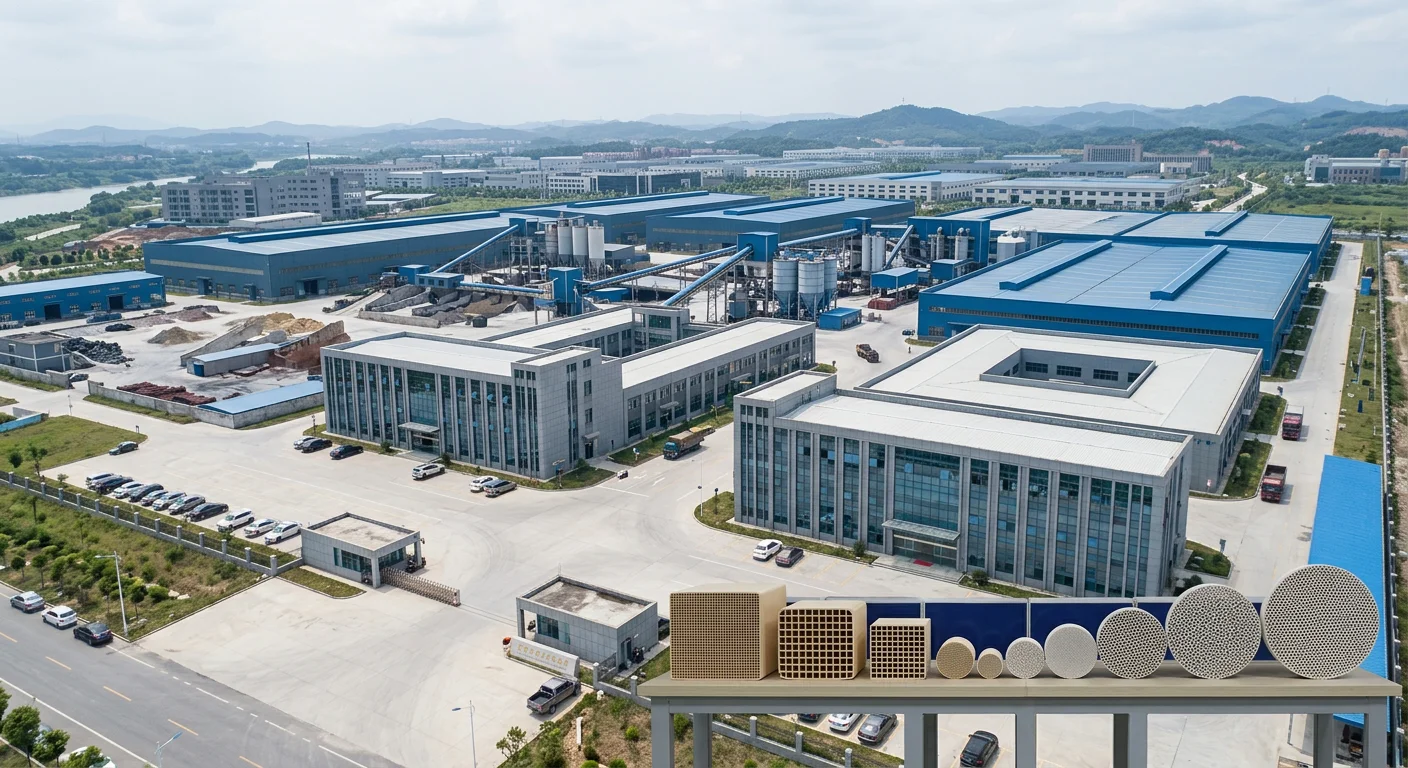
Three decades in foundry materials leaves a mark. Suzhou Xingye started in 1992. Today, they hold 262 million RMB in registered capital, employ over 600 people, and run a 286,000 SQM facility. That kind of scale comes from staying focused for a long time.
Their product range covers the full casting workflow: foundry resin series, casting coatings, melting materials, and auxiliary materials. You’ll find their products in automotive, machine tools, rail transit, heavy machinery, and shipbuilding. That wide reach didn’t happen by chance. It came from years of refining materials for tough, high-precision jobs.
Key details at a glance:
-
Location: Hushuguan Industrial Park, Suzhou High Tech Zone, Jiangsu Province
-
Founded: 1992
-
Registered Capital: 262.08 million RMB
-
Facility: 286,000 SQM
-
Products: Foundry resins, casting coatings, melting materials, foundry auxiliaries
-
Export: Active in both domestic and international markets
Need casting raw and auxiliary materials from one reliable source? Xingye is worth reaching out to.
3. Xinda Casting Tech
Reliable data on Xinda Casting Tech is hard to find — and that’s worth stating up front.
Our research turned up no verified details on their manufacturing model, product range, or export activity. No riser sleeve specifications. No MEF data. No certifications we could confirm. Multiple “Xinda” entities operate across China’s industrial sector. None of them matched the foundry materials profile this ranking requires.
That gap matters. Sourcing riser sleeves for production runs means you need a supplier you can verify. You can’t trust what you can’t check. Thin information isn’t just inconvenient — it’s a real procurement risk.
What we’d want to see before recommending them:
-
ISO 9001 certification and MSDS documentation
-
Published MEF data across their sleeve catalog
-
Confirmed export history to your region
-
OEM/ODM capability for non-standard dimensions
Until that picture clears up, treat this one as a hold. Better-documented options exist on this list. Your yield rates deserve a supplier you can audit, trace, and hold accountable.
4. Pingxiang Central Sourcing Ceramic Co., Ltd.
Jiangxi Province doesn’t get the same attention as Hebei or Jiangsu in foundry circles. Don’t write this one off because of that.
Pingxiang Central Sourcing Ceramic has been running since 2002. Their export operation didn’t start until late 2022. They hold three certifications: ISO 9001, ISO 14001, and OHSAS 18001. That covers quality, environment, and occupational health in one package. Jiangxi Province also recognizes them as a high-tech enterprise.
Key details at a glance:
-
Location: Futian Village, Gaokeng Town, Anyuan District, Pingxiang, Jiangxi
-
Founded: 2002
-
Certifications: ISO 9001, ISO 14001, OHSAS 18001
-
Products: Ceramic foam filters, honeycomb ceramic filters, infrared ceramic plates, thermal storage ceramic balls, RTO/RCO honeycomb ceramics
-
Production: 10 lines; annual output US$5M–$10M
-
Export markets: North America, Western Europe, Southeast Asia, Eastern Europe, Oceania
-
Payment terms: LC, T/T, D/P, PayPal, Western Union
Their catalog focuses on filtration and thermal ceramics. So if your sourcing needs go beyond riser sleeves, this supplier is worth a closer look.
One flag worth noting: Their export history is short. Exports started in late 2022. Trade data runs through late 2025 — that’s about three years of tracked activity. That’s not a dealbreaker, but it’s enough reason to run a proper factory audit before placing large orders. Check license #04530203 and pull customs reference NBDX1H139891103 on your own.
Short track record. Solid certifications. Do the homework first.
5. Shanghai Haiying Insulation Glass
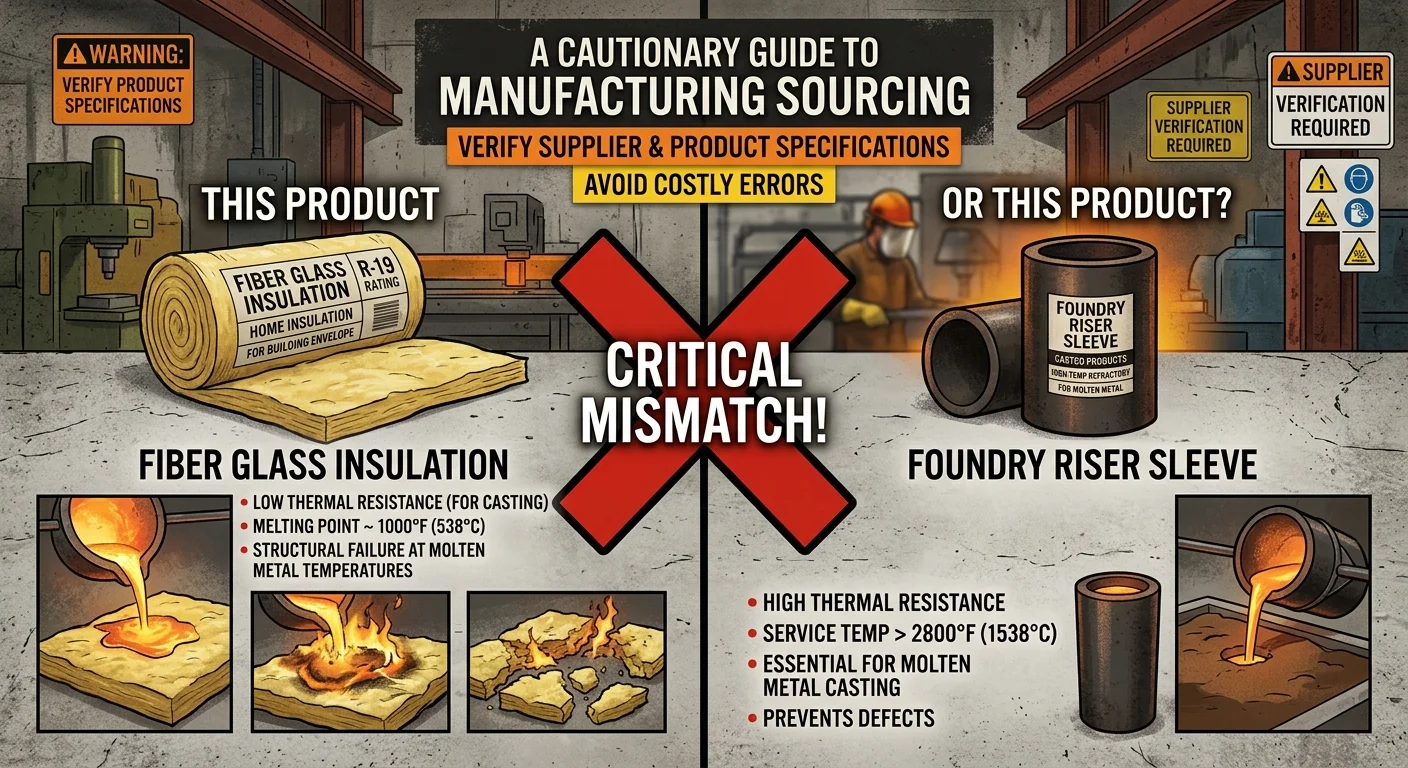
Honest take: Shanghai Haiying Insulation Glass does not belong on a riser sleeve shortlist.
The company started in 1994. Over three decades, they built real expertise — just not in foundry materials. Their seven production lines focus on glass fiber banding tapes. Their UL listing covers electrical insulation systems. Their customers are transformer engineers and motor winding shops. Casting floor supervisors are not their audience.
Key details at a glance:
-
Location: Room 104, No. 8, Lane 457, Fahuazhen Road, Shanghai
-
Founded: 1994, privately owned, 100+ employees
-
Core Products: Glass fiber sleeves, mica tape, glass fiber netting, reinforcing mesh
-
Primary Markets: Transformers, electric motors, generators, coil winding applications
-
Certifications: UL listed for electrical insulation systems
Their glass fiber sleeves are real, working products. They serve dry transformer moulding and coil insulation. That is a completely different field.
No riser sleeve specs show up in their catalog. No MEF data. No foundry product lines at all.
Sourcing for electrical insulation work? Call Ms. Jane in their overseas department. Chasing yield improvement on a steel casting? Keep scrolling.
6. Ningbo Steel Casting Foundry (Transmission Sleeve Specialist)
Ten pieces. That’s the minimum order here. Most foundries turn away small-batch buyers. Ningbo Steel Casting built their whole business around them.
This supplier focuses on one clear area: transmission sleeves for prototype runs and niche applications. Their sweet spot is the 0.1–20kg weight range. That range covers 70% of their output. Think train components, custom alloy parts, and low-volume jobs that bigger foundries won’t even quote.
What they make:
-
Process: Investment casting (lost wax technique) + CNC machining + polishing
-
Materials: 25CrMo4, 3Cr13 alloy steel, high manganese steel, carbon steel
-
Annual capacity: 10,000 tons — large enough to stay flexible, small enough to take your low-volume order without disruption
Pricing is straightforward:
-
Carbon steel transmission sleeve: US$1.00/piece
-
CNC-machined alloy steel investment casting: US$2.21/piece
-
MOQ benchmark: 10 pcs at $3.10/piece
Alloy steel makes up 45% of their production mix. Carbon steel covers 35%. That split says a lot — this isn’t a commodity shop stamping out the same part all day. They’re built to handle material variety across different job types.
Logistics runs through Ningbo port. You get FOB terms on both Ningbo and Shanghai. Export lanes cover North America, Europe, the Middle East, South America, and Asia.
Running prototypes? Sourcing niche transmission components in small quantities? This is the supplier built for that exact job. High-volume buyers chasing sub-dollar unit costs will find better options elsewhere on this list.
7–10. Emerging & Platform-Based Suppliers (Made-in-China & Global Sources)
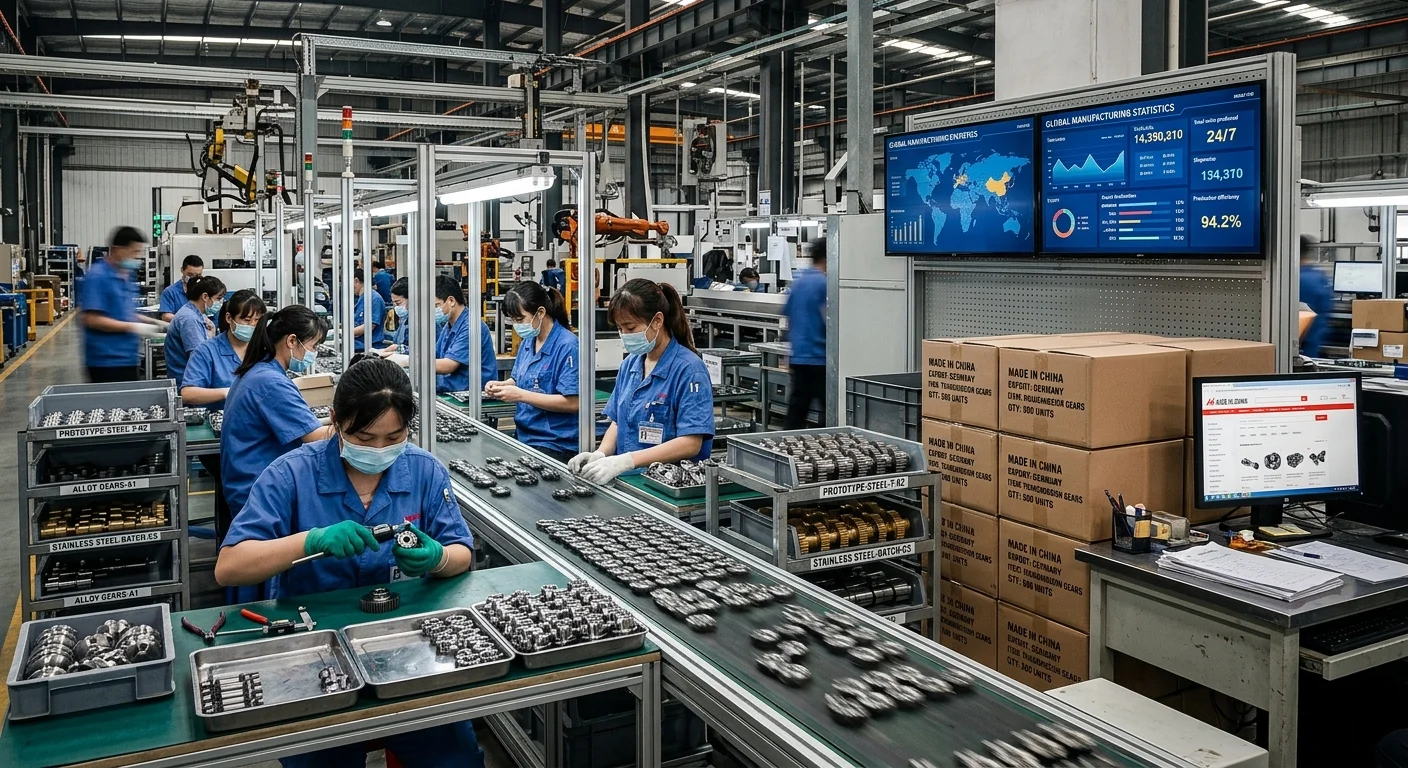
China accounts for 30.5% of global manufacturing output (World Bank, 2025). That number matters for platform sourcing on Made-in-China.com or Global Sources — because behind it sits a massive, mostly unfiltered supplier pool.
That’s the trade-off with platform sourcing.
Both platforms give you access to thousands of foundry material listings. Riser sleeves, casting auxiliaries, ceramic filters — it’s all there. But verified company names, confirmed badge statuses, and documented response rates are hard to find. The platforms are real. The vetting around individual suppliers is not.
What this means in practice:
-
Specialty geometries — neck-down, slant, B-type exothermic — may be listed, but coverage is inconsistent
-
Pricing benchmarks for insulating riser sleeves exist, but order volume and material grade shift the final number — sometimes by a wide margin
-
Trade assurance and audit reports show up in credentials listings, but that doesn’t mean they’re guaranteed
Before placing any platform-sourced order, run this checklist:
-
Request ISO 9001 documentation and current MSDS sheets
-
Confirm MEF data for the specific sleeve type
-
Pull customs records on your own — don’t rely on what’s in the listing
-
Order samples before committing to production volume
Platform suppliers can work. Some are real, capable manufacturers. The problem is a listing alone won’t tell you which ones. With riser sleeves, a bad call shows up straight in your scrap rate.
Do the homework. Then decide.
Exothermic vs. Insulating Riser Sleeves: Which Type Does Your Application Need?
The sleeve type you pick isn’t a preference. It’s a metallurgical decision — and it directly affects your yield.
Two different mechanisms are at work here. Each one does something distinct.
Exothermic sleeves generate heat through a chemical reaction. Thermite oxidation — iron oxide meeting aluminum — releases 400–2,257 kJ/kg of energy. The exact output depends on thermite content, ranging from 6% on the low end to 21% on the high end. That heat drives liquid metal into the cavity as the casting contracts. Steel castings are the main target. Steel shrinks hard. Retained heat alone won’t cut it — you need added thermal energy to compensate.
Insulating sleeves work the other way. They don’t generate heat at all. Instead, low thermal conductivity — 0.6–1.4 W/m·K — slows heat loss and keeps the liquid phase alive longer. Iron, aluminum, and non-ferrous alloys are a natural fit here. The goal is uniform cooling and reduced porosity. You’re not trying to push aggressive feed compensation — just control the solidification rate.
|
Property |
Exothermic |
Insulating |
|---|---|---|
|
Heat mechanism |
Generation |
Retention |
|
Heat release |
1,857–2,257 kJ/kg |
None |
|
Best for |
Steel |
Iron, aluminum, non-ferrous |
There’s also a third option: hybrid sleeves. These combine insulating and exothermic properties, and they’re often paired with sand inserts at the riser neck. The result — the neck stays open longer without contaminating the melt.
Four steps to make the right call:
1. Start with your metal. Steel points to exothermic. Everything else starts with insulating.
2. Run a MEF simulation against a straight insulated benchmark to see where you gain.
3. Check sleeve thickness carefully. Many commercial sleeves run undersized for peak yield.
4. Confirm the heat release matches your shrinkage load before you place the order.
Price Guide: What Does Riser Sleeve Sourcing from China Cost?
Numbers first. Here’s the real range.
Insulating riser sleeves run US$0.2–$2.00 per piece. Premium ceramic fiber variants sit at the top end — $1.50–$2.00. Exothermic sleeves start at $0.80 and reach $1.80 for standard grades. High-performance variants push $2.50–$5.00. Custom or specialty geometries? That spread blows wide open: $0.50–$50.00. Your specs drive that number.
Volume is the lever that moves everything.
|
Order Size |
Typical Unit Cost |
|---|---|
|
1–10 pieces |
US$1.50–$2.00 |
|
~100 pieces |
US$0.80–$1.80 |
|
500+ pieces |
US$0.20–$0.50 |
Where you source inside China also matters. Shandong Province dominates the supplier base — pricing runs $0.20–$3.00 per piece. Hebei Province, home to suppliers like Cangzhou Sefu, runs a bit higher at $0.50–$5.00.
Verified manufacturers with ISO 9001:2015 certification charge mid-to-premium prices. That premium is real — but so is the quality consistency behind it.
One cost that doesn’t show up on any invoice: compliance drag. Energy costs for foundry operations jumped 35% since 2022. EPA and EU emissions standards added 18% to operational overhead. U.S. tariffs on refractory imports pushed domestic production costs up another 12–15%.
That pressure travels upstream. It lands in your quoted price.
How to Verify & Source from Chinese Riser Sleeve Suppliers
Bad suppliers don’t announce themselves. They send polished quotes, answer emails fast, and disappear after the wire clears.
Here’s how you stay protected.
Start with the business license. Scan the QR code. It links to a government registry. Check the scope — “production/assembly” means manufacturer. “Wholesale/distribution” means trader. That single field tells you a lot.
Run a background check with multiple layers. Tools like QCC pull company registration, shareholder structure, ownership details, legal rep history, litigation records, and sanctions exposure. A $99 report comes back in 24 hours. That’s low-cost protection on a component that can halt your entire production line.
Send a third-party auditor before placing any order. SGS, BV, or TÜV check factory credentials, production capacity, equipment, and QC systems. You get a full report with photos and a risk assessment within 24 hours. Budget $300–$500 per factory.
Test samples before bulk orders. The numbers that matter:
– Compression strength: ≥0.5–2 MPa
– Exothermic peak temperature: 1,200–1,400°C
– Dimensional tolerance: ±1–2% on ID/OD/height
– Gas evolution: <10 ml/g
On payment, use a 30% T/T deposit with the balance via irrevocable LC at sight. FOB Shanghai or Ningbo keeps freight control on your side. Build in penalty clauses — 1% per day, capped at 10% — for delays.
Walk away if you see these:
– Pricing more than 20–30% below market (sleeves run $0.50–$2.00/pc)
– No MSDS documentation on exothermic products
– MOQ below 1,000 pieces from a claimed manufacturer
– A catalog covering more than 10 unrelated product categories
Real factories quote 5,000–10,000 piece minimums. Real suppliers hand over MSDS sheets without a second request. Missing either of those? You already have your answer.
Conclusion
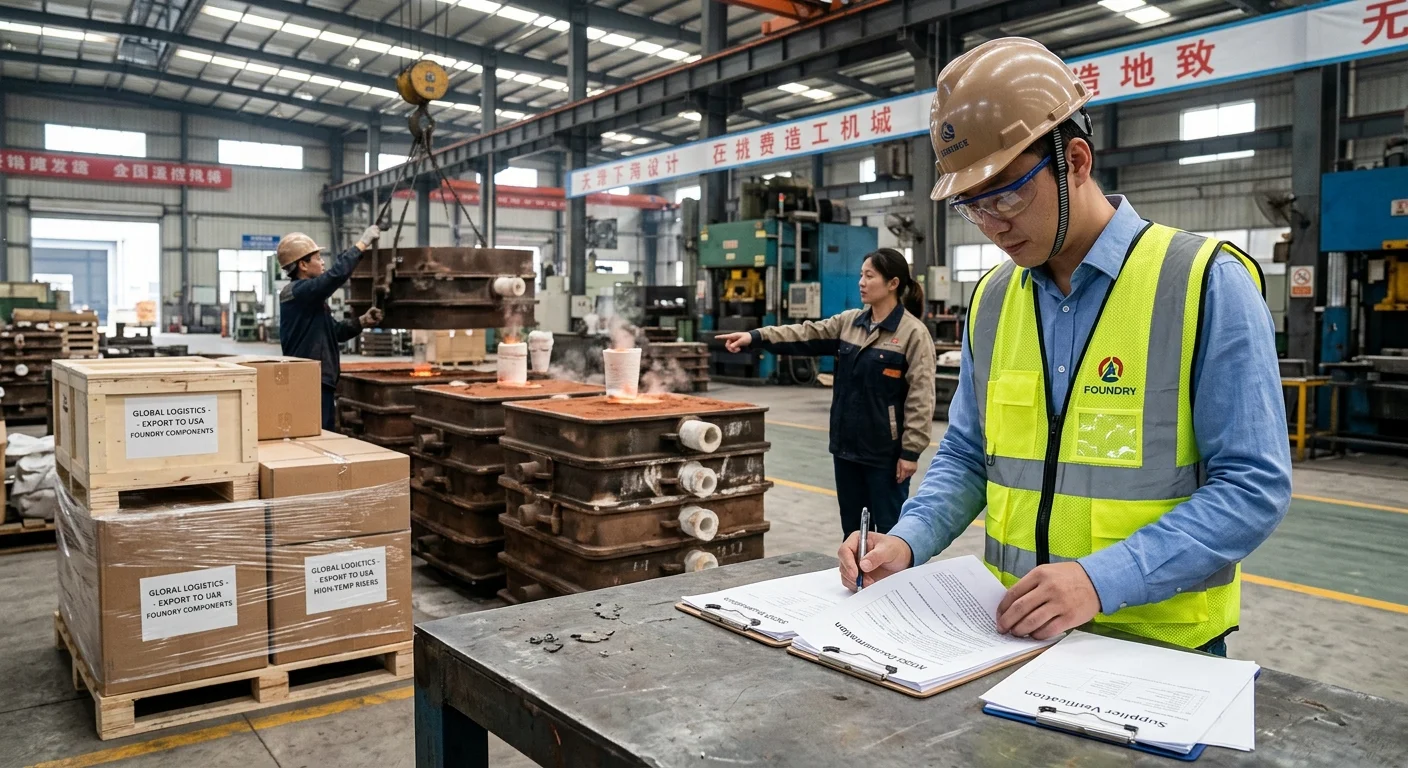
Sourcing riser sleeves from China is straightforward — as long as you know what to look for.
The top riser sleeve and foundry material suppliers in China covered here span a wide range. You’ll find ceramic specialists with decades of metallurgical expertise. There are also platform-based vendors worth a closer look. The right choice comes down to three things:
-
Your casting application (exothermic vs. insulating)
-
Your volume requirements
-
How thoroughly you vet a supplier before committing
Don’t skip the verification step. A sample order, a third-party inspection, and a direct factory conversation will tell you far more than any product listing ever will.
Now it’s your move. Shortlist two or three suppliers from this guide. Request technical datasheets. Run a small trial batch before scaling up. The foundries that produce clean, shrinkage-free castings didn’t land great suppliers by chance — they followed that exact process.
Make your choice with care. Cast with confidence.