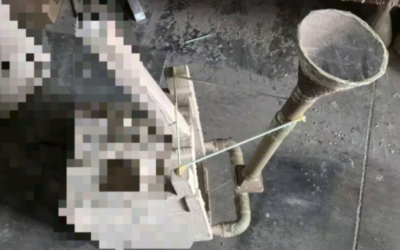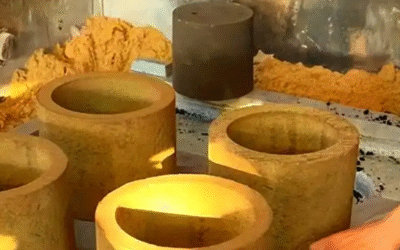
Picking the wrong ceramic pouring cup supplier doesn't just slow down production — it puts every casting at risk. Molten metal runs past 1,600°C. Tolerances leave zero room for error. The supplier you trust with this one consumable carries more weight than most buyers...
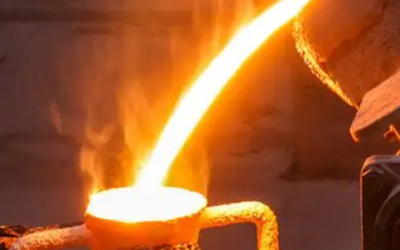
Riser in Casting
Paper Gating System In Casting: Why It’s Time To Replace Your Ceramic System
Every year, foundries lose thousands of dollars to cracked gates, contaminated pours, and defect-filled castings — and most of them keep blaming the metal. The real problem sits right at the entry point of the mold.ceramic gating systems have ruled foundry floors for...
Top Riser Vs Side Riser In Sand Casting: Which Feeding Method Is Right For Your Part?
Shrinkage doesn't announce itself. It hides inside your casting until the part fails inspection — or worse, fails in the field.Choosing between a top riser and a side riser in sand casting is a foundational call. It determines whether your part comes out sound or...
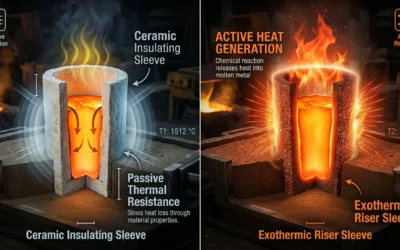
Riser Material Comparison: Ceramic, Exothermic, And Sand Risers – Pros And Cons
Every riser sleeve decision you make either feeds your casting or starves it. Pick the wrong material, and you get shrinkage defects, wasted metal, and yield numbers that cut into your margins — often with no clear cause.The ceramic vs. exothermic vs. sand riser...
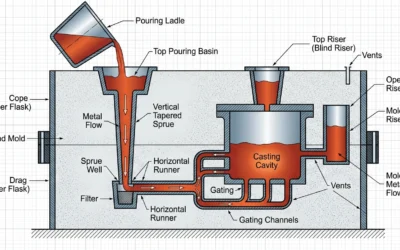
Sprue Vs Runner Vs Riser: Understanding The Gating System In Sand Casting
Every failed casting tells a story — and that story almost always starts at the gating system. Skip the basics of how the sprue, runner, and riser each work, and you're guessing through a process with zero margin for error. That's a risk no foundry can afford.The gap...
Open Riser vs Blind Riser: What’s the Difference and When to Use Each
Choosing the wrong riser type doesn't just cost you material — it costs you the entire casting. Yet the open riser vs blind riser decision gets made on gut feel more often than it should. Most of the time, it's left to whoever set up the last job. These two designs...