Choosing the wrong riser type doesn't just cost you material — it costs you the entire casting. Yet the open riser vs blind riser decision gets made on gut feel more often than it should. Most of the time, it's left to whoever set up the last job. These two designs...
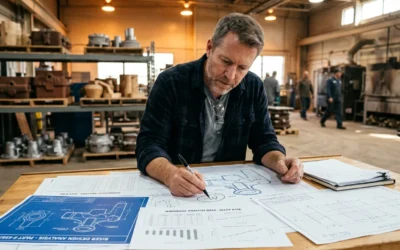
Riser in Casting
Top 10 Risers For Sand Casting – Which Type Is Right For Your Application?
Every shrinkage defect that reaches your customer starts with the same problem — the wrong riser, or no riser at all. Most foundries treat riser selection as an afterthought. Teams pick by gut feel and habit, not by geometry and physics. That's a costly mistake.The...
How Inclusions Sabotage Riser Feeding Efficiency (And How To Stop It)
Inclusions don't fail loudly. They don't crack molds or trigger obvious alarms. Instead, they strangle your riser's ability to feed — one blocked channel at a time. You end up staring at a scrap rate that makes no sense on paper.The frustrating part? Most foundries...
5 Questions To Ask Your Casting Riser Supplier About Compatibility With Filtration Systems
Most casting riser suppliers will say their product "works with filtration systems." But that's not the full story. They won't tell you how it works, under what conditions it fails, or what happens to your yield when the two systems work against each other.That gap —...
Top 10 Riser Sleeve Suppliers For Sand Casting In India
Pick the wrong riser sleeve supplier in India, and you're looking at Shrinkage defects and scrap rates that spiral out of control. Get it right, and your castings come out clean.The Indian foundry market is packed with options. Some are excellent. Others rely on vague...
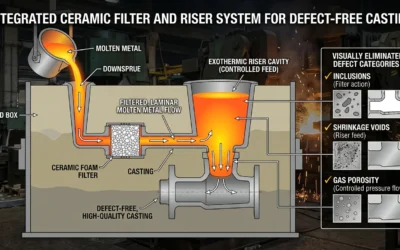
How Ceramic Filters And Risers Work Together To Fix Defect Casting?
Scrap rates don't lie. Porous castings, shrinkage, inclusions — these point to a process that's breaking down. Fixing one variable at a time won't solve it. The real breakthrough comes from understanding how ceramic filters and risers work together to fix defect...