Picking the wrong ceramic filter mid-pour is more than a costly mistake. It means a scrapped casting, a missed deadline, and a conversation nobody wants to have with a client.
Dozens of suppliers are competing for your spec sheet. Sorting out which brands deliver on porosity consistency, thermal resistance, and long-term reliability takes serious time and effort.
This comparison does that work for you. We’ve put the top ceramic filter brands head-to-head — from established names like Pyrotek and FOSECO to newer contenders worth a close look. Each brand is measured across the metrics that matter most in real-world metal filtration performance, price, and reliability. So you get a clear picture and a smarter sourcing decision, no guesswork needed.
Core Value of Ceramic Filters in Casting
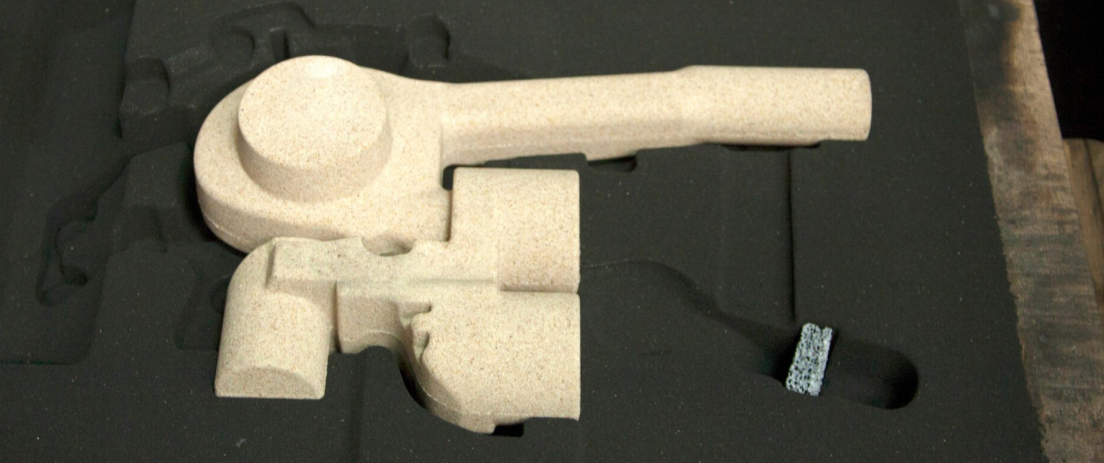
Ceramic filters do more than clean metal. They change what your casting process can actually deliver.
The numbers make this clear. In unfiltered steel casting, scrap rates from oxide inclusions run between 5–10%. Add a well-specified ceramic filter, and that drops to 1–3%. In aerospace and turbine alloy investment casting, inclusion-related failure rates fall by 30–60%. That’s not a small gain — that’s a completely different quality level.
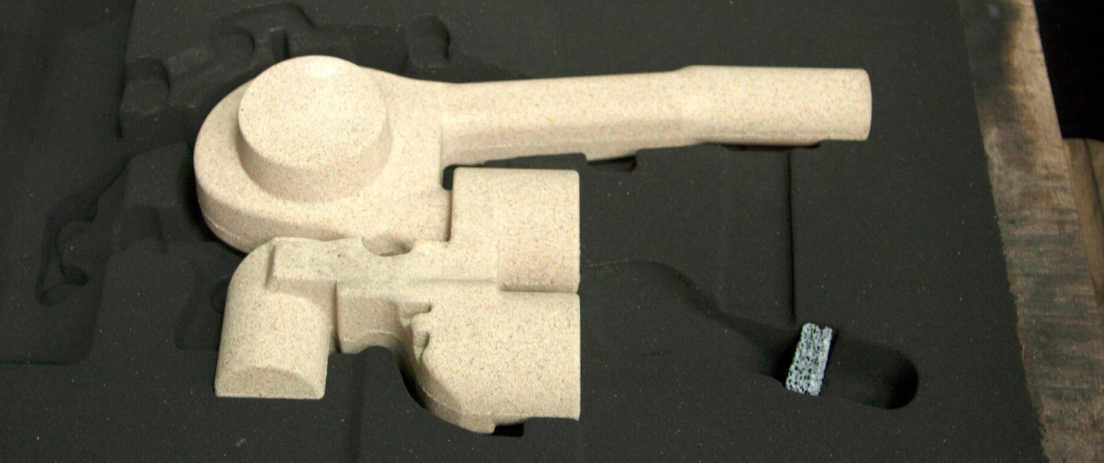
Three core mechanisms drive this:
-
Inclusion removal: Ceramic filters capture oxide films, slag, sand particles, and refractory debris. These are the main causes of surface and subsurface defects.
-
Flow control: Metal moves from turbulent to laminar flow. This cuts secondary oxidation and reduces air entrapment.
-
System simplification: Cleaner flow means fewer choke runners, buffers, and redirects. You get more cavities per mold and less metal wasted per pour.
The benefits stack up fast. Rework hours — welding repairs, machining corrections — drop by 20–40%. Yield per metric ton of metal improves by 3–10%, depending on alloy and gating design.
For regulated industries, the pressure is even greater. Aviation-grade cleanliness standards under AMS/ASTM frameworks treat filtration as a core control — not an optional step. In those applications, inclusions aren’t just a quality issue. They’re a legal and safety liability.
Pyrotek
Pyrotek started in 1956 and has stayed privately held ever since. Over seven decades, they built a global manufacturing and engineering infrastructure that most competitors simply can’t match. Operations span 35+ countries. Key facilities sit in the US (Cortland, NY), UK (Milton Keynes), and China (Shanghai’s Jiading District). That’s real supply chain depth — the kind that keeps product specs consistent across multiple continents.
What Pyrotek Makes for Metal Filtration
Pyrotek’s filtration product line focuses on high-temperature materials built for aluminium, foundry, steel, and zinc applications. Their Inconel mesh core products stand out here. These are designed for high-wear environments where abrasion resistance and elastic recovery are critical. Industry benchmarks for Inconel mesh cores show:
-
Cyclic compression tolerance: 10–30% strain
-
Recovery rate: >80–90% after unloading
-
Compression set: held below 10–15% across relevant temperature ranges
Their ceramic fibre boards and blankets round out the filtration lineup:
-
Density range: 96–320 kg/m³
-
Temperature ratings: 1,100–1,430°C
-
Al₂O₃ content in refractory castables: 40–90%
The Trade-Off to Know
Pyrotek’s main strength is range — acoustics, thermal insulation, glass processing, foundry. You’re sourcing across multiple production line materials? A single supplier covering all of that has clear value. But you need a pure-play Ceramic filtration specialist? That broad focus can feel scattered. The product depth is real. The specialization, though, gets divided across many other priorities.
LANIK (VUKOPOR®)
LANIK has made VUKOPOR® in the Czech Republic since 1990. Today, it’s the most recognized ceramic foam filter brand in Europe. The specs make it clear why.
The VUKOPOR® line comes in three versions. Each one targets a specific metal type and temperature range:
-
VUKOPOR® A (Al₂O₃–SiO₂): Built for aluminium and non-ferrous metals, rated up to 1,350°C. You get six porosity grades — 10, 20, 30, 40, 50, and 60 PPI. That range makes it one of the most flexible filtration choices for critical aluminium castings.
-
VUKOPOR® LD (Al₂O₃–SiO₂–graphite): Designed for gravity casting up to 850°C. The key feature here is low bulk density. During return metal remelting, the filter floats to the bath surface and pulls slag up with it — a genuinely useful behavior for cleanup.
-
VUKOPOR® S (SiC-based): Covers iron, non-ferrous, and steel applications up to 1,480–1,500°C. You can place it vertically, horizontally, or diagonally in the runner system — whichever works best for your setup.
All three filters use a 3D open-cell foam structure. In a single pass, it handles sieving, adhesion, and sedimentation at once. That translates to steady pressure drop, cleaner gating, and fewer scraps from inclusions.
LANIK ships to Japan, Poland, Argentina, and India. All production stays in the Czech Republic.
FoundryMax
FoundryMax builds its entire product line around one measurable problem: inclusions in the 10–50 μm range. Basic screens miss them. Conventional filters catch them at uneven rates.
Their Ceramic foam filter lineup covers the full metal spectrum — aluminium, iron, steel, copper alloys. Each metal gets a matched material grade:
-
Alumina (Al₂O₃): Up to 1,700°C, 80–90% open-cell porosity, available in 10–30 PPI
-
Zirconia (ZrO₂): Up to 1,750°C, higher mechanical strength, suited for carbon and low-alloy steel
-
Silicon carbide (SiC): Up to 1,550°C, optimized for cast iron and non-ferrous
-
Alumina-phosphate bonded: Up to 1,100°C, covering aluminium and copper alloys
Where the Numbers Land
Inclusion capture efficiency runs 60–90% versus unfiltered metal. Some aluminium foundries cut inclusion-related scrap by 30–50% after switching to Ceramic foam Filters. Tensile test scatter drops by 10–30%. Tool life in aluminium and iron machining goes up by 10–20% — largely from lower slag carry-over.
The cost-per-ton math is simple. A 50×50×22 mm ceramic foam filter costs USD 0.50–3.00 and handles 50–600 kg of metal. That puts filtration cost at USD 1–10 per ton. Scrap and rework cost far more than that.
FoundryMax also carries glass fiber Mesh Filters. You get a lower price point at USD 0.05–0.30 per piece. They work well on inclusions above 100 μm. For high-volume aluminium lines where ceramic foam’s cost premium doesn’t make sense, this is the practical pick.
FOSECO (Vesuvius Group)
Not many foundry suppliers carry the institutional weight FOSECO does. It’s the foundry division of Vesuvius plc. It runs across 41 countries, 6 continents, and 53 production sites — backed by 10,350 employees and 6 dedicated R&D centres. That’s not a sales pitch. That’s a logistics and engineering infrastructure most competitors spend decades trying to build.
Vesuvius runs two divisions — Steel and Foundry. FOSECO is the foundry half. It accounts for 30% of total Group revenue (Foundry revenue: £412.9m in the most recent reporting period). That scale funds things smaller brands simply can’t afford:
-
Deep simulation integration
-
Sustainability R&D
-
A global technical service network
What FOSECO Brings to Filtration
FOSECO’s product range goes well beyond filters. Their coating families include:
-
RHEOTEC, SEMCO, ACTICOTE — all water-based, built for high-production cores and molds
-
TENO — solvent-based, with controlled penetration into refractory substrates and measurable insulation performance
SEMCO CC takes things a step further. It’s a color-changing coating that shows drying progress. You can see at a glance when drying is done — cutting energy waste and over-baking in one move.
Their FEEDEX FEF feeder material is fluoride emission-free, low-VOC, and high-exotherm. For iron foundries facing tighter environmental rules, that’s a real differentiator.
One capability worth noting: FOSECO’s feeder sleeve and filter data plug straight into ESI ProCAST and QuikCAST simulation software. Ferrous foundries running defect prediction workflows can make spec decisions inside the simulation environment. No separate sourcing step needed.
The trade-off is typical of large conglomerates. You get reliability, global reach, and solid credibility — confirmed by FOSECO’s Lifetime Legacy Sponsorship with the World Foundry Organization (WFO). What you give up is agility. Customization timelines and pricing flexibility tend to reflect the size of the organization behind them.
Carpenter Brothers
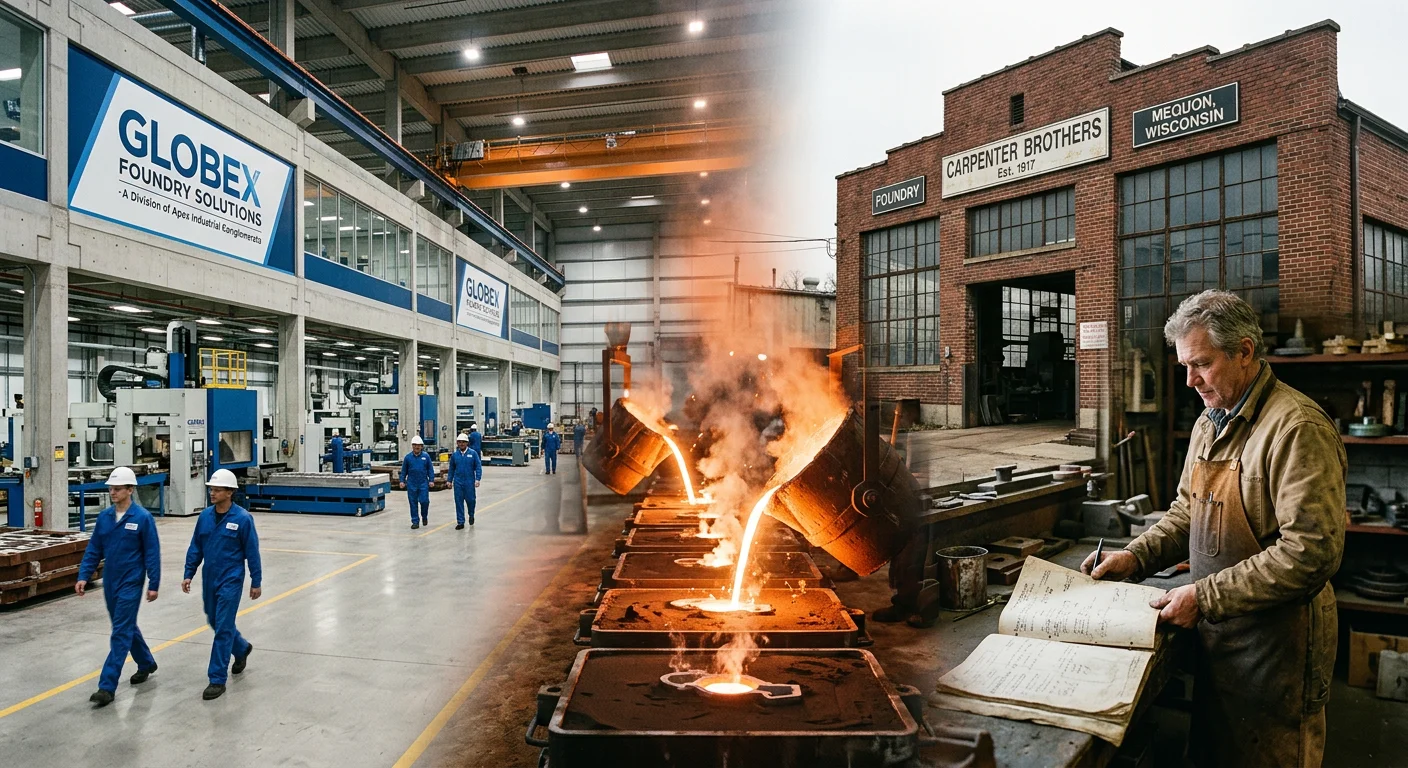
Everett and Milton Carpenter founded this company in 1917. Based in Mequon, Wisconsin, Carpenter Brothers has outlasted almost every competitor it ever shared a spec sheet with. That’s over a century of continuous foundry supply — and it shows in how they’re structured.
Carpenter Brothers isn’t a manufacturer. They’re a distributor and representative — and that’s the whole point. They’re not tied to a single OEM. So they pull from multiple equipment and consumable lines and build the sourcing combination that fits your process. One vendor relationship gets you full catalog access — core machines, riser sleeves, alloys, sand lab equipment, even 3D sand printers.
What They Cover
Their product categories span the entire casting workflow:
-
Molding & Core Making — silica and specialty sands, cold box and hot box core machines (sizes 16, 22, 26), gas generators, up to 600 lb shot capacity
-
Metals & Alloys — Mo, Si, Cr, Mn, Al, carbon recarburizers, FeSi inoculants
-
Riser Sleeves — insulating, exothermic, and engineered types that can cut riser volume by 20–50%
-
Environmental Compliance — dust collection and environmental products built for foundry and die casting environments
Estimated annual revenue sits around USD 13.3 million with a 21–50 person team. Lean operation, broad reach.
Running a jobbing foundry or automotive shop? You need consumables and capital equipment from one source. Give Carpenter Brothers a direct call: +1 800-558-9244.
SF-Foundry
SF-Foundry makes specialty ceramic filters. The entire business is built around one thing: supplying high-volume foundries that pour iron, steel, and non-ferrous alloys with tight quality standards.
Their ceramic foam filter range covers the metals most foundries run:
-
Silicon carbide (SiC): Built for gray and ductile iron. Rated to temperatures where most alumina-based filters start to break down
-
Zirconia (ZrO₂): Aimed at steel and high-manganese alloys that need maximum thermal shock resistance
-
Alumina (Al₂O₃): The go-to choice for non-ferrous and aluminium applications
What sets SF-Foundry apart from wider-catalog competitors is focus. There’s no acoustics division. No glass processing line. Engineering attention stays on filtration — and it shows. You get consistent dimensions and tight porosity tolerances across production batches.
Pricing lands in the accessible mid-range for ceramic foam filters. That makes SF-Foundry a practical choice for mid-volume jobbing foundries. You get solid metal filtration performance without paying extra for a big brand name.
Best fit: Iron and steel foundries that care more about consistent porosity specs than supplier brand recognition.
Contact: info@sf-foundry.com | +8618636913699
Adtech (AdTech Metallurgical Materials Co.)
AdTech started in 2012 with one clear goal: make molten aluminum cleaner before it becomes a casting. That’s all they do.
That focus sets them apart. Most suppliers in this space cover steel, copper, iron, and non-ferrous metals. AdTech doesn’t. Their Zhengzhou-based joint venture stays fixed on aluminum — degassing, filtration, flow control, and molten metal handling. Every product ties back to that same process chain.
The production numbers show a serious manufacturing operation. Their facility in Henan covers 20,000+ m². From there, they ship 400,000 ceramic Foam Filters per year. That output keeps hundreds of casting lines running. Industry-standard consumption sits at 1–10 filters per day, so the volume adds up fast.
Their Ceramic foam filters cover the standard range — 4″ to 23″, 10–60 PPI — built for aluminum use. Add their online degassing units, which target 40–60% hydrogen removal, plus their filter box systems, and you get a full aluminum purification lineup from a single source.
Best fit: Aluminum foundries and continuous casting operations that need a specialist. Not a generalist with an aluminum SKU buried deep in a broad catalog.
Ningxin (Baoding Ningxin)
Over 100 million castings filtered per year. That number says a lot about Baoding Ningxin’s scale — and why serious foundries in 20+ countries keep them on their approved vendor lists.
Ningxin started in 2002. They’re based in Tang County, Baoding, Hebei. Two production bases cover 50,000+ m², with around 350 employees on the ground. They supply more than 3,000 metal casting foundries across North America, Western Europe, Southeast Asia, and the Middle East.
Their core products:
-
Silicon carbide (SiC) ceramic foam filters — rated to 1,500°C, available in 10, 20, and 30 PPI
-
Alumina ceramic foam filters — built for aluminium, precision investment, and low-pressure casting
-
Fiberglass mesh and cloth filters — a top-selling product across Asia
The credentials are solid. Ningxin holds 23 patents, including 9 invention patents. They carry dual ISO 9001/14001 certification and national high-tech enterprise status. Their core product also earned Hebei Manufacturing Single Champion recognition — a government-backed quality award for standout manufacturers.
Peak season lead time is about one month. Factor that into your procurement schedule early.
At-a-Glance Comparison: Top Ceramic Filter Brands
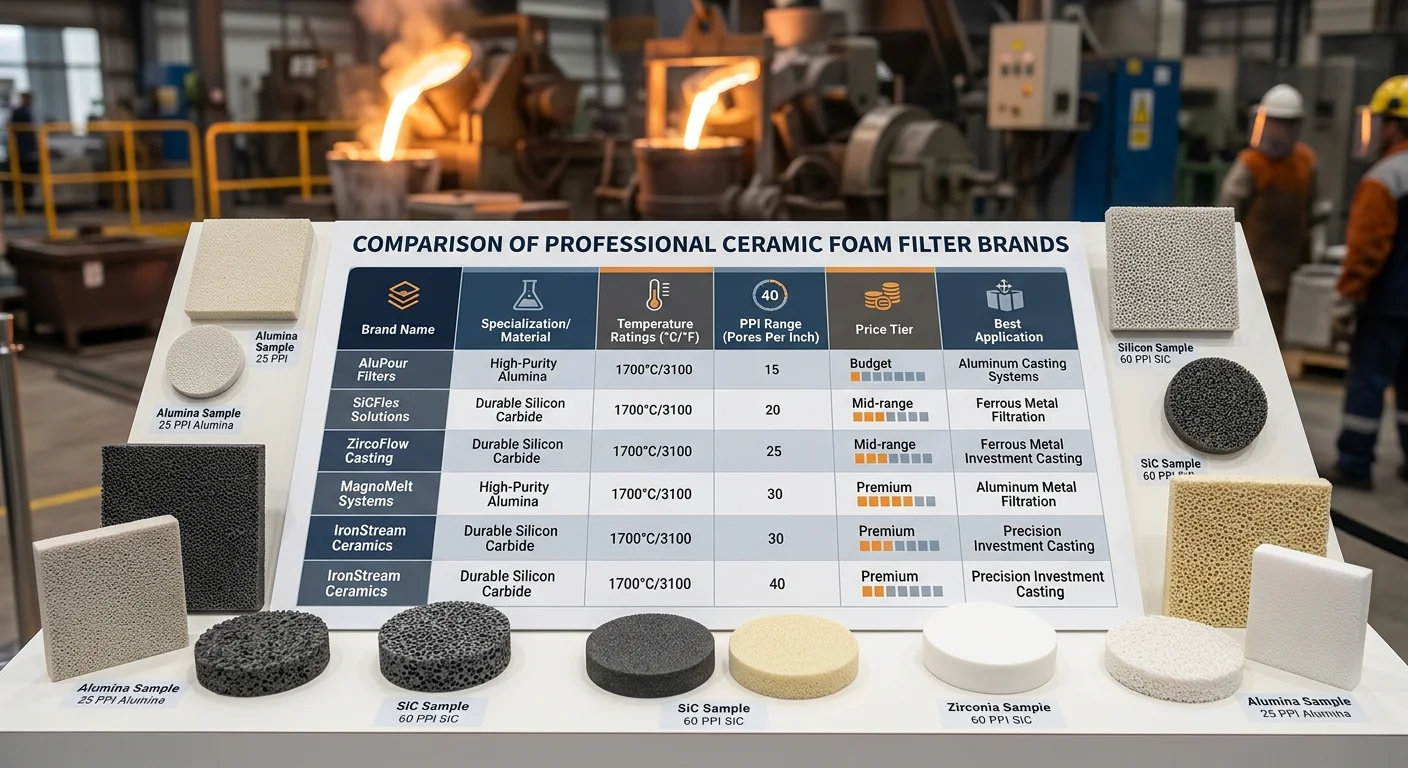
Eight brands. One table. Here’s how they compare across the metrics that decide which filter belongs in your gating system.
|
Brand |
Specialization |
Max Temp |
PPI Range |
Price Tier |
Best Application |
|---|---|---|---|---|---|
|
Pyrotek |
Multi-industry |
1,430°C |
Broad |
Premium |
Aluminum, foundry, steel |
|
LANIK (VUKOPOR®) |
Ceramic foam |
1,480–1,500°C |
10–60 PPI |
Mid–Premium |
Aluminum, iron, steel |
|
FoundryMax |
Full-spectrum |
1,750°C |
10–30 PPI |
USD 0.50–3.00/pc |
Aluminum, steel, copper |
|
FOSECO |
Foundry systems |
Not disclosed |
System-integrated |
Premium |
Iron, steel, regulated industries |
|
Carpenter Brothers |
Distribution |
Varies |
Multi-vendor |
Flexible |
Jobbing foundries, automotive |
|
SF-Foundry |
Ceramic foam |
1,500°C+ |
Standard |
Mid-range |
Iron, steel |
|
AdTech |
Aluminum focused |
Standard |
10–60 PPI |
Competitive |
Aluminum, continuous casting |
|
Ningxin |
High-volume foam |
1,500°C |
10–30 PPI |
Budget–Mid |
High-volume, multi-metal |
How to Use This Table
Start with scale and volume. AdTech and Ningxin lead on output capacity. Ningxin filters 100M+ castings per year. AdTech ships 400,000 ceramic foam filters per year — all for aluminum.
Regulated industries tend to choose FOSECO. ProCAST simulation integration is built in. That alone justifies the premium price for aerospace-adjacent work.
Temperature ceiling matters more than most buyers expect. Zirconia-based filters from FoundryMax reach 1,750°C — the highest in this group. Steel and high-manganese alloys require that extra range.
Filtration cost per ton runs USD 1–10. Rework and scrap cost far more. The table shows where the money goes. The math shows why it pays off.
Selection Guide & Conclusion
Eight brands. Very different strengths. The right answer depends on what’s breaking down in your process right now.
Here’s a simple framework for making the call.
Match the Brand to Your Actual Problem
Inclusion-related scrap is your biggest cost driver — and you’re pouring aluminum at volume. AdTech is the specialist choice. They produce 400,000 ceramic foam filters per year, all aluminum-focused. No split attention across steel and copper lines.
You need the highest temperature ceiling — steel, high-manganese alloys, anything above 1,500°C. FoundryMax Zirconia filters reach 1,750°C. That extra thermal range matters when alloy chemistry pushes against heat limits.
You’re in aerospace or regulated casting — FOSECO’s ProCAST integration isn’t optional. Your simulation outputs feed straight into filtration specs. No separate sourcing step needed. Pay the premium, or take on the compliance risk yourself.
You run a jobbing foundry with mixed metals and tight margins — Carpenter Brothers gives you consumables and capital equipment through one relationship. No brand loyalty required. You get full catalog access.
Consistent porosity specs matter more than brand name — SF-Foundry and LANIK both hit tight dimensional tolerances at mid-range pricing. LANIK’s VUKOPOR® S works in vertical, horizontal, or diagonal placement. That placement flexibility makes gating decisions simpler.
Raw scale and budget drive your procurement — Ningxin produces 100M+ castings per year. ISO dual certification. Shortlisted across 20+ countries for good reason.
The Bottom Line
Filtration cost runs USD 1–10 per ton. Scrap and rework cost far more. Every brand in this comparison clears the baseline quality bar. What separates them is fit — temperature range, metal type, volume, and how far your process ties into simulation tools. Get that fit right. The filter stops being a line item and becomes a real quality control tool.
Conclusion
Choosing the right ceramic filter isn’t a procurement checkbox. It’s a foundry decision that shapes your scrap rate, your customer relationships, and your competitive edge.
After comparing these top ceramic filter brands across performance, price, and reliability, the pattern is clear. Premium players like Pyrotek and FOSECO deliver consistency that justifies the cost in high-stakes aerospace and automotive work. Value-driven manufacturers like Adtech and Ningxin punch well above their price point for volume production environments. No single brand wins every category — but the wrong choice costs far more than the price difference.
So here’s your next move:
-
Narrow your shortlist to two brands based on your alloy type and tolerance requirements
-
Request sample filters from each
-
Run a controlled pour test before committing to a supplier relationship
The best ceramic filter for your operation isn’t the most famous one. It’s the one your metal trusts.