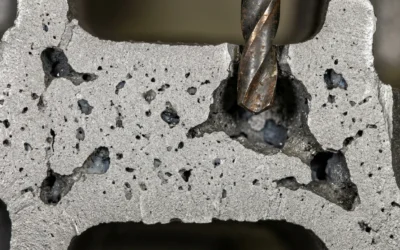
Scrapped castings. Rework costs climbing. A customer rejection just landed in your inbox.Porosity keeps showing up in your parts. You know the frustration. But most shops fix the symptom, not the root cause.Why your castings have porosity isn't always a clear answer....
Casting Defects
Shrinkage Porosity Vs. Gas Porosity: What’S The Difference In Casting?
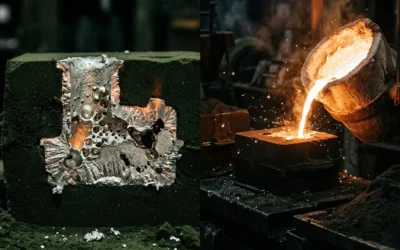
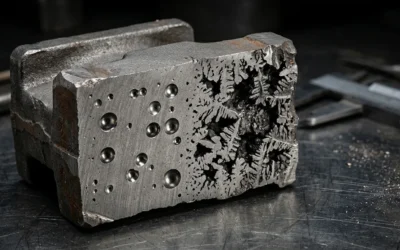
A ruined casting tells a story — you just have to know how to read it. Those voids, pits, and internal cavities scattered through your part aren't random. They're symptoms. Misread them, and you chase the wrong fix, waste pours, and lose customers.Shrinkage porosity...
Shrinkage Defects In Ductile Iron: Why They Happen And What You Can Do About It
Shrinkage defects in Ductile Iron have killed more promising castings than almost any other failure mode. The frustrating part? They often don't show up until you're deep into machining.One moment, a part passes visual inspection. The next, you're staring at a voided...
7 Common Causes Of Slag Inclusions In Steel Castings (And How To Fix Them)
Slag inclusions don't show up until it's too late — a rejected casting, a failed inspection, or worse, a structural failure in the field. Most of the causes behind them are preventable. The problem isn't that foundry operators lack experience. Slag inclusion issues...
How to Avoid Shrinkage Defects in Ductile Iron Castings: 5 Proven Methods
Shrinkage defects don't announce themselves until the damage is done — buried inside a casting that looked fine coming out of the mold. For foundry engineers and production managers, that moment of discovery is expensive, frustrating, and almost always preventable.The...
How Can You Tell Whether Cavities In A Casting Are Due To Porosity Or To Shrinkage?
Key Differences Between Porosity and Shrinkage Cavities Porosity and shrinkage cavities are two different casting defects. They affect metal castings in different ways. I recommend understanding their differences for better defect analysis and prevention. Porosity in...