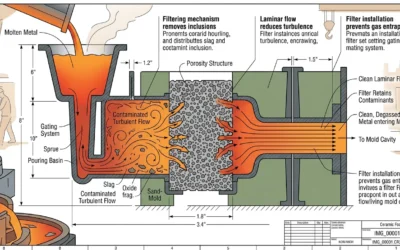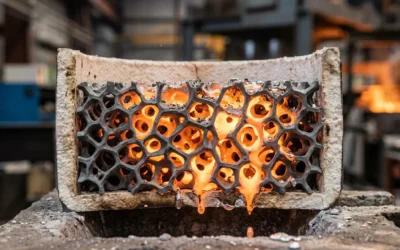
Every casting defect tells the same frustrating story — scrapped parts, rework costs, and a production line that never delivers the quality your customers demand. The root cause? Contaminated metal flow. The fix is simpler than most foundry engineers expect.Ceramic...
Ceramic Filter
From Sponge To Filter – How Are Ceramic Foam Filters Made?
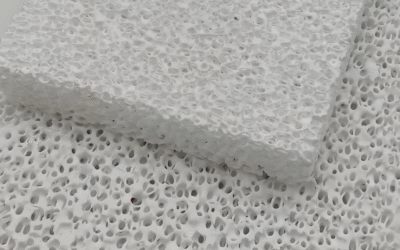
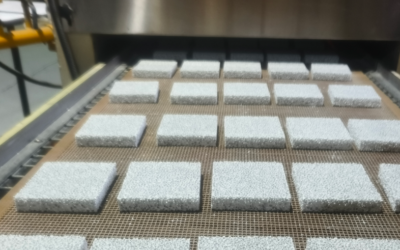
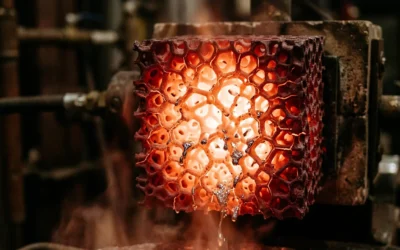
Pick up a ceramic foam filter and you'll notice something right away — it looks almost identical to the foam padding inside a shipping box. That's not a coincidence.The journey from sponge to filter is one of manufacturing's most elegant transformations. A...
Sic Filters Vs. Zirconia Ceramic Filters For Steel Foundry From Different Suppliers
Choosing the wrong ceramic foam filter for a steel pour isn't a small mistake — it leads to scrapped castings, expensive rework, and a supplier you'll want to drop fast.Foundry buyers face the same confusing question again and again: comparing SiC filters vs. Zirconia...
Application‑Specific Comparison: Filters For Aluminum, Iron, And Steel Casting
Choosing the wrong filter doesn't just reduce yield — it can wreck an entire pour. Yet across foundries worldwide, filter selection still gets treated as an afterthought. A box to check. Not a decision that shapes metal cleanliness, flow consistency, and scrap...
Material Comparison: Alumina Vs. Silicon Carbide Vs. Zirconia Ceramic Foam Filters
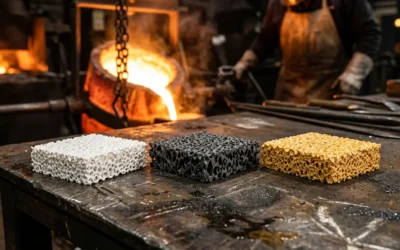
Picking the wrong ceramic foam filter material does more than hurt filtration quality — it can ruin an entire casting run. Alumina, silicon carbide, and zirconia are not interchangeable. They just get treated that way. Each material has its own thermal, chemical, and...
High-Temperature Filters For Casting: Which Works Best?
Scrapping a casting run due to trapped slag or oxide inclusions hits hard. You lose material, time, trust, and margin — all at once. The right high-temperature filters for casting stop that from happening. Yet too many foundry operators are still guessing at filter...