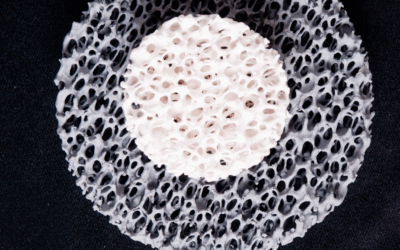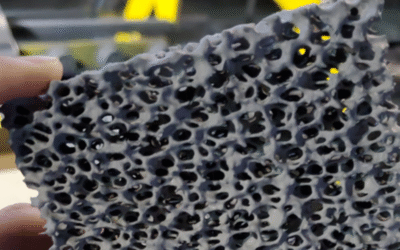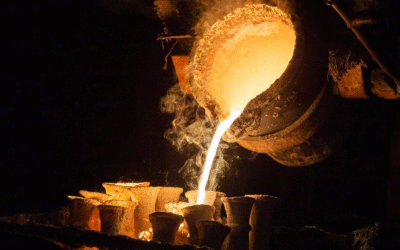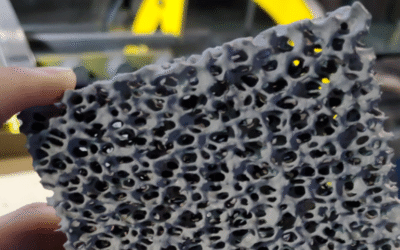
Industrial ceramic filters are now essential in many Australian industries. I've seen their strong stability, fine filtration ability, and wide use across sectors like water treatment, metal casting, mining, and food processing. Manufacturers choose ceramic filters...
Ceramic Filter
What Are Ceramic Water Filter Pros And Cons?
Overview of Ceramic Water Filters Ceramic water filters help improve drinking water quality. I recommend them for areas where clean, treated water isn't always available. These filters use porous ceramic material. The pores are tiny—between 0.2 and 0.5 microns....
How To Make Ceramic More Porous?
Introduction to Increasing Porosity in Ceramics I recommend increasing porosity in ceramics for filtration, catalysis, insulation, and lightweight structures. High and controlled porosity requires the right additives, processing methods, and forming techniques. These...
The 10 Best Ceramic Water Filters In Australia
[dipl_text_highlighter highlighter_content="Looking for the Best Ceramic Filters?" svg_color="#E02B20" stroke_width="0.9" _builder_version="4.27.4" _module_preset="default" global_body_text_align="center" main_body_font="|700|||||||" main_body_text_color="#EE3124"...
Can You Reuse Ceramic Filter
I think Ceramic filters are a top choice. They have great strength, resist chemicals, and offer lasting filtration. This makes them perfect to use again and again. Their strong design means they can handle many cleanings. This is why I see them used so often in both...
What Are Alumina Ceramic Filters Used For?
Alumina ceramic filters are porous materials made from aluminum oxide (Al₂O₃). Based on my experience, they are a top choice for industrial use. I like them because they are very stable chemically and mechanically strong. They can also handle sudden, big temperature...