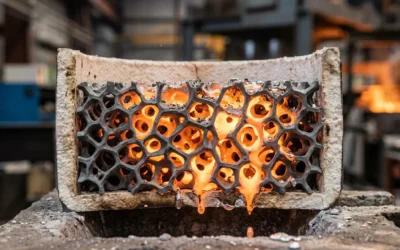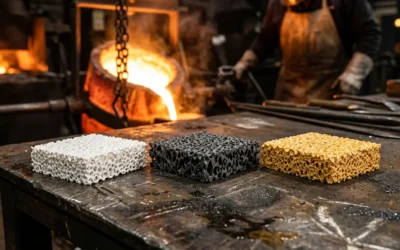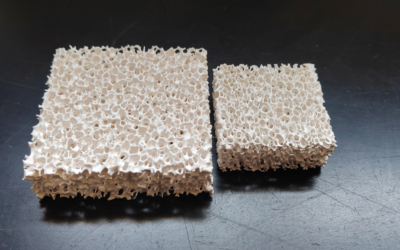
For Indonesian aluminum foundries, the CFF decision means the difference between clean melt and costly scrap runs. Walk onto any casting floor from Cikarang to Surabaya, and you'll hear the same debate. You can stick with imported Ceramic foam Filters that cost more...
Foam Filters
Depth Filtration Vs. Surface Filtration: Why Ceramic Foam Filters Outperform Screens
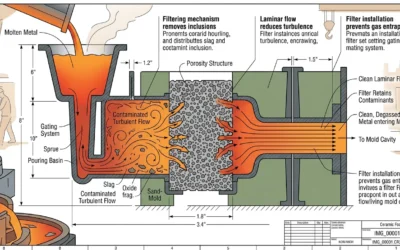
Every casting engineer knows this tradeoff well: filter out more inclusions, or keep your melt flowing fast enough to fill the mold before it freezes. Screens look simple. A flat barrier catches what it catches. But that single-plane design lets a lot of contamination...
Automotive Vs. Aerospace Foundry Requirements – Foam Filter Performance Comparison
Pouring molten metal through a foam filter sounds like simple physics. It isn't. Compare automotive vs. aerospace foundry requirements and the gap becomes clear fast. "Good enough" works in one world. "Zero defects" is the only standard in the other. Foam filter...
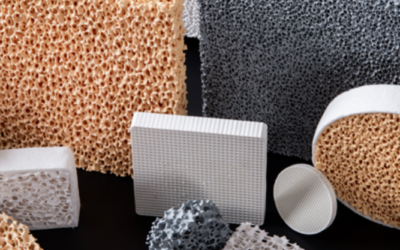
Ceramic Foam Vs. Honeycomb Vs. Fiberglass – Which Foundry Filter Is Right For You?
Scrap rates don't lie. A porous casting, a cold-shut, or one riddled with inclusions — the filter choice is often the culprit nobody wants to name. ceramic foam vs. honeycomb vs. fiberglass Foundry filters — this isn't just an academic debate. It's the difference...
What Are The Main Applications Of Ceramic Foam In Foundry And Industry?
Ceramic foam doesn't look like much — a lightweight, porous block that could pass for a kitchen sponge. But it handles some of the toughest jobs in modern manufacturing.It filters molten metal at temperatures that would destroy conventional materials. It supports...
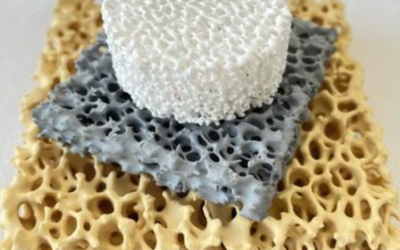
From Sponge To Filter – How Are Ceramic Foam Filters Made?
Pick up a ceramic foam filter and you'll notice something right away — it looks almost identical to the foam padding inside a shipping box. That's not a coincidence.The journey from sponge to filter is one of manufacturing's most elegant transformations. A...